9/11: The Arnon Milchan Hypothesis
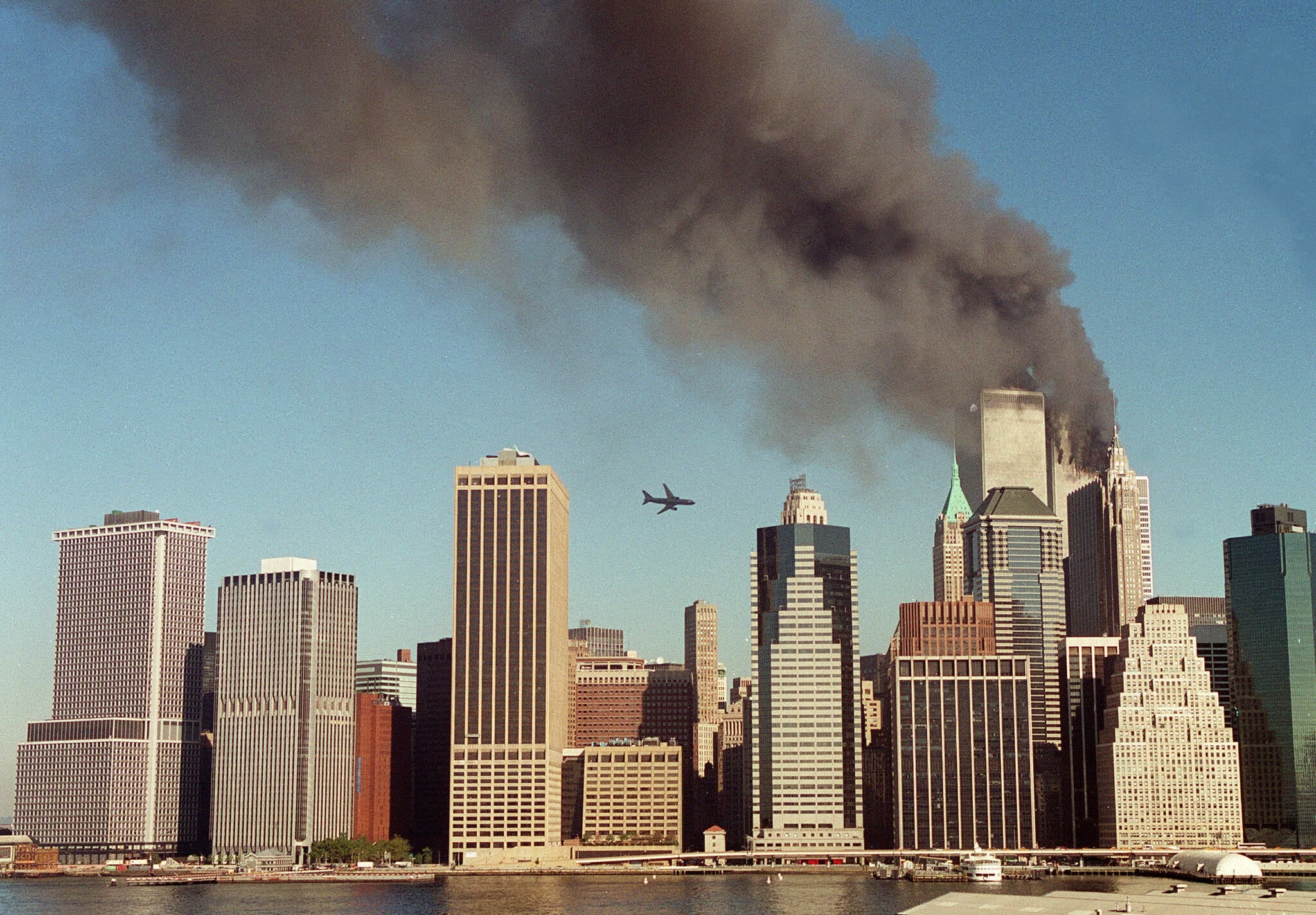
Whispers have long circulated about billionaire Hollywood film producer Arnon Milchan and his possible connection to the events of September 11, 2001.
Many have observed the ‘odd’ ‘co-incidence’ that a number of films produced by Milchan feature jetliners being deliberately crashed into the World Trade Center towers of New York City (or other iconic American buildings meeting a similar catastrophic fate). Additionally, and not unimportantly, Milchan has also publicly admitted to having spent decades as a deep cover spy for the Israeli intelligence arm LAKAM.
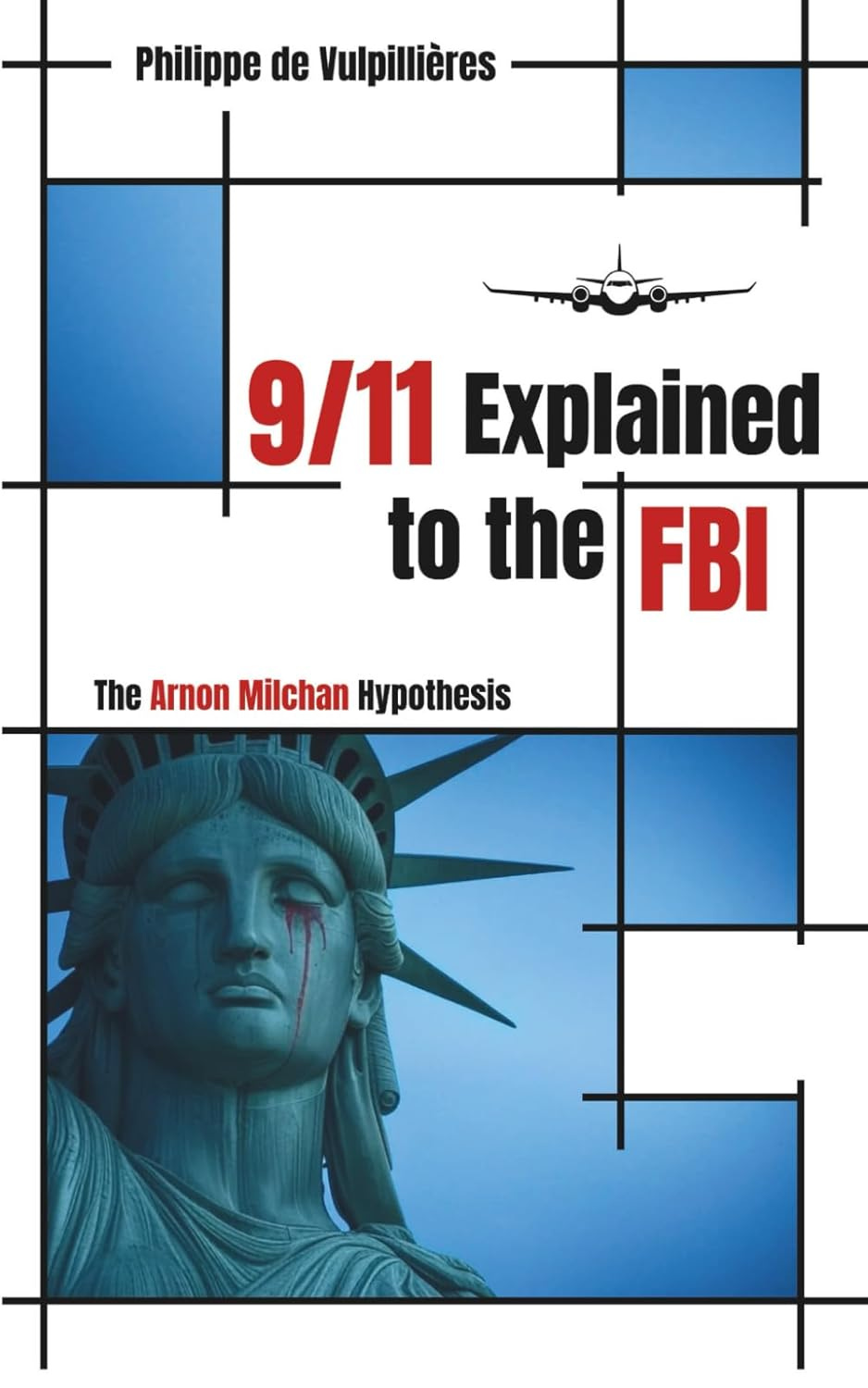
Now, French theologian and essayist Philippe de Vulpillières has published a new book, ‘9/11 Explained To The FBI: The Arnon Milchan Hypothesis’ directly accusing Milchan of being a major player in the attacks of September 11th (or even, perhaps, of being the mastermind of the operation).
A multitude of witnesses (and later observers) of the tragic events that day in NYC have remarked with shock that they felt they were watching a ‘Hollywood action film.’ And perhaps, in some sense, they were…
De Vulpillières recounts some of the key Arnon Milchan film and television connections to the 9/11 event:
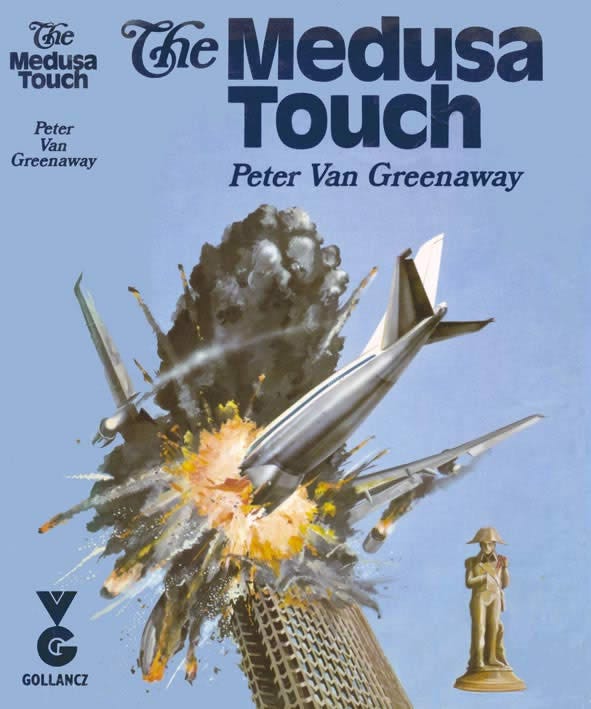
- ‘The Medusa Touch’ (1978) – This tense thriller features Richard Burton cast as a troubled novellist with psychic powers and climaxes with terrorists ramming a commercial airliner into the iconic Pan Am Building, a New York skyscraper. Filmed in 1977, this was Milchan’s first official screen credit. He financed the film through his newly formed production company and is listed as Executive Producer on the original posters and in contemporary trade announcements.
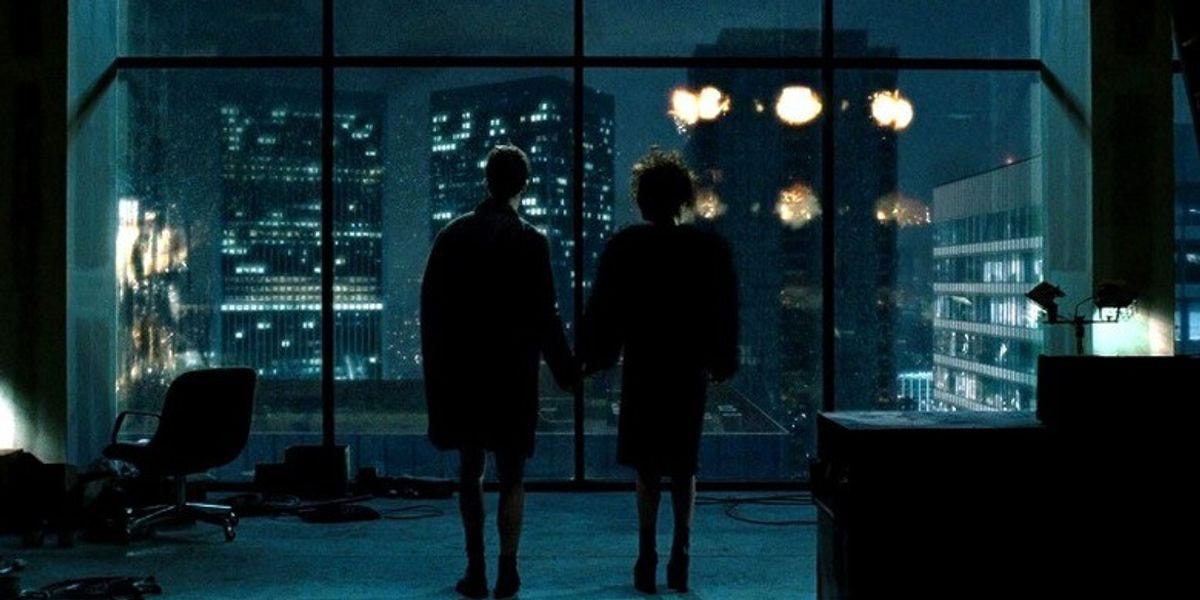
- ‘Fight Club’ (1999) – Starring Brad Pitt, the finale of the film features terrorists blowing up multiple skyscrapers in the NYC financial district, which collapse vividly on screen. The film was produced by Arnon Milchan via his company Regency Enterprises.
- ‘The Lone Gunman’ (first aired March 4th, 2001) Executive Produced by Arnon Milchan via Regency Enterprises, this ‘spin-off’ from the popular ‘X-Files’ TV series was broadcast on Fox (part of Rupert Murdoch’s News Corp), with whom Milchan has had a long collaboration, almost exactly six months before the attacks in NYC. The episode’s plot focussed on a rogue US Government faction that remotely hijacks a passenger plane to crash it into the World Trade Center as a false flag to boost arms sales. Many have noted the parallels with real world events, its suspicious timing just months before 9/11 and its possible psychological element as ‘predictive programming.’ Of further note is that this episode might have potentially established in the public mind a ‘limited hangout’ narrative of 9/11 (as an ‘inside job’ of shadowy US government operatives).
Other films produced by Milchan (’Under Seige’ – 1992 and ‘The Devil’s Advocate’ – 1997) also feature some parallels to the 9/11 attacks, but it is the less-remembered 2001 film ‘Swordfish’ with which de Vulpillières focusses most attention. He advances the theory that ‘Swordfish’ engages in numerous examples of what he describes as ‘Aesopian Language’ – a deliberate form of covert communication that hides a secret or subversive meaning beneath an innocent, often allegorical surface. The term comes from the ancient Greek fabulist Aesop, whose animal fables allowed slaves and the powerless to criticise rulers, in code, without direct punishment.
De Vulpillières cites dialogue in “Swordfish’ that strikes him as ‘anomalous’ (not merely irrelevant or incompetent – themselves common enough in Hollywood ‘entertainment’) – that is, deliberately ‘outside’ the plot or narrative of the film itself.
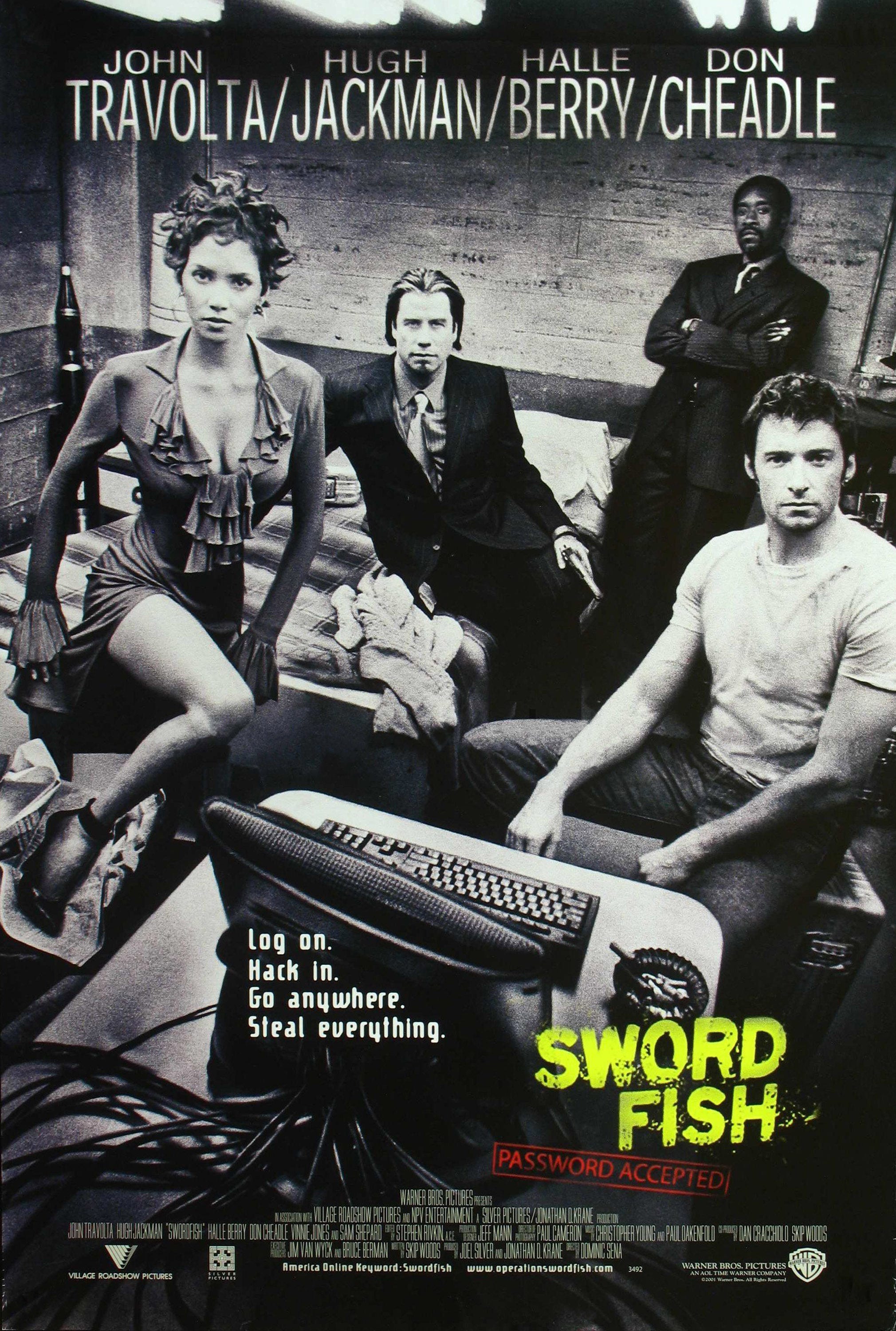
Much of that dialogue is delivered by the wealthy and powerful character Gabriel Shear (played by actor John Travolta) whom de Vulpillières argues may even serve as a ‘stand-in’ or representation of Arnon Milchan himself. ‘Shear’ delivers a number of monlogues during the film that justify the slaughter of thousands of innocents in service of the ‘greater good’ (as defined by whom?) and argues that the correct response to ‘Islamic terrorism’ is to escalate and render civilizational acts of violence to cower all enemies. Philippe de Vulpillières suggests that these are essentially ‘neo-con’ talking points (manifested in documents like the publications of the ‘Project For The New American Century’ prior to 9/11) condensed into ‘action film’ dialogue. And that the release of ‘Swordfish’ just three months before the September 11 attacks, signals not just ‘predictive programming’ and ‘revelation of the method’ but also, via Aesopian Language, a message of moral justification and planning to insiders and collaborators.
The film was connected to Milchan’s Regency enterprises and was directly produced by Joel Silver, a close associate of Milchan. It opened in the US just months before 9/11 and, especially notably to de Vulpillières, opened in Paris (where Milchan was then living) on September 12th, 2001.
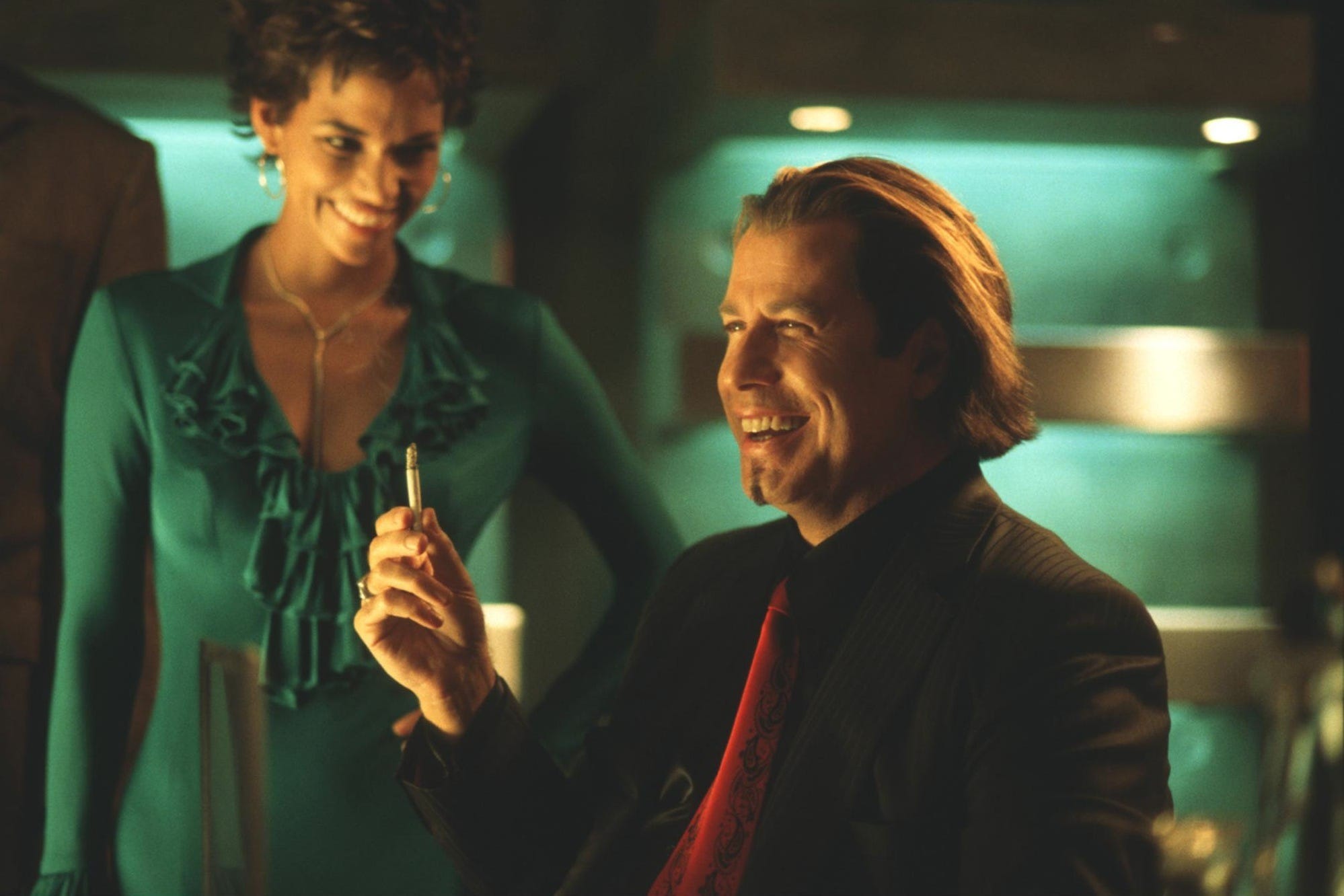
While Arnon Milchan is often described as a ‘billionaire Hollywood film producer’, what is rarely referenced is that most of his fortune appears to have been derived via arms dealing and espionage activities. Indeed, Milchan was recruited into the Israeli secret services in his twenties in the 1960s and has been implicated in the longterm theft of US nuclear secrets and technologies (including the smuggling of around 800 ‘krytons’ or nuclear explosive triggers) that he was reportedly paid ‘massive’ amounts of money for. This is now public knowledge, as reported in the 2011 biography ‘Confidential: The Life of Secret Agent Turned Hollywood Tycoon Arnon Milchan’ by Meir Doron and Joseph Gelman, which included extensive interviews with its subject and his peers. Also, in 2013, Milchan directly confirmed these details in an interview on the Israeli TV program ‘Uvda’ – “Do you know what it’s like to be a 20-something-year-old kid (and) his country lets him be James Bond? Wow! The action! That was exciting.” He has also described recruiting Hollywood figures for spying activities: “Director Sidney Pollack… was my partner in export in aerospace, planes, all kinds of things, with license. He had to decide what he was willing and what he was not.” Legendary actor Robert De Niro admitted he has long been aware of Milchan’s espionage role, to which Milchan responded, “I did it for my country, and I’m proud of it.”
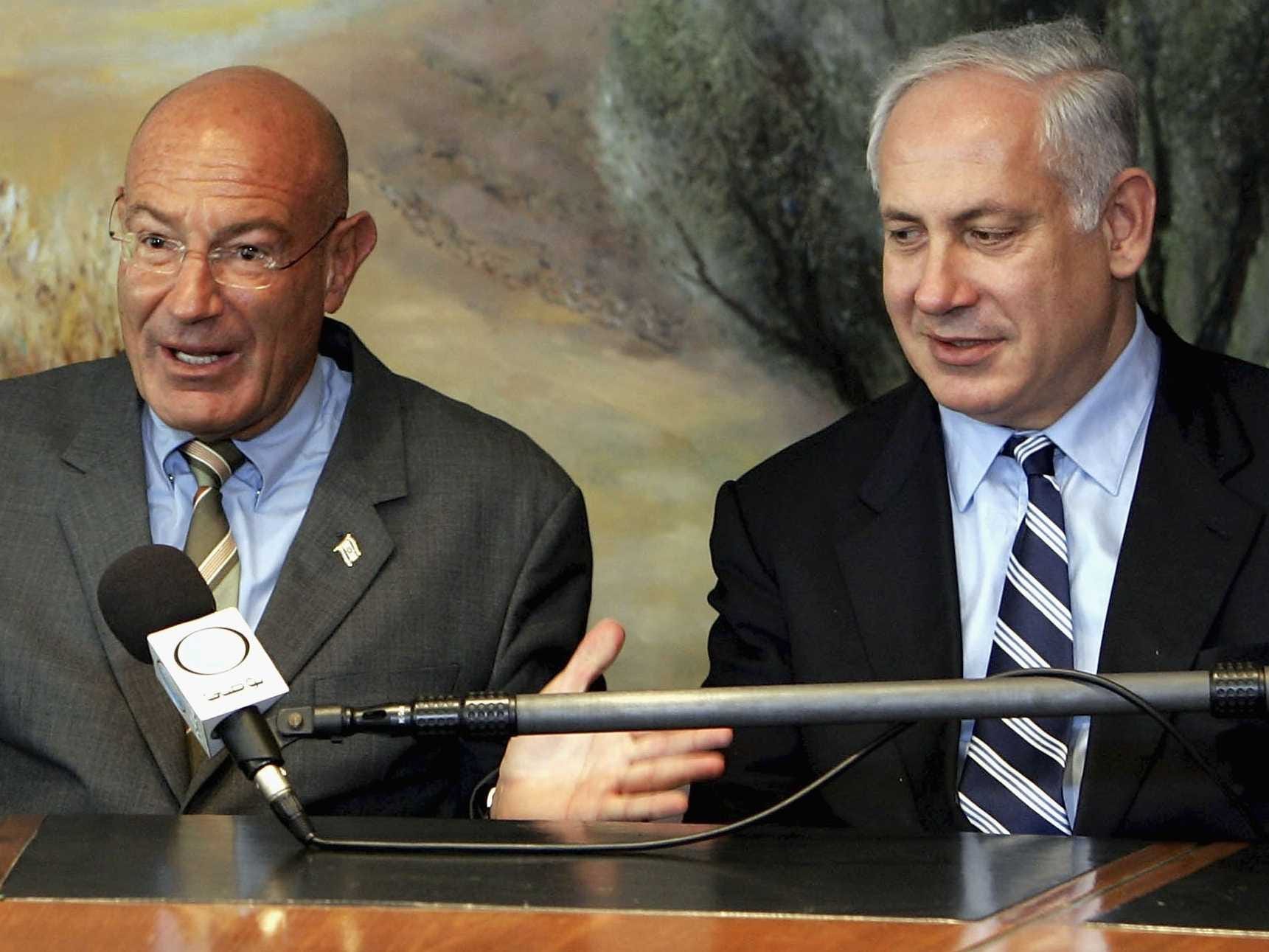
Alongside spying, arms dealing, nuclear intrigue and buying uranium via South Africa, Milchan also owns two TV networks in Israel (worth around US $500m) and an art collection valued at about $600m. While his partner in the nuclear triggers scandal Richard Kelly Smyth was eventually arrested and tried for the crime, Milchan appears to have never suffered any visible penalty or even investigation. Indeed, publicly boasting of the theft of highly classified technolgies and concurrently continuing to produce multimillion dollar Hollywood productions at the same time, without nary-so-much as an interview with the FBI, is doubtlessly an impressive feat. De Vulpillières suggests that Milchan’s very public close friendships with Israeli Prime Minister Benjamin Netanyahu (one of his “best friends”) and media mogul Rupert Murdoch might likely explain his teflon superpowers.
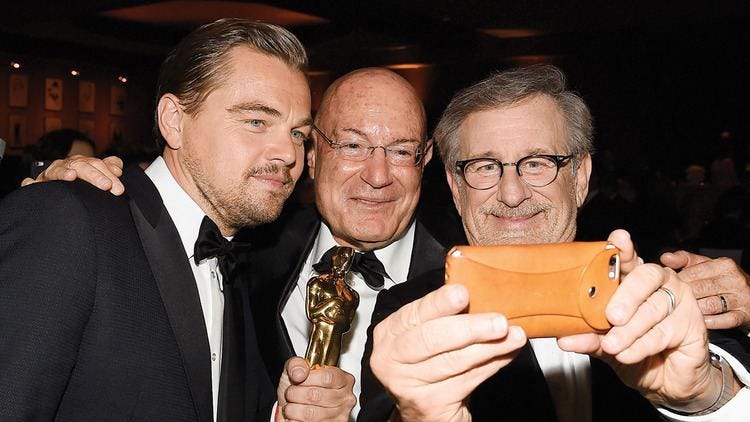
In the light of allegations made by the late journalist Michael Collins Piper (and subsequently by Christopher Bollyn and Laurent Guyénot, among others) in his book ‘Final Judgement’ – of a deep connection between the then-fledgling Israeli state, its nuclear ambitions and the November 1963 assassination of US president John F. Kennedy – it is interesting to note that Arnon Milchan also produced Oliver Stone’s blockbuster ‘JFK’ film, putting Milchan potentially in the ironic position of knowing much more about the subject than he has publicly admitted and casting Stone’s film as perhaps one of the finest-crafted ‘limited hangouts’ ever produced.
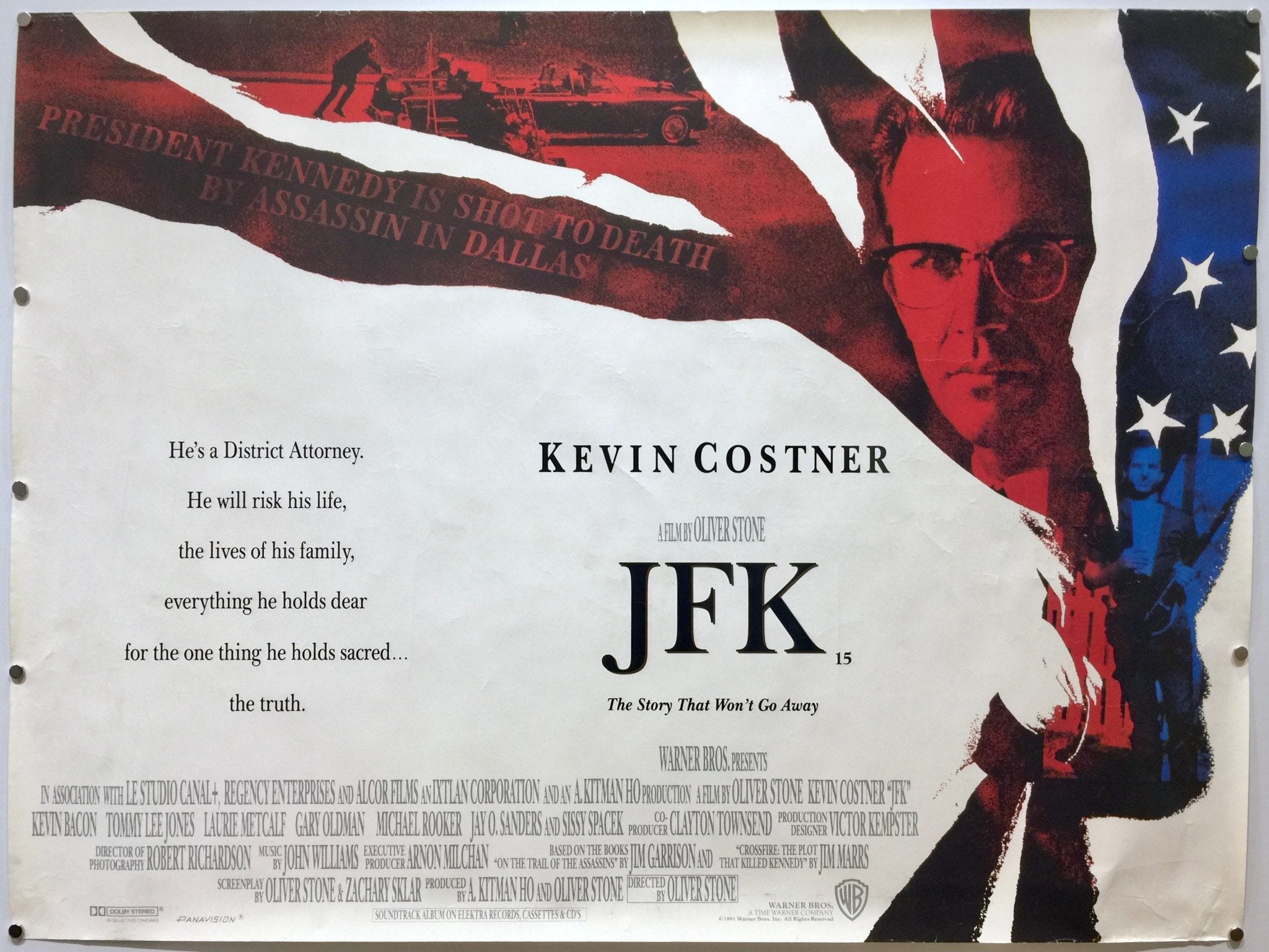
In both intelligence analysis and forensic accounting, three independent data points with the same signature (here being ‘producer’, ‘theme’ and ‘timing’) can trigger a formal investigation. The threshold is not considered “proof beyond reasonable doubt”; instead it is “reasonable suspicion” or “probable cause.” If the hypothesis presented in ‘9/11 Explained To The FBI’ is correct, that threshold was crossed long ago.
‘9/11 Explained to the FBI: The Arnon Milchan Hypothesis’ is a provocative investigative essay that proposes a radical reinterpretation of the September 11, 2001 attacks as a false flag operation orchestrated by Israeli intelligence, with Hollywood producer and self-confessed spy Arnon Milchan as its mastermind. De Vulpillières, a French Catholic journalist and author known for contrarian analyses of modern culture and geopolitics, frames the book as a direct address to the FBI, urging a re-examination of overlooked evidence through a cinematic lens. The core argument hinges on the 2001 film ‘Swordfish’ which de Vulpillières decodes as an “Aesopian” blueprint for the attacks – using allegorical language to signal the plot to insiders while concealing it from the public (and climaxing with the sacrifice of the obligatory Osama Bin Laden-type villain).
The book’s structure unfolds in three interlocking sections: an introduction to the “Aesopian hypothesis,” a forensic dissection of ‘Swordfish’ as encoded prophecy, and a broader indictment of Milchan’s role in Israeli espionage and Hollywood influence operations. He argues that the ‘Aesopian’ method was deliberately and calculatedly weaponized in ‘Swordfish’ to pre-announce the 9/11 mechanics: a spectacular trauma framed and imprinted as patriotic and moral necessity.
De Vulpillières closes his argument with a spiritual examination of these alleged dark forces – which may challenge some readers – but they might well consider that when faced with grand arcs of good and evil, secular rationalisations seem uniquely ill-suited for the task.
Deep and confronting, ‘9/11 Explained To The FBI’ is not targeted to the casual reader, but for those seeking profound analysis and controversial hypotheses it is highly recommended.Subscribe