
Why You’re Being Kept in the Dark About Greenland
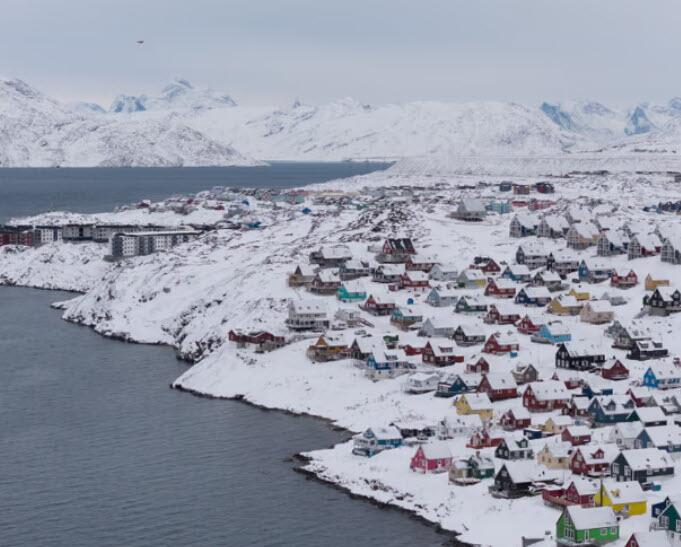
If you rely on mainstream media, cable news panels, or even most geopolitical websites, you’ve probably been led to believe Greenland is a sideshow. It’s framed as a curiosity, a diplomatic oddity, or a personal fixation of Donald Trump. That framing makes the subject easy to dismiss and even easier to mock. But when something of real strategic importance is treated like a joke, that is usually the signal—not the mistake.
This report exists because the public conversation around Greenland has been deliberately flattened. Not because journalists are unintelligent, but because the real story does not fit into acceptable narratives. Greenland sits at the intersection of military dominance, resource control, and future power projection. Those subjects rarely survive translation into headlines without being neutralized.
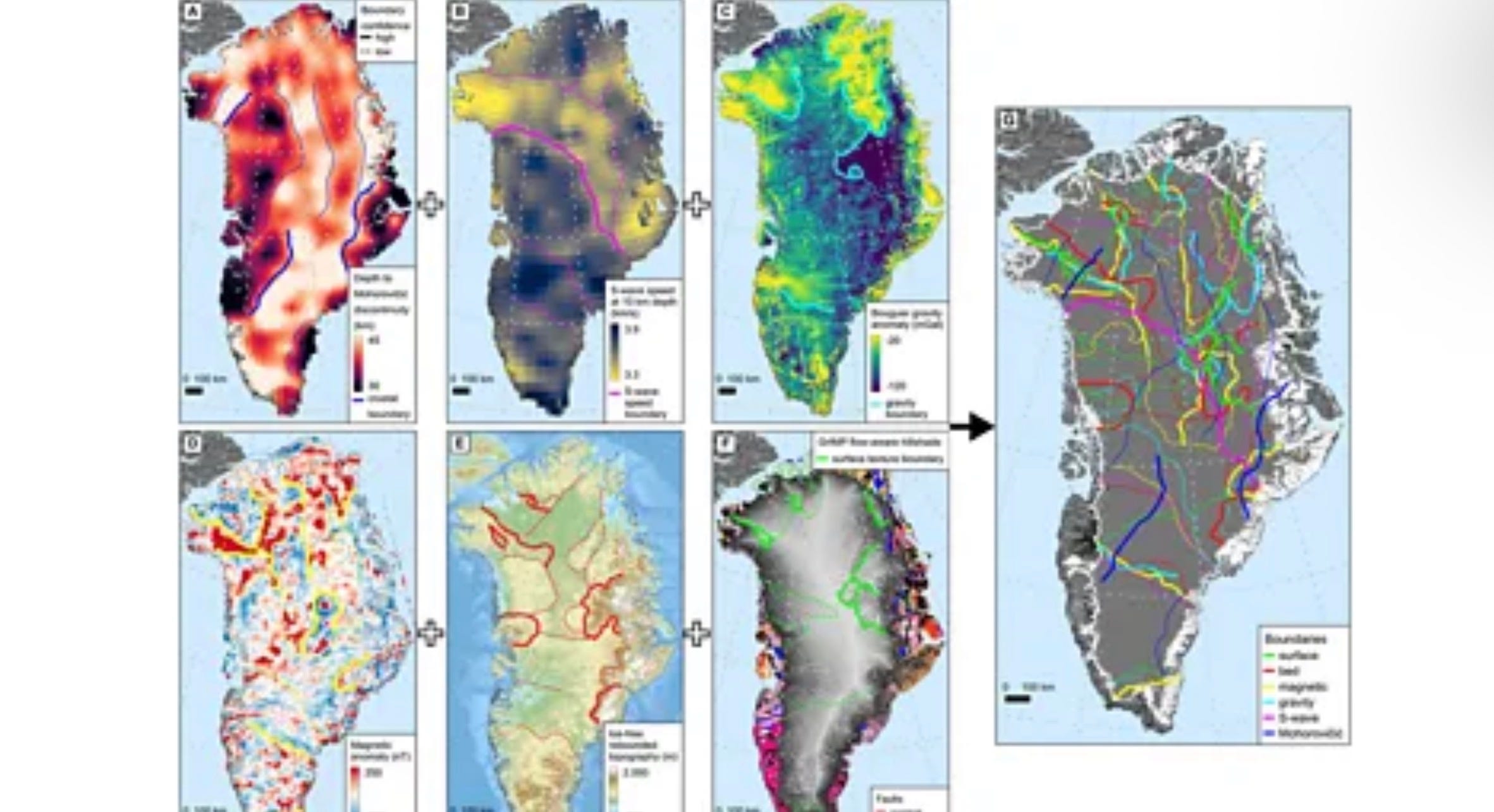
Greenland breaks too many rules at once. It is technically part of Denmark, yet Denmark cannot defend it alone. It is protected by NATO, but NATO cannot openly admit who actually controls its security. It is described as autonomous, yet it has no independent military, no independent currency, and no ability to protect or develop its own resources.
Most importantly, the United States already treats Greenland as critical sovereign territory—just without calling it that.
The media problem is structural, not political. If the public fully understood Greenland’s role, several uncomfortable truths would become obvious very quickly. Borders matter less than control systems, allies often function as placeholders, and modern empires no longer conquer territory outright. They lease, embed, and administrate.
None of that fits into left-right politics, election cycles, or short attention spans.
So instead, the focus stays on rhetoric. Commentators argue about tone, intent, and personality. The underlying strategy is ignored, even though it has been consistent for decades. What you are seeing now is not a sudden idea, but the acceleration of a long-running plan.
This is not about buying Greenland. That framing was always a distraction. Ownership in the traditional sense is no longer how power is exercised. What matters is who controls airspace, early-warning systems, deep-water ports, undersea cables, and critical minerals.
By those measures, Greenland is not peripheral. It is central.
Three things changed quietly, but decisively. Arctic ice melted faster than projected, turning theory into logistics. China and Russia moved from studying Arctic routes to operationalizing them. And the United States abandoned the illusion that the post-Cold War order would manage itself.
When those conditions align, polite ambiguity ends.
That is why tariffs were mentioned. That is why rhetoric escalated. That is why European leaders reacted defensively rather than dismissively. They understand what is at stake, even if the public is not meant to.
After the paywall, the biggest misconception of all gets dismantled. Greenland is not about land, people, or nationalism. It is about time advantage, control systems, and who sets the rules when the next global order locks in.
Once you see that, everything suddenly makes sense.
https://khlfsn.substack.com/p/why-youre-being-kept-in-the-dark