
‘Desert Storm Levels’ of U.S. Military Headed to Middle East
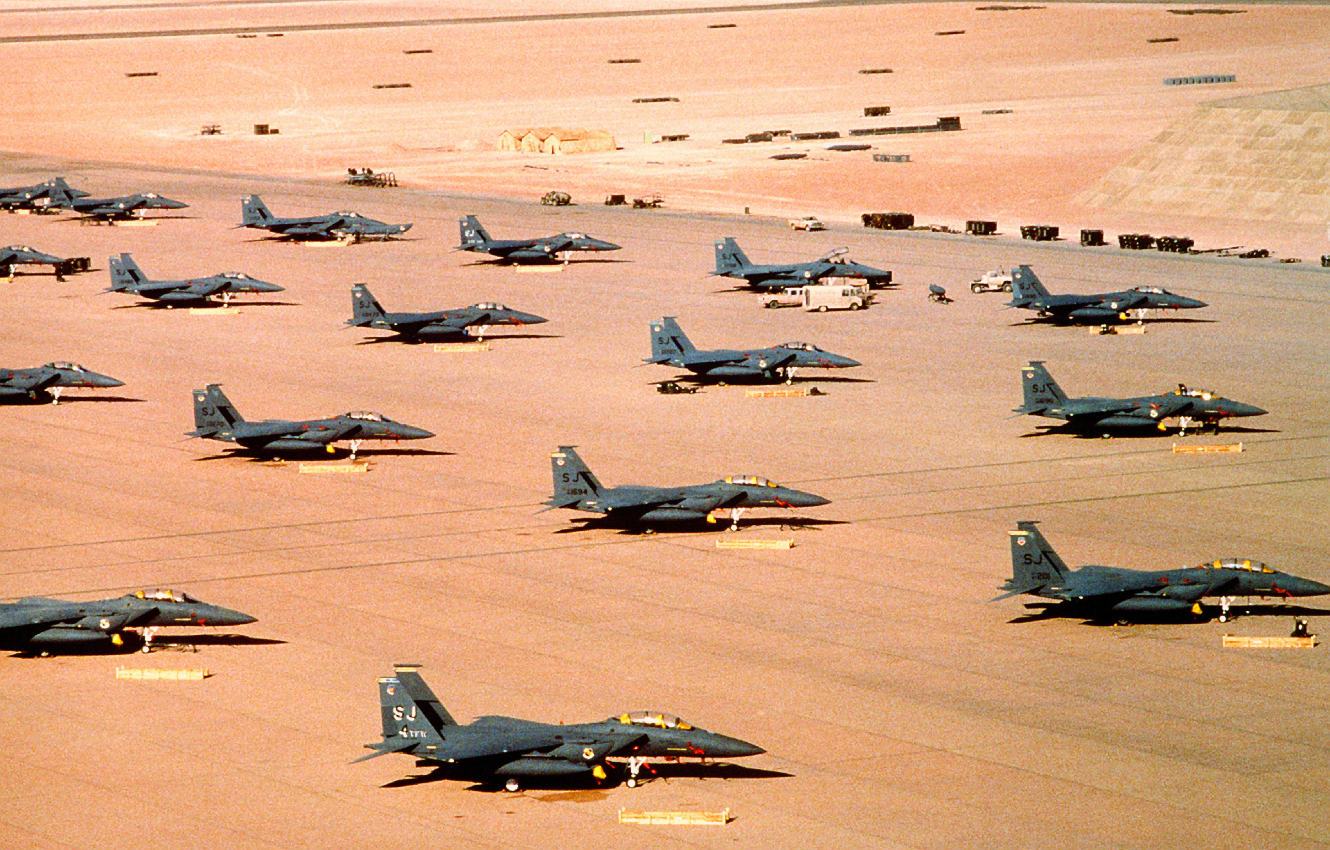
At least 112 U.S. Air Force C-17 Globemaster III transport aircrafts have been reported en route — to or already positioned in the Middle East — a level of deployment some observers have compared to the buildup ahead of Operation Desert Storm in 1991. Retired Lt. Col. Buzz Patterson, a former U.S. Air Force pilot and White House military aide, described the surge as “Desert Storm-levels” of movement, urging the public to “stay tuned” as tensions rise.
Open-source flight tracking accounts, including Armchair Admiral, have monitored and tallied the flights, noting that the deployment has been underway since mid-January. Royal Air Force logistics flights from RAF Marham to RAF Akrotiri in Cyprus have also been observed, pointing to a broader allied presence in the region.
Capabilities of the C-17 Globemaster III
The C-17 is a strategic airlifter capable of carrying more than 170,000 pounds of cargo, including heavy equipment and large troop contingents. It can operate from runways as short as 3,500 feet, has intercontinental range with in-flight refueling, and is designed for rapid loading and unloading. These capabilities make it central to large-scale and fast-paced military deployments.
Background
The surge comes amid heightened tensions between the United States and Iran. Indirect talks mediated by Oman have stalled over Washington’s demand that Tehran limit its ballistic missile program. Iranian Foreign Minister Abbas Araghchi has questioned whether the U.S. is negotiating in good faith or using diplomacy to buy time for a military buildup. He warned that if Iran were attacked, it would target American bases in the region rather than neighboring countries, risking a wider conflict.
Maritime security concerns
The U.S. Department of Transportation has issued guidance for commercial vessels transiting the Strait of Hormuz, advising them to avoid Iranian ships and be prepared to invoke the Law of the Sea Convention if challenged. The advisory follows incidents in which Iranian forces seized vessels and threatened what they described as a “massacre” of Americans in the Gulf. The U.S. Navy has also intercepted Iranian drones and armed patrol boats near American ships, adding to rising maritime tensions.
Strategic implications
Analysts say the scale of U.S. deployments suggests preparation for possible military action, even as diplomatic channels remain open. Sanam Vakil, director of the Middle East and North Africa program at Chatham House, pointed to internal divisions within Iran’s leadership as a complicating factor. She said, “When they are under attack, all political sides in the regime work together. When there is a mediation, they sabotage each other.”
The growing concentration of air power, naval assets, and missile defenses has fueled questions about whether Washington is positioning for a strike or using a show of force to pressure Tehran into concessions. The situation remains fluid, with both sides signaling readiness to escalate while keeping negotiations on the table.
https://knewz.com/desert-storm-levels-us-military-headed-middle-east