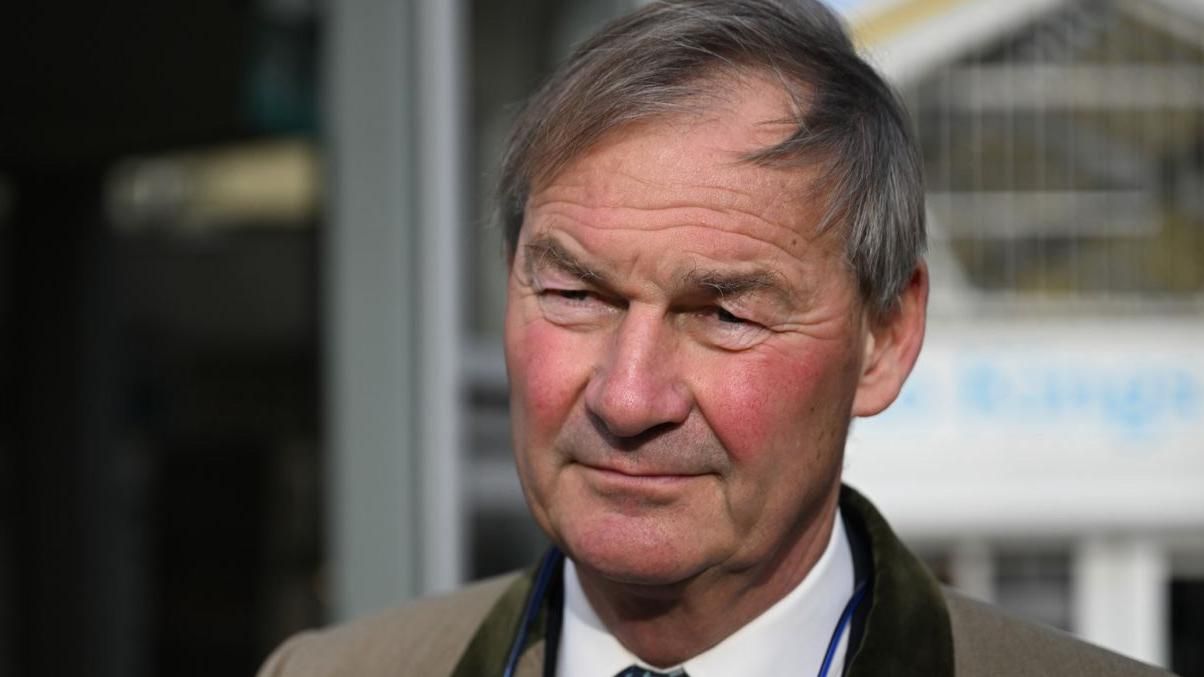
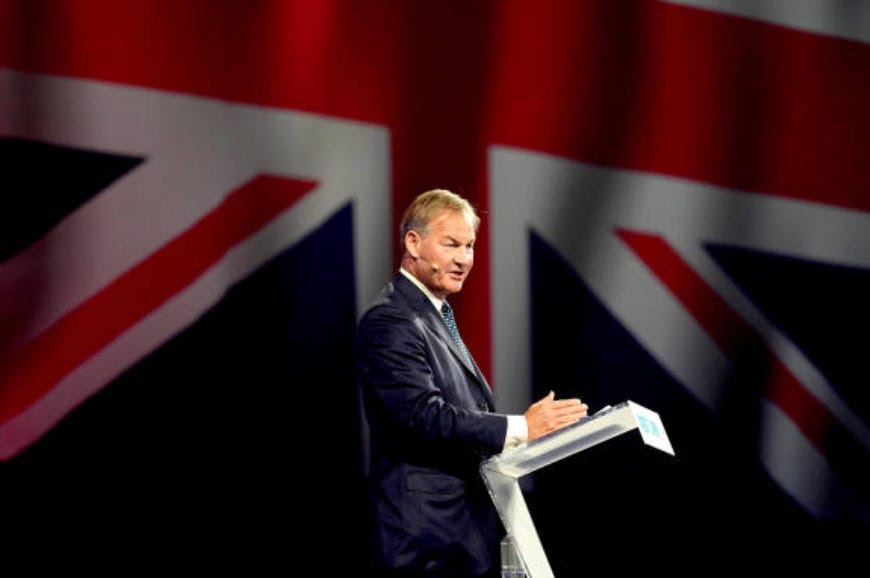
With Restore Britain, Rupert Lowe is betting that bold conviction, not cautious centrism is the path to political and national renewal.
“I’m not going to tell you comforting lies about the condition of our country. I have only been honest with the British people, and I will be straight with you now. What is necessary will be incredibly painful, but for the first time, in a very long time, voters will have a genuine alternative that is truthful” – Rupert Lowe
An Anti-Establishment Valentine’s Gift to Britain
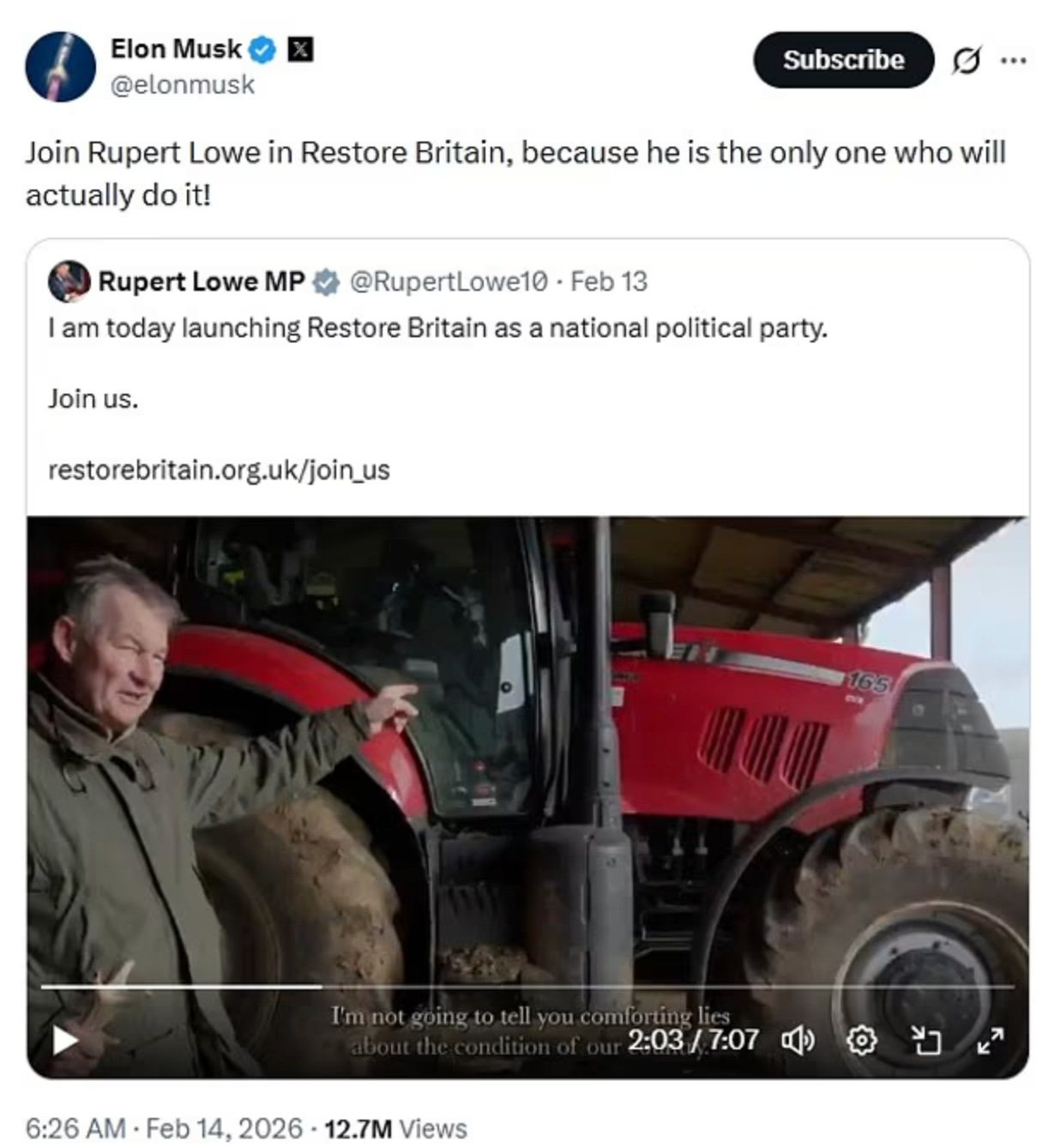
Great Yarmouth MP Rupert Lowe has given Britain an early political Valentine’s gift by formally launching Restore Britain as a national political party. Announced via a video on February 13, 2026, Lowe’s new party promises to field “hundreds of qualified candidates” across the country by the next general election.1 Lowe said he had “no other choice” but to convert Restore Britain from a grassroots movement into a standalone party, after concluding that the existing political options were failing the nation.2 This dramatic move, backed by tech billionaire Elon Musk has electrified Britain’s populist right. Musk, who had signalled a desire for “a credible party to the right of Reform”, urged citizens to “join” Lowe’s cause, calling him “the only one who will actually do it”.3 Such high-profile support underscores the sense that Restore Britain could be the real deal that disenchanted conservative voters have been waiting for.
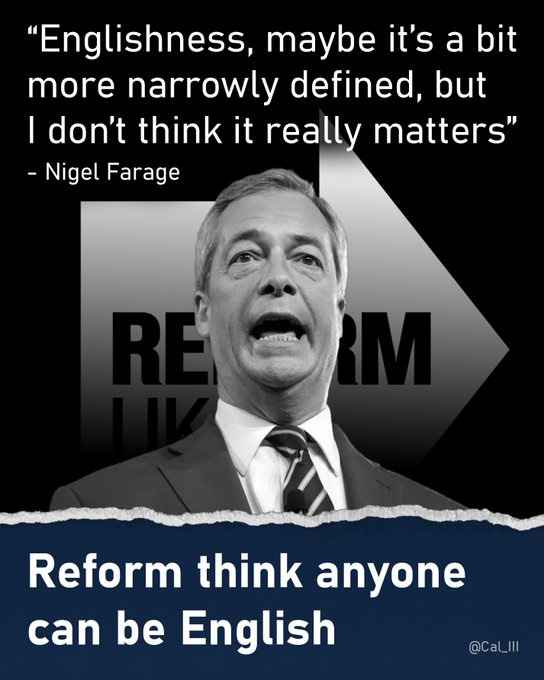
Lowe’s launch comes amid deep frustration with the status quo in right-wing politics. Many grassroots patriots feel rightfully betrayed by Reform UK, Nigel Farage’s party, which despite strong polling has drifted towards safer centrist positions. By contrast, Lowe is positioning Restore Britain as an unapologetically anti-establishment force willing to tackle issues others won’t. “Britons never voted for multiculturalism and mass immigration,” declares Restore Britain’s Campaigns Director Charlie Downes, vowing that the new party will finally crack down on those concerns.4 In short, Restore Britain is billing itself as the authentic voice of the UK’s forgotten majority, a “patriotic, Christian” answer to a political class that Lowe says has ignored the people for too long.
From Reform UK to Restore Britain: Why Lowe Broke Away
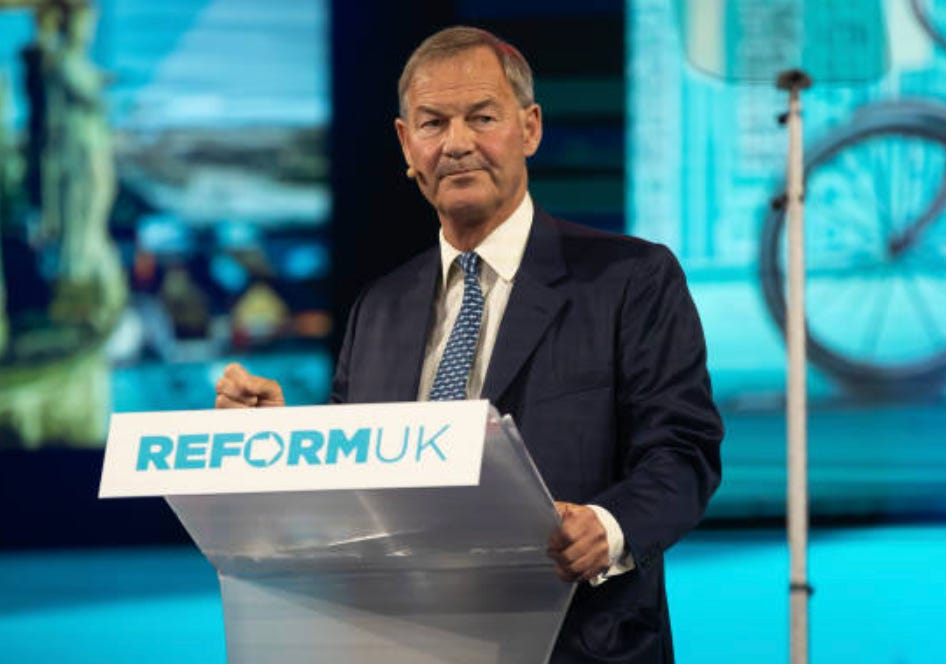
Rupert Lowe’s journey to this point has been anything but smooth. A former Reform UK MP, Lowe was elected to Parliament in 2024 under Nigel Farage’s banner.5 However, by March 2025 an explosive falling-out with Farage and Reform’s leadership saw Lowe suspended and later expelled from the party.6 The Reform hierarchy accused him of “bullying” and even “verbal threats” against the party’s chairman, Zia Yusuf.7 Lowe vehemently denied these “vexatious” allegations, calling them a “brutal smear campaign” engineered to silence him.8 In fact, leaked messages revealed Farage was furious that Lowe had criticized Reform’s lack of direction, Lowe had quipped in a Daily Mail interview that Reform was just a “protest party” led by “the Messiah” (a jab at Farage’s quasi-presidential style).9 Farage blasted Lowe’s comments as “disgusting” and “damaging the party just before elections”, and within days Reform UK referred its own MP to the police. The Metropolitan Police even investigated Lowe for an alleged “series of verbal threats”, an extraordinary turn of events which Lowe suggests was retaliation for his dissent.10 (Notably, prosecutors later declined to bring any charges against him, lending credence to Lowe’s claim that the incident was politically motivated.)
This bitter split with Reform UK set the stage for Lowe’s new venture. “I was expelled for speaking honestly,” Lowe has essentially argued, pointing out that he had simply demanded Reform present a “proper plan”, a credible policy platform, and a succession strategy beyond Farage’s “messianic” one-man show.11 When Reform’s leadership instead chose to purge internal critics like Lowe in favour of Farage loyalists, it sent a clear message.12 According to Lowe and his allies, Reform UK was abandoning its anti-establishment roots and silencing the very voices that built its support. “Reform decided to ostracise their erstwhile supporters in order to chase the center-ground vote,” Lowe observed, a strategy he believes is not only cynical but also failing, as evidenced by Reform’s stagnation in the polls and hemorrhaging of some core support.
Indeed, Reform UK’s recent behaviour has drawn sharp critique from the right. The party proudly welcomed a string of Tory defectors, including even figures from Boris Johnson’s era associated with lockdowns and woke legislation, thereby playing Ship of Theseus with the Conservative Party. While Reform’s leadership touted big-name recruits like Suella Braverman or Lee Anderson, many grassroots supporters saw this influx of “failed ministers…tainted by failures of the past” as a betrayal of Reform’s anti-establishment image.13 Lowe has been particularly scathing of Reform UK’s embrace of such retreads. In his launch video for Restore Britain, he pointedly vowed that his party “will not include failed ministers” or anyone “tainted by the past,” a direct swipe at the ex-Conservative MPs now populating Reform’s ranks. Reform UK had begun to look like Tory-lite, more interested in recycled career politicians than in real political outsiders. “They’re behaving as if they’ve already got it in the bag,” said Restore’s Charlie Downes, accusing Reform of complacency and of inching toward the political centre.14 In Downes’ view, “Reform actually do believe in the system as it is… the Blairite system of government… They just think it’s being run badly. We say no – this system was never legitimate. The British people never voted for multiculturalism and mass immigration… these things have to bereversed, and an older Britain has to be restored”.15
It was against this backdrop that Lowe quietly formed Restore Britain in mid-2025 as a cross-party pressure group. If Reform UK was unwilling to truly rock the boat, Lowe would build his own boat. Restore Britain began championing issues that the political establishment, including Reform was too timid to confront. Most prominently, when Nigel Farage announced (then shelved) an inquiry into the notorious grooming gangs scandal, Lowe took up the cause himself. He crowdfunded £600,000 and launched an independent rape gangs inquiry through Restore Britain, saying it had to be done “because the political system itself would not act”.16 That inquiry, now completed, uncovered “unbelievable evil…that will make your head spin” in its findings, according to Downes.17 For Lowe, this was proof that only an uncompromised outsider movement would address Britain’s gravest injustices without fear or favour. “Restore Britain exists because Reform didn’t follow through,” Lowe argues, a theme that resonates with many on the right who feel let down by Farage’s outfit.
A Hardline Platform to “Restore” Nationhood and Culture
With Restore Britain now a full-fledged party, Rupert Lowe is offering a bold, hardline platform that he believes can “restore competence, confidence and national purpose” to the country. The party’s manifesto is uncompromising on issues of sovereignty, immigration, and cultural identity, making Reform UK’s policies look timid by comparison. Key planks of Restore Britain’s agenda include:
Zero-Tolerance Immigration Control: Lowe’s party advocates the strictest stance on immigration seen in modern British politics. “If you are living in the country illegally, you will be detained and deported,” Lowe declared flatly. Restore Britain pledges to “abolish the entire asylum system” outright, no more asylum claims at all. All illegal entrants would be rounded up and removed “without compensation, without delay, without apology”. But the plan doesn’t stop at illegal migration. Restore Britain aspires to reverse mass immigration in total. “Net-zero immigration is weak… For the foreseeable future, far more people must leave Britain than arrive,” Lowe says, arguing that “the barbarians are already inside the gates” and only drastic action can save British society. In practice, Lowe’s policy would shut down entire visa routes from countries that have sent large numbers of criminals or illegal migrants. “We say those living here illegally, about two million people,must go,” confirms Charlie Downes. Furthermore, Restore Britain is willing to go where Reform UK has not: it openly contemplates denaturalising and expelling even some legal immigrants who undermine the nation. “If they hold a British passport but don’t integrate, don’t speak our language, commit crimes, or are a net burden on the taxpayer, then they need to leave. It’s that simple,” Downes explained in an interview. This unapologetic approach, essentially repatriation for those “not conducive to the public good” marks a sharp break from the inclusive civic nationalism preached by mainstream parties. Lowe’s view is that Britain never consented to becoming a multiethnic “global bus station,” and so a historic reversal of immigration trends is both justified and necessary.
Welfare and Social Services for Britons Only: Hand-in-hand with its immigration stance, Restore Britain promises to restructure the welfare state to put British citizens first and end perceived abuses. “If you can work, you must work,” the party’s prospectus reads, no more lifetime dependency. Crucially, Lowe pledges to bar all foreign nationals from accessing UK social benefits. “Every single foreign national living in Britain… will lose access to Universal Credit, social housing, disability benefits – everything. If you are a guest in our country, you will support yourself. If you cannot, you must leave,” the policy states bluntly. Such measures, while sure to court controversy, are both a cost-saving tactic and a reassertion of national responsibility: scarce resources should go to the British people. For native Britons who are genuinely unable to work, Lowe emphasises the state will still uphold its “moral duty” to protect them. But for the able-bodied, the message is clear, no more something-for-nothing. Restore Britain would require work or training in exchange for benefits, and those who “repeatedly refuse to engage” would “lose [their] benefits”. This tough-love approach echoes the party’s traditionalist belief in personal responsibility and echoes the old Thatcherite ethos of rewarding hard work over handouts.
Law, Culture, and Identity, Britain as a Christian Nation: Perhaps the most striking aspects of Restore Britain’s platform lie in the cultural realm. Lowe unabashedly asserts that Britain’s heritage is Christian and must remain so. His party casts itself as guardian of Britain’s cultural cohesion, promising to “end the creeping Islamification of Britain” and to restore an older, confident British identity. To that end, Restore Britain says it will “uphold one legal system” with “no parallel justice, no religious exceptions”. In practical terms, this means outlawing any foreign or religious practices deemed incompatible with British norms. For example, Lowe has pledged that halal and kosher animal slaughter will be banned on British soil on Day One of a Restore government. “In Britain, we treat our animals with care… if you don’t like it, go live somewhere else,” Lowe has said, reflecting a view that British values (in this case, regarding humane slaughter) should trump multicultural accommodations. Likewise, Restore Britain would ban the burqa in public and make Sharia courts illegal. Cousin marriage and other practices linked with sharia-based communities are also targeted for prohibition in Lowe’s agenda (a stance aimed at protecting public health and social integration). These policies amount to a dramatic reassertion of assimilation: Britain, in Lowe’s words, “is not simply an economic zone… It is a nation, a people, a home –ourhome”. Immigrants and minorities would be expected to conform to British customs, full stop. Restore Britain’s cultural platform also includes reviving pride in traditional institutions, even down to “restoring the British pub” as a community hub and scrapping the “diversity, equity & inclusion” bureaucracy that Lowe says “disadvantages straight white young [men] in our own country”. In Lowe’s view, identity matters: a government cannot effectively serve an array of disparate communities with clashing values. Thus, he openly identifies his political constituency as “the native forgotten majority of these isles”, i.e. Britain’s historic Anglo-Christian population and intends to govern in their interest first. This frank majoritarian stance is virtually taboo among establishment politicians, but Lowe believes it’s essential for honest and effective governance. “The pre-political ‘we’, as Roger Scruton described – you have to pick your constituency,” Lowe argues. And in his eyes, British politics should once again put the British people (in the traditional sense) first.
Economic Nationalism and Pro-Worker Policies: While culture and immigration dominate Restore Britain’s messaging, the party also espouses robust economic policies aimed at reenergising the nation. Lowe, a successful businessman and former chairman of Southampton FC, brings a decidedly small-government conservative approach to the economy. He rails that Britain “punishes effort, punishes risk… punishes productivity” with high taxes and red tape. To fix this, Restore Britain would slash taxes and regulations to unleash growth. Lowe promises to “burn down the regulatory frameworks that crush small businesses,” scrap onerous rules like IR35, and “double the VAT threshold” for small firms. Tax-wise, the party vows to cut income tax, corporation tax, VAT and more, “thresholds must rise, tax must fall”. These pro-enterprise moves echo classic Thatcherite or even libertarian-conservative ideas (Restore Britain has been described as blending British nationalism with libertarian conservatism). But unlike globalist free-marketeers, Lowe weds his economic liberalism with a patriotic twist: he emphasises backing British farmers, manufacturers, and energy producers. The goal is a revival of national self-reliance, “reindustrialisation of Britain” and domestic energy security, for example, so that Britain isn’t beholden to foreign supply chains. Lowe’s own farming background clearly informs policies like cutting the bureaucracy that farmers face and promoting local agriculture. Culturally, he ties economic revival to family and community revival. Restore Britain says it will fight to make single-income families viable again, so that one parent can afford to raise children (in part by reducing tax burdens and housing costs). Rather than pushing more state-funded daycare, Lowe’s focus is on reshaping incentives so that traditional family structures can flourish without financial ruin. It’s a vision of a strong, self-sufficient Britain where government gets out of the way of industrious citizens, yet boldly intervenes to defend the nation’s cohesion and interests.
Taken together, Restore Britain’s platform represents one of the most hard-edged right-wing manifestos in recent UK memory. Critics, unsurprisingly, label it “far-right”, but Lowe’s supporters see it as common-sense patriotism. They argue that after decades of broken borders, political correctness, and elite mismanagement, only a radical course correction can “restore” the country they love. “Britain has slowly lost confidence in itself as a nation,” Lowe laments, but he insists that by telling hard truths and embracing bold solutions, that confidence can be rebuilt. “Britain is our country, our people, our home… it’s our collective responsibility to restore it,” he proclaimed in his launch address. Restore Britain is not promising a quick or easy fix , “This is no miracle cure… it will require discipline, courage, and honesty about the task ahead,” Lowe warns. However, he argues that the British public is hungry for exactly that honesty and backbone from their leaders. In an era of soundbite politicians and focus-grouped platitudes, Lowe’s blunt authenticity may well be his greatest asset.
Unity on the Right and a “British Cincinnatus”
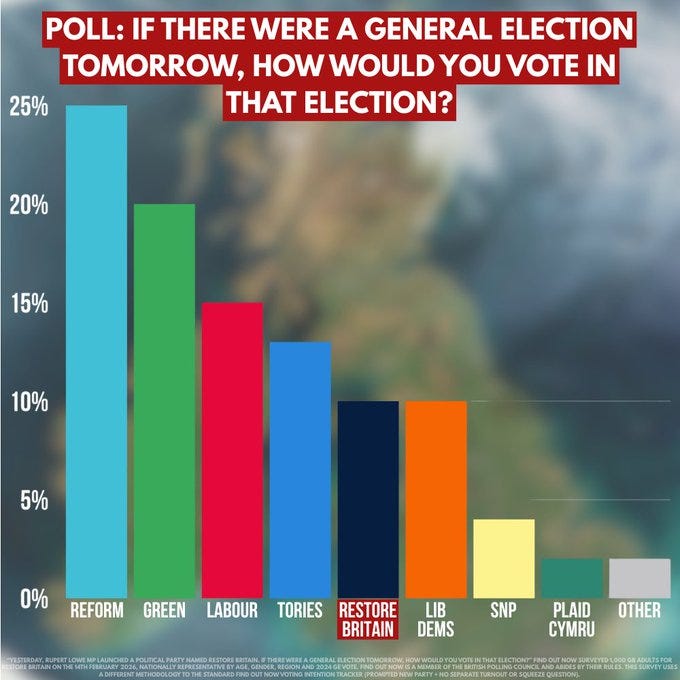
Despite being just days old as a party, Restore Britain is already generating significant momentum. Polls taken immediately after Lowe’s announcement reportedly showed Restore Britain around 10% support nationally, an impressive debut for a new party, suggesting it siphoned off a chunk of Reform UK’s base. More telling is the cascade of endorsements and interest from across the right-wing spectrum: Ben Habib and Advance UK: The leader of the breakaway party Advance UK, Ben Habib (himself a former Reform UK figure), enthusiastically welcomed Lowe’s move. Habib declared he was “utterly delighted Rupert Lowe decided to convert Restore Britain (of which I am already a member) into a political party”. He announced plans to merge Advance UK into Restore Britain in the near future. This is a crucial development: rather than splitting the right-wing vote, Lowe’s initiative may actually unify it. Advance UK’s membership (reportedly around 40,000) and any other small patriotic parties are now being encouraged to fold into Restore Britain, consolidating forces against the establishment. “This is what we need – patriots united. Let’s get this done,” Habib wrote to his supporters, signalling that egos and separate brands should be set aside for the greater cause of national renewal. Lowe has extended invitations to “patriots from Reform, the Conservatives, Advance, the SDP and more” to join him. If this unity holds, Restore Britain could become the singular rallying vehicle for Britain’s populist right.
Interestingly, Lowe’s project has also served as a “sorting mechanism” (to quote one supporter) to filter out half-hearted allies. Two senior Conservatives, Susan Hall and Sir Gavin Williamson, had been involved on Restore Britain’s advisory board during its pressure-group phase. But as soon as Lowe turned Restore into an official party, both Hall and Williamson indicated they would be stepping away. They apparently prefer to remain within the Conservative Party rather than join a new insurgent force. Lowe’s backers actually celebrate this outcome. In their eyes, anyone unwilling to break from the failed establishment doesn’t belong in Restore Britain anyway. “It’s ideal – a kind of purification,” quipped one commentator: the “failed ministers of the past” fell away on their own.18 That leaves Restore Britain free to elevate new voices and competent outsiders untainted by previous governments’ failures. Lowe has promised to field candidates who “have succeeded in their own fields”, businesspeople, workers, community leaders rather than career politicians. This outsider ethos is central to Restore’s appeal.
As noted, the world’s richest man, Elon Musk, has effectively endorsed Restore Britain. Musk had intermittently signalled support for various UK right-wing efforts, at one point he even called Farage “weak sauce” and boosted Ben Habib’s Advance UK. But now Musk appears to have found his champion in Rupert Lowe. In response to Lowe’s party launch, Musk tweeted “Join him, he’s the only one who will actually do it” a remarkable vote of confidence. Musk’s backing not only raises Restore Britain’s profile, but also lends credibility to Lowe’s claim that he can attract talent and resources. If a “pissed-off native breakaway elite” of billionaires and influencers begins to coalesce around Lowe (as some observers predict), Restore Britain could soon command serious funding and media influence. Already, the party’s hardline messages have been amplified in certain international circles. For instance, commentator Michaela Peterson (daughter of Jordan Peterson) praised Lowe’s initiative as “vitally important”, despite her prior alignment with the more establishment-friendly Ark/Legatum crowd that favoured Farage. Such signals hint that even within right-wing intelligentsia, Lowe is now impossible to ignore.
Along with Musk, other prominent figures have flirted with supporting Restore Britain. One noteworthy example is entrepreneur Duncan Bannatyne, a millionaire best known from TV’s Dragons’ Den. Bannatyne recently echoed Lowe’s concerns about mass immigration, agreeing with billionaire Jim Ratcliffe’s statement that “Britain has been colonised by immigrants”. Upon Lowe’s announcement, Bannatyne publicly congratulated him and suggested they “chat sometime soon,” hinting at possible involvement. Additionally, media personality Jeremy Clarkson, himself a farmer, has shown disillusionment with Reform UK’s credibility and might be more inclined to back a fellow country gentleman like Lowe. (Clarkson wrote that Reform was promising a fantasy of returning to “an Enid Blyton novel” without a real plan or trustworthy people.) With Lowe actually living the rural, no-nonsense lifestyle, he runs a farm and speaks plainly, unlike some career politicians who merely don a Barbour jacket for photo-ops, supporters jokingly call him “the genuine article”. It’s an image Lowe embraces. His launch video was filmed on his farm, projecting the aura of a British Cincinnatus, the citizen-farmer stepping up to lead in times of crisis. This authenticity, fans say, is priceless. “People want honesty and credibility, not politicians promising the earth,” Lowe emphasises, vowing never to become another out-of-touch Westminster insider.
In just a short time, Lowe’s Restore Britain has thus managed to both rally grassroots enthusiasm and prompt realignments among right-wing leaders. Far from simply splitting the vote in a destructive way, Lowe’s entry may force a healthy shake-up. Reform UK, which currently leads the opposition polls, is now under pressure to sharpen its game or lose its base to Restore. As one GB News host pressed, could Lowe end up undermining Reform and handing victory to the left? Lowe’s camp is unconcerned. They argue that Reform UK’s poll lead was always a mile wide and an inch deep, a default for lack of alternatives. “Reform has polled well purely because British people had no other option… up until yesterday,” Charlie Downes noted. Now that a potentially more authentic option exists, Reform’s support could evaporate unless it fundamentally changes course, which seems unlikely under Farage’s ego. In any case, Lowe has indicated he is open to coordination on the right to avoid catastrophic vote-splitting in first-past-the-post races. (For example, he might focus Restore’s efforts in certain regions while ceding others to friendly candidates, ensuring the maximum anti-establishment representation in Parliament.) The end goal, Lowe stresses, is not personal power but to “deliver a better Britain”. If Reform UK were somehow to form the next government, Lowe says he would still want patriotic voices on the inside pushing them to be bolder. But given Reform’s perceived drift, he clearly believes Britain deserves a stronger alternative hence “the crown had to be picked up from the gutter,” as some supporters describe Lowe’s action in seizing the moment.
A New Hope for Britain’s Future
Rupert Lowe’s launch of Restore Britain marks a defining moment for Britain’s conservative-populist movement. It represents both a rebellion and a renaissance on the right: a rebellion against the compromises and complacency of Nigel Farage’s Reform UK, and a potential renaissance of genuine patriot politics grounded in nation, family, and faith. Lowe has effectively thrown down the gauntlet, proclaiming himself “the de facto leader of the British right” and challenging voters to “restore” a country that he sees sliding into decay.
His message is resonating with a broad swath of ordinary citizens who feel voiceless, from rural farmers and working-class lads to disillusioned Tory voters and UKIP veterans. These are people who, in Lowe’s words, “sustain by habit and custom the culture of our isles,” yet have been marginalised by a globalist elite. Now, at last, they have a champion who speaks their language and isn’t afraid of the inevitable backlash from the media or the left. Restore Britain’s rise also indicates a maturing of the populist right. After years of false starts and personality-driven vehicles, there is a recognition that unity and seriousness are required. The fact that Lowe has attracted support from free-speech billionaires, local councillors, and online influencers alike is a testament to his broad appeal as a straight-talking, results-oriented leader.
Of course, immense challenges lie ahead. Restore Britain will face relentless attacks from the media, legal challenges to its more controversial proposals, and the steep hurdle of the electoral system. Yet Lowe’s team seems undaunted, even optimistic. They argue that public sentiment is on their side, that millions of Britons quietly agree with ideas once deemed “untouchable” like mass deportations, banning the burqa, or scrapping woke quotas and only need a credible vehicle to express that at the ballot box. With Restore Britain, that vehicle now exists. As Lowe himself said: “I am not pessimistic about Britain… This country still has the best people on this planet… What it lacks is leadership prepared to act for the long term and tell the brutal truth”. In Rupert Lowe, many believe, that leadership has finally arrived.
For Britain’s sake, one hopes they are right. Restore Britain offers a daring vision to make the nation sovereign, safe, and proud once again, a vision no other major party is willing to fully embrace. It’s a gamble on the enduring strength of the British spirit. As Lowe signs off in his speeches: “Britain is our home. And it is now our collective responsibility to restore it.” The fight for that restoration has only just begun, but an army of patriots is rallying behind Rupert Lowe and they intend to take their country back.