
Dark Woke, Rage Rooms, and the Blinding Narcissism of Online Tribalism
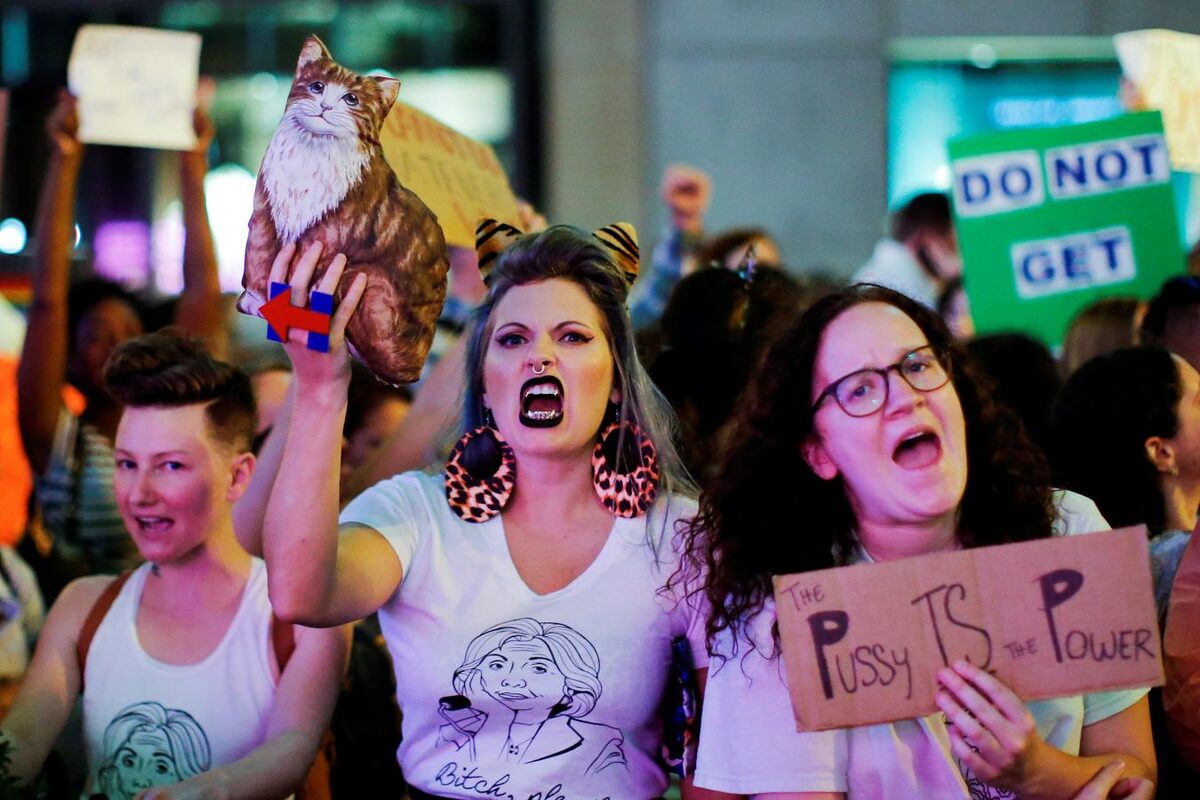
The term “Dark Woke” is emerging as a harsher, more insidious evolution of its unmodified predecessor. Dark Woke is used to describe a combative, politically incorrect strain of the left, often seen as co-opting the right’s more vitriolic elements of online culture. One example might be Gavin Newsom’s meme warfare with Donald Trump.
Although Dark Woke was once limited to social media, it has unfortunately moved to the streets, this time led not by Antifa or West Coast students, but by millennial soccer moms in the Midwest. As these new tactics take root on the left, what begins as online outrage quickly spills over into real-world activism, sometimes with startling intensity and tragic consequences.
Take what happened in Minneapolis and Chicago, where increasingly militant confrontations, including protests and direct actions against federal agencies like ICE, erupted in the wake of high-profile deaths caused by federal agents. The fatal shooting of Renée Good in Minneapolis sparked a wave of white women joining the Dark Woke militia. With ICE active in the Midwest, anti-ICE protestors—many of them women—are leading street blockades and attempting to intervene in arrests, sometimes resulting in riots and arrests for federal conspiracy charges. In Chicago, 14 self-described “suburban moms” were detained outside the Broadview ICE facility. A week later, nine women were arrested blocking the same center.
A recent Cygnal poll found that 24 percent of Americans think it’s acceptable to break the law, even with violence, to stop federal immigration enforcement. Nearly 70 percent of Americans and about 80 percent of Republicans oppose such tactics, but support jumps to 61 percent among white liberal women aged 18 to 44—the most supportive demographic for these actions.
Why are white liberal women from affluent backgrounds willing to man the ramparts and put their lives on the line to protect illegal immigrants, some of whom are rapists and murderers, from deportation? There are many possible answers: a self-perceived need to oppose injustice, or to have a sense of agency, community, purpose, or even an antidote to loneliness. All are plausible explanations considering the average progressive’s mindset is like layers of onion skin. But I believe there is a simple answer.
Over the past decade, Gallup World Poll data show that women globally have become 6 percentage points angrier than men. Forget the gender wage gap—there’s now a gender rage gap. Thomas Sowell may have been right: not all disparities come from discrimination. Women are mad as hell, and they aren’t going to take it anymore. This surge in reported anger hasn’t gone unnoticed—in fact, it’s now being actively commodified through the growing popularity of “rage rooms.”
A rage room is a place for women to vent pent-up anger. When a middle-aged liberal woman is denied the chance to speak with a manager or is mansplained to, she can simply pay to smash items in a padded, soundproofed room. Just book a slot, grab a sledgehammer, and let off steam. It’s a commercialized catharsis that’s cheaper than therapy, or a divorce lawyer. Capitalism at its finest.
Rage rooms are typically filled with junk, such as old TVs, furniture, and mirrors. In today’s hyper-partisan climate, some now offer custom options. At one Halifax location, customers can smash political ephemera, including images of Donald Trump, JD Vance, and Elon Musk. One girl, after smashing a portrait of Trump with a gold club, told CTV News he is “not a very smart man.”
Since 2022, the U.S. rage room market has grown by nearly 50 percent, with projected revenue increasing from $44 million to $65 million by 2026. There are about 750 rooms nationwide, mostly in California. Interest is also soaring in the UK, where bookings at one Karen therapy center have risen 150 percent in a year, where 90 percent of the clients are women. As one woman told The Times of London, “I think more women than men are booking because we’re angrier.” But the rise of rage rooms is just one symptom of a deeper cultural shift—one fueled by social media, increasing narcissism, and the relentless pursuit of personal validation.
Social media is filled with videos of women upset that men aren’t approaching them, reflecting a broader cultural trend. As The New York Times asked in “Men, Where Have You Gone?”, many men today are simply withdrawing from dating and relationships.
Notably, this divergence between men and women appears to have begun in 2017 when #MeToo went mainstream. Years of feminist narratives, anxiety over toxic masculinity, and fear of the “male gaze” have fostered a climate where even awkward interactions seem predatory. This feminized reign of terror has reframed awkward or timid attempts by young men to talk to girls as evidence of rape culture. Now, one in four American men under 30 thinks asking a woman out for a drink could be considered sexual harassment.
In the end, don’t let the noise seduce you into believing rage is virtue. Instead of storming a church, attend a service. Drive to your son’s ballgame instead of tailing ICE vehicles or interposing between law enforcement trying to arrest alleged pedophiles—let agents do their jobs. If you really need to vent, however, you might try the RAGEher event in Chicago on March 14, which offers “women and nonbinary people the space to channel their rage.”
As long as anger, misery, and loneliness—traits pervasive on the left—persist among white liberal women, dark woke culture will endure. Fueled by online tribalism, it shows no sign of fading. In the words of Joseph Henrich: ideology doesn’t just bind; it blinds.