
War in Aisle Seven
Everything starts with a barrel
America launched its biggest war in twenty years on the advice of two real estate guys and a former Fox News host.
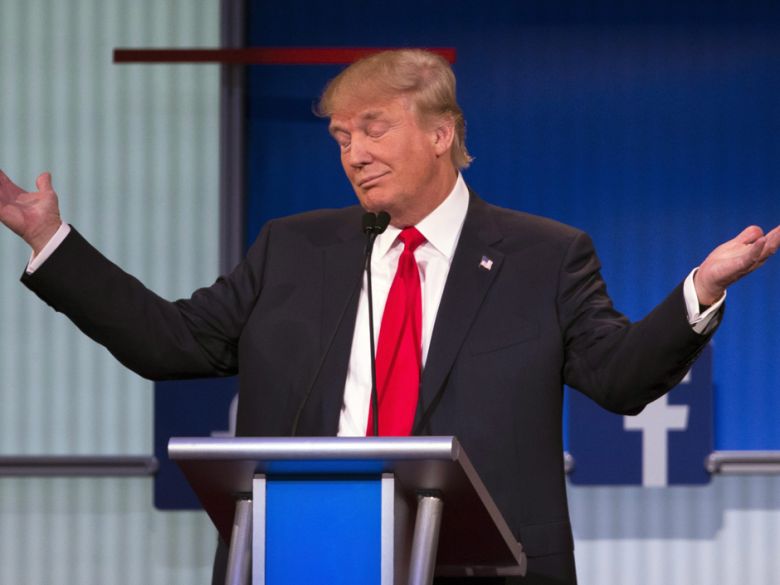
Today, one of the real estate guys got thrown under the bus. Trump told reporters the war was based on what Jared Kushner told him – that Iran was about to attack “us, all of the Middle East and us”.
Nobody in any intelligence agency ever assessed this. No military body claimed it. It was real estate due diligence applied to geopolitics, and the closing costs are measured in children.

The Wall Street Journal reported what anyone watching could already see: advisers are privately urging him to find an exit. Spiking oil prices. Political backlash. The word “catastrophic” showing up in places it shouldn’t.
Trump’s public line? “Very complete”. “Ahead of schedule”. The same man, same podium, same day: “You could say both” when asked whether the war was almost over or just beginning. “A tremendous success”.
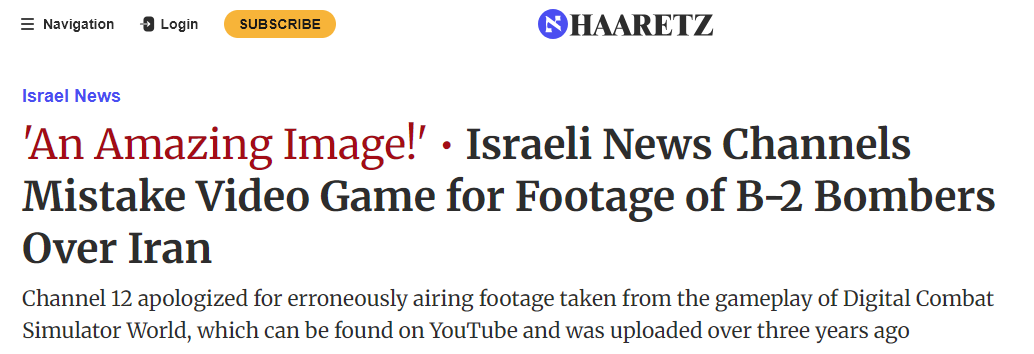
Israeli news channels broadcast video game footage and called it B-2 bombers over Iran.

Tehran is still burning. Forty killed overnight in a residential complex in the east of the city. Shiraz fuel depots hit. US jets struck Saravan Airport near the Pakistani border – the second time they’ve gone after Iran’s eastern flank, after Chabahar on day one. Hegseth called it the “most intense day of strikes”. He says that every day. The superlative has become wallpaper.
The Ayatollah is dead. Long live the Ayatollah.

The IRGC celebrated the succession with fireworks. One-ton fireworks, minimum – that’s the new policy. Wave 33 of True Promise 4 came with an announcement that should worry anyone still running the interceptor maths: from now on, no missile with a warhead weighing less than one ton will be launched. The small stuff is over. Everything inbound from this point carries the weight of a small sedan.
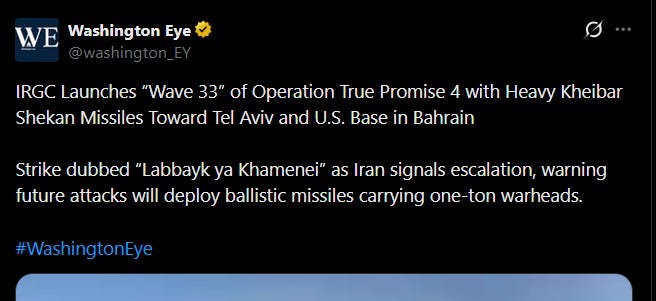
Kheibar Shekans at Tel Aviv. Kheibar Shekans at the 5th Fleet base in Bahrain. The operation was codenamed “At Your Service, O Khamenei” – the first military operation explicitly dedicated to the new Supreme Leader. The one who hasn’t appeared. Hasn’t spoken. May not be conscious. The IRGC is pledging allegiance to a ghost, and the ghost is signing the launch orders.
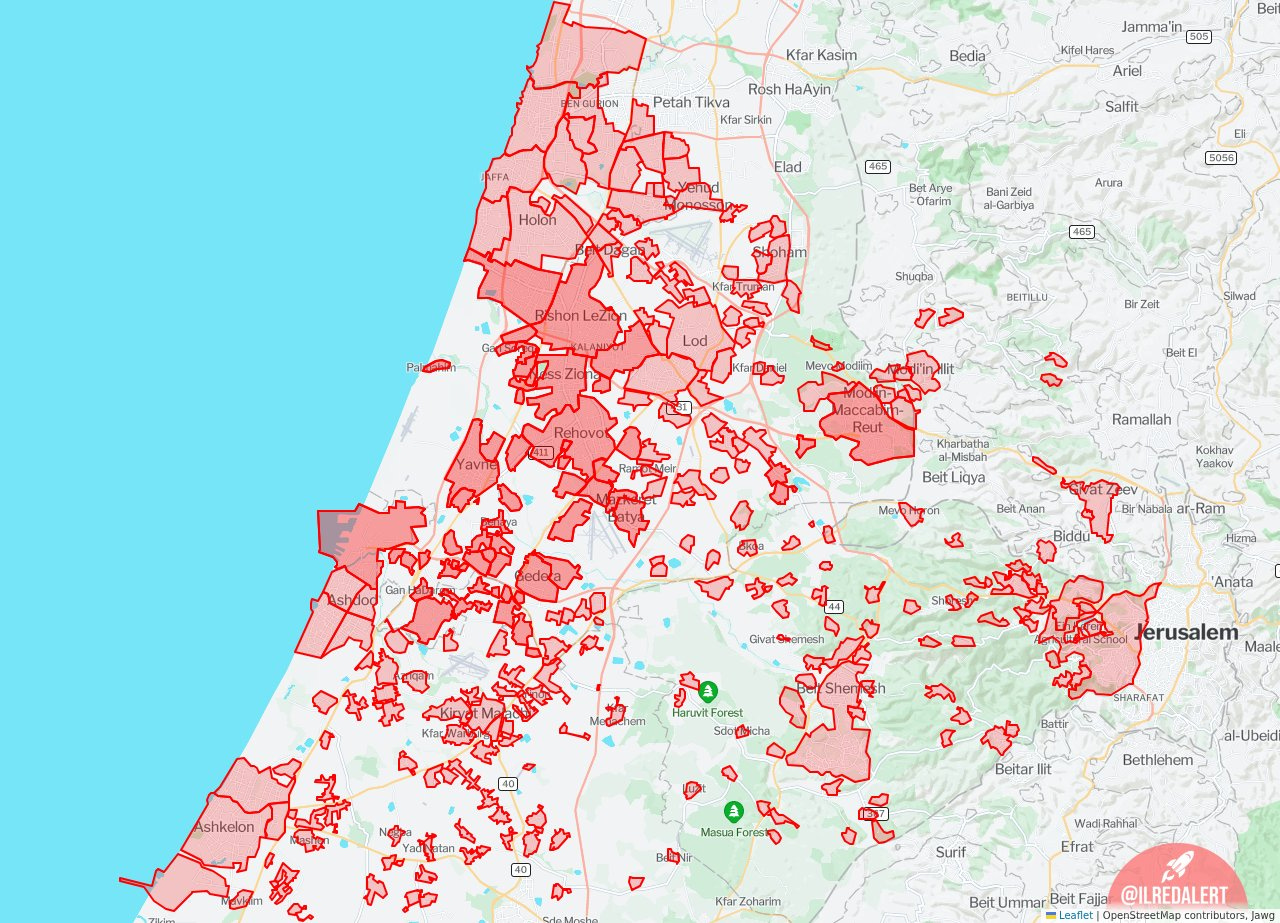
353 Hezbollah rocket alerts in a single barrage. Jerusalem, Haifa, Netanya.
The IDF tried to enter Khiam again and failed again – two more Merkavas destroyed, one burning. Hezbollah ambushed the evacuation team that came to collect the soldiers from the last failed attempt.
And Haifa’s refineries took Arash-2 drones and KS-1 hypersonic glide vehicles. One of only two refineries in Israel. Not the first time they’ve been hit. Won’t be the last. Israel lit Tehran’s oil on fire yesterday. Iran hit Haifa’s today. Infrastructure for infrastructure. Barrel for barrel.
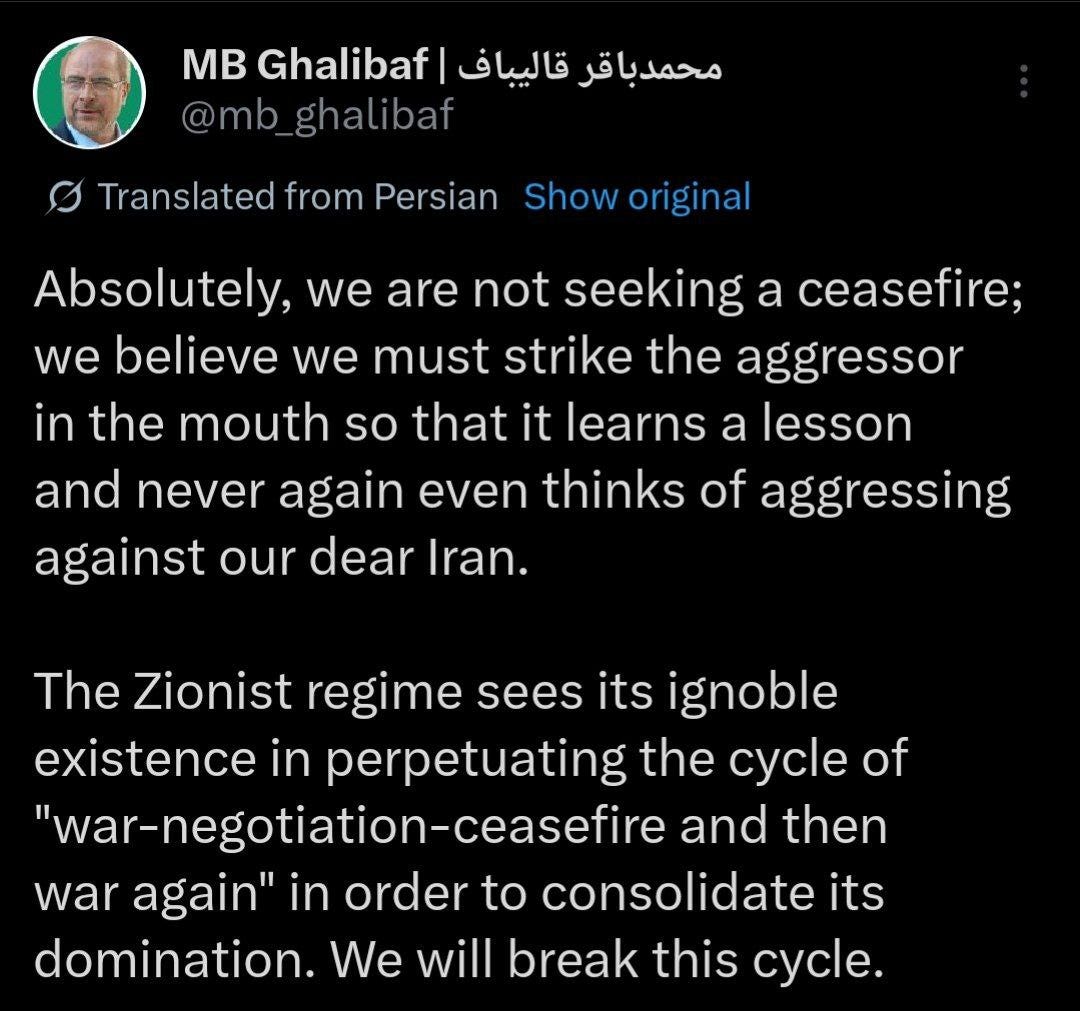
Mohammad Bagher Ghalibaf, Iran’s Parliament Speaker: “We are not seeking a ceasefire. We believe we must strike the aggressor in the mouth. We will break this cycle of war, negotiation, ceasefire, war”.
Same day the Wall Street Journal reports Trump’s people begging for an exit ramp. Same day the S&P rallied to within 2.5% of its all-time high.
The market heard “exit”. Iran said “no exit”. The market chose to believe the real estate guys. Again.
A few of you contacted me and asked me to focus more on the markets. Fair enough. That’s where I started from. Silver and gold. Right now the war is missile here, missile back. They say this, they say that. It is starting to look like an attritional grind, and one I believe the US and Israel can not win. Both sides bleed heavily, but I think Washington underestimated the tolerance for pain of the Persians. Forty-five years of sanctions will do that to a people.
The explosions capture the headlines. The frontline used to be the Gulf. Now it is aisle seven of your supermarket.
Derivatives.
Not the financial kind. The chemical kind. Although, as it turns out, both are having a very bad week.
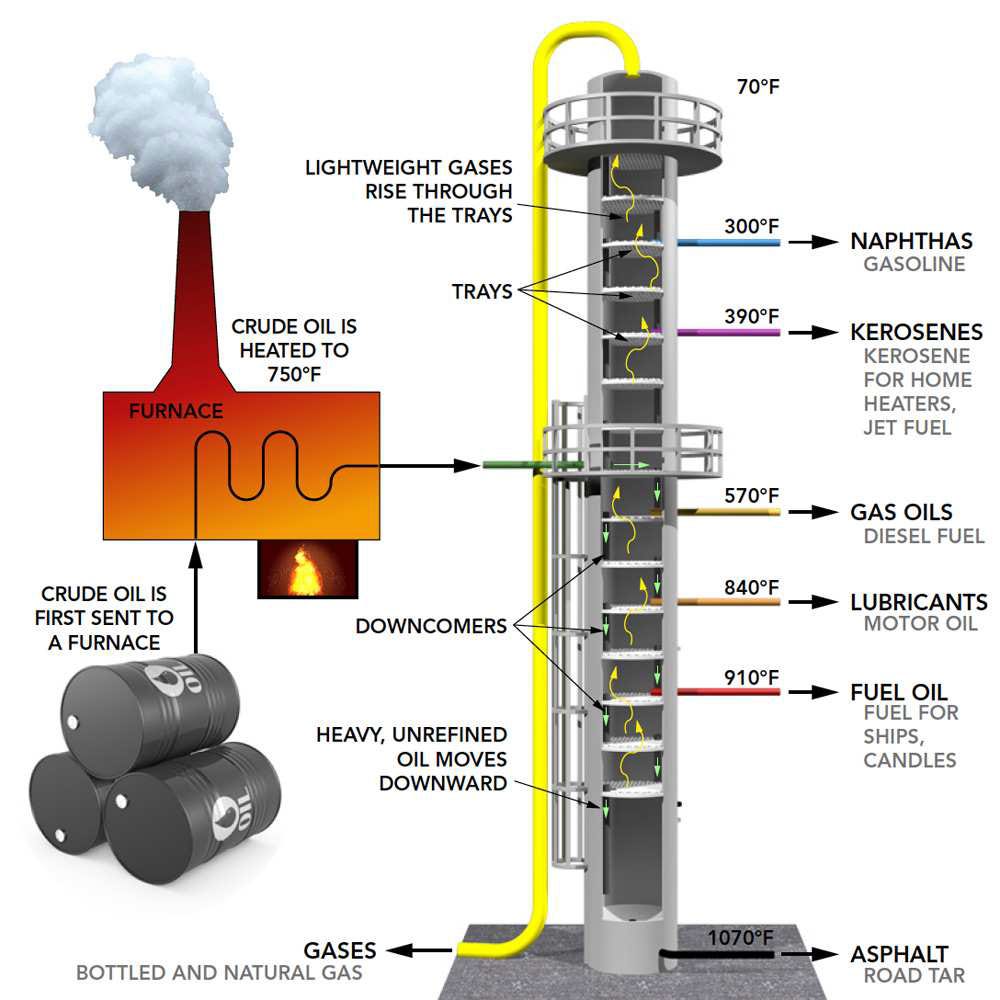
When a refinery processes crude oil, it doesn’t just make petrol. It cracks the molecules into dozens of downstream products – olefins, styrene, polyethylene, ammonia, urea. These feed into plastics, fertiliser, synthetic rubber, packaging, medical equipment, car parts, insulation, clothing.
Everything you touch started as something that came out of a barrel.
So when the barrels stop moving, everything stops with them.
Thirteen companies across seven countries declared force majeure over twelve days. Petrochemical plants. Aluminium smelters. Plastics producers. Olefin crackers. Styrene manufacturers. Taiwan’s FPCC shut olefin shipments. The Polyolefin Company stopped deliveries. QatarEnergy, Saudi Aramco, Kuwait Petroleum, BAPCO, Sumitomo – the queue gets longer every morning. Their lawyers are earning more per hour than their plants are producing.
Twelve days ago this war started in the Middle East. Now it’s a war on every supply chain that touches a barrel.
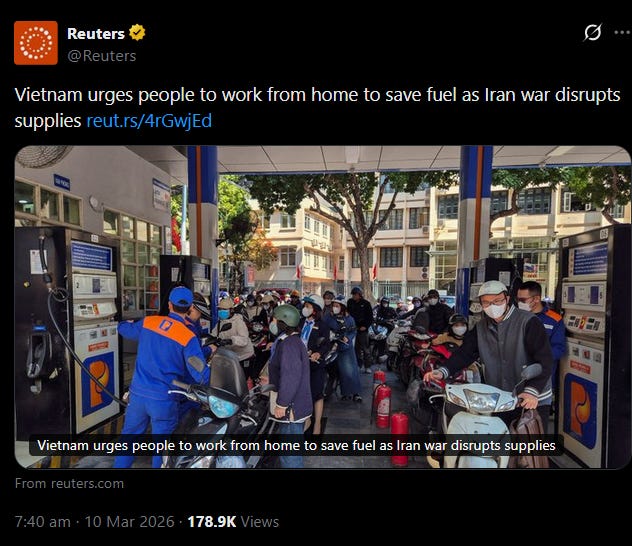
Vietnam told its citizens to work from home. Not because of a virus – they already saw that movie, didn’t like a sequel. All because of a strait, the work from the office was lost.
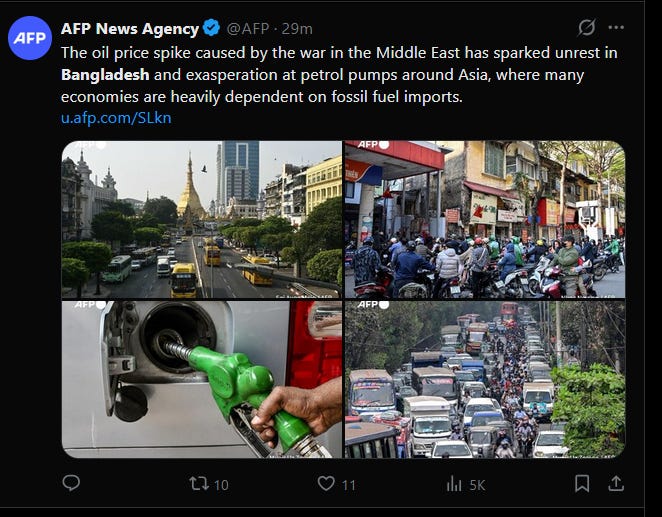
Bangladesh started rationing – limits on how much you can pump per vehicle.
India has roughly thirty days of crude left and is still exporting. Thirty days. The entire subcontinent running on fumes while the tankers sit at anchor and the diplomats sit on their hands.
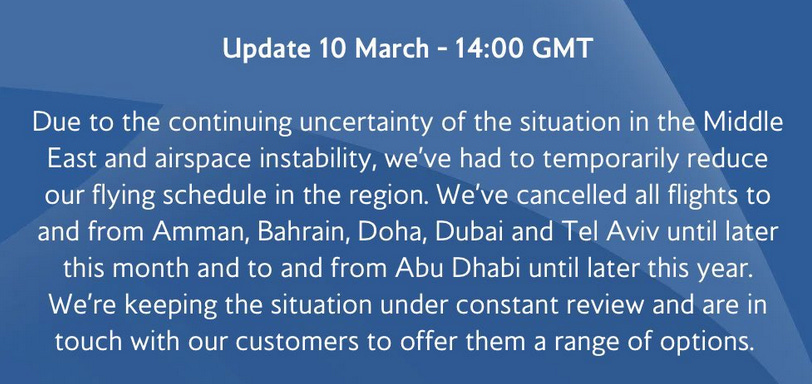
British Airways cancelled all flights to Abu Dhabi until later this year. Not next week. Not next month. The rest of the year. Over 21,000 flights cancelled across seven Gulf airports since February 28. Dubai International is running at 85% below normal capacity. The world’s busiest international hub has become the world’s most expensive car park.
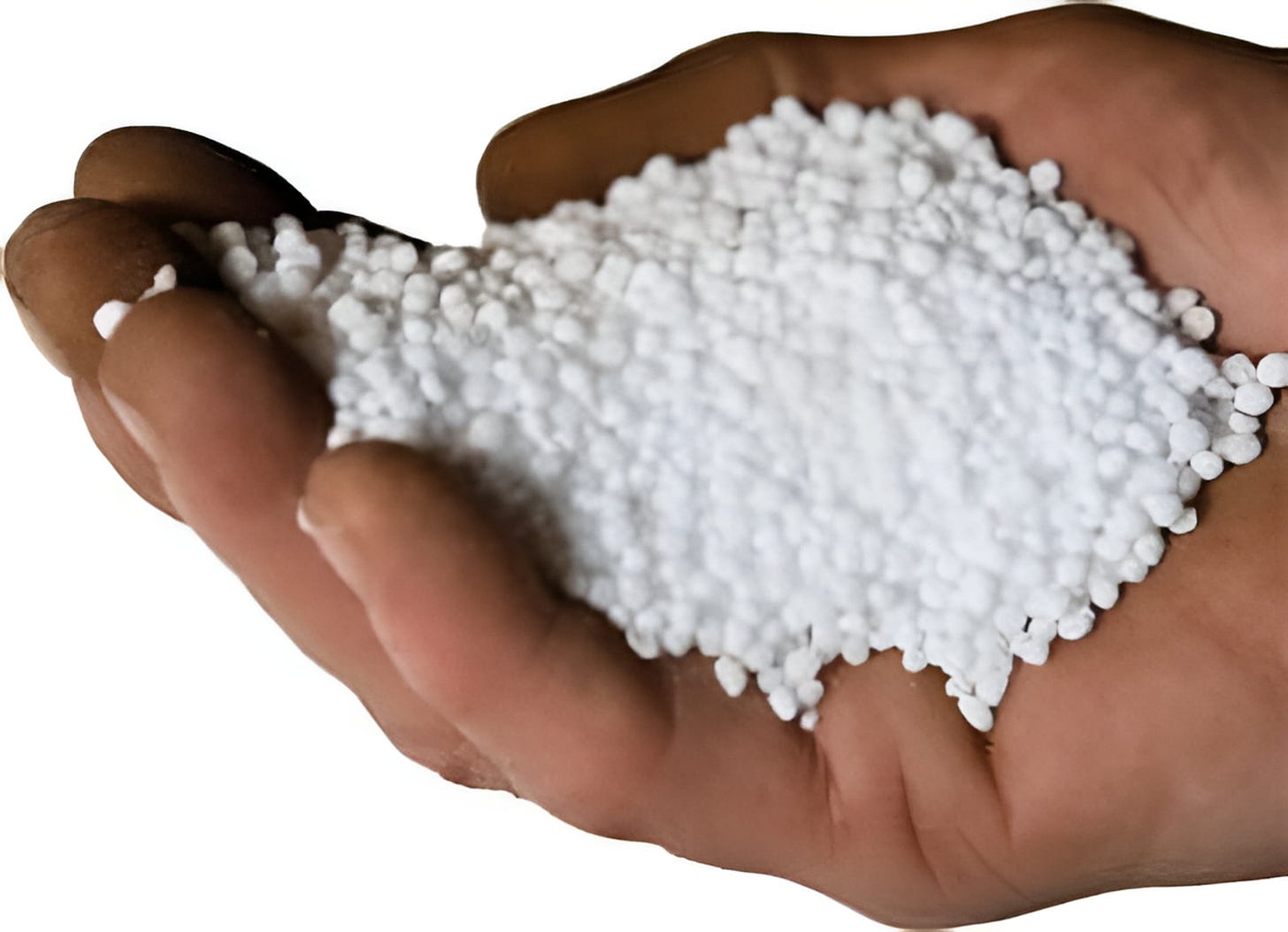
One third of the world’s fertiliser trade transits the Strait of Hormuz. The Strait is closed. Urea hit $584.50 per ton. Up 29% in eleven days. Up 52% year on year. I wrote on day six that planting season doesn’t wait for ceasefires. It still doesn’t. The crop that wasn’t planted doesn’t grow retroactively. That sentence bears repeating because nobody in Washington seems to have heard it the first time.
Coal is surging as countries scramble for fuel-switching alternatives. Synthetic rubber up 8% in a month. Gulf firms are now buying “political violence insurance coverage” – a product that had no queue three weeks ago. The actuaries have entered the theatre of war, and they’re more volatile than crude.
The supply chain didn’t just break. It dissolved. Oil turned out to be the solvent holding everything together, and someone – whose name cannot be spoken – just poured it on the ground and lit a match.
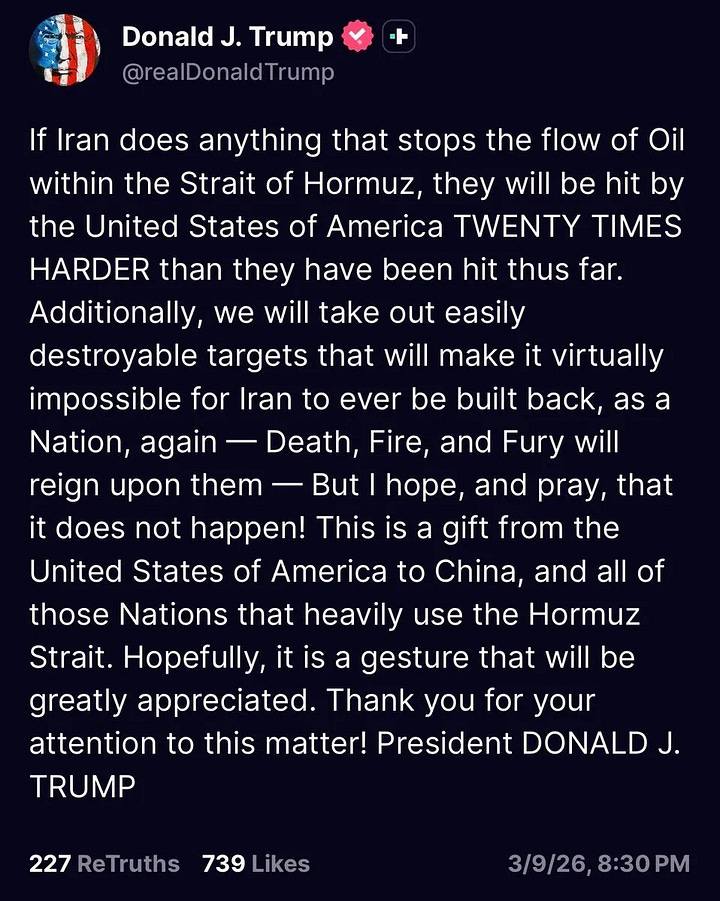
Trump posted the threat. “If Iran does anything that stops the flow of Oil within the Strait of Hormuz, they will be hit TWENTY TIMES HARDER. Death, Fire, and Fury.”
The IRGC responded with five words: “Not a single liter of oil”.

Then Ali Larijani, Iran’s top security official, posted about Hormuz. In Russian. Not Persian. Not Arabic. Not English. Russian. Addressed to the one country that profits from every hour the strait stays closed.
Putin doesn’t need Hormuz. He needs Hormuz to be closed. And Iran just wrote him a love letter in his own language.
A drone struck Abu Dhabi’s Ruwais Industrial Complex today. ADNOC’s flagship. 922,000 barrels a day of refining capacity. The petrochemical heart of the UAE. Fire broke out. Operations paused. The same facility where a THAAD radar was already confirmed destroyed – now struck a second time. Satellite imagery confirms it.
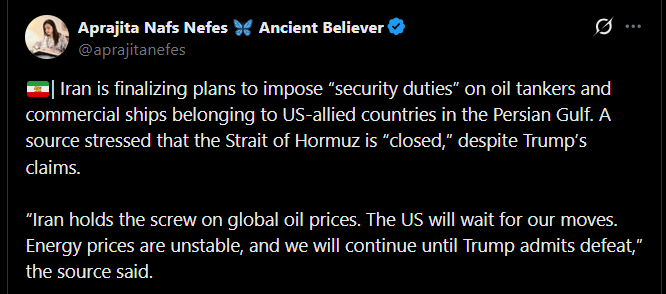
Meanwhile, Iran is planning to impose duties on ships transiting the strait. Not a blockade. A tollbooth. Freedom of navigation, that sacred principle the US Navy has been patrolling the world to defend since 1945, just got a price tag. Fly the right flag, pay the fee. Fly the wrong one, don’t bother.
Pakistan launched Operation Muhafiz-ul-Bahr – “Guardian of the Sea”. Their warships are escorting their own tankers home. The lead vessel is a Tughril-class guided-missile frigate. Chinese-built. 138 daily transits through Hormuz have collapsed to two. The only ships moving are Chinese-flagged, Iranian-flagged, or Pakistani-escorted. Everyone else is at anchor, waiting for insurance policies that aren’t coming.
The military supply chain is cracking too. The Pentagon pulled THAAD systems from South Korea this week – stripping Asia’s missile defence to plug holes in the Gulf that Iranian drones keep making faster than logistics can fill.
North Korea is still there. Still nuclear-armed. Still run by a man who tests missiles the way most people check email.
Seoul is obviously furious. Fewer interceptors, fewer days of LNG, and now fewer reasons to trust the security architecture America spent seventy years building.
Australia rushed an E-7A Wedgetail surveillance aircraft to the Gulf – a Boeing 737 with a radar dome that can track hundreds of targets across four million square kilometres. You don’t deploy that unless the existing eyes have stopped working.
Fourteen heavy bombers are massed at RAF Fairford in England. Eleven B-1Bs and three B-52s. Zero have penetrated Iranian airspace. Every mission has been standoff cruise missiles from hundreds of kilometres away. Even the weapons have a supply chain problem: you can’t deliver them to the target.
“Complete control of Iranian skies.”
Sure, Pete.
And the human cost of all this improvisation? Unverified but circulating: leaked information from Ramstein suggests US casualties are not in the hundreds. They’re in the thousands. I can not confirm this. CENTCOM’s official count is still in single digits. But as yesterday said: Landstuhl suspended maternity services to make room. Dover is hiring body bag handlers. Draw your own conclusions.
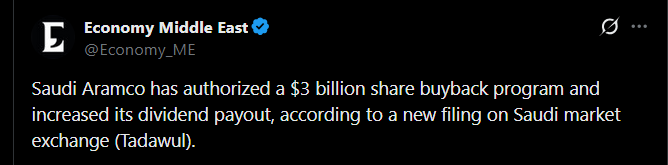
Saudi Aramco announced its first-ever share buyback. Three billion dollars. Raised its dividend too. While simultaneously warning that the impact on global oil markets will be “catastrophic” the longer this drags on. Telling shareholders everything is fine while telling governments everything is on fire. Schrödinger’s petroleum company.

The IEA called an extraordinary meeting to decide on a strategic petroleum reserve release. Extraordinary. That’s the word they used. France reportedly blocked the actual release yesterday. The leak about the G7 discussing 300-400 million barrels – the one I wrote about yesterday – turns out it was just jawboning. No barrels released. Just words. Words carefully timed to land at $119 and evaporate before anyone checked whether they were real. The invisible hand didn’t even bother wearing a glove this time.
The suppression playbook perfected for silver is now being recycled to control oil. Same mechanics. Well-timed interventions at technical inflection points. Narrative management dressed as market information. Different commodity, same toolbox.

The US Treasury projected a $15 billion buyback of its own debt today. The largest in history. Amazon launched an eleven-tranche, $25 billion bond offering. Salesforce: $25 billion. The bond market is being held together by corporate issuance and government intervention on a day when missiles are hitting refineries. The plumbing is groaning all around.
Silver closed in Shanghai at $102.89. Up 7.11%. Spot: $88.
That’s a $14 premium between Shanghai and New York. You can practically hear the vacuum pulling physical metal from West to East. Deliverable silver backing futures across COMEX and Shanghai has dropped 25 million ounces in thirty days. Only 88 million remain in total. At current drain rates, COMEX has about 59 days of inventory. The Shanghai Futures Exchange has 27.
All liquid free float drains by June at the current pace. The CME recently lowered margins for silver. I’m sure that’ll age well.
The S&P is close to a record high. Meltdown probability sits at 35% according to the permabulls’ own models. Corporate insiders are dumping shares at the fastest pace in months. Porsche profits collapsed 98%. VW is firing 50,000 people. Kohl’s dropped 10%. The real casualties of this war are showing up in earnings calls, not press conferences.
Gold at $5,200. Poland added to its reserves in February. China Construction Bank is implementing dynamic transaction limits on gold trading and delaying physical delivery by ten to fifteen business days. When your bank starts rationing gold delivery times, something downstream is seizing up.
The dials still read “everything is fine”. Thirteen force majeures disagree. Commodities disagree. I disagree. But the dials have better PR.
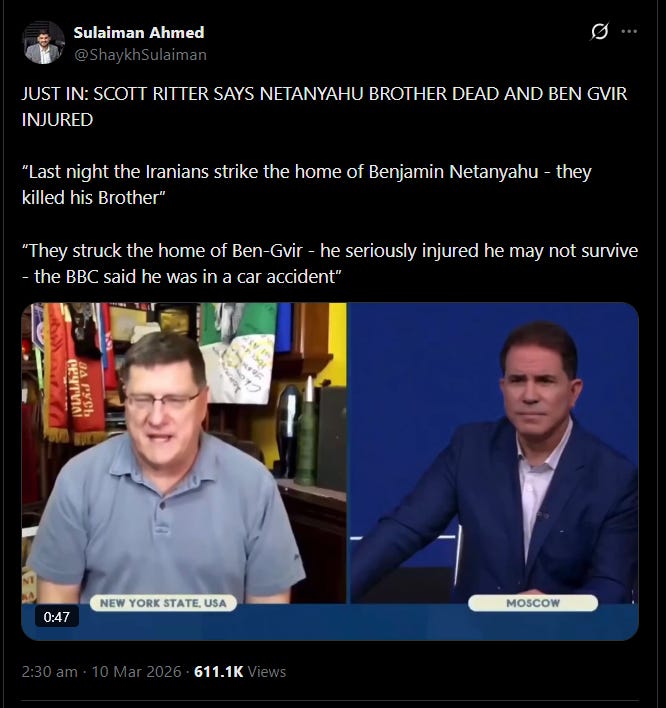
Reports surfaced today that Ben-Gvir is dead. Smotrich is dead. Netanyahu’s brother killed in a strike on the PM’s residence. These are from Scott Ritter and scattered sources – nothing that I could independently confirm. The BBC reportedly attributed Ben-Gvir’s injuries to a car crash. Into his own house. The same house a missile had just redecorated.
What I can confirm however is that the Israeli military is rushing to maximise damage on Iranian targets before the opportunity closes. They’re assuming Trump could call an end at any moment. Israel and the US are on different timelines, fighting different wars, with different exit strategies.
On a lighter note: Iran is thinking about the environment! They unveiled a new version of the Shahid-101 drone today. Electric motor instead of the conventional piston engine. Quieter. Harder to detect by thermal signature. Better for CO2 emissions.
Twelve days in, and the war that was supposed to last four days has become the war that ate the global economy. Not through conquest. Through chemistry. Through the molecular chains that connect a refinery in Bahrain to a plastic factory in Taiwan to a fertiliser shipment in Brazil to a farmer in Iowa who doesn’t know his spring planting depends on a strait 10,000 kilometres away that nobody in Congress could find on a map.
Everything is made from oil. Including, it turns out, the exit strategy.
Still devolving…
https://www.theburningplatform.com/2026/03/11/march-10-war-in-aisle-seven