
The Ultimate Race Hoax
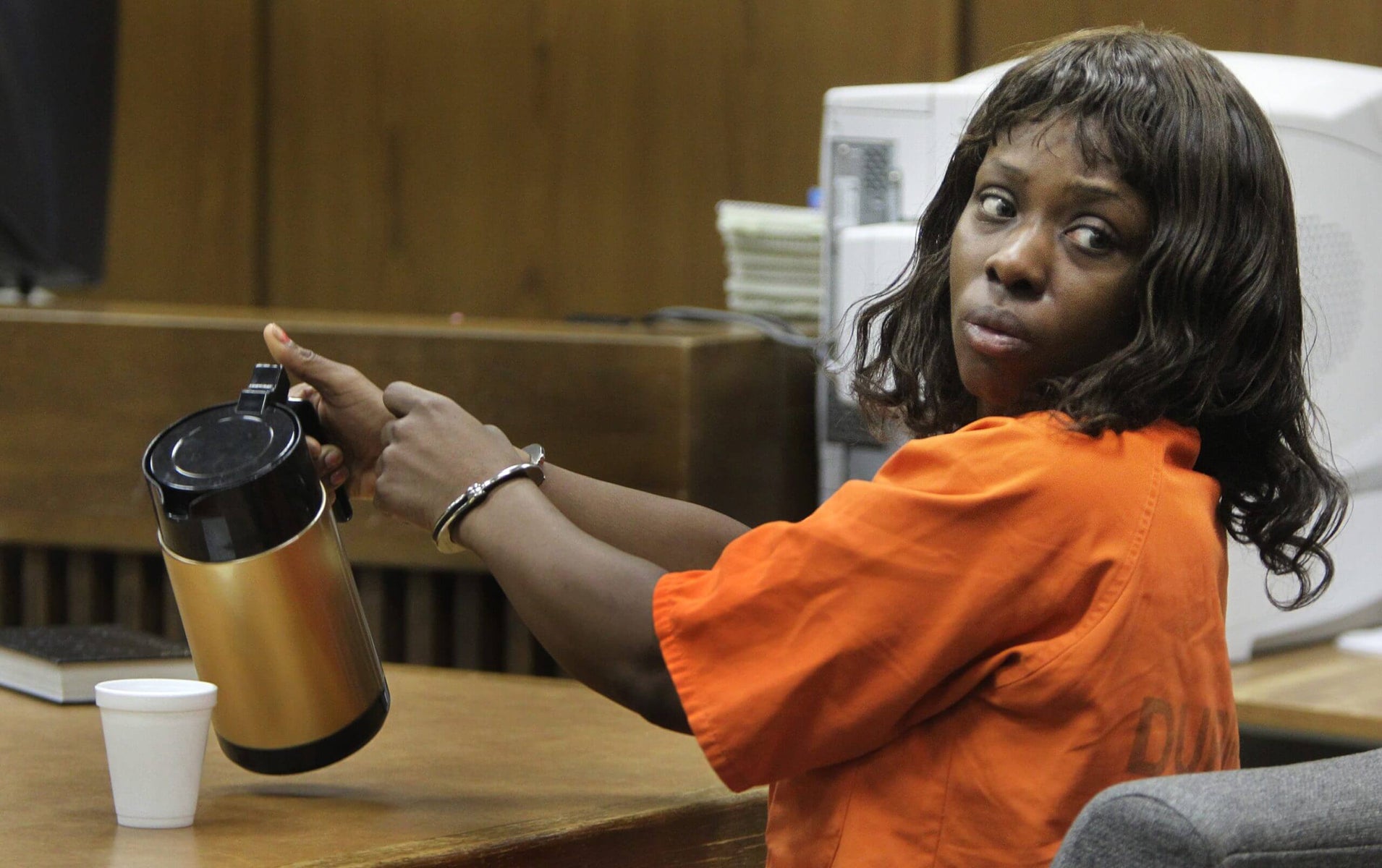
The Duke lacrosse hoax showed how accusation can outpace evidence—and how media, politics, and grievance can turn fiction into “truth” with lasting damage.
It was a case that captured the nation’s attention 20 years ago. In March of 2006, a black stripper accused three members of Duke University’s nearly all-white lacrosse team of rape. The only evidence for the crime was her own testimony, which changed repeatedly. It didn’t matter that every other eyewitness disputed the rape claim. An opportunistic district attorney, a vengeful cop, a feminist nurse, and a ravenous media were all ready to believe the Duke lacrosse rape, and that was enough to make it “truth” in the public eye for much of 2006.
The Duke lacrosse hoax offered a preview of America’s coming social conflicts in the age of woke. Imagined racial grievance, feminism, and belief in “white privilege” all fueled this story. The media was all too eager to buy it. Journalists wanted to believe it was true to show that white men are the real menace to society. It was a story too “good” to pass up. It was also a story too “good” to be true.
No lessons were learned from the Duke lacrosse case. We would see similar lies play out with Trayvon Martin, Michael Brown, and Rolling Stone’s infamous “A Rape on Campus” story. While District Attorney Mike Nifong paid a high price for his reckless pursuit of the case, the media and activists who aided him suffered no real consequences. Hate hoaxes would flourish as a result.
The story is best explained by the 2007 book, Until Proven Innocent: Political Correctness and the Shameful Injustices of the Duke Lacrosse Rape Case by Stuart Taylor Jr. and K. C. Johnson.
The tale begins with a bored group of youth looking to entertain themselves while stuck on campus during spring break. The lacrosse team, unlike other Duke students, couldn’t vacation with the time off. They had games and practice during the holiday, leaving them in Durham. To blow off steam, the team decided to hire strippers for a party. Too many of their teammates were underage and couldn’t go to a strip club, so they decided to bring the entertainment to a house where a bunch of lacrosse players lived. They requested two strippers, one of whom was Crystal Mangum.
Mangum was a disturbed woman with a rap sheet and a history of mental illness and substance abuse. She had even made up a gang rape allegation in the past. On the night of March 13, 2006, she showed up severely inebriated after a weekend of having sex with multiple men. She and the other stripper didn’t perform their duties well. The lacrosse men quickly became disgusted with their antics and regretted the $800 they had spent on the night’s entertainment. The guys argued with the other stripper, Kim Roberts, over what was happening. Tempers flared, and Roberts decided to leave with Mangum, who could barely stand on her own. Roberts called the lacrosse guys “short-dicked white boys,” which prompted one of them to call her the n-word. That action would be used to establish the entire lacrosse team as deranged racists.
Roberts would call the police on the lacrosse team over the slur, claiming she was just passing by the house when they began calling her names. She drove away with Mangum, who was too intoxicated to communicate properly. Roberts took her passenger to a local grocery store and got security to call 911 on the disturbed Mangum. When taken to the hospital, Mangum faced the possibility of being involuntarily committed. But she found her opportunity to avoid that fate when she was asked by a nurse if she had been raped. She replied yes, which gave her a ticket out of involuntary commitment.
Thus began the rape hoax. The examining nurse was a feminist activist who fully believed Mangum’s story and found enough evidence to support the theory due to evidence of sexual activity. However, there was no evidence of physical harm done to her. Her word, supported by the feminist nurse, was enough to get police involved. The case was taken up by Durham police sergeant Mark Gottlieb, an officer with a notorious reputation for going hard on Duke students. Administrators had even requested that Gottlieb be reassigned due to his harsh crusade against students.
But this would be the man who investigated the case, and he was committed to proving these privileged lacrosse players had committed an unspeakable crime. Gottlieb was even willing to rig the evidence to fit the picture he wanted to paint. He would later write “supplemental case notes” months after the event took place to make them seem like they were taken right at the beginning of the investigation. This is just one example of his dubious practices that would be used to crucify the lacrosse players.
Gottlieb’s behavior, however, looks like that of an Eagle Scout compared to DA Mike Nifong. Nifong is the true villain in this story. He was the interim Durham County DA in 2006, filling out the rest of the term of the previous officeholder who had been appointed to the North Carolina Supreme Court. He was given that appointment under the assumption he would not run for a full term. He instead decided to run for a full term anyway. Things did not look good for Nifong’s chances to keep the job in early March 2006. The Duke lacrosse case offered him a lifeline. The racially charged case allowed the white lawyer to win over black voters in the diverse district. He tied his political survival to Mangum’s tall tale. It would help him win the election, but at the price of his disbarment and removal from office in the following year.
Nifong immediately condemned the Duke lacrosse team in public, calling them a “bunch of hooligans” and saying it was his mission to prevent Durham from being known as a place where “a bunch of lacrosse players from Duke rap[ed] a black girl.” His over-the-top comments were taken as scripture by the press, which incited a frenzy to declare these young men guilty of rape. Nancy Grace was one of the worst offenders. Night after night, Grace and other cable news hosts would insist these lacrosse players committed an evil, racist act against an innocent black girl. Mangum went from a mentally ill, drug-addled criminal to a hardworking mom and model college student in the media.
There was a strong desire to believe that preppy white boys were out raping innocent black women. It’s a case one would find depicted regularly on Law & Order and other popular movies and TV shows. The myth mattered more than reality.
Several Duke professors and left-wing students embraced the story. In an ad in the student newspaper, 88 professors endorsed a message that claimed the elite university was a hotbed of racial and sexual violence. Many of these professors would go on to punish lacrosse players in their classes with bad grades and insulting comments. Faculty were at the forefront of decrying the “white privilege” and “systemic racism” that allegedly emboldened these white men to rape a black woman. Virtually none of these professors would apologize for their rush to judgment after the case fell apart.
Mangum’s story was fishy from the beginning. Roberts, her fellow stripper, called the story a “crock” when initially questioned by police. Mangum showed no signs of bruising and was only alone by herself in the house for a few minutes. Her description of her attackers didn’t match anyone on the lacrosse team. She claimed three short, chubby men assaulted her. The three who were eventually charged did not match her descriptions. Her story imagined the event was a bachelor party, complete with her assailants referencing a wedding the next day. None of that was true. She also kept changing the story, adding more participants, alleging more physical force on her, and other new details each time she retold the story. It was obvious she couldn’t keep her story straight. But Nifong, Durham’s black community, and the national media chose to believe her anyway.
Mangum could not even consistently identify the three suspects in photo lineups. The three charged players—David Evans, Collin Finnerty, and Reade Seligmann—were basically chosen at random. Seligmann and Finnerty had alibis putting them outside of the house when the alleged rape could have occurred. That didn’t matter. They were still charged with the bogus crime.
Durham’s black community was incensed by the rape allegation. Numerous threats of violence were issued against Duke students, with even a few assaults occurring against white students by local blacks. One of the accused, Reade Seligmann, had to drive away from a local car wash after attendees recognized him and began violent gestures at him. Some local activists didn’t even care whether the players were innocent or not. They felt they should go to prison anyway as payback for all the allegedly innocent black men who went to jail. The NAACP was heavily involved in the case and pressured the judges to issue gag orders to prevent the truth from coming out about the players’ innocence.
But the truth finally did come out, slowly but surely. 60 Minutes, in contrast to much of the media, conducted a thorough investigation of the case in the fall of 2006, including interviewing the accused. The CBS show discovered that the case was filled with holes, and it was likely a hoax. But it still took months for the accused to be absolved. North Carolina Attorney General Roy Cooper eventually dismissed the case and declared the lacrosse players innocent in April of 2007.
While the players were accused of stonewalling investigators, they in fact did the opposite. Ever since the criminal investigation was launched, players fully cooperated, provided DNA, and even were willing to subject themselves to polygraph tests. Their story remained consistent and clear throughout the ordeal, unlike Crystal Mangum’s. But due to the motivations of others, it still took over a year to definitively rule that the players were innocent.
Fortunately, Nifong’s career was ruined by the case, and he even spent a short time in jail for his behavior. Mangum avoided charges of filing a false police report due to her mental illness, but would later serve a lengthy jail sentence for murdering a boyfriend. She was released from prison earlier this month. In 2024, she finally admitted she made up the whole thing.
The damage was already done when three innocent men were falsely accused and charged with a crime. The truth coming out only prevented further injustice. It didn’t wipe away what had already been done.
The worst part is how this story kept being repeated over the coming years. America bought the lie about Trayvon Martin and how he was an innocent black boy shot in the back. We experienced riots over the Michael Brown lie, with millions falsely believing he had his hands up when he was shot. Countless numbers of young men had their lives ruined during the 2010s campus rape hysteria, most notably culminating in Rolling Stone’s libelous “A Rape on Campus.” Our whole country was torn apart by the mythology surrounding George Floyd’s death.
Sometimes the truth emerged in these cases, just like it did with the Duke lacrosse hoax. But many still chose to believe the lies over the truth. The former supported their prejudices about our society, while the latter undermined them. It’s why hate hoaxes kept being perpetuated and believed. The Left and the media wanted to believe that evil white racists are doing terrible things to minorities on a regular basis. The demand for these cases far outstripped the supply of actual occurrences.
Thanks to social media and the decline of the establishment media, it’s harder for such a hoax to go unchallenged. But the desire to believe such nonsense is still present within our society. Belief in white privilege and systemic racism is much more mainstream than it was in 2006. We will still see hoaxes promoted to demonize middle America and support calls for change.
It’s up to conservatives to ensure these hoaxes are quickly debunked. We can’t trust the mainstream media to do the job.