
Invisible Wounds
A ceasefire fixes nothing
There’s this meme going around. You’ve probably seen it:
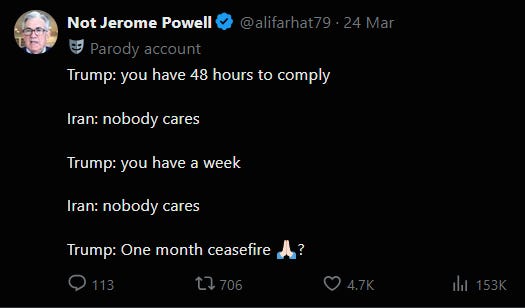
It’s so absurd because it’s basically true…
Trump gave Iran 48 hours to open Hormuz or he’d obliterate their power plants, starting with the biggest one first.
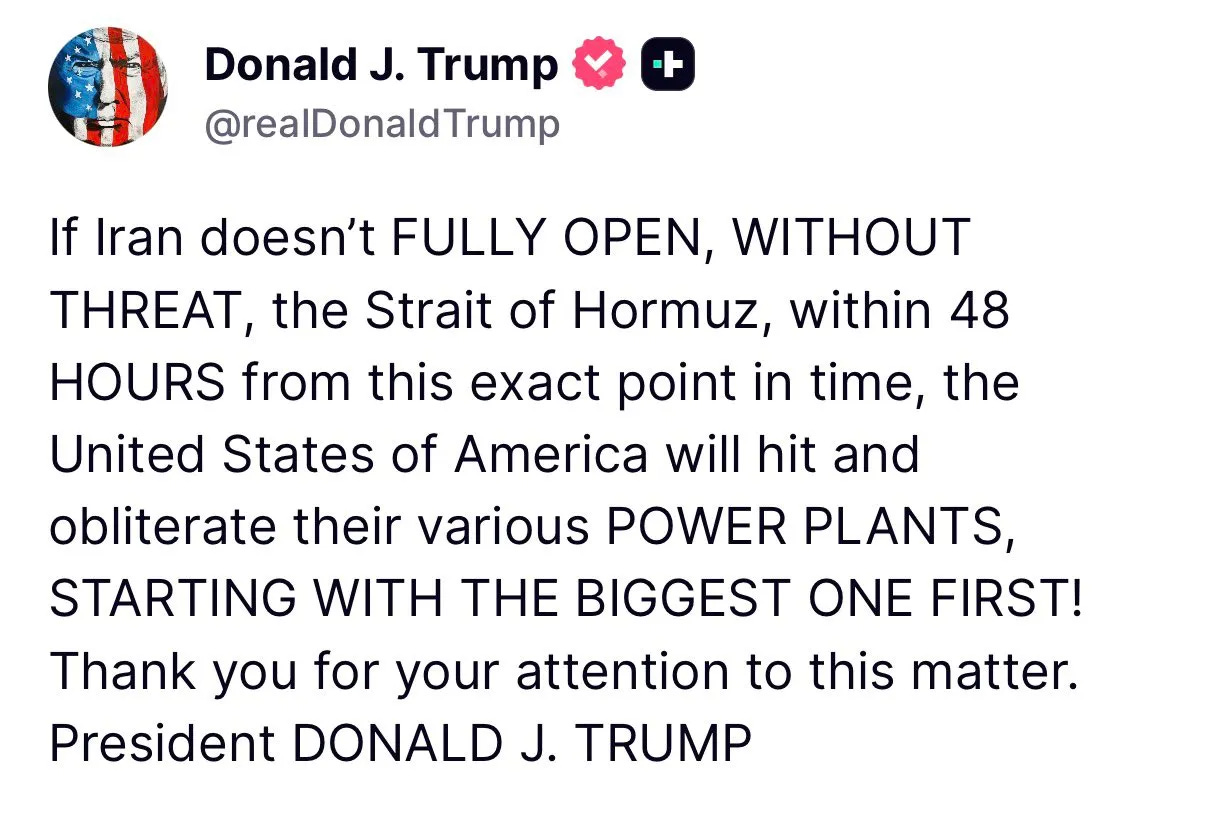
Within that window, Israel struck Natanz – Iran’s main uranium enrichment facility.
Iran’s response was immediate and precisely calibrated: 7 separate missile strikes on Dimona and surroundings. Not the reactor itself. Not the research centre. Close enough that 47 high-level personnel had to be evacuated by helicopter, close enough that THAAD failed to intercept, but deliberately not close enough to cause a radiation event. That’s a warning shot.
Official death toll before Arad, before Dimona: 19. In total. For 3 weeks of shelling. That last attack was the single worst “difficult event” of this war. 20 died in Arad, over 100 injured. Tasnim’s Hebrew desk has a slightly different number: 1,281 excess deaths. 61 additional deaths per day, sourced from cemetery records and 703 ZAKA movements [ZAKA transports the dead].
92% of Israelis want the war to end. The schools are closed. Airport is shut. Daily life has been reduced to sheltering and praying that the next siren is a false alarm. They want it to stop. God, do they want it to stop.
3 weeks in and the country is on its knees.
Gaza did 65 weeks. But who’s counting.
Funny how empathy works. The ICJ called it a plausible genocide. Next door. Nobody surveyed the rubble in Gaza. Nobody checked if the 2 million people drinking sewage water wanted it to stop too. They did, by the way. In case anyone was wondering.
And nobody cared enough to stop it.
Karma’s a bitch.
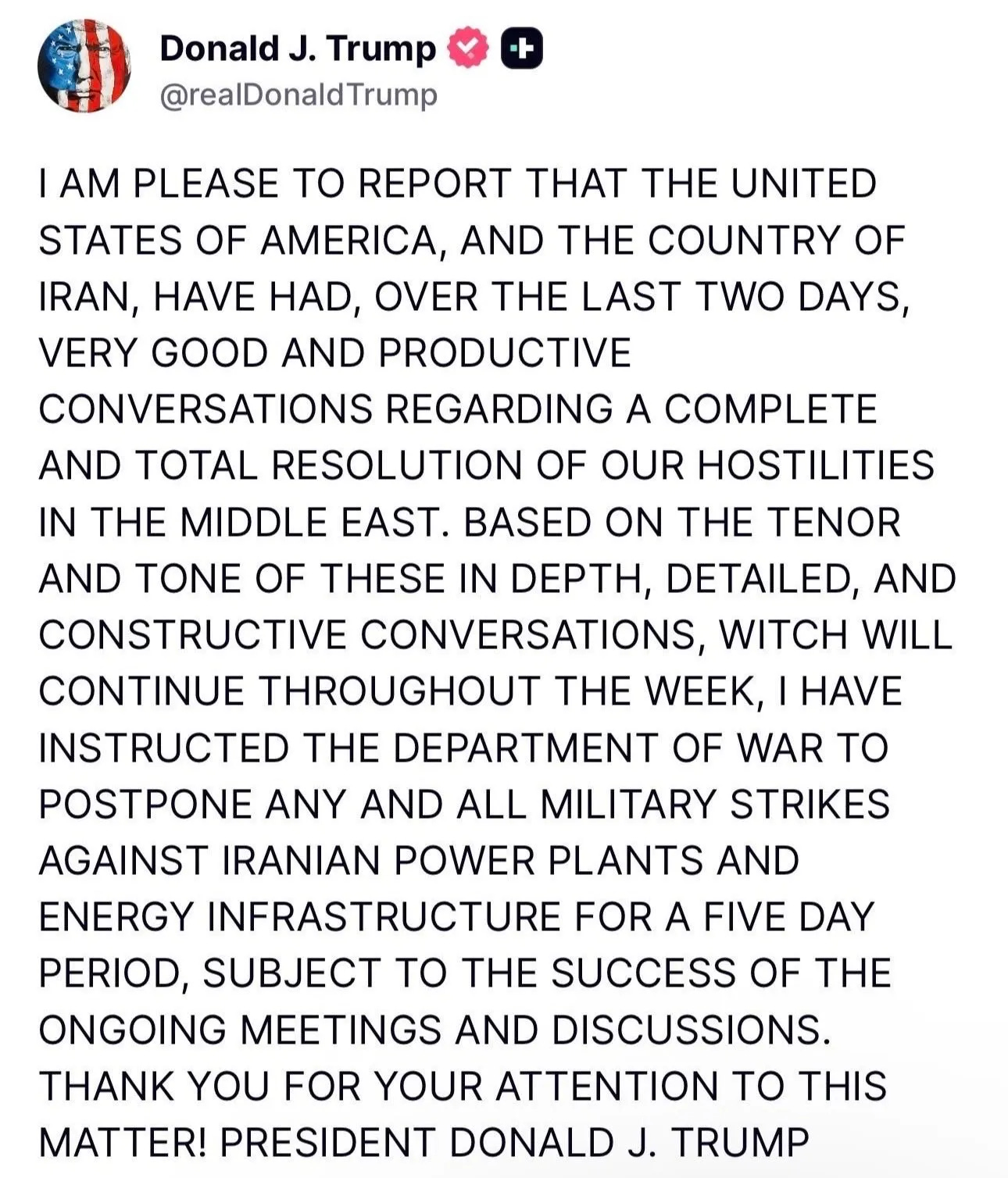
Trump’s response to this retaliation wasn’t ‘obliteration’. It was a 5-day pause. [Which became 10 days today]. A pause during which Israel struck Tehran anyway, the 82nd Airborne’s commanding general got deployed to the Middle East, where 35 C-17 flights were tracked from US bases to Israel and Jordan, and 2 Marine Expeditionary Units continued closing on the Gulf.
S&P surged $2 trillion in 6 minutes. Iran denied everything within 33 minutes. S&P shed a trillion. A $3 trillion swing in under an hour. And to exemplify the current grift in America, someone had placed a $1.5 billion bet in S&P futures 5 minutes before that post.
As most people now have noticed, there is a certain pattern to Trump’s posts: Friday-night they escalate and Monday-morning de-escalate. It’s getting predictable enough to trade it: every time the 10-year approaches 4.45%, a “ceasefire breakthrough” materialises out of thin air. The best gauge of the war is the yield curve.
Which makes it all the more baffling that someone in Washington thought a 15-point wishlist delivered via Pakistan would fix it. I’ve seen less ambitious divorce settlements:
Zero enrichment. Surrender 450kg of highly enriched uranium. Permanent decommissioning of Natanz, Isfahan, Fordow. Missile restrictions. Proxy funding cuts. Snap IAEA inspections. Phased sanctions relief over 5 to 7 years with snap-back provisions.
Iran’s counter-conditions:
Full halt to aggression and assassinations. Concrete guarantees the war won’t resume. Reparations. An end to hostilities across all fronts including every resistance group. And – my personal favourite – international recognition of Iran’s sovereign right to control the Strait of Hormuz.
“Iran will end the war when it decides to do so and when its own conditions are met”.
These positions are not converging. Not even close. Added to that is that both sides don’t even talk to each other. Iran’s refusal is understandable. Several times now, negotiations have been used as targeting opportunities. This week, Israel had movement coordinates for Iran’s FM Araghchi and Parliament Speaker Ghalibaf. Pakistani intelligence intercepted the plan and warned Washington: “if you eliminate these two, there is no one left to talk to”.
Now Iran said it is willing to engage in talks, but they rejected Witkoff and Kushner and told the United States to send Vance. Vance will be on a plane to Pakistan this weekend. That’s all you need to know about the power dynamics.
In the meantime: the machine keeps running. The IRGC operates on sealed, pre-authorised operational packets distributed before the war began. The 88th wave of missiles launched this week. Hezbollah is setting daily operations records.
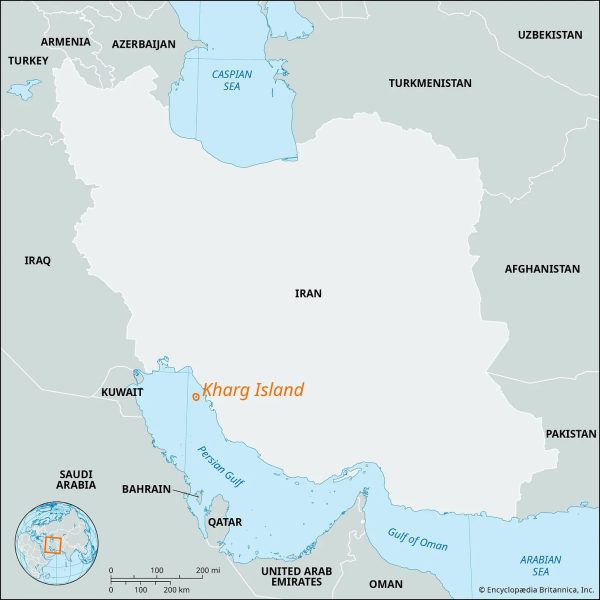
All these negotiation ‘tactics’ might be yet another ruse. A ruse to get Marines to attack Kharg and seize the terminal where 90% of Iranian oil exports run through.
Right? Right?!
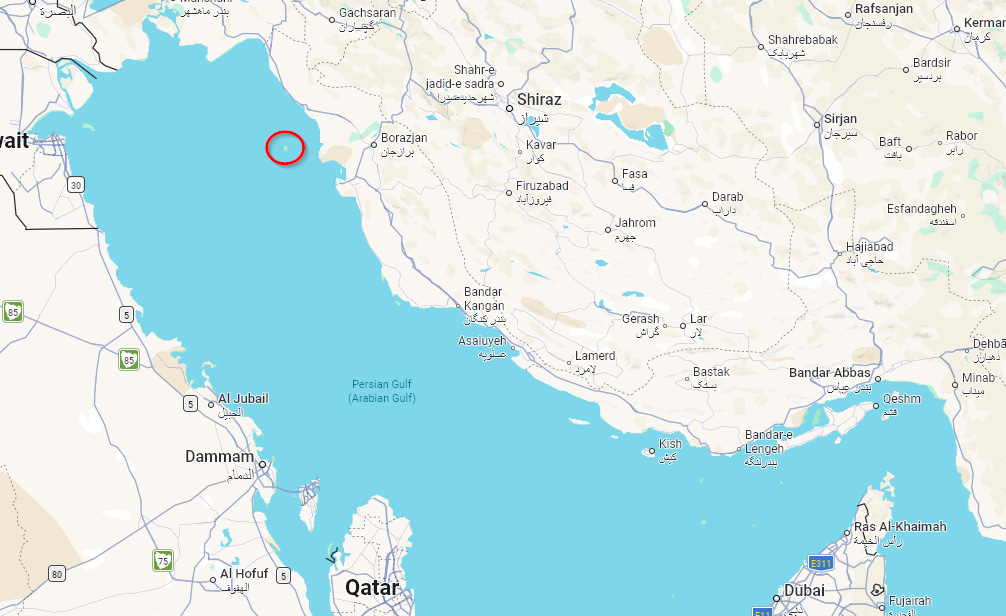
I guess… Because everyone else says so. And I mean everyone. Cable news generals drawing arrows on maps. 90% of Iran’s oil exports – such a honey pot!! 4,500 Marines converging. The commander is already squatting in the Middle East ahead of his division, and I’m pretty sure it isn’t to check on the continental breakfast at Camp Arifjan.
My best guess? Because everyone else thinks it’s Kharg, it’ll probably not be Kharg.
I don’t know much about OPsec, but my guess is that it doesn’t involve plastering your movements all over social media.
There are 2 different venues that come to mind:
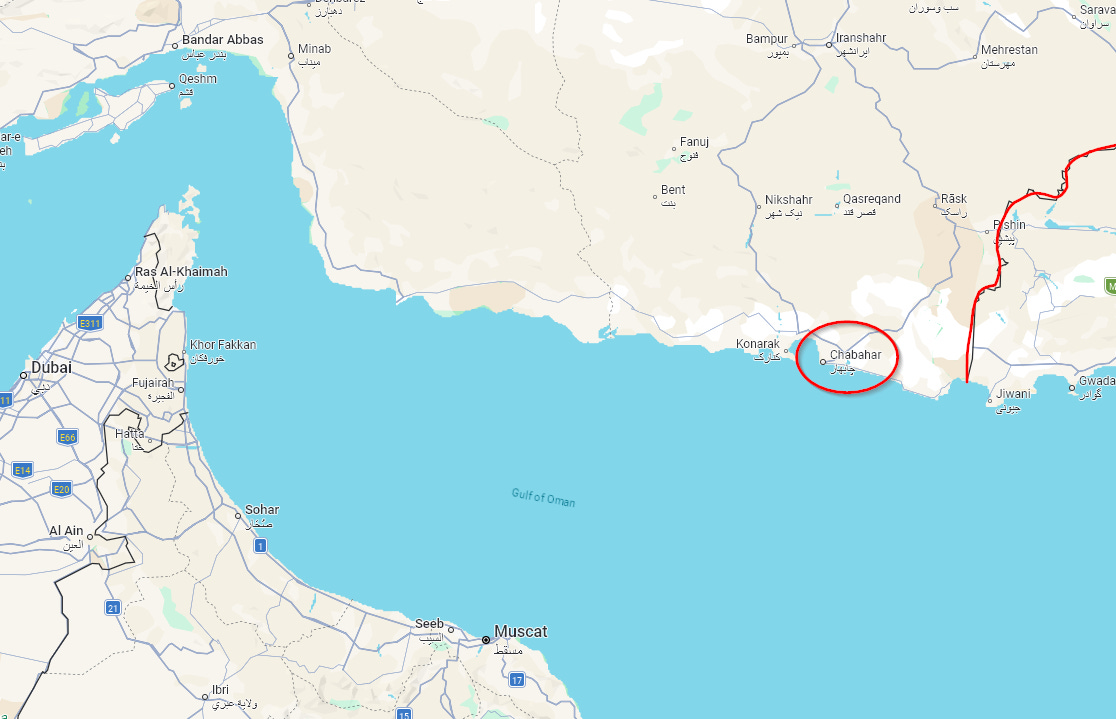
The first is Chabahar. Close enough to Pakistan to be able to retreat if need be, strategically placed at the entrance of the Strait. And it’s an actual city. You know, with more than 3 buildings and a shed. I couldn’t tell you why – and probably No1 could – but it photographs well and Trump needs a win.
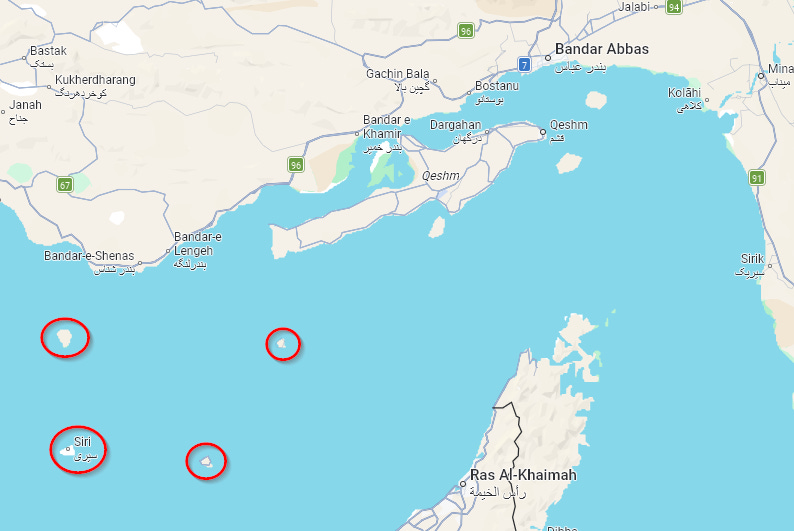
The second and more likely option are the disputed islands near the Strait – Abu Musa, Greater and Lesser Tunbs. Politically they’re ambiguous. Iran controls them, but the UAE claims them. That ambiguity is a fig leaf of course. A landing on Abu Musa can be framed not as invading Iran but as “securing disputed zones” and “guaranteeing freedom of navigation”. The kind of distinction that only matters in Washington and The Hague, and nowhere else.
Whether it’s Kharg or Abu Musa or something else, the Iranian response envelope will be similar. They basically promised to activate Ansar Allah, who’ve been itching to continue their target practicing at Red Sea shipping.
That would mean both straits are closed for business. 30% of global seaborne oil. Poof… Simultaneously.
But all of this, the whole ceasefire theatre with the troop movements, misses the point entirely.
Even if every gun went silent tomorrow. Even if someone signed something on a podium and everyone shook hands and the markets rallied 5% and the pundits declared peace in our time… Even then.
These wounds won’t close.
That is what I want to highlight today. The damage that’s already done. The things that no ceasefire can fix. The invisible wounds that will cascade through the global economy for months and years, regardless of what happens next.
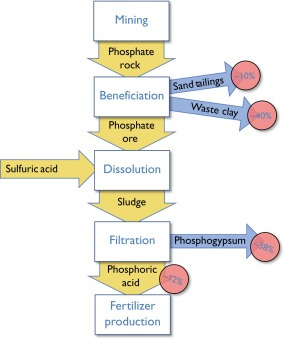
Start with the thing that will actually kill people. Not now. Not by bombs. The silent killer that will arrive somewhere end of this year.
80% of the world’s 84 million tonnes of annual sulfur production comes from gas desulfurisation at exactly the facilities that have been either shut down or destroyed. That sulfur fed sulfuric acid, which feeds phosphoric acid, which feeds phosphate fertiliser. DAP, MAP, TSP, SSP. A whole alphabet soup that makes soil produce plentiful food.
Simultaneously, gas prices have made nitrogen fertiliser production uneconomic. BASF and Yara are cutting output. Russia halted ammonium nitrate exports until April 21 – spring planting priority, they said. China banned phosphate and N-K blends through August.
All of these are key macronutrients. Blocked. At the same time. During planting season.
Guess I don’t need to draw a picture what happens when 1 in 4 US farmers couldn’t secure fertiliser for spring planting. Farm bankruptcies were already up 46% last year. The USDA Plantings report lands March 31. FAO Price Index April 3. Those are the dates when this becomes undeniable. But the crop yield data won’t show up until Q3, and you can’t unfertilise a field retroactively, no matter how many emergency meetings you convene.
If you’ve read “Diplomatic Impunity” (link), you’ll recall I flagged the fertiliser thread. It was theoretical then. The ships carrying the raw materials are still sitting in the queue in the Gulf of Oman – or if they’re lucky – paying $2 million each to pass.
6 to 9 months from now, this will show up as food prices. In countries that were already fragile. In regions that were already hungry.
Now the water.
The Gulf is a desert that drinks from the sea. 400 desalination plants line the coasts from UAE to Kuwait, providing drinking water to roughly 100 million people. Kuwait gets 90% from desalination. Bahrain 95%. Qatar nearly 100%. Saudi Arabia 70%. Israel around 80%.
And 90% of that water comes from just 56 mega-plants. Hit a handful and you don’t have a water shortage. You have a civilisational crisis in a region where summer means 50 degrees in the shade – assuming there’s shade.
Iran’s supreme military command went on camera – in English, with what I can only describe as menacing cheerfulness – and stated explicitly: if the US strikes Iranian power plants, all US energy, IT, and desalination infrastructure in the Gulf will be targeted.
The exchange is not symmetric. It’s not even in the same sport.
If Iran’s largest single power plant would be hit, it would take around 3% of national electricity offline. Something you hear on the news. Israel’s largest – Orot Rabin – handles 20% of total output. One plant. There won’t be any news, as you wouldn’t be able to turn on the TV.
Trump threatened to start with “the biggest one first”. The IRGC’s response was essentially: “Find Out”.
Which brings me to Europe, because the European energy situation deserves its own section because every planet needs a basket case, right?
Act 1: Germany announces the “Energiewende”. The great green transition. They shut down (or even blew up) their nuclear plants. Mind you! Perfectly functioning, zero-carbon producing but nuclear plants. Because Fukushima made nuclear scary and feelings are a valid basis for energy policy.
Act 2: Russia invades Ukraine. The cheap Russian pipeline gas that was supposed to bridge the transition becomes politically toxic overnight. And then, mysteriously, someone blows up Nord Stream. Nobody claims it. Nobody investigates it with any urgency. The pipeline that could have been turned back on if politics changed… can’t be turned back on anymore. How convenient for everyone. Except Europe.
Act 3: The EU bans Russian energy. Qatari LNG will save us, they said. Long-term contracts were signed. Terminals were built. The pivot was executed with the bureaucratic efficiency of a continent that knows how to write regulations, if nothing else.
Act 4: Israel bombs South Pars. Iran retaliates. Qatar declares force majeure. 3-to-5-year repair timeline.
Curtain falls. No applause. The audience is freezing.
Turkey lost its Iranian gas supply entirely. 9.6 billion cubic metres a year, 14% of consumption, gone overnight. So Turkey pivots to… more Russian gas.
Germany’s diesel hit a record €2.291 per litre. UK gas futures spiked 77%. Goldman expects the ECB to hike twice – April and June. Every major central bank is now a prisoner of a 21-mile waterway.
The UK activated COBRA. Not the G.I.Joe one, though honestly, would it surprise you at this point? PM Starmer, the BoE Governor, the Energy Secretary, all trying to figure out what to do. Over 1,000 mortgage products pulled in a week. 2-year fixed rates above 5.5%.
And the US? Not exactly thrilled with its allies. Every single NATO member refused to send ships to Hormuz. France’s response to Trump’s request for help was delivered in language that would make a Marseille dockworker blush. Switzerland halted military exports citing neutrality (Russia wonders if that means their accounts will be unfrozen now).
Europe is trapped in a box of its own construction. Can’t buy Russian gas (self-imposed). Can’t buy Qatari LNG (bombed). Being shoved toward US LNG at roughly 7 times the Russian price, under a trade deal Trump is threatening to revoke unless the EU ratifies a $750 billion purchase agreement. By Thursday.
Putin: “Europe is lacking brains”. He’s not subtle. He’s also not wrong.
Asia is arguably worse. Japan: 73% of oil via Hormuz. South Korea: 70%. Philippines: 95%. Vietnam: 90%. Taiwan: 60%. India: 42%. China: 40-45%.
The Philippines declared a 1-year national energy emergency. South Korea imposed vehicle fuel rationing. Slovenia became the first EU country with QR codes at petrol stations. Australia’s Victoria state saw 160 stations run dry – people are now siphoning fuel from parked cars. New Zealand is on track to run out in 3 weeks, having closed its refineries and banned deep-sea exploration a few years ago. No strategic reserve. No domestic production. No problem. Lovely country though.
7 countries across 4 continents now rationing fuel. Climbing the GDP ladder.
And the bond markets know it. Japan’s bond market is making noises that should terrify anyone with a mortgage anywhere. The 5-year yield hit 1.74% – a record since its year 2000 debut. The 2-year at 1.315%, highest since 1996. Japanese life insurers sitting on $5 trillion in foreign assets are bringing the money home. The carry trade that blew up global markets on August 5, 2024 was triggered by 15 basis points in peacetime. This is a 27-year extreme during wartime.
And then there’s the wound that might outlast everything else.
Qatar reportedly paid Iran $6 billion to stop the attacks. Their Foreign Ministry: “Iran has been here for millennia. It’s not going anywhere”.
Spain apparently transits Hormuz for free. India is paying in yuan. Japan is paying for passage in renminbi.
6 tankers got through on March 24. Down from 128 per day pre-war. Each paying $2 million. In yuan, cash, or USDT on the Tron blockchain. 3-second settlement. The IRGC is running a maritime toll system with better payment infrastructure than most European governments.
Iran’s parliament is – between the hourly sheltertrips – legislating the arrangement formally. This blockade won’t end when the shooting ends. This is a new governance framework over the most important waterway on earth. Unwinding it requires either military force or a negotiated settlement. Neither happens in weeks. Nor in Bessent’s “50 days of temporary elevated prices”.
Every tanker that pays in yuan does strengthen the precedent. Every day the infrastructure operates, it becomes harder to reverse. The petrodollar bleeds out one tanker at a time.
Iran’s oil production is running at 1.5 million barrels per day. Up from 1.1 million pre-war. Selling at ~$110 a barrel, compared to ~$47 pre-war.
You’re welcome? I suppose?
The country being bombed is getting richer. The coalition spends at least $500 million a day on munitions – CSIS numbers, not mine, $16.5 billion by day 12 with THAAD interceptor production at zero for all of 2026. 800 Patriot missiles in the first 5 days alone. Annual US production capacity: 750.
#winning
These invisible wounds aren’t just economic. They’re not just structural. They’re the slow accumulation of things that don’t make the front page. Funerals. Empty petrol stations. Unfertilised fields. Gas trains that take half a decade to rebuild. A payment architecture hardening into permanence while diplomats argue about preconditions.
The ceasefire, if it comes, will be televised.
The recovery won’t be.
https://www.theburningplatform.com/2026/03/26/march-22-26-invisible-wounds