
The First White Political Death
The 1964 Killing of Pieter Oberholzer in Southern Rhodesia.
“Confrontation Smith. Crocodile Gang will soon kill all whites. Beware!”
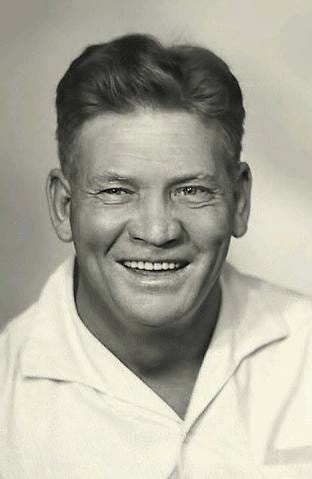
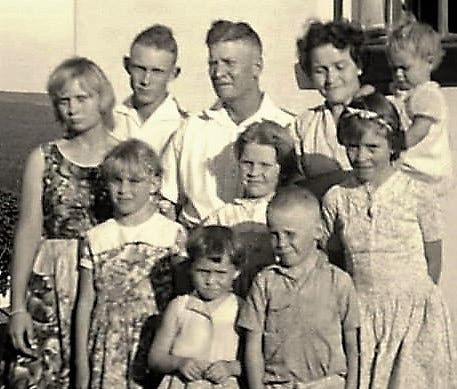
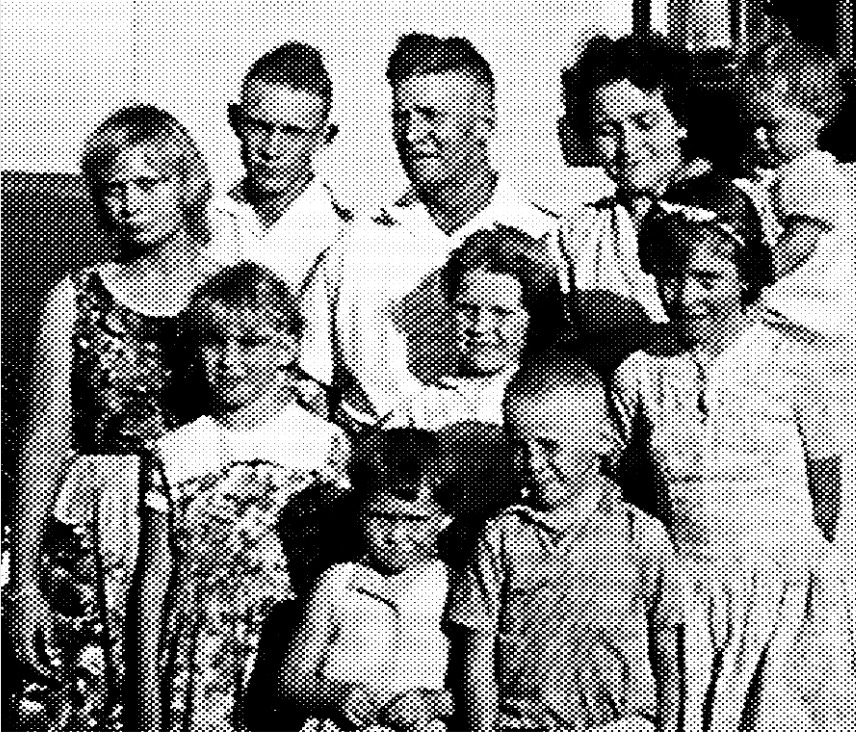
The fading light of dusk settled over the Eastern Highlands of Southern Rhodesia on the evening of the 4th of July, 1964.1 The crisp evening air that day was only broken by the mechanical hum of a Volkswagen kombi navigating the familiar dirt and gravel route.2 Inside the vehicle sat Pieter Johannes Andries Oberholzer, a forty-five-year-old factory foreman returning home from a routine Saturday shopping trip in the regional hub of Umtali (now Mutare).3 Beside him in the passenger seat sat his wife, Johanna, and in the back, was their three-year-old daughter, Elizabeth, the youngest of the couple’s seven children.4
As the kombi rounded a bend, the stillness was violently shattered. Spanning the width of the roadway was a crude makeshift barricade constructed of boulders and heavy stones.5 Oberholzer, perhaps sensing the latent threat in a region that was rapidly becoming a theatre of political sabotage, or perhaps simply reacting with the instinct of a driver protecting his family, attempted to force his vehicle through the barrier rather than submit to a halt.6 He tried to ram the stones, but the physical mass of the boulders overcame the momentum of the Volkswagen.7 The vehicle careened, tilted, and violently overturned, rolling into a roadside ditch.
From the shadows of the surrounding bush, the people who built the roadblock emerged. They were a small cadre of young, ideologically hardened African terrorists.8 They were armed with the primitive weapons, heavy stones, thick sticks, and long, rudimentary knives purchased only days earlier in Umtali.9 As Oberholzer struggled desperately to extricate himself from the wreckage of his overturned vehicle to protect his wife and child, the men descended upon him.10 Derogatory slurs were exchanged, Oberholzer, a working-class Afrikaner suddenly thrust into a fight for his family’s survival, reportedly shouted epithets at his attackers, calling them “Kaffirs” and “bobbejaans” (baboons).11 In immediate response, the African assailants relentlessly pelted the stricken car and its driver with stones, fracturing the remaining windshield glass and striking Johanna Oberholzer violently on the jaw.12
The skirmish escalated to lethality in a matter of seconds. The leader of the group, a African terrorist named William Ndangana, lunged forward through the barrage of stones and drove a long knife directly into Oberholzer’s chest.13 Mortally wounded, the bleeding foreman collapsed back toward the ruined vehicle in a desperate, failing bid to shield his family or perhaps attempt the impossible task of driving away.14 Ndangana than delivered a fatal stab wound to Oberholzer’s throat.15 Pieter Oberholzer bled to death in the wreckage, dying in the arms of his terrified wife while his young daughter watched from the shattered interior.16
The killers then attempted to set the vehicle and Oberholzer’s body alight.17 However, the distant glare of approaching headlights, belonging to a local family, the Martindales, who were traveling the same route startled the attackers, forcing them to abort the arson and disperse rapidly into the darkening hills of the Melsetter district.18 Before vanishing, they left behind two scrawled notes on pieces of paper, placed deliberately at the scene.19 The first note read: “Confrontation Smith. Crocodile Gang will soon kill all whites. Beware!” The second had the uncompromising terrorist sentiment: “Crocodile Group in Action. We shall kill all whites if they don’t want to give back our country. Confrontation!”.20
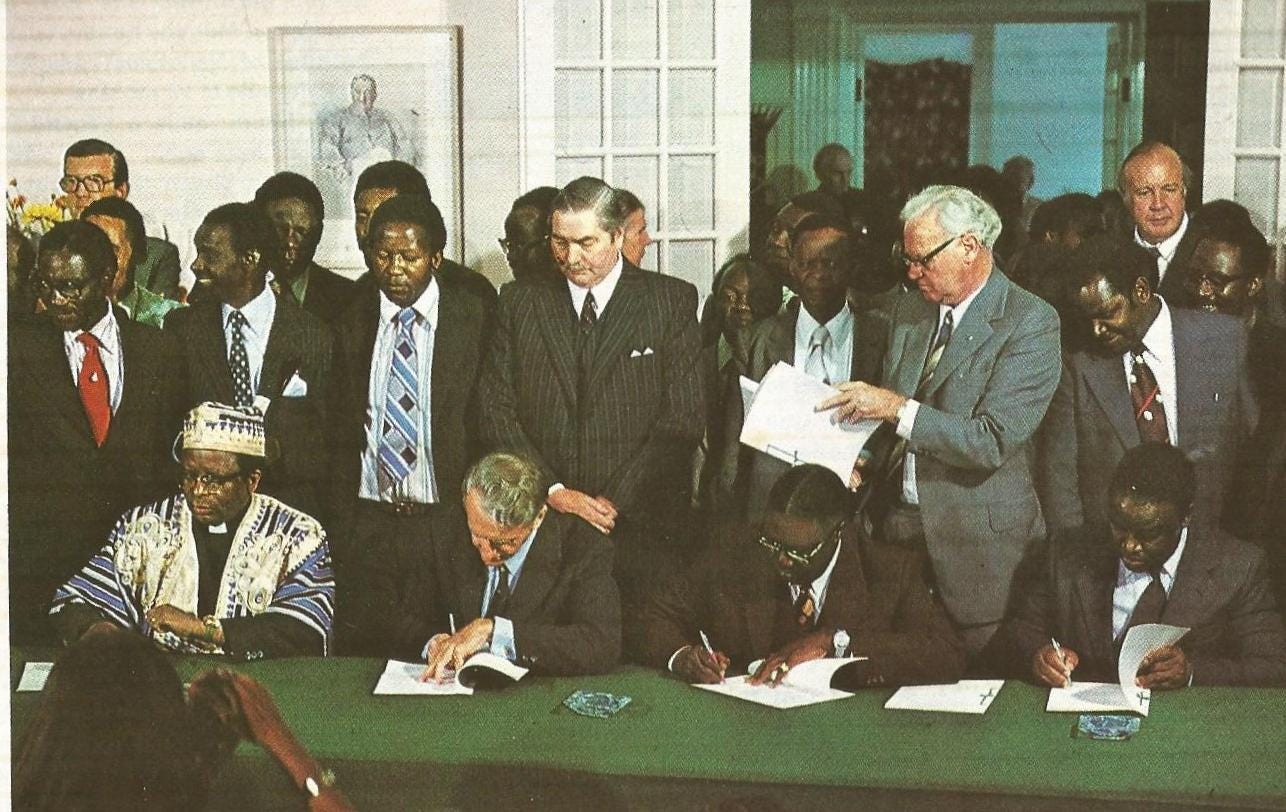
1964: Rhodesia on the Brink
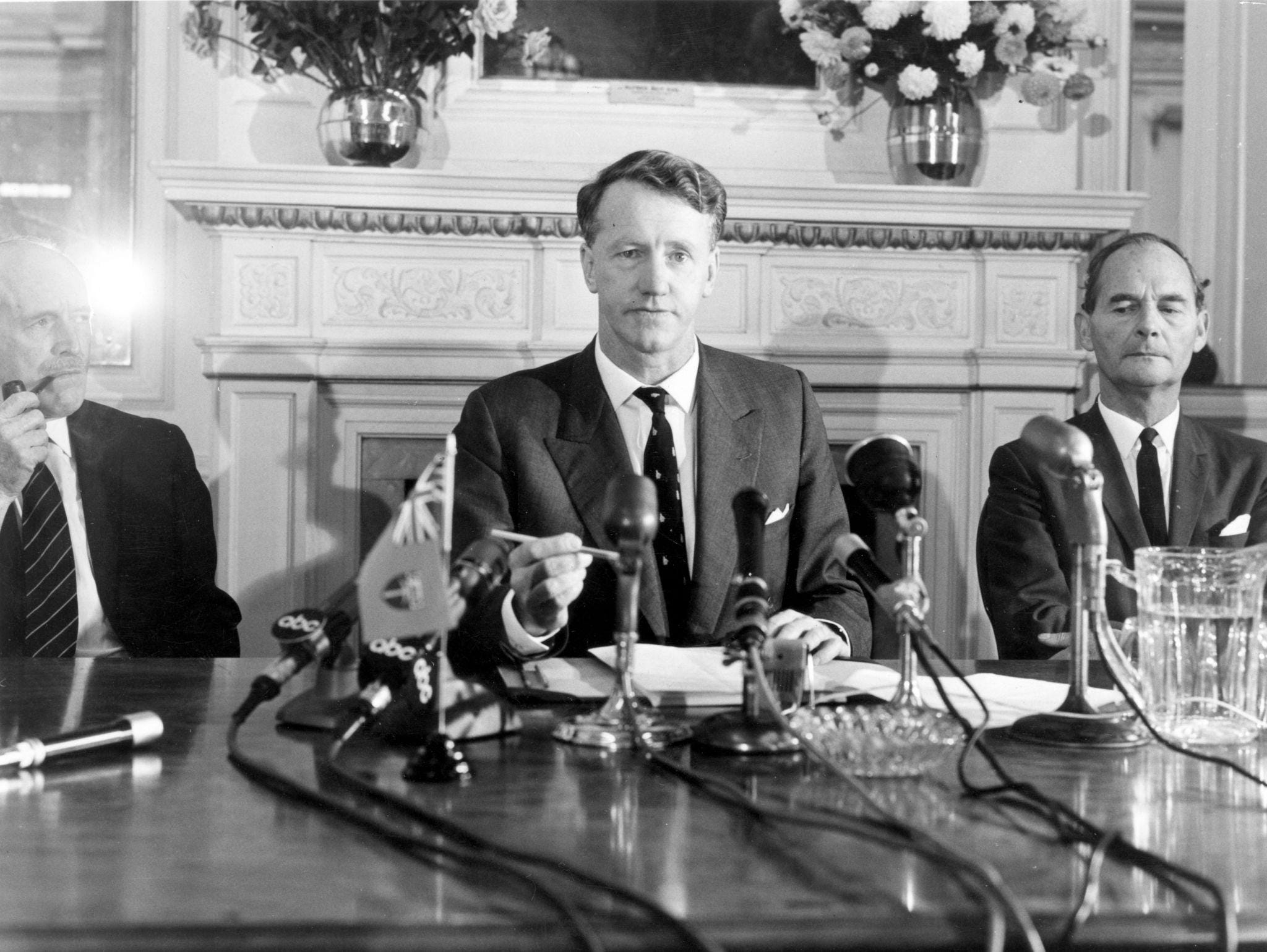
On the side of the white settler minority, the political landscape was shifting rapidly toward uncompromising intransigence. The relatively moderate and naive governments of the 1950s had been swept aside by the rise of the right-wing Rhodesian Front (RF).21 By mid-1964, the government, now under the hardline leadership of Prime Minister Ian Smith, was moving aggressively to consolidate white minority rule against the rising and turbulent tide of African independence sweeping across the rest of the continent. The Smith regime felt deeply betrayed by the British government’s broader decolonisation policies and its refusal to grant Rhodesia independence without a commitment to majority African rule. In response, the Rhodesian Front was actively preparing the groundwork for a Unilateral Declaration of Independence (UDI), an act of open, illegal defiance against the British Crown designed to permanently forestall any transition to democratic African governance.22
As the regime prepared for this constitutional rupture, it simultaneously tightened its grip on domestic security. The state apparatus was mobilised to suppress any form of African political expression.23 Hardline legislation, most notably the Law and Order Maintenance Act, was utilised to ban political gatherings, restrict the movement of African leaders, and empower local District Commissioners to arbitrarily prohibit any meeting deemed a threat to public order.24 The Smith regime was moving toward an absolute ban on all African nationalist parties, which created a dangerous pressure cooker environment where all legal, constitutional avenues for African political participation were firmly sealed shut.25
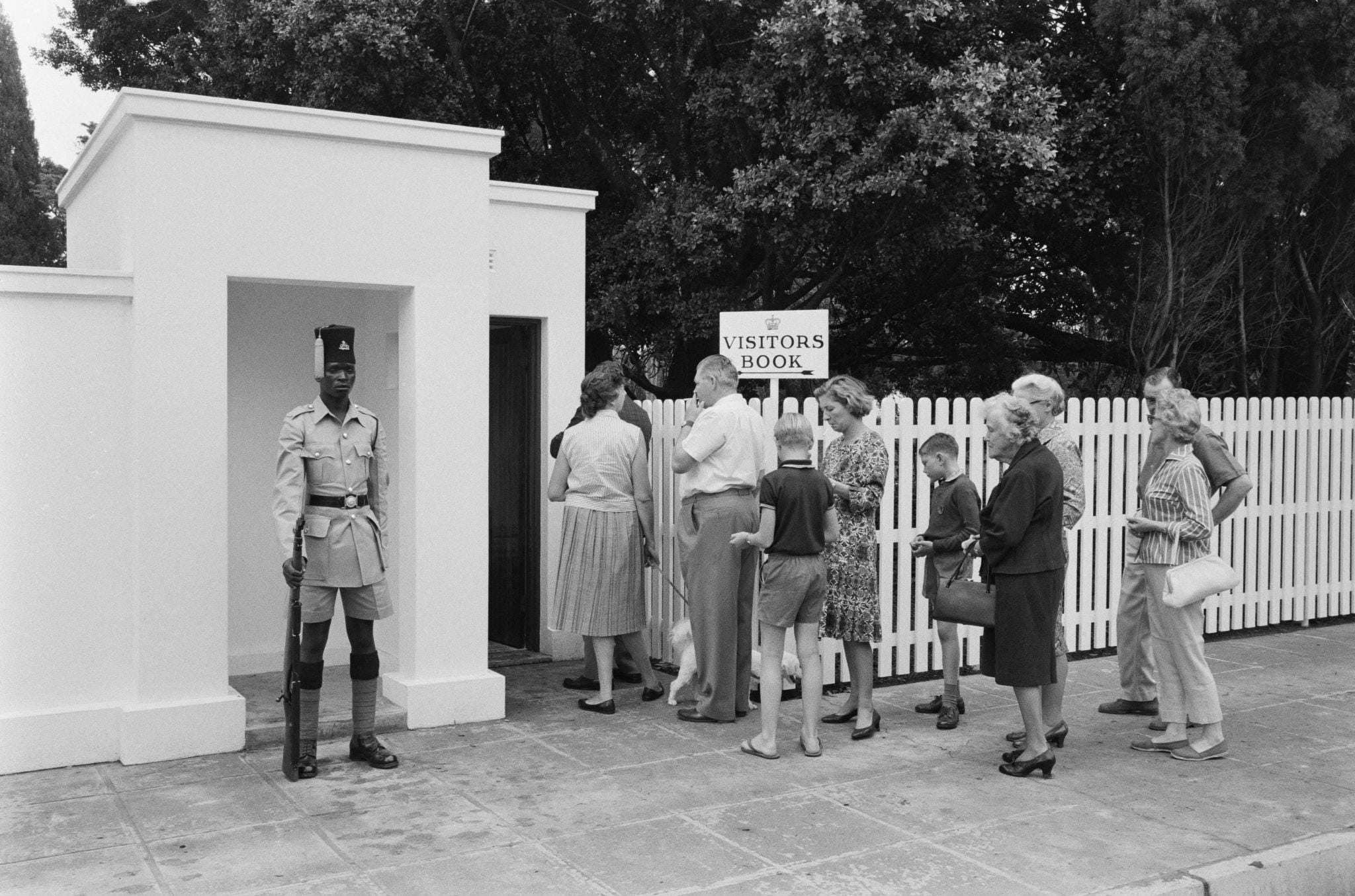
The Nationalist Schism: ZAPU and ZANU
Simultaneously, the African nationalist movement was undergoing its own painful, internal transformation, defined by immense frustration and violent division. Historically, the struggle for African rights in Southern Rhodesia had been characterised by what younger, increasingly militant cadres derisively termed “reformist and law-abiding politics”.26 Organisations led by established figures such as Joshua Nkomo had relied heavily on platform politics, constitutional appeals to the British government, and international diplomacy to pressure the settler regime into concessions.
However, by 1963, immense frustration had mounted over the perceived failure of these peaceful methods. The Rhodesian government was only growing more hardline (understandable so), and the British government appeared unwilling to intervene forcefully on behalf of the African majority, offering only “lip service to the nationalist cause”.27 This frustration culminated in a formal split within the nationalist movement. On August 8, 1963, a faction led by Reverend Ndabaningi Sithole, Robert Mugabe, Leopold Takawira, Edgar Tekere, and others officially broke away from Nkomo’s Zimbabwe African People’s Union (ZAPU) to form the Zimbabwe African National Union (ZANU).28
Sithole and the nascent ZANU leadership explicitly accused Nkomo of indecisiveness and a cowardly reluctance to force a physical confrontation with the settler government. The division was acrimonious and incredibly destructive, leading to widespread violent clashes in the urban townships, particularly in Highfields and Mbare in Salisbury, and Magwegwe in Bulawayo, as rival party militias violently contested for supremacy and popular loyalty.29 This period of internal violence forced many urban Africans into a state of terror, with individuals carrying dual party membership cards simply to survive encounters with roving gangs who would assault them for being either a “Sithole Rover” or an “Nkomoist”.30
The Ideology of Direct Confrontation
It was out of this chaotic time of state repression and internal nationalist rivalry that ZANU formalised a new, radically militant ideology designed to seize the vanguard of the liberation movement. At its inaugural congress in Gwelo (now Gweru) in May 1964, ZANU decisively discarded the previous era of “jet-set diplomacy,” constitutionalism, and platform politics.31 Under the intellectual and political leadership of Ndabaningi Sithole, the party adopted a policy of physical confrontation.32
Sithole issued a famous clarion call that would define the movement’s new posture: “We are our own liberators”.33 This slogan was a psychological pivot as it explicitly rejected the reliance on external diplomatic intervention and placed the burden of liberation directly on the physical actions of the African population. Violence in their minds was theoretically justified as a necessary, rational, revolutionary weapon to meet the “violence” of the colonial state. The strategic objective of this new “take-over politics” was to create an explosive, ungovernable political atmosphere that would psychologically break the white settler community, worsening the economic situation and frightening them into relinquishing power.
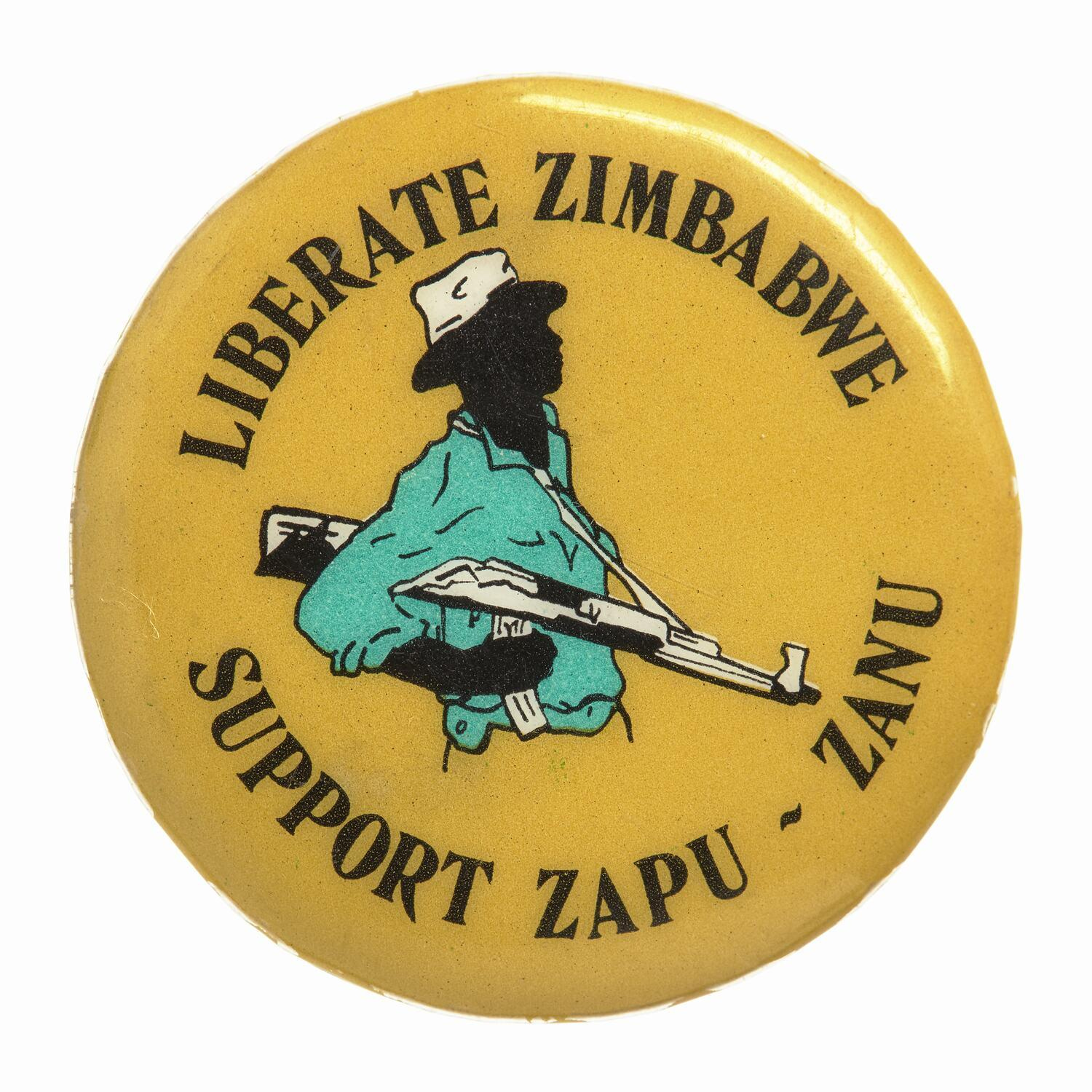
To operationalise this ideology, the 1964 Gwelo Congress adopted a “Five Point Plan” designed to initiate widespread, coordinated sabotage and civil disobedience across the colony.
- Infrastructure Sabotage: Severing the physical lifelines of the colonial state by blowing up bridges, cutting telephone wires, and destroying electricity pylons to disrupt communications and logistics.
- Roadblocks: Erecting physical barriers on main rural and national roads to disrupt commerce, delay military deployments, and psychologically terrorise civilian movement.
- Economic Attacks: Directly attacking the economic base of the white settler minority by destroying livestock, burning crops on European-owned farms, and attacking white-owned shops in African townships.
- Government Attacks: Striking at the symbols of colonial authority, including coordinated attacks on rural Police Stations and the administrative offices of Native Commissioners
- Civil Disobedience: Fostering mass non-compliance through the boycotting of dipping fees and poll taxes, and actively sabotaging agricultural infrastructure by filling communal cattle dip tanks with soil.
Crucially, because the newly formed party lacked an international supply chain for modern firearms in mid-1964, the leadership instructed its cadres to utilise whatever rudimentary weapons were available for immediate physical confrontation. The struggle was to be fought with the tools of the land: axes, spears, bows and arrows, homemade knives, and petrol bombs.
Deployment of the Crocodile Gang
The theoretical dictates of the Gwelo Congress required practical execution. ZANU needed to prove its militant credentials, both to terrorise the Rhodesian state and to outflank their rival, ZAPU, in the eyes of the African majority.34 To this end, specialised commando units were formed and tasked with initiating the sabotage campaign. One of the most famous and historically consequential of these early units was the “Crocodile Gang”.35
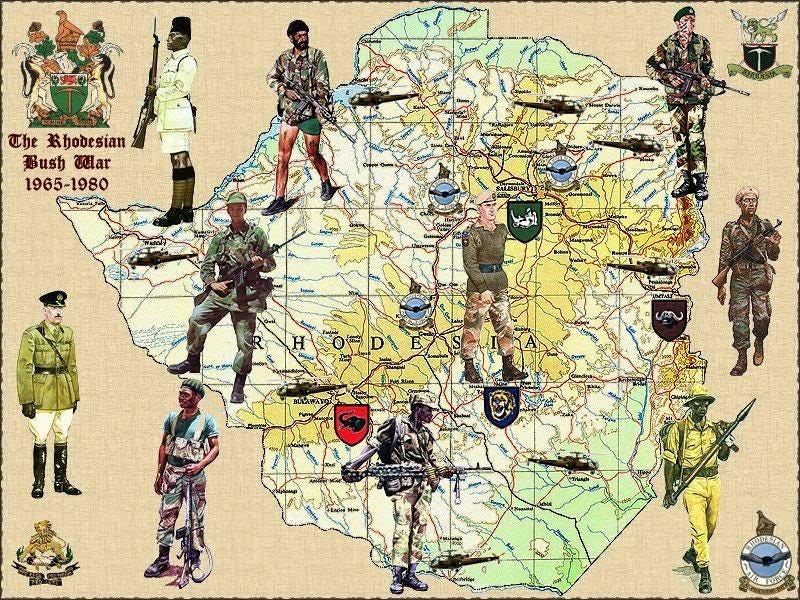
The Crocodile Gang was a small and highly motivated cell of ZANU terrorists. Following the May congress, several volunteers had initially prepared to travel to China for formal military training.36 When the logistics for this international trip failed to materialise, a dedicated core of men remained behind, deeply disillusioned by the delay but entirely willing to initiate domestic operations immediately. This vanguard terror group included William Ndangana, James Dhlamini, Victor Mlambo, Master Tresha Mazwani, Amos Kademaunga, and Matthew Malowa, alongside a young Emmerson Mnangagwa.37
On June 24, 1964, six members of the group arrived in Salisbury and met with Robert Mugabe, the Secretary General of ZANU, who had been left in charge of domestic operations while Sithole was detained and Takawira was in prison.38 The terrorists requested pistols for their upcoming mission. However, Mugabe, noting their complete lack of formal weapons training, denied the request, stating he preferred they use knives and sticks to avoid accidental exposure, friendly fire, or the rapid escalation of state military response before the insurgency was fully prepared.39
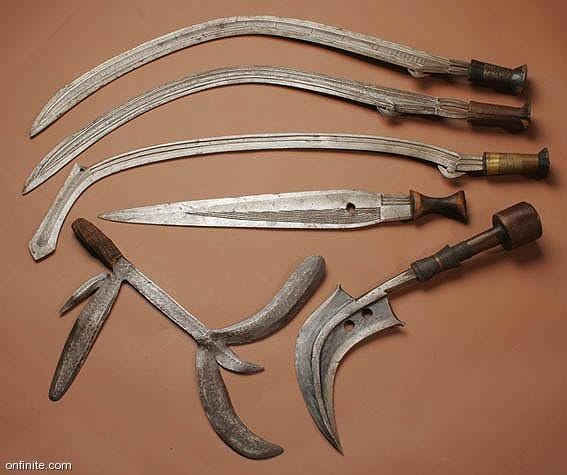
Thus, armed only with money provided by the party, the group was deployed to the Manicaland province in the eastern districts on June 28, 1964, officially adopting the operational name ‘Crocodile Group’.5 The selection of the Melsetter (present-day Chimanimani) and Chipinge districts was deliberate. Manicaland has mountainous and densely wooded terrain, complete with extensive cave networks that was perfectly suited for asymmetric hit-and-run guerrilla tactics.40 Upon arriving in Umtali, the group used their party funds to purchase long knives and commercial dynamite, preparing to execute the Five Point Plan.41
July 4 Ambush
When Pieter Oberholzer’s Volkswagen kombi encountered the roadblock of boulders on July 4, his fate was sealed entirely by his racial identity within the context of ZANU’s doctrine of confrontation.
As Oberholzer was stoned and subsequently stabbed to death by Ndangana, his wife Johanna and their three-year-old daughter Elizabeth were left entirely at the mercy of the attackers.42 The gang numbered at least four men surrounding the trapped vehicle, armed with long knives and heavy stones. Had their motive been bloodlust or criminal robbery, it is highly likely that Johanna and the child would have been killed to eliminate witnesses to a capital crime.
Instead, a conscious decision was made to spare the mother and child. The group explicitly wanted to demonstrate that they were a highly disciplined terror unit engaging in an act of war against a symbol of supposed white oppression. By executing the Afrikaner patriarch and purposefully leaving the women alive to report the event, the Crocodile Gang intended to send an unambiguous message of psychological terror to the white Rhodesian populace: the sanctity of the white civilian was no longer recognised, the state could not protect them, and the rural roads now belonged to the insurgency. Following the attackers’ hasty retreat into the bush, Johanna Oberholzer, bleeding from a jaw injury caused by a thrown stone, managed to survive the harrowing night in the wreckage with her traumatised daughter until they were discovered by the Martindale family, who drove them to the police station in Chipinge.43
Crackdown and International Crisis
The state’s response was swift, sweeping, and hardline. In August 1964, just weeks after the Oberholzer killing, the Smith administration moved definitively to ban both ZANU and ZAPU, declaring them unlawful organisations.44 The government initiated mass arrests, deploying the police and military to detain the entirety of the nationalist political leadership that remained within the country. Ndabaningi Sithole, who had been undergoing a high-profile trial in Umtali while his terrorist cadres purchased the knives that killed Oberholzer, was sentenced and subsequently restricted to a remote detention camp along with hundreds of other activists.45
The security dragnet captured the political core of the movement: Robert Mugabe, Leopold Takawira, Edgar Tekere, Enos Nkala, and Maurice Nyagumbo were all imprisoned.46 Many of these terrorist leaders would remain incarcerated in maximum security facilities for a decade.47 The Oberholzer assassination, intended by ZANU as the spark for a mass, immediate popular uprising, instead resulted in the complete suppression of above-ground African politics in Rhodesia. With the internal leadership decapitated, the movement was forced to rely on external military leadership such as Josiah Tongogara and the barrister Herbert Chitepo operating from bases in Zambia and later Mozambique to rebuild the armed struggle over the next decade.48 Paradoxically, the ambush accelerated the Rhodesian state’s trajectory toward the Unilateral Declaration of Independence, which was formalised in November 1965.49
The Trial of Mlambo and Dhlamini
While William Ndangana and several others managed to evade immediate capture and slip across the border, the Rhodesian police eventually apprehended two members of the Crocodile Gang directly involved in the July 4 ambush: Victor Mlambo and James Dhlamini.50 They were charged with murder under the security laws of the territory.
Johanna Oberholzer took the stand in the High Court, delivering testimony that explicitly detailed the events of the evening, the sudden stop, the pelting of stones, the breaking of the windscreen, the derogatory shouts, and the rapid, fatal stabbings.51 The defense, grasping at technicalities in a court determined to secure a conviction, attempted to argue over the age of James Dhlamini. Dhlamini, who had been employed at the ‘Luxury Tea Room’ in Kitwe, Zambia, possessed no formal physical description or birth records in the court files.52 There was a dispute over whether he had reached the age of eighteen, which was the absolute legal threshold for the imposition of the death penalty under the law.53 Unable to locate Dhlamini’s parents to verify his birth date, the presiding judge unilaterally determined his age to be nineteen, legally clearing the path for execution.54 Both men were found guilty of murder and sentenced to hang.55
By the time their execution dates approached in early 1968, Rhodesia had already declared UDI.56 The territory was functioning as a renegade colony, acting in open defiance of the British Government. The British legal system, which had historically provided a shared tradition of justice and a common source of legitimacy through the British Crown, no longer held functional sway in Salisbury.
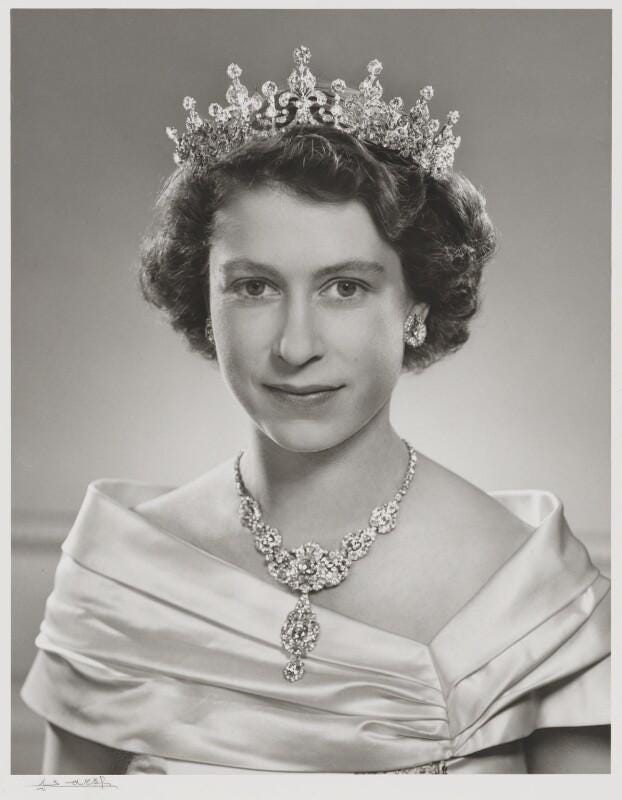
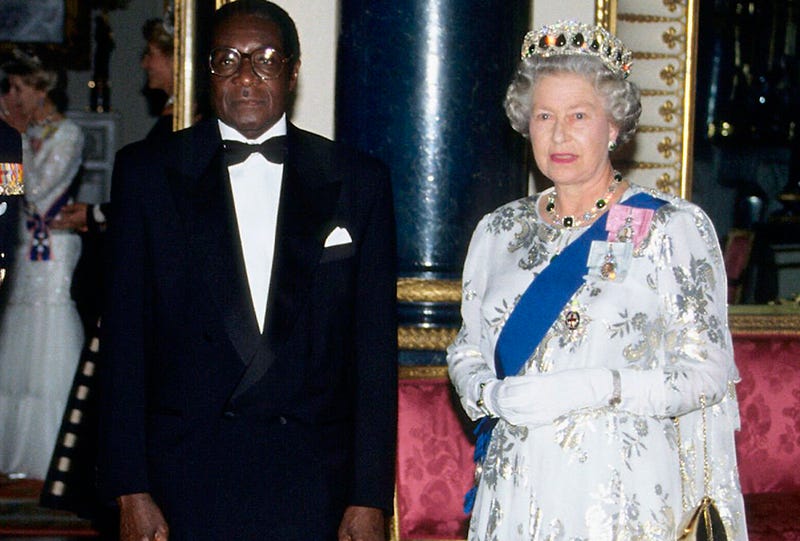
In a final attempt to assert British sovereignty and save the lives of the condemned terrorist men, Queen Elizabeth II personally exercised the royal prerogative of mercy, issuing a formal reprieve for Mlambo and Dhlamini.57 In an act of understandable defiance that severed the final symbolic and legal links of shared British justice, the Smith regime explicitly ignored the Queen’s reprieve. The men were hanged by the Rhodesian state on March 6, 1968.58 The executions sparked intense global outrage, dominating international news cycles and prompting a formal moment of silence in the Indian parliament, cementing Mlambo and Dhlamini as early, high-profile martyrs of the international anti-colonial struggle (truly a shameful and self-hating act of the British State).
Conclusion: Blood on the Roadside
The killing of Pieter Johannes Andries Oberholzer on that quiet stretch of the Umtali-Melsetter road remains one of the most consequential micro-histories of the violent and terroristic African decolonisation process.
The geopolitical struggle over the future of a nation was distilled down into the desperate cries of a white factory foreman, the sudden shattering of a windshield, the thrust of a homemade knife purchased in a local market, and the enduring horror of a mother and child left bleeding in the dark.
The events of that dusk did not immediately bring down the Rhodesian state, indeed, the ambush provoked a hardline crackdown that decapitated the nationalist movement and delayed final “liberation” by fifteen bloody years. But the stones dragged across the road in Melsetter marked the point of absolute no return. The talking had definitively stopped.
https://celina101.substack.com/p/the-first-white-political-death