
Charlottesville, the SPLC, and the Story Built on Sand
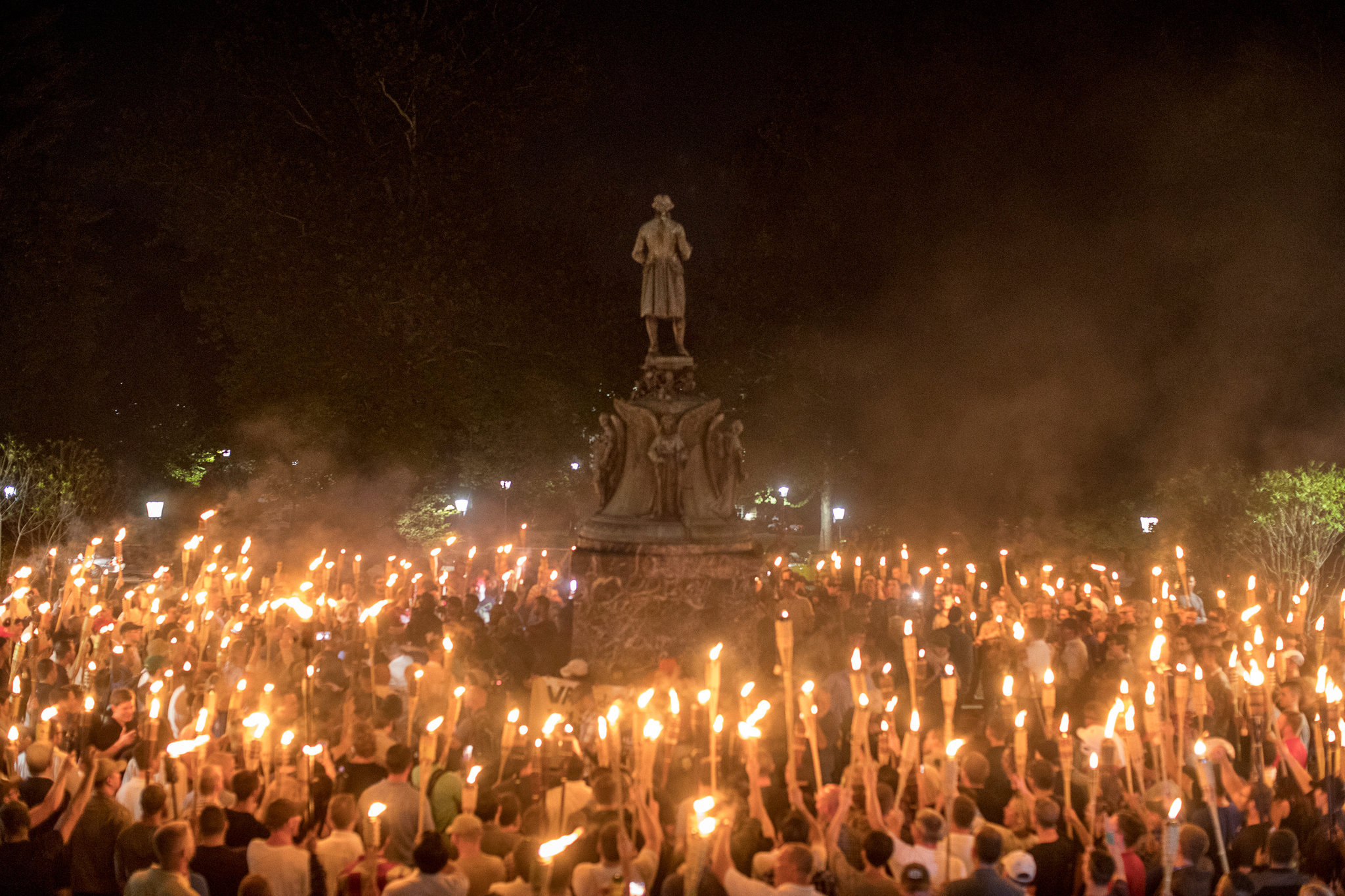
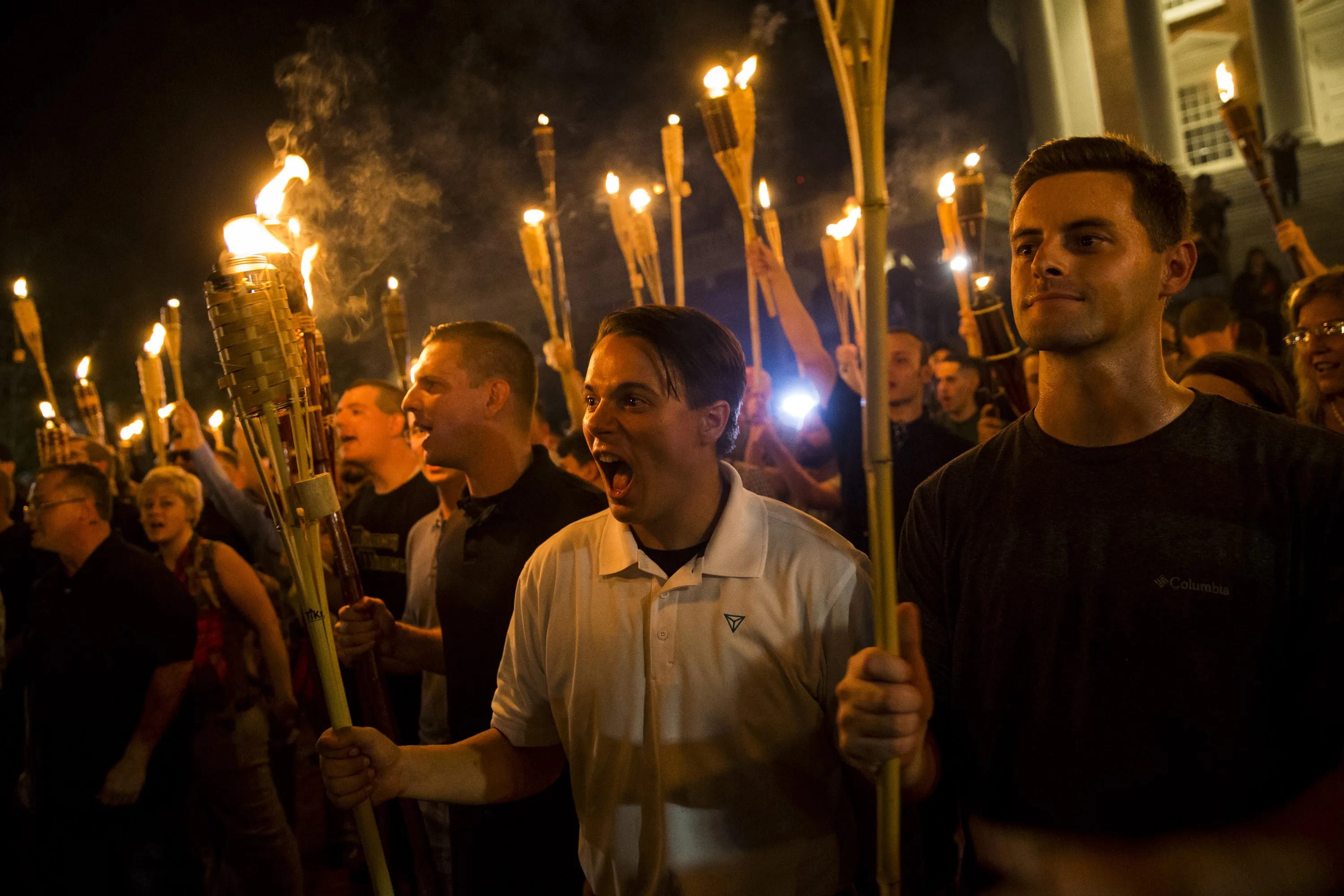
For nearly a decade, the 2017 “Unite the Right” rally in Charlottesville has been portrayed as a defining moral crisis of the Trump era. Across the media and in political speeches, Charlottesville became shorthand for “Trump-era” hate. In his 2019 campaign launch, Joe Biden called Charlottesville “a defining moment for this nation,” describing how “Klansmen and white supremacists and neo-Nazis” marched bearing “the fangs of racism”.
He condemned President Trump’s “very fine people on both sides” comment. In Biden’s words, the president’s equivocation “assigned a moral equivalence between those spreading hate and those with the courage to stand against it,” and thus signalled a threat “unlike any I had ever seen in my lifetime”.2 Polling at the time showed the public broadly agreed, nearly 60% of voters said Trump had “encouraged” white supremacists by his response, and a majority disapproved of how he handled Charlottesville.3 In short, Democrats and sympathetic media used Charlottesville as a concrete proof-point that Trump had unleashed a racial crisis, and that the country was in “a battle for the soul of this nation”.4 This narrative was presented earnestly by them: far-right violence in Charlottesville would be a national wake-up call about racial hatred that, in their telling, demanded urgent political action.
The Indictment: SPLC Charged
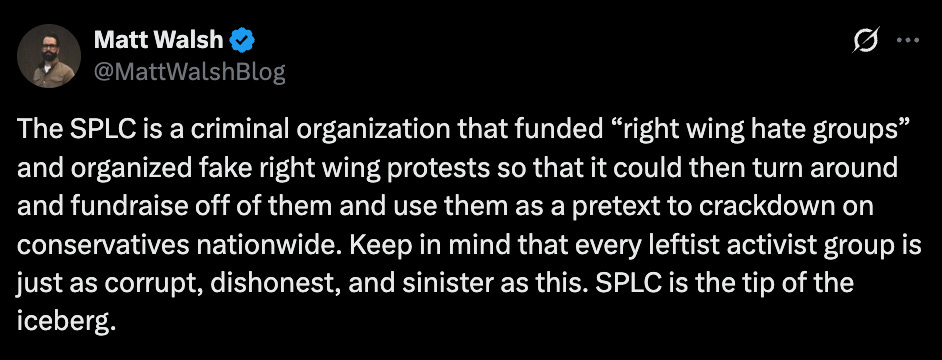
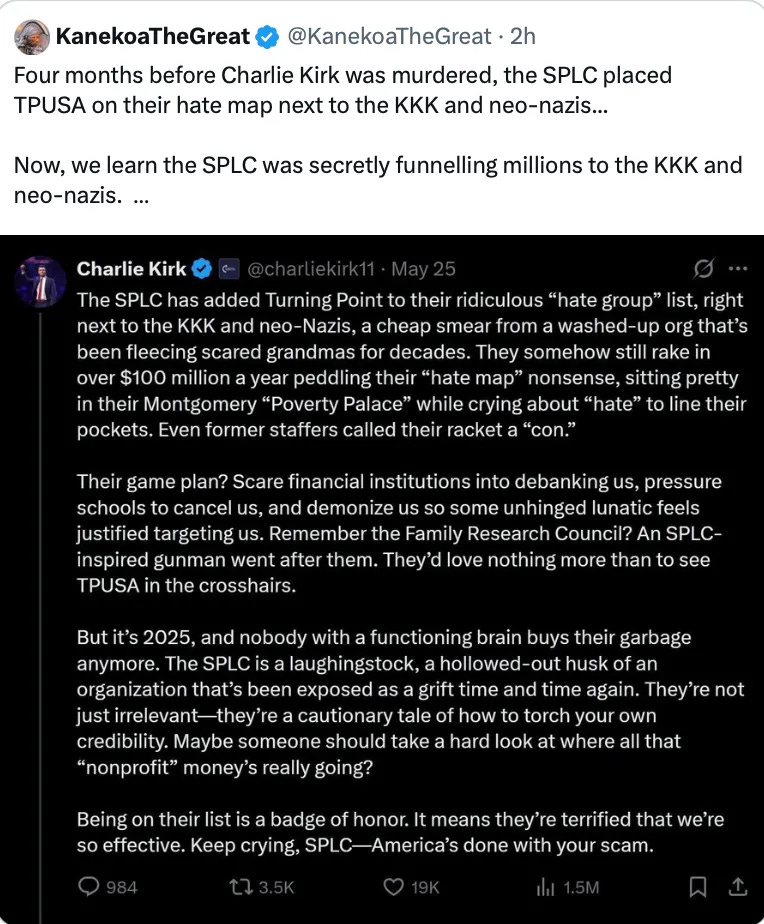
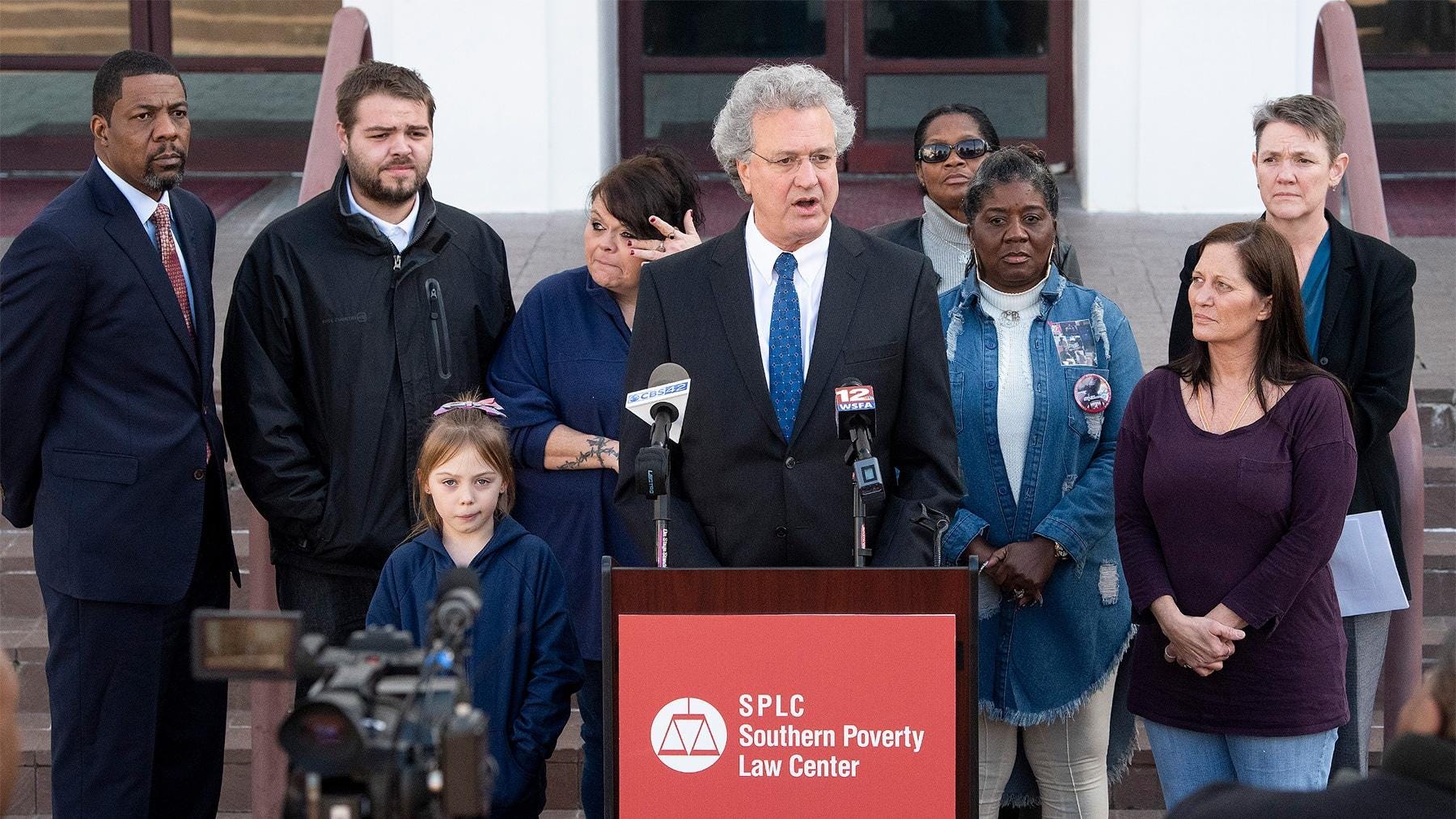
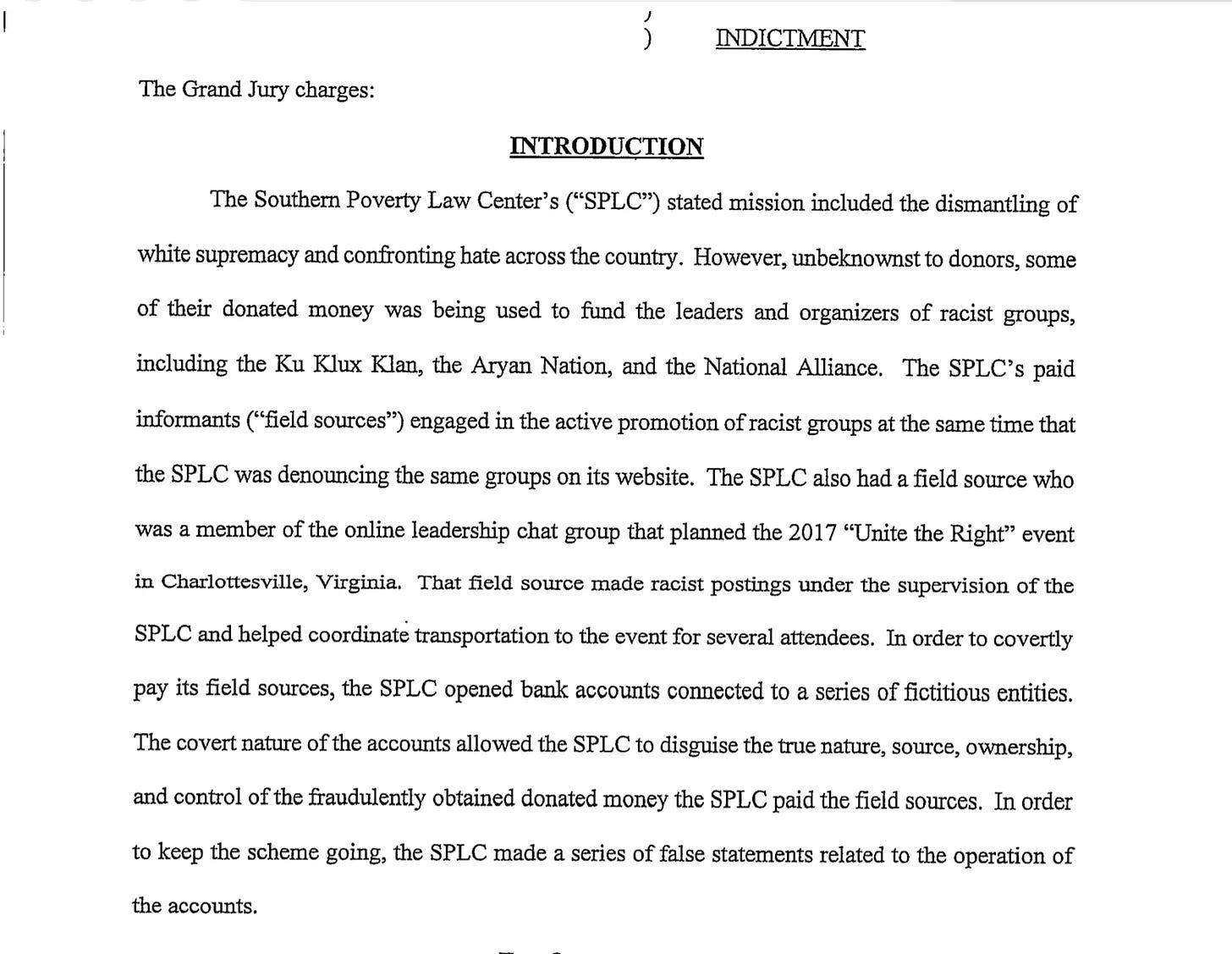
Last week, a new development has upended that narrative. On April 21, 2026, the Department of Justice announced that an Alabama grand jury returned an 11-count indictment against the Southern Poverty Law Center (SPLC), the prominent civil-rights nonprofit best known for its “hate group” lists, charging it with wire fraud, bank fraud, and conspiracy to commit money laundering.5 The indictment alleges that from 2014 to 2023 the SPLC secretly funnelled more than $3 million in donated funds to individuals in violent extremist groups.6 For example, DOJ spokesmen say SPLC paid large sums to figures associated with the Ku Klux Klan, the neo-Nazi National Socialist Movement, the Aryan Nations and others. Crucially, prosecutors claim SPLC used covert methods: it opened bank accounts in the names of “fictitious entities” (with names like “Center Investigative Agency,” “Fox Photography,” and “Rare Books Warehouse”) to disguise payments to its paid informants. By routing donations through these shell accounts, SPLC allegedly hid the true destination of the funds. In effect, donors were told their money was helping to “dismantle” hate groups, but a portion of it was instead being diverted back to the leaders and organisers of those very groups, all while SPLC publicly denounced them.7
The indictment lays out telling examples. One SPLC “field source” reportedly received over $1 million between 2014 and 2023 while affiliated with the neo-Nazi National Alliance.8 Another informant was actually in the inner online circle that planned the Charlottesville rally itself: prosecutors say he “made racist postings” in that chat group and even “helped coordinate transportation” to the August 2017 march, all while being paid by SPLC.9 The DOJ press release quotes FBI Director Kash Patel, who bluntly said SPLC “lied to their donors, vowing to dismantle violent extremist groups” while “paying the leaders of these very extremist groups”.10 Acting Attorney General Todd Blanche similarly charged that “the SPLC is manufacturing extremism to justify its existence,” using donor money not to combat but to “stoke racial hatred”.11 DOJ officials argue that, if proven, SPLC’s actions amounted to an elaborate fraud: donors were intentionally misled, and false statements were made to banks to conceal the program. In sum, the indictment portrays SPLC as doing “the exact opposite” of its claimed mission, funding racial hate rather than fighting it. All of these details are, of course, allegations. The legal question at this stage is whether prosecutors can prove intent to defraud, but the charges alone lay bare a startling claim: that an organisation central to defining and fighting extremism may have been materially involved with it.
Shaken Foundations
For years, Charlottesville had been treated as an organic moral flashpoint, a crisis that proved Trump had unleashed something toxic and extreme. But now we must ask: if the principal watchdog against hate was allegedly funnelling resources into those same hate networks, does that undercut the innocence of the story? Put differently, how do we reconcile the image of Charlottesville as a spontaneously erupting event of hatred with the notion that some of the money keeping that machinery alive might have come from within the “counter-extremism” camp?
This is a very delicate question. It would be inappropriate and premature to label the Charlottesville narrative “fabricated”. But the indictment’s claims suggest that elements of the story may not have been entirely organic. If SPLC did fund organisers or informants who helped set up the rally, one could wonder to what extent those events were shaped by groups with their own agendas. In practical terms, the public was never informed that some sources for the post-Charlottesville outrage might have had financial ties to SPLC. For those who had taken the narrative at face value, there will be deep unease: was a bit of our moral certainty unwittingly constructed?
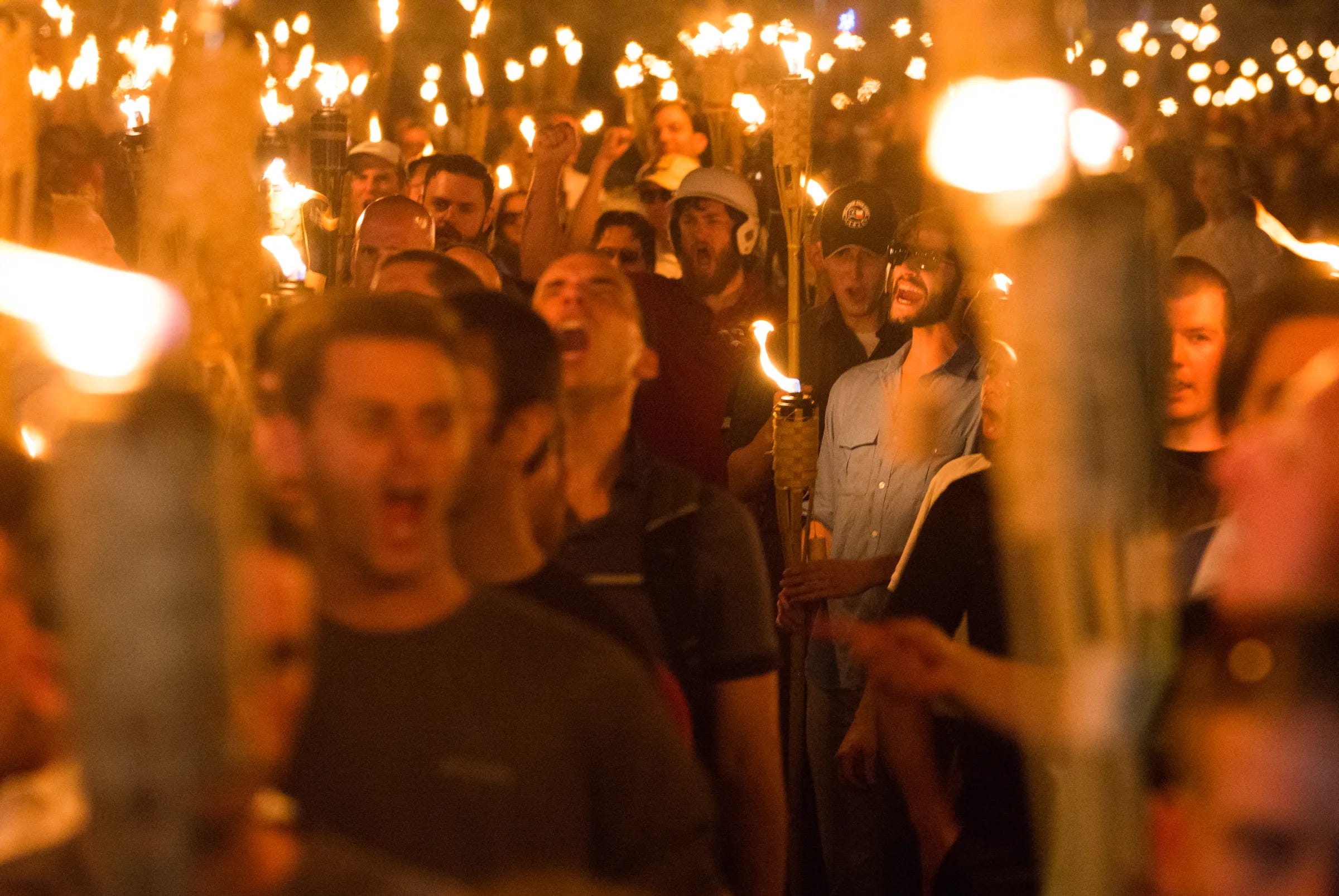
To be clear, none of this proves a grand conspiracy, but it is not far off one. For the leftists and middle of the road people who built their political identity around Charlottesville, “remember Charlottesville” became a slogan, the idea that SPLC might have interacted with the narrative’s characters is disquieting. The comfort of clear-cut moral clarity is jolted.
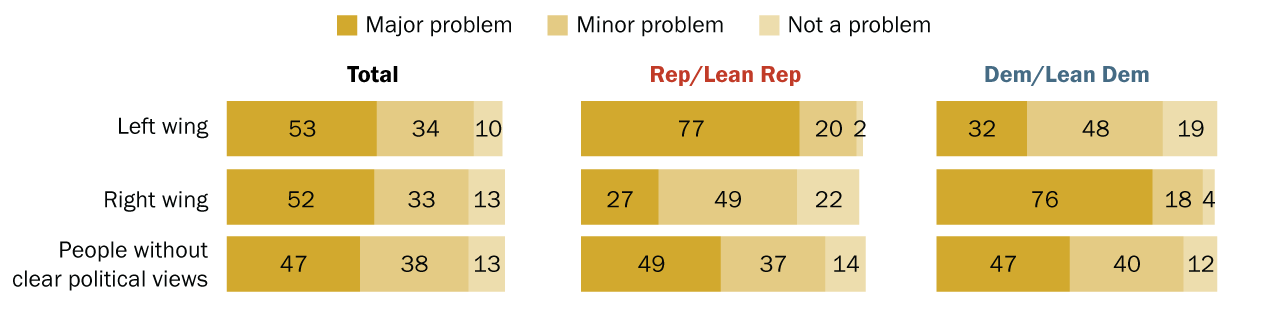
We are left grappling with uncertainty: if a leading enemy-of-hate groups was also financing hate groups, to what degree was the rising tide of “hate stories” amplified by selective attention? American public opinion has long been polarised on these issues anyway: as one recent poll shows, 76% of Democrats see right-wing extremism as a major problem, whereas only 27% of Republicans do, each side largely blames the other for violence.12 In that context, many on the right have already viewed the Charlottesville focus with suspicion. They ask: “What America are they talking about?” because in many communities, there never were torchlit neo-Nazi marches every weekend. Now, the SPLC indictment gives that fair skepticism fresh fuel. It suggests the narrative may have been sustained by those who profited from it. Even hinting at that upends the received story.
Incentives and Outcomes
Nonprofit organisations, advocacy groups, and media outlets all operate in a kind of market. They need money, attention, and influence to survive. Paradoxically, that often means benefiting from the persistence of the very problem they claim to solve. In the SPLC’s case, if white supremacist networks were truly neutralised, supporters might stop donating. Meanwhile, reports of constant threats keep donations flowing. This doesn’t require any secret collusion, it follows a basic “mission-preservation” logic. In fact, even DOJ officials framed it this way: Acting AG Blanche accused SPLC of “manufacturing the extremism it purports to oppose”.13 Whether or not the SPLC consciously did so, that phrase captures the key issue, an organisation can end up, in effect, producing its own proof of necessity.
This dynamic has parallels elsewhere. Think tanks highlight enduring foreign threats, environmental groups emphasise ongoing crises. If they solve the problem, their raison d’être shrinks. So groups naturally frame the story to keep funding. In the extremist-watch world, the SPLC and others have incentives to emphasise any sign of danger. The new accusations, then, put a spotlight on that broader incentive structure. If history teaches us anything, it’s that turning off the crisis narrative can make donors and media lose interest, so there is subtle pressure to keep the threat alive. The SPLC indictment claims that this pressure led to deception.
Final Reflections: Who Tells the Story?
We must end with humility. No one is saying Charlottesville itself didn’t happen or that radical groups don’t exist. The question is how we interpret and use such events. Modern political discourse often depends on clear stories, heroes and villains, sometimes repeated so many times they take on a life of their own. The SPLC case reminds us to be careful about the chains of custody for our narratives. When the institutions that are supposed to define “the enemy” may have been financially intertwined with them, it raises the ultimate question: Who really is telling our story?
The answer may be beyond any one investigation, but it is a question we can’t avoid. If the institutions that define our “enemies” become entangled with them, the question is no longer simply who the enemy is, but who is telling the story.
The indictment can be read by clicking here.
https://celina101.substack.com/p/charlottesville-the-splc-and-the