
Was Modern Art Really a CIA Psy-Op?
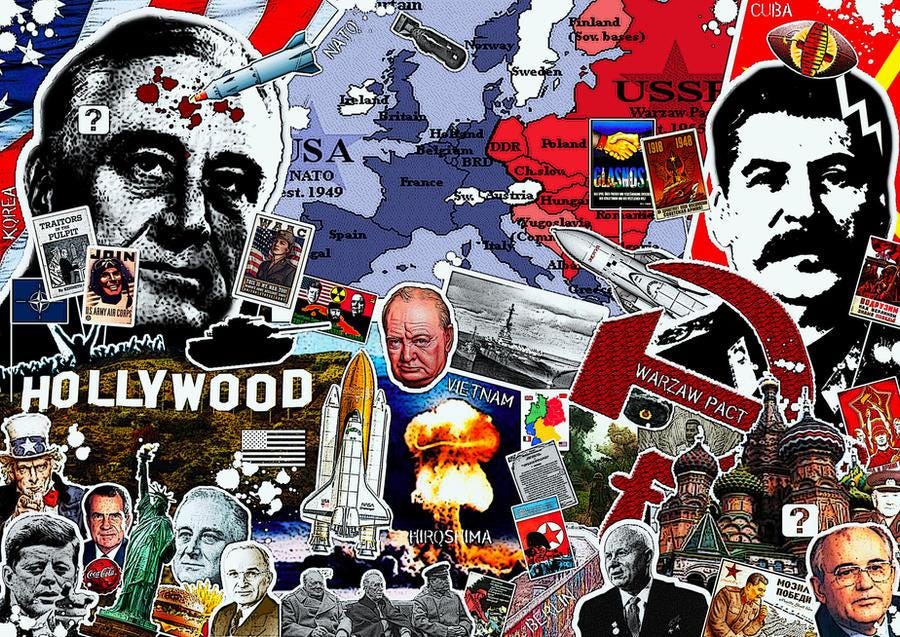
How MoMA and the CIA Conspired to Use Unwitting Artists to Promote American Propaganda During the Cold War.
“Our aim in the Cold War is not conquering of territory or subjugation by force. Our aim is more subtle, more pervasive, more complete. We are trying to get the world, by peaceful means, to believe the truth. That truth is that Americans want a world at peace, a world in which all people shall have opportunity for maximum individual development. The means we shall employ to spread this truth are often called “psychological.” Don’t be afraid of that term just because it’s a five-dollar, five-syllable word.
“Psychological warfare” is the struggle for the minds and wills of men.”
— President Dwight D. Eisenhower
Abstract Expressionism is arguably the most famous American art movement of the 20th century.
There’s a 95% chance you’ve seen a painting by Jackson Pollock, Willem de Kooning, or Mark Rothko, even if you didn’t know their names.
And if you’ve spent any time online, you’ve probably heard the rumours:
They were funded by the CIA.
It was all propaganda.
It wasn’t even real art…just a psyop.
That sounds absurd.
Except… there is a large, large grain of truth behind it.
Manufacturing Consent
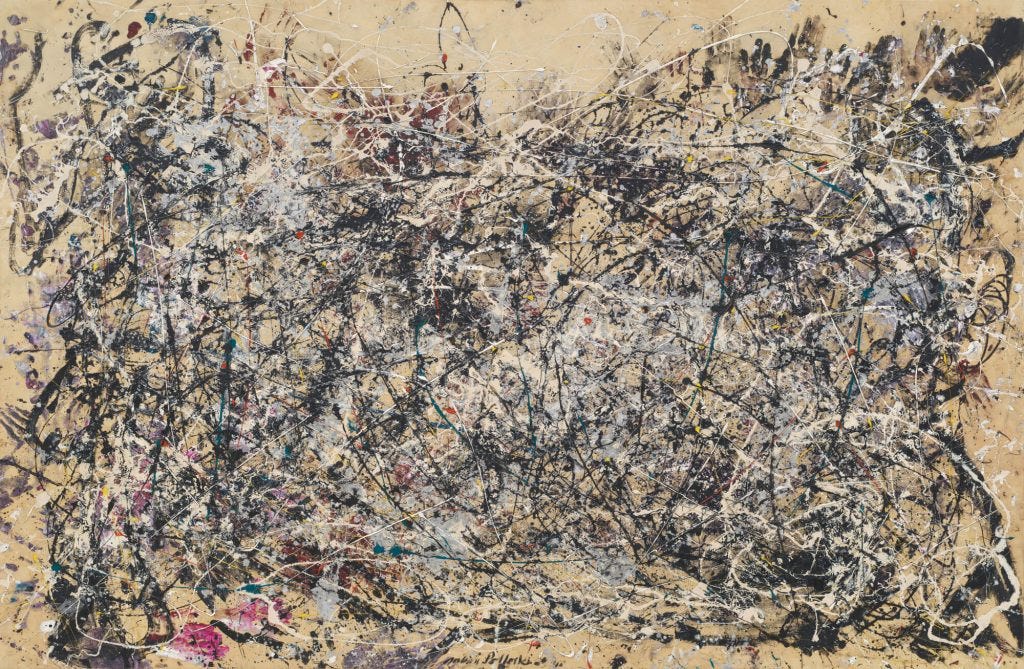
After the First World War, the journalist Walter Lippmann helped pioneer the view that the control of information and, more importantly, the control of public response, had become essential to the stability of modern democracy. This was especially true in moments when the state required certain reactions from the public, as it did during wartime. Lippmann, who famously popularised the phrase “the manufacture of consent,” argued that representative government could no longer function without the deliberate use of mass communication in the supposed service of the public good:
“That the manufacture of consent is capable of great refinements, no one, I think, denies. The creation of consent is a very old act, which was supposed to have died out with the appearance of democracy, but it has not died out. It has, in fact, improved enormously in technique, because it is now based on analysis rather than on rule of thumb. And so, as a result of psychological research, coupled with the modern means of communication, the practice of democracy has turned a corner. A revolution is taking place, infinitely more significant than any shifting of economic power.”1
Lippmann’s ideas about the “manufacture of consent” would not remain theoretical for long. After the Second World War, they were tested on an unprecedented scale by the American establishment.
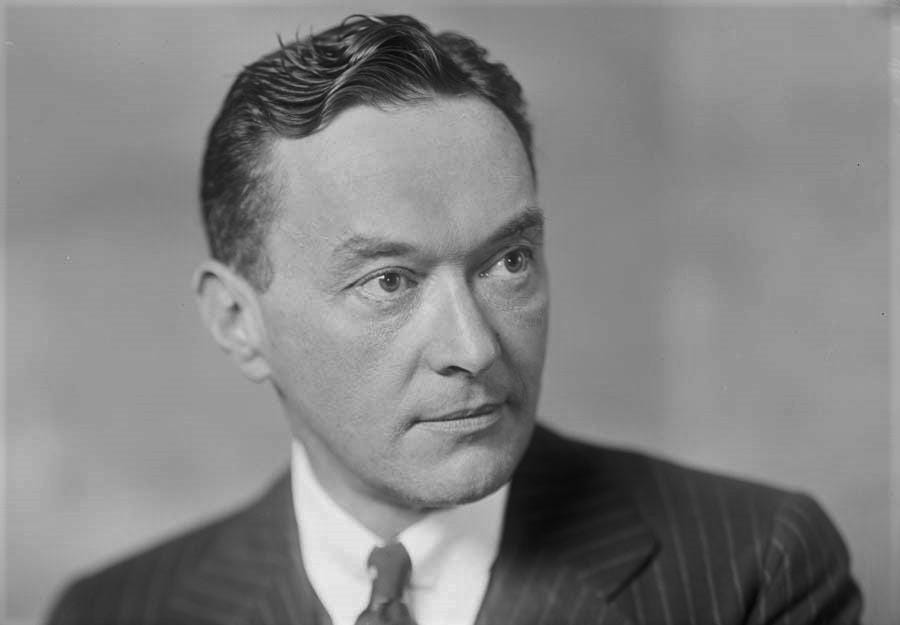
Poets, philosophers, critics, and intellectuals became participants in it. They were recruited, funded, and mobilised to form the cultural front line of a struggle against the Soviet Union. But this was not a conventional war. There were no trenches, no battlefields, no declarations.
Instead, it was a war of ideas, fought in publishing houses, universities, art galleries, and across the airwaves. At the centre of this effort stood the Congress for Cultural Freedom.
And its story reveals just how far a democracy was willing to go in shaping what its citizens and the world would come to believe.
The Rupture of the Real
The trauma of the first half of the twentieth century which culminating in the slaughter of the Second World War, the horrors of the Holocaust, and the apocalyptic dawn of the atomic bomb in 1945 shattered the epistemological foundations of the West. Some had thought that the nineteenth-century Enlightenment belief in universal truth, linear progress, and rational order had led directly to the trenches and the death camps. As philosopher Jürgen Habermas would later reflect, the post-war revelations disclosed a profound “civilisational rupture” that necessitated a complete reevaluation of human culture.2
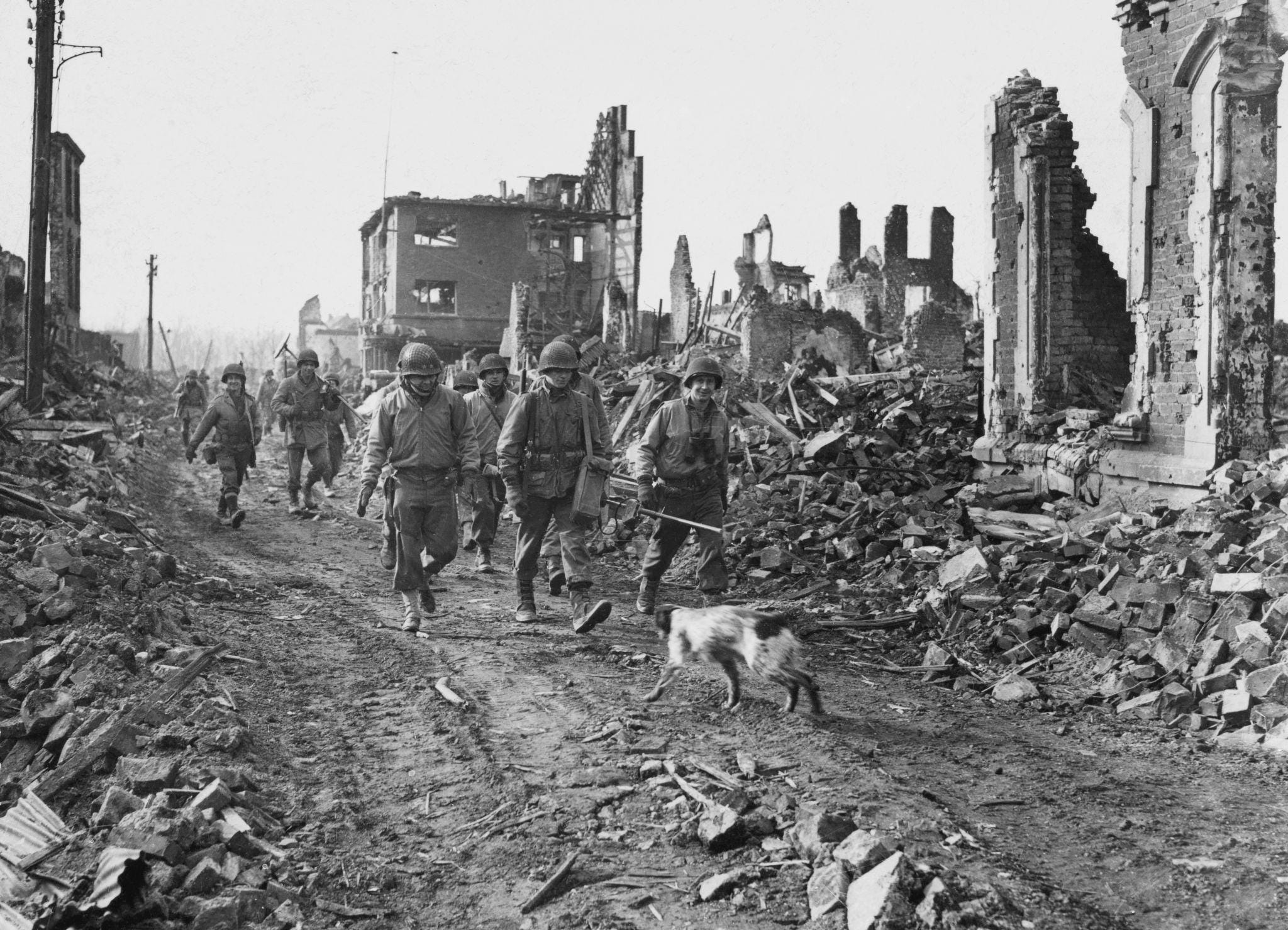
Consequently, the shared language of representational art collapsed under the weight of its own inadequacy. How could a painter neatly replicate the visible world when the visible world had just proven itself capable of unfathomable, irrational destruction? To paint a bucolic landscape or a heroic portrait in the aftermath of 1945 seemed to some intellectually dishonest. The philosopher Theodor Adorno and his contemporaries in the Frankfurt School observed that traditional aesthetic frameworks were thoroughly compromised by the logic of instrumental reasoning that had fuelled global conflict.3 The aesthetic standards of the past were viewed as complicit in the barbarism of the present.
Emerging from this was a deep cultural dislocation where meaning could no longer be inherited from classical traditions or religious orthodoxies. In this vacuum, the European avant-garde had paved the way with the fragmented perspectives of Cubism and the psychological excavations of Surrealism, but it was in the United States that the final and decisive break occurred. Modernism took a critical stance toward the very concept of rationalism, embracing fragmentation, abstraction, and the primacy of internal, subjective experience over external reality.
Abstract Expressionism abandoned the recognisable object entirely. It rejected the “obsolete props of an outmoded and antiquated legend,” as the painter Barnett Newman declared, explicitly freeing itself from “the impediments of memory, association, nostalgia, legend, and myth that have been the devices of Western European painting”.4 The canvas was no longer a window into a recognisable, shared world.
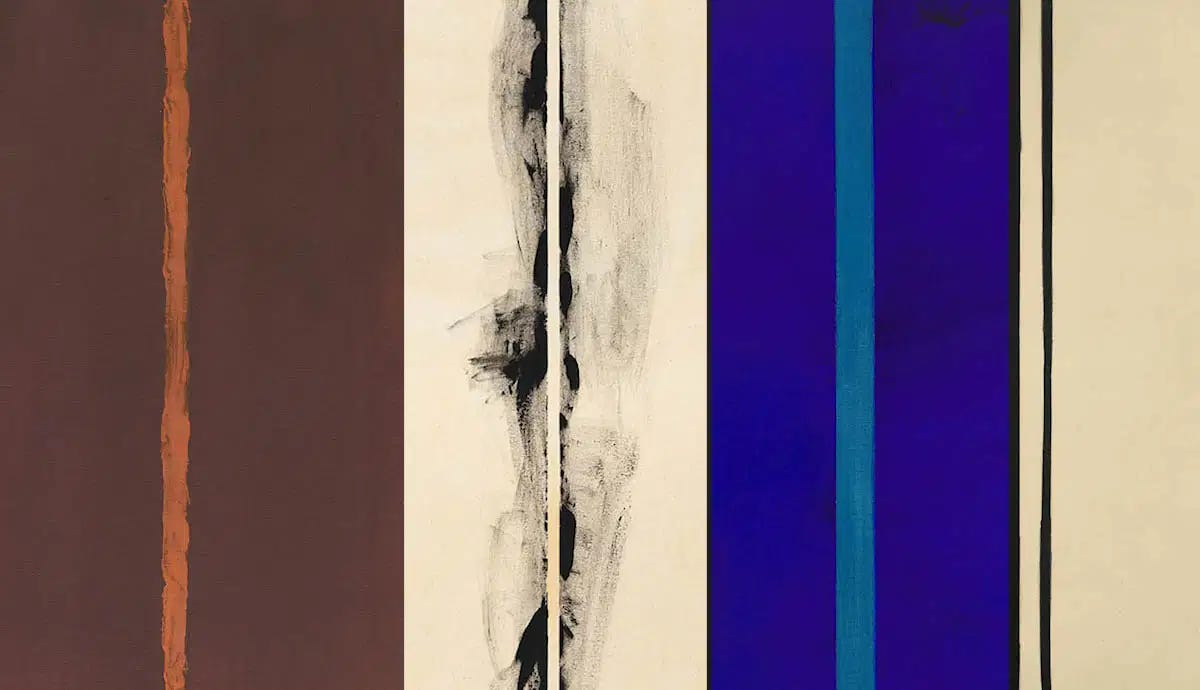
This total retreat into the subjective self resulted in art that was famously, and deliberately, “un-interpretable”.5 Abstract Expressionism offered no narrative, no moral instruction, no political demands, and no recognisable figures. It was a visual language of chaos, intuition, and raw psychic energy. To the average American citizen, and to the socially conservative political establishment of the era, this art was baffling, offensive, and highly suspect.6 Yet, to a select group of highly educated, cosmopolitan intelligence officers in Washington, this absolute lack of specific political meaning was precisely what made it a flawless political weapon.
The Rise of the New York School
First we have to visualise the work being produced by the New York School in the late 1940s and 1950s to grasp the utility of Abstract Expressionism. The work produced was actually not a monolith, it was broadly divided into the “action painters” and the “colour field” painters, but both groups shared a commitment to large-scale and non-objective imagery that bore the physical evidence of the artist’s working process.7
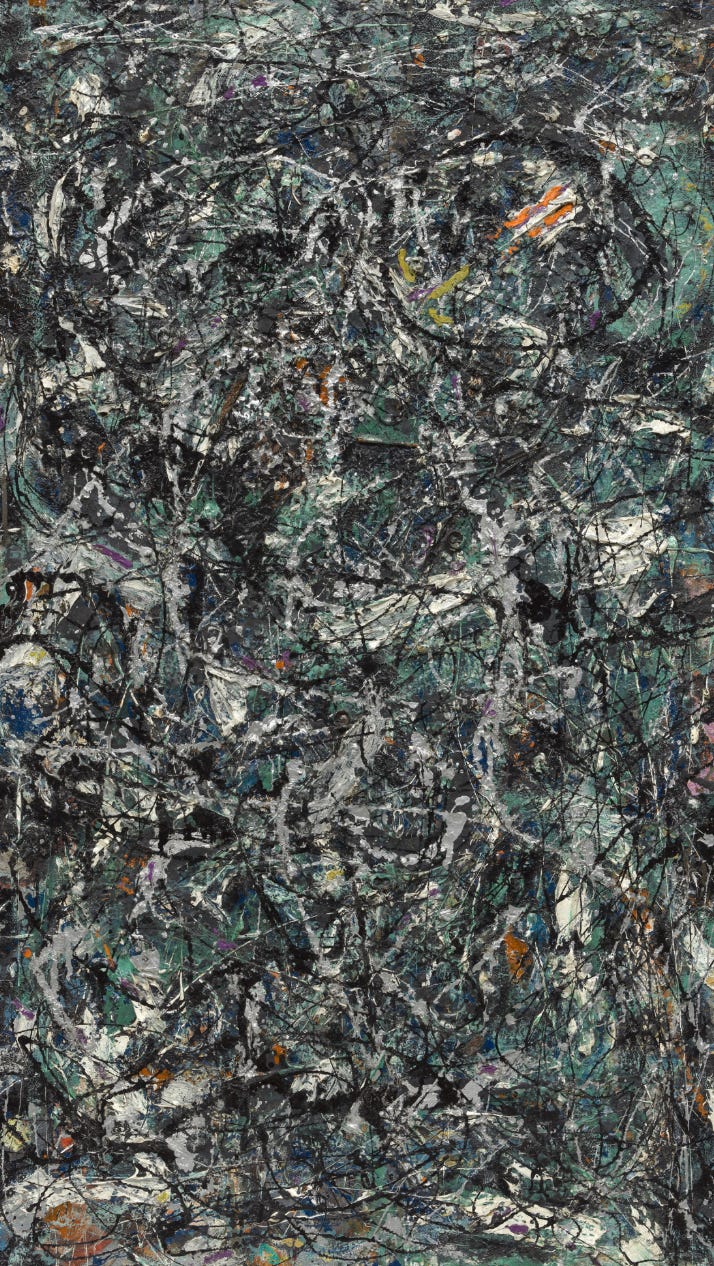
Jackson Pollock was at the centre of the action painters. His method involved a physical struggle with his materials. Pollock abandoned the traditional easel, he would place his massive canvases on the floor, entering them from all sides, dripping, pouring, and flicking household paints, sometimes embedding the thick impasto with sand, nails, or cigarette butts. Works like Full Fathom Five or Autumn Rhythm possess no clear focal point, they were all over the place compositions that overwhelm viewer’s field of vision. Pollock argued that “painting is a state of being… painting is self-discovery. Every good artist paints what he is”.8
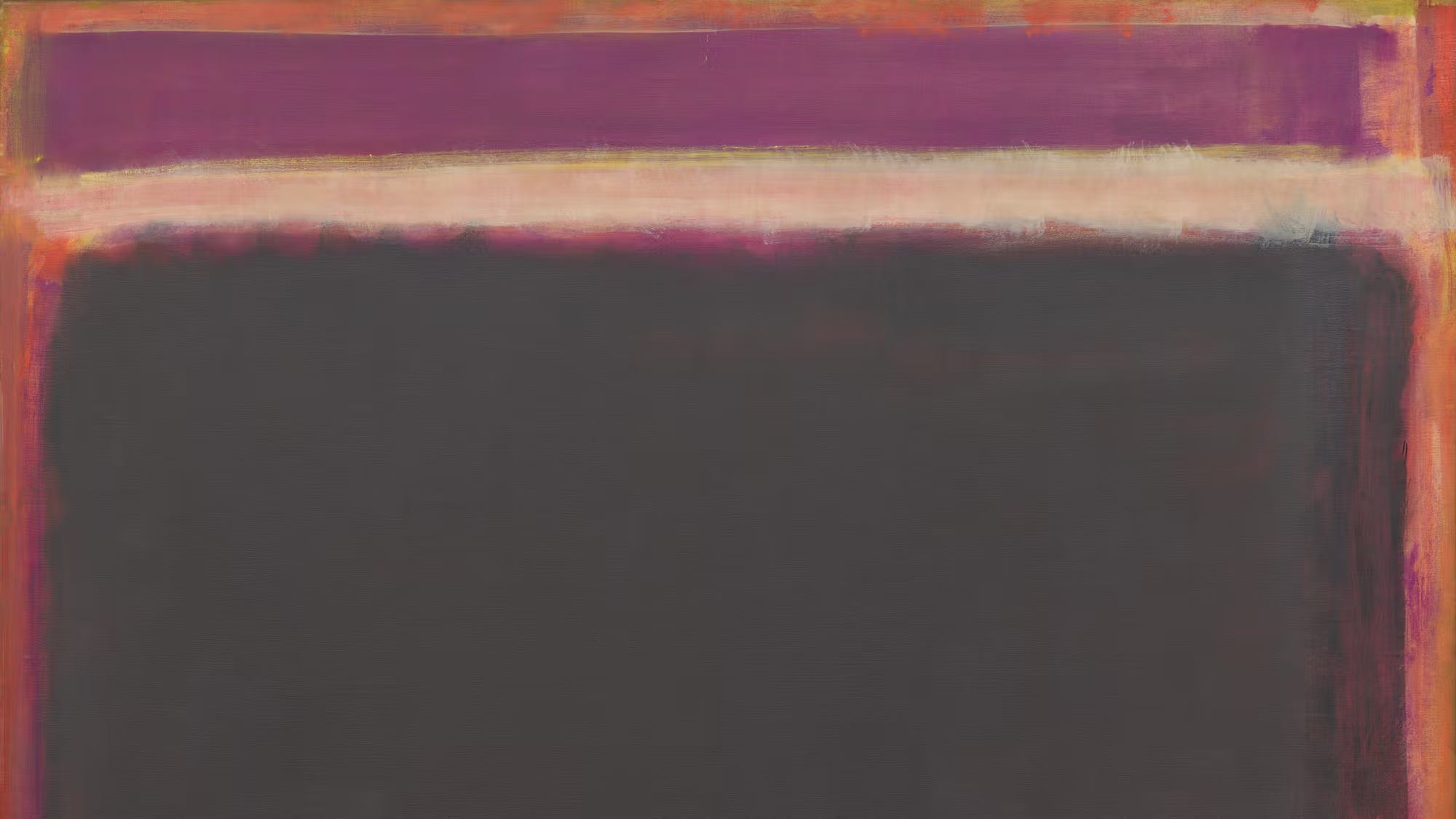
In contrast, Mark Rothko sought the sublime through the layering of thin washes of paint, creating floating rectangles of luminous colour. Rothko’s canvases demanded silence and complete viewer absorption, striving for a spiritual transcendence that bypassed language entirely.
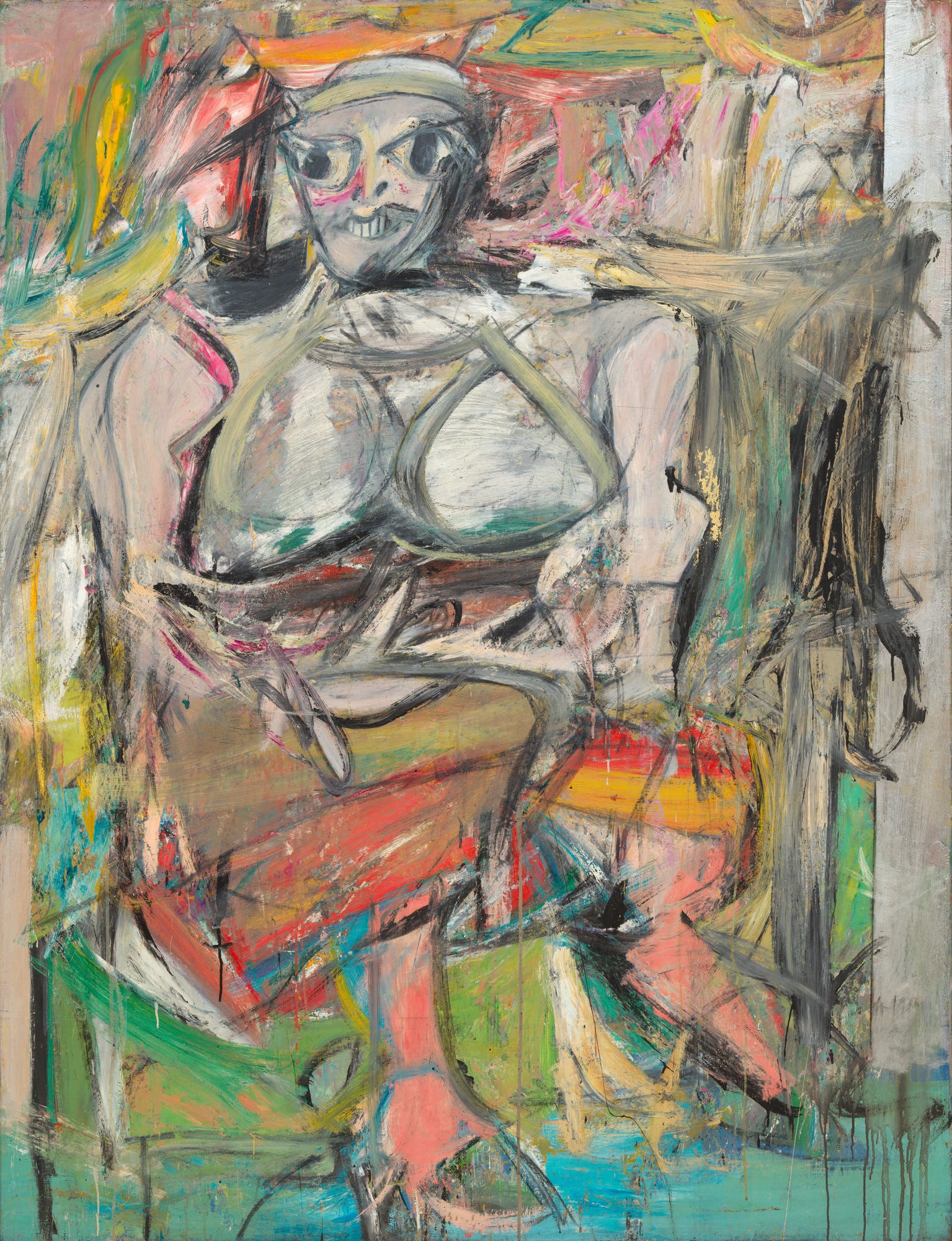
Willem de Kooning, meanwhile, merged abstraction with aggressive, fragmented figuration. In works like Woman I, his slashing brushstrokes and thickly applied pigments created heavily built-up surfaces that appeared to simultaneously construct and destroy the female form.
But what happens when art becomes entirely subjective? When the traditional metrics of craftsmanship, perspective, and proportion are discarded, what replaces the shared standards of artistic quality? The answer was in the rise of the elite cultural critic. If the art could no longer speak clearly for itself to the layman, it required a theoretical apparatus to translate its ideas to the world.
This apparatus was provided by two towering intellectuals of the era, Clement Greenberg and Harold Rosenberg. Greenberg argued that the history of modern art was an inevitable march toward medium-specificity and the flattening of the picture plane. In his seminal 1939 essay Avant-Garde and Kitsch, Greenberg established the ideological rationale for the avant-garde, framing it as the only authentic cultural defence against the industrialised “kitsch” of totalitarian regimes and consumer capitalism.9 Rosenberg, conversely, provided the existential vocabulary for the movement, coining the term “Action Painting” and famously describing the canvas as an “arena in which to act”.10
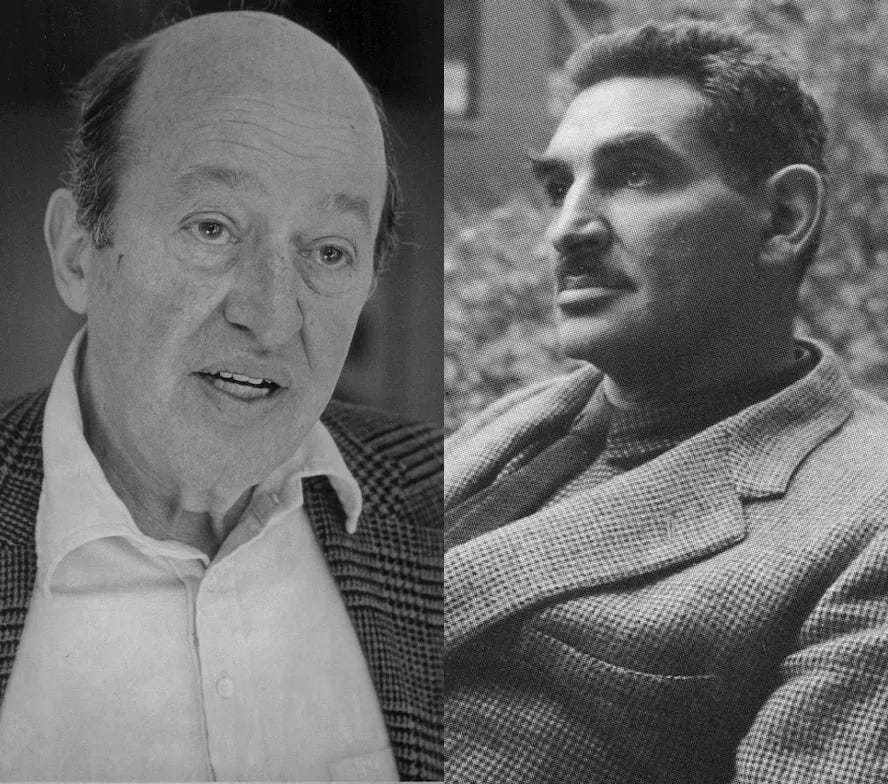
This high-level intellectual debate which was published in influential left-leaning journals like Partisan Review, provided Abstract Expressionism with the critical scaffolding it needed to be taken seriously by the cultural elite. It framed the messy, chaotic canvases as the pinnacle of Western civilisational achievement. This critical validation was the crucial first step. The CIA was watching, and they recognised that this elite, intellectually validated, yet profoundly opaque art form was exactly what they needed for the looming geopolitical battle.
The Cold War Cultural Battlefield
By 1947, the geopolitical terrain had solidified into an ideological standoff between the United States and the Soviet Union. The Cold War was fought with proxy armies, espionage, and nuclear brinkmanship but it was also an electric battle of information, philosophy, and aesthetics. The Soviet Union possessed a formidable cultural propaganda machine, aggressively presenting itself as the true heir to the European Enlightenment and the defender of high culture.11
In contrast, Soviet leaders and sympathetic European intellectuals routinely dismissed the United States as a culturally barren wasteland, a society that produced nothing of spiritual or intellectual value, offering only Coca-Cola, Hollywood films, and vulgar commercialism.
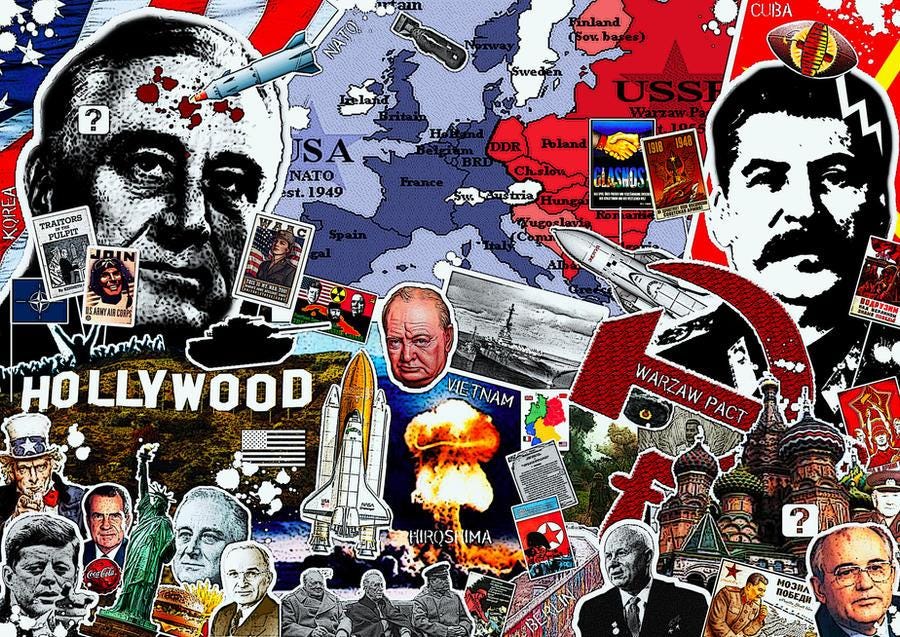
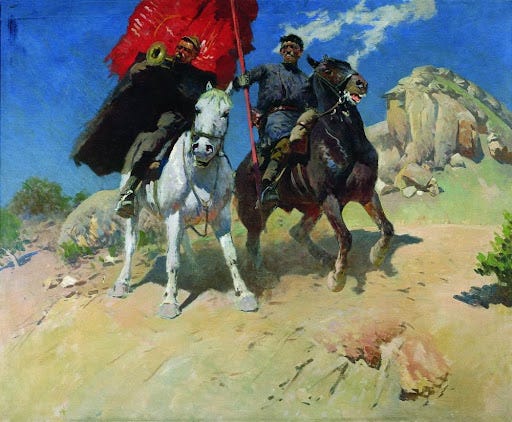
To control its cultural output, the Communist Party of the Soviet Union strictly mandated “Socialist Realism”. This artistic doctrine demanded clear, optimistic, and highly didactic depictions of communist life. Canvases were filled with muscle-bound factory workers, smiling farmers, and heroic, portraits of leaders like Stalin and Lenin. It was art strapped into an ideological straitjacket, intended exclusively to serve the state, educate the proletariat, and reflect the inevitable triumph of the socialist system. Any deviation into abstraction, pessimism, or formal experimentation was ruthlessly condemned as bourgeois decadence or capitalist degeneration.
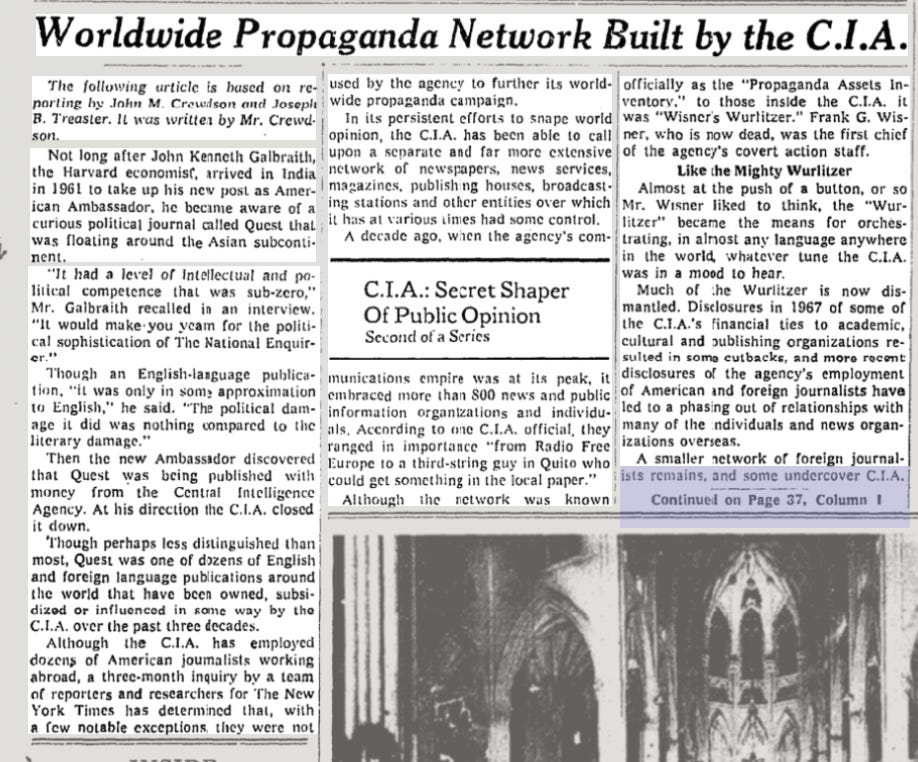
Recognising the immense appeal that communism still held for the European intelligentsia, the newly formed Central Intelligence Agency understood that military might alone could not win the Cold War. They had to win the war of ideas. The CIA established the Propaganda Assets Inventory, a branch of psychological warfare intended to boost pro-American messaging and dismantle Soviet cultural prestige.12 Intelligence officers, many of whom were Ivy League-educated and culturally sophisticated, realised that the United States needed to project a compelling counter-narrative. They needed to prove to the skeptical intellectuals of Paris, London, and Berlin that democratic capitalism fostered the highest levels of intellectual freedom and creative achievement.
Abstract Expressionism provided the ultimate foil to Soviet Socialist Realism. Where Soviet art was uniform, state-mandated, and rigorously structured, American abstract art was spontaneous, highly individualistic, and completely unbounded by rules. It was the aesthetic embodiment of free enterprise.
Donald Jameson, a former CIA case officer, broke the agency’s silence decades later, confirming the deliberate nature of this strategy.
“We recognised that this was the kind of art that did not have anything to do with socialist realism, and made socialist realism look even more stylised and more rigid and confined than it was”.
The CIA realised that the chaotic canvases of Pollock and the floating voids of Rothko could be deployed as undeniable visual proof of the extraordinary scope of freedom of expression in the United States. The implicit message to the European elite was clear: Look at what our artists are permitted to do. In the Soviet Union, these painters would be sent to the gulag. In America, they are celebrated.
However, there was a massive, seemingly insurmountable obstacle to this strategy: the American public and the political establishment vehemently despised modern art.13 President Harry S. Truman summed up the populist sentiment when he looked at a modern painting and scoffed, “If that’s art, then I’m a Hottentot”. Conservative politicians were even more hostile. Congressman George A. Dondero of Michigan routinely took to the House floor to denounce abstract art as a communist plot designed to subvert American values, calling avant-garde painters a “Red art brigade”.14
This hostility had already destroyed previous government attempts at cultural diplomacy. In 1947, the State Department had openly funded an international touring exhibition called “Advancing American Art,” which included early modernist and mildly abstract works. When the American press and public discovered that taxpayer dollars were being spent on “trash” and “ridiculous filth,” the outrage was explosive.15 The chairman of the House Appropriations Committee wrote a furious letter to Secretary of State George C. Marshall, and the exhibition was abruptly canceled, forcing Marshall to declare that no taxpayer money would ever again be spent on modern art.16
Furthermore, the artists themselves were fiercely anti-establishment. Many Abstract Expressionists were former communists, leftist sympathisers, or self-declared anarchists who harboured deep suspicions of the American government. Barnett Newman was an avowed anarchist who wrote the foreword to a reprint of Peter Kropotkin’s memoirs, Pollock had been labeled a “rotten rebel from Russia” in high school, Rothko was signficantly alienated from the capitalist machine.17 If an intelligence officer in a gray flannel suit had approached Willem de Kooning or Clyfford Still to ask if their deeply personal paintings could be used as anti-communist propaganda for the American state, the request would have been met with hostility, if not outright violence.18
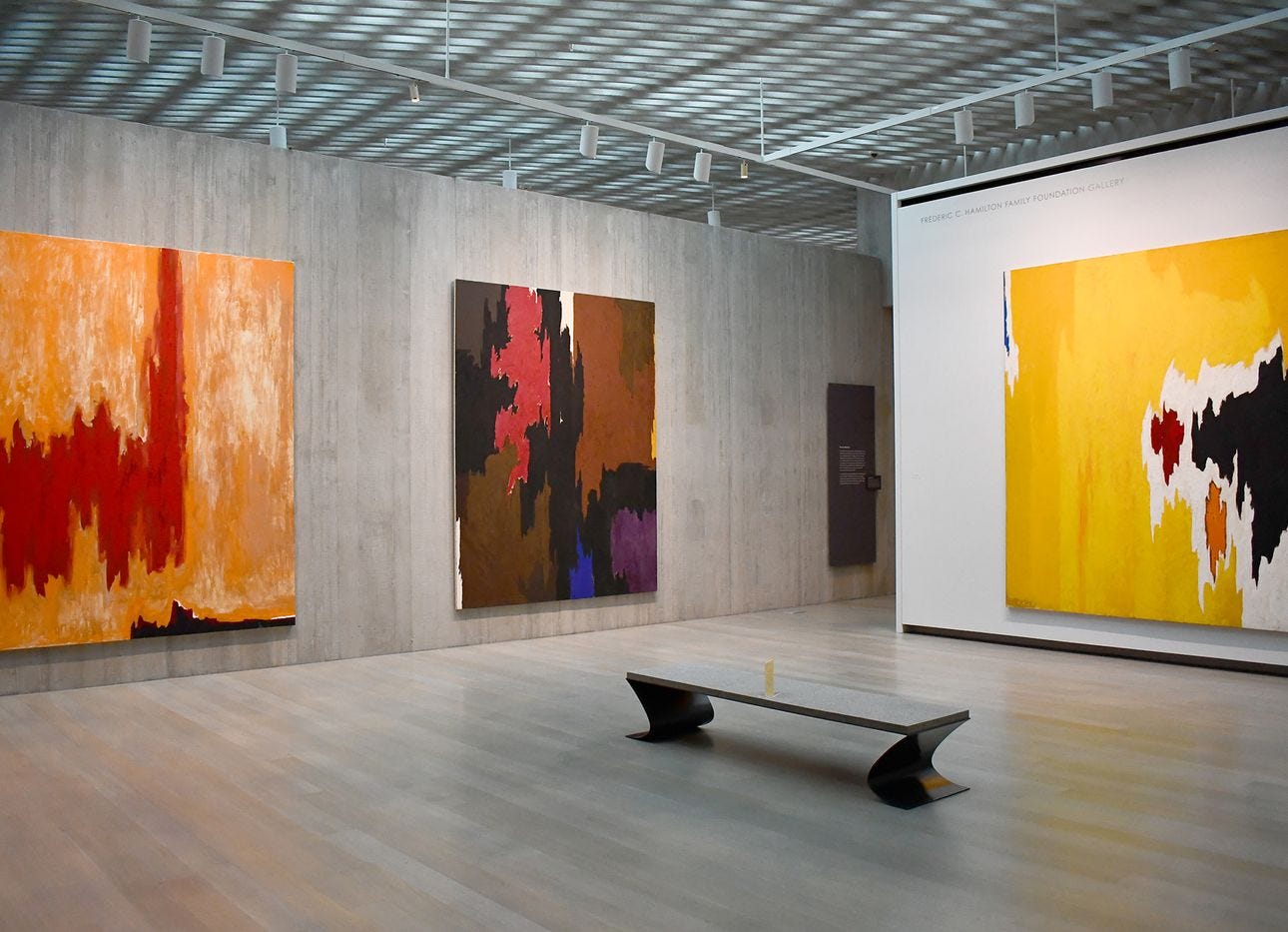
Thus, the CIA faced a logistical and political puzzle: how to globally promote an artistic movement that the American public hated, created by artists who despised the government, using federal funds that Congress outright refused to authorise. The answer was in the construction of an elaborate, invisible architecture of covert patronage.
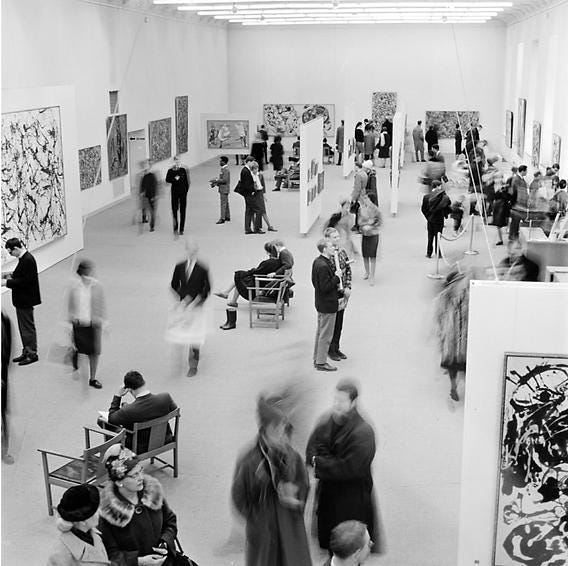
the “Long Leash”
To circumvent congressional oversight, bypass domestic populist outrage, and keep the independent artists completely in the dark, the CIA developed a operational strategy known internally as the “long leash”.19 This policy dictated that the Agency would operate at two or three degrees of separation from the artists and the art exhibitions themselves.20 By utilising front organisations, fake philanthropic foundations, and sympathetic museum boards, the CIA could heavily subsidise the international promotion of the avant-garde without leaving any governmental fingerprints.21
The centerpiece of this covert apparatus was the Congress for Cultural Freedom (CCF). Established following a gathering of intellectuals in West Berlin in June 1950, the CCF was quietly funded and organised by the CIA to act as a massive international front for the Agency’s cultural war.22 The operation was spearheaded by Michael Josselson, a CIA operative who served as the CCF’s Administrative Secretary, and Tom Braden, the chief of the CIA’s newly formed International Organisations Division (IOD).23
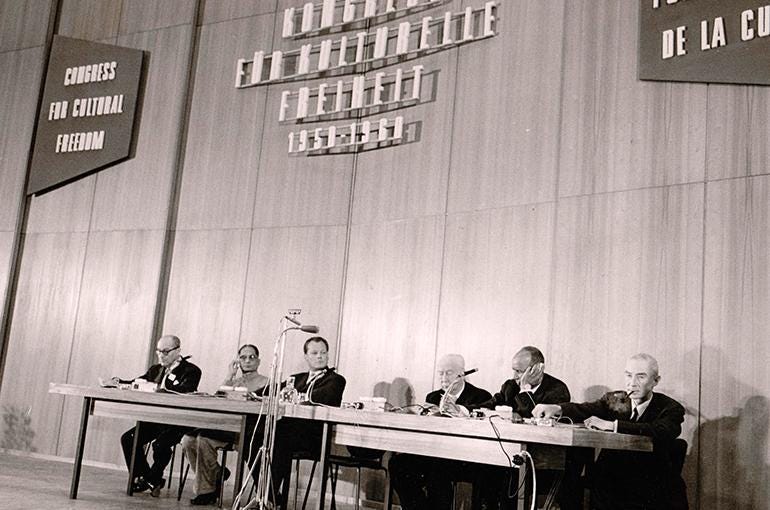
At its zenith, the CCF was a cultural leviathan. It maintained offices in 35 countries, employed dozens of operatives, and published over twenty prestigious intellectual magazines, including Encounter in London (edited by Stephen Spender and Irving Kristol) and Preuves in Paris.24 To the outside world, the CCF appeared to be an autonomous association of liberal, left-leaning intellectuals dedicated to defending free expression against totalitarianism. In reality, its strings were pulled by Langley. The CCF provided the CIA with the muscle to sponsor high-profile international conferences, fund European tours for the Boston Symphony Orchestra, and, crucially, export Abstract Expressionism globally.25
But the CCF could not curate art exhibitions on its own, it needed a credible, prestigious domestic partner to select the art, write the catalogs, and lend the endeavour unimpeachable institutional legitimacy. The CIA found an enthusiastic and perfectly positioned ally in the Museum of Modern Art (MoMA) in New York.26
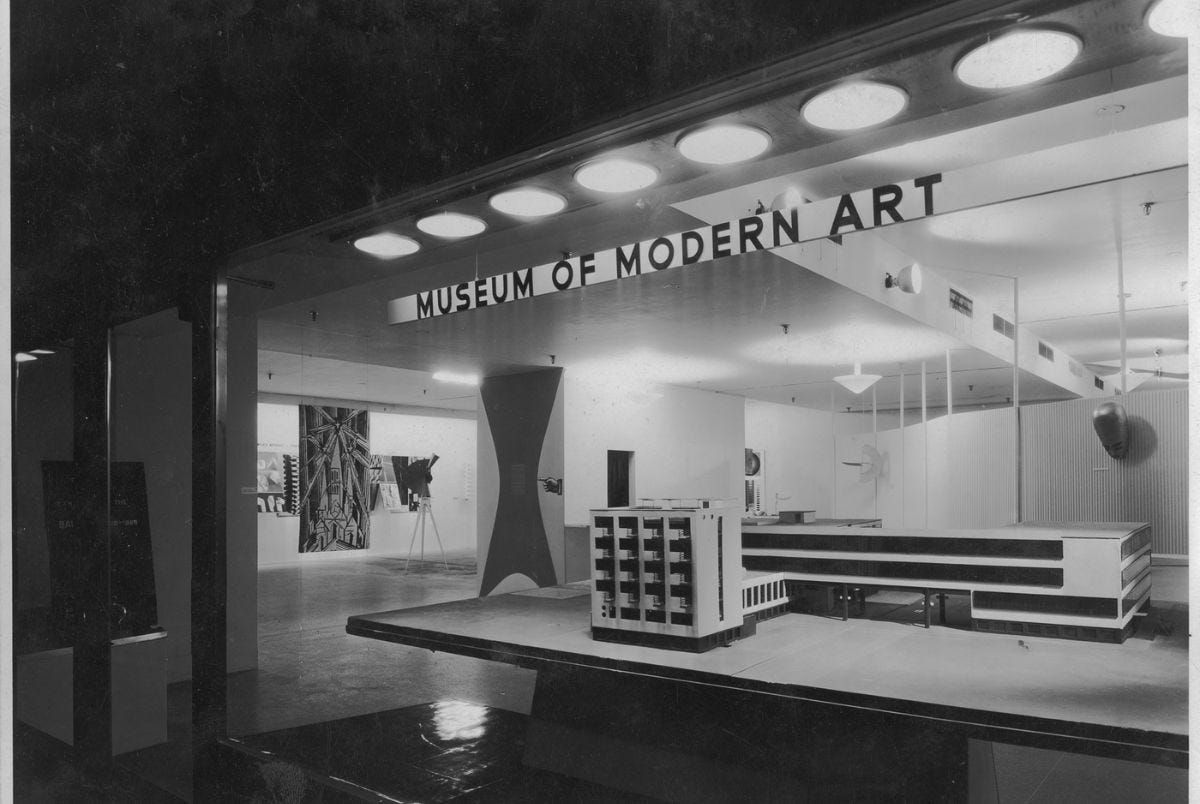
MoMA had been founded in 1929 by Abby Aldrich Rockefeller, and her son, Nelson Rockefeller, dominated its presidency and board of trustees throughout the 1940s and 1950s.27 Nelson Rockefeller, who affectionately (and somewhat terrifyingly) called MoMA “Mommy’s Museum,” was intimately connected to the intelligence world. During World War II, he had served as the coordinator of Inter-American Affairs, running a massive propagandistic front agency focused on Latin America.28 Rockefeller intuitively recognised the political utility of Abstract Expressionism, famously and oxymoronically dubbing the chaotic art “free enterprise painting”.29
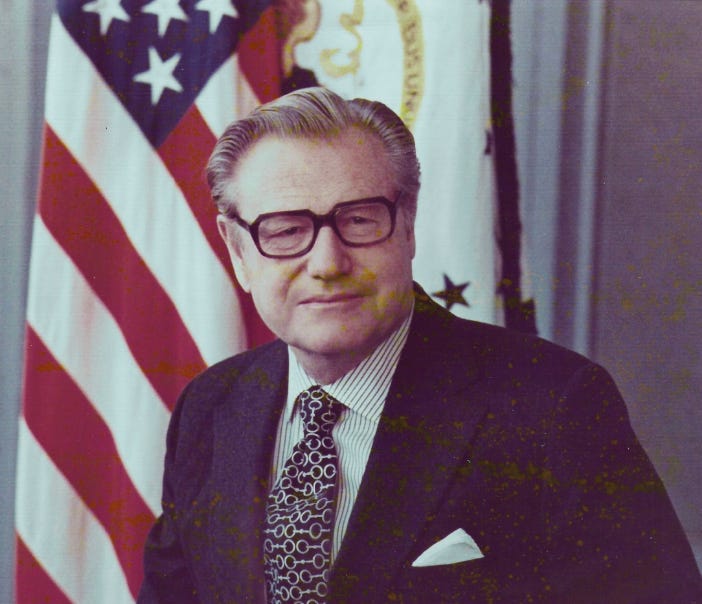
The personnel pipeline between Langley and MoMA was highly porous. Tom Braden himself had served as MoMA’s executive secretary from 1947 to 1949 before joining the CIA to head the IOD and manage the cultural Cold War.30 Other MoMA trustees and supporters, including CBS president William Paley (a founding father of the CIA) and John Hay Whitney (who had served in the OSS), were heavily involved in the intelligence community and covert funding networks.31
Crucially, the museum’s leadership provided the intellectual justification for the political use of the art. MoMA’s influential director, Alfred H. Barr Jr., was a staunch anti-communist who actively argued that the totalitarian regimes of Hitler and Stalin inherently feared and prohibited abstract art. In a 1952 article for the New York Times Magazine titled “Is Modern Art Communistic?”, Barr framed modernism as the ultimate expression of a free, advanced civilisation.
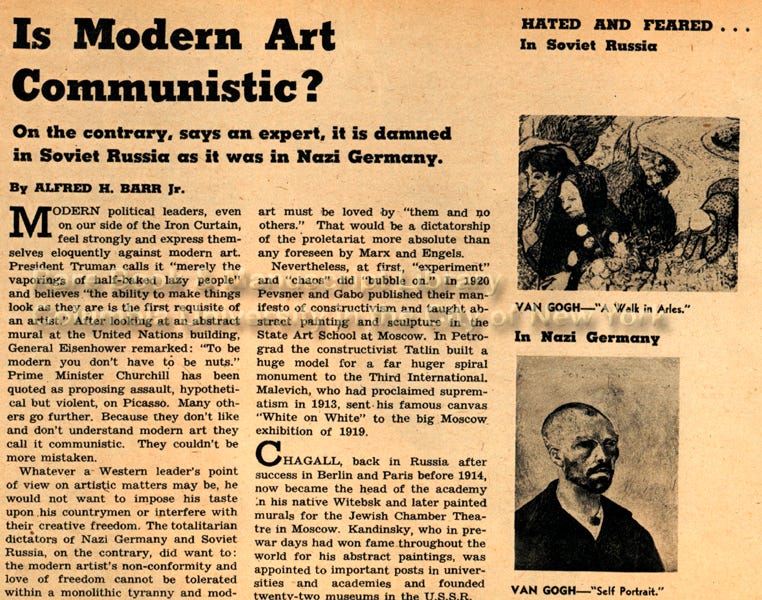
With MoMA acting as the curator and the CIA acting as the shadow financier, a sophisticated laundering of funds was established. To pay for the wildly expensive logistics of crating, insuring, and shipping massive Abstract Expressionist canvases across the Atlantic, the CIA utilised dummy philanthropic organisations. The most prominent and effective of these conduits was the Farfield Foundation.32
The Farfield Foundation masqueraded as a private charity headed by Julius “Junkie” Fleischmann, a flamboyant American business magnate, yeast heir, and not coincidentally, a member of MoMA’s governing board.33 As Tom Braden later nonchalantly explained in a 1967 interview, the mechanics of setting up these fronts were remarkably simple: the CIA would approach a wealthy, well-known New Yorker, explain their covert objectives, pledge them to secrecy, and then use their name on a letterhead to establish a foundation.34 The CIA would funnel taxpayer money into this foundation, which would then “donate” the clean money to the Congress for Cultural Freedom or directly to European museums to sponsor American exhibitions.35
This elaborate choreography of deception culminated in a series of landmark international exhibitions in the 1950s, including Masterpieces of the Twentieth Century (1952) and Modern Art in the United States (1955). However, the most significant and aggressive deployment of this cultural weaponry was the exhibition The New American Painting, which toured eight major European cities including Basel, Milan, Madrid, Berlin, Amsterdam, Brussels, Paris, and London between 1958 and 1959.36
Organised by MoMA’s International Council, the exhibition featured the heavyweights of the movement: Pollock, Rothko, de Kooning, Motherwell, Kline, and Newman. The logistics of the tour provided a perfect case study of the “long leash” in action. After the exhibition opened to shock and awe in Paris, the Tate Gallery in London realised it desperately wanted to host the show, but simply could not afford the exorbitant transportation and insurance fees.37
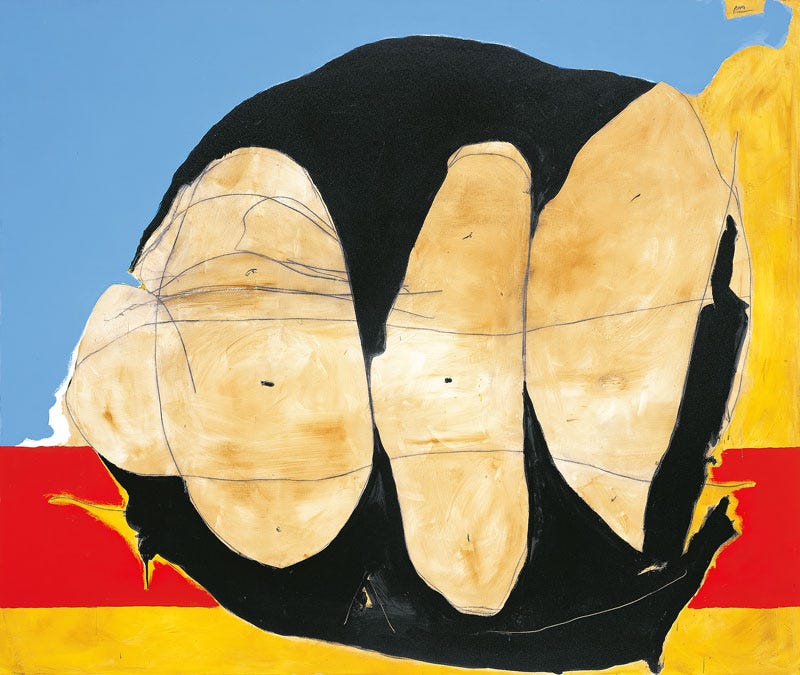
Seemingly out of thin air, the art-loving American millionaire Julius Fleischmann stepped forward to magnanimously donate the necessary funds to save the London leg of the tour. The Tate directors did not know, the British public did not know, and Jackson Pollock certainly did not know that the “private” money moving the canvases across the English Channel had originated in the classified budget of the Central Intelligence Agency. It was a flawless execution of covert cultural diplomacy.
The European Reception: Shock, Awe, and Hegemony
The injection of Abstract Expressionism into the European bloodstream was a high-voltage shock to the cultural system. The arrival of The New American Painting was treated by critics and intellectuals as a forceful statement of American hegemony. It aggressively communicated that the centre of the avant-garde universe had permanently shifted from the historic cafés of Paris to the grimy, industrial lofts of New York.
The European critical reception, while mixed with initial bewilderment and conservative pushback, largely validated the CIA’s underlying geopolitical thesis. Reviewers were struck by the staggering scale, the spatial shallowness, the inventive daring, and the raw, uncontainable energy of the works.
The English critic Lawrence Alloway, writing a comprehensive review in 1959, fiercely defended the exhibition against its London detractors, those who dismissively viewed the movement as just “one big splash of paint”.38 Alloway declared unequivocally that the American generation had surpassed its European counterparts. “The point is: Europe cannot match Pollock, Rothko, Still, Newman, De Kooning, Kline, Gottlieb, Guston,” he wrote, noting that the sheer vitality of the Americans rendered the old, primitive European arguments between pure abstract art and nature-based realism completely obsolete.
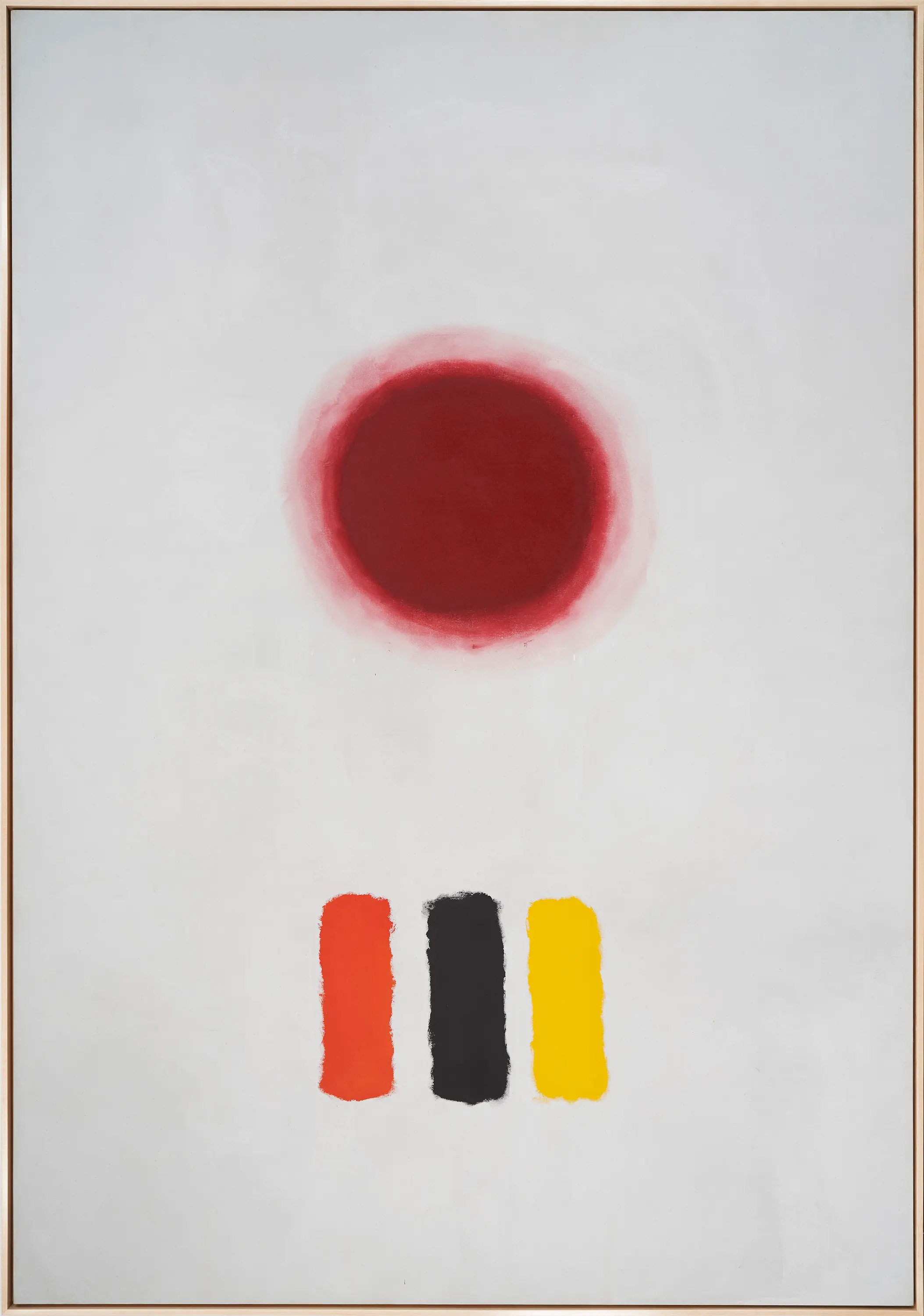
Alloway also specifically praised the curatorial dominance and intelligence of MoMA. He lamented that Europe possessed scarcely any institutions capable of organising a post-war exhibition of such magnitude and polish, leaving Europeans with no choice but to “marvel at the resources and intelligence” of the American museum.39
This reaction was precisely the psychological victory the CIA’s International Organisations Division had engineered. The exhibition succeeded in positioning the United States as botha terrifying military and economic superpower and a vibrant, fearless vanguard of high culture and intellectual liberty. It proved, to the exact demographic the CIA was targeting, that America was not a cultural desert, and that true artistic genius could only flourish in the soil of a free-market democracy.
The narrative sold to the European intelligentsia and eventually accepted as the standard art historical consensus was that Abstract Expressionism was the organic, inevitable result of a free society. It was framed as the ultimate proof of a system that allowed the individual to express their innermost subjective state without an ounce of state interference.
But the historical reality was that this specific flavour of freedom was being artificially amplified, heavily subsidised, and aggressively exported by a massive state intelligence apparatus. The freedom was real to the artist, but its global dominance was a highly curated illusion.
Conclusion
The story of the CIA and Abstract Expressionism is often treated as a quirky footnote in art history, a strange, paranoid collision between the bohemian, paint-splattered lofts of Greenwich Village and the pristine, trench-coated spies of Washington. Yet, upon examination, it reveals itself as a central, defining parable of late modernity.
We are forced to confront the unnerving reality that the global triumph of America’s most boundary-breaking and aggressively individualistic art was achieved through a highly planned and covertly executed campaign of state propaganda. The splashes, drips, and empty colour voids that were celebrated by critics as the ultimate manifestations of an untethered human spirit were, simultaneously the instruments of a managed geopolitical propaganda strategy.
https://celina101.substack.com/p/was-modern-art-really-a-cia-psy-op