
Why Rhodesia Was Always Doomed
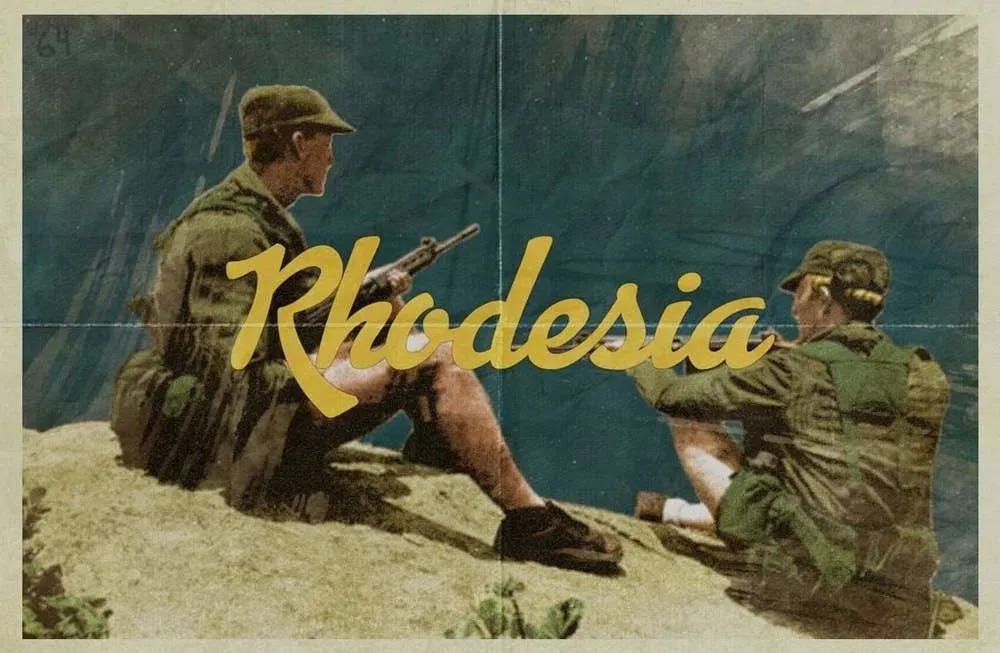
Rhodesia as a country vanished in 1980, yet it has returned online in fragments, whether that be restored bush-war footage on YouTube, memorial websites, photographs of men in army short-shorts holding their rifles or a growing online group of conservative influencers speaking about the destruction of Western civilization.
I believe Rhodesia continues to remain intriguing to people because it condensed several modern traumas into one: decolonisation, the collapse of settler sovereignty, the Cold War, guerrilla war, sanctions, and the spectacle of a militarily capable state losing politically. It survives in the imagination because it appears, to admirers and enemies alike, as an unusually concentrated test of whether a highly organised White minority can hold a country once history, demographics, and international legitimacy have begun to run against it.
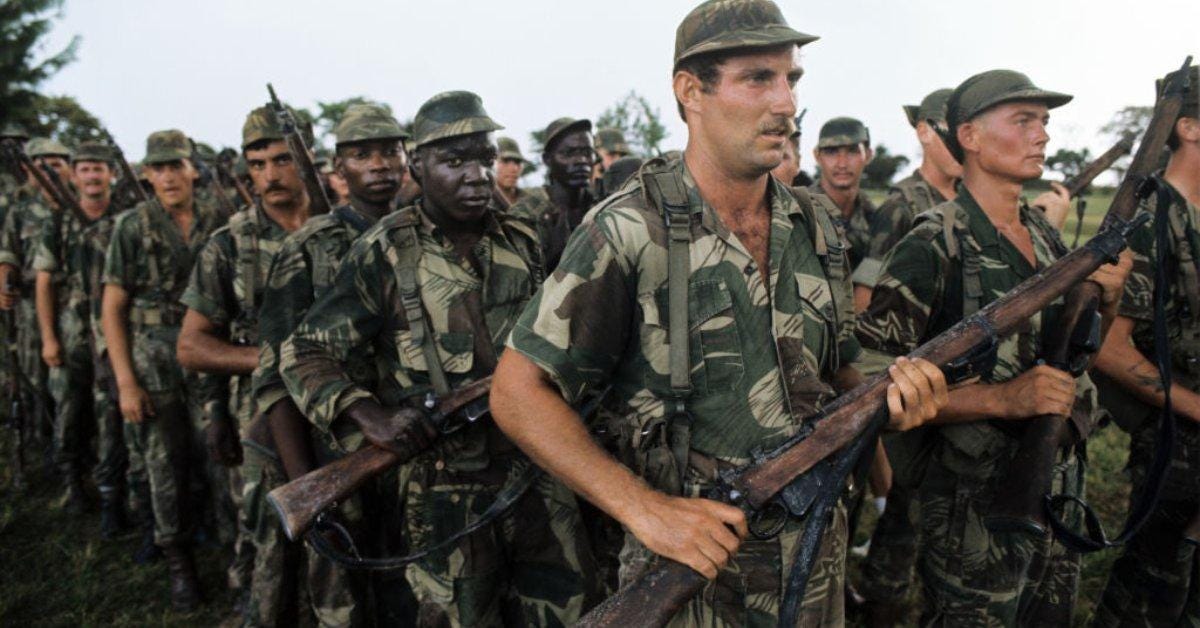
The case of Rhodesia is more haunting the closer one looks. Rhodesia was not a failed state in the crude sense, like many African nations. It had an efficient bureaucracy, a productive commercial economy, a coherent White political class, and security forces widely regarded as formidable. Yet its doom lay not principally in incompetence, but in structure.
“Demographics are destiny” is often used as a slogan. In Rhodesia it was a structural fact. At the moment of Rhodesia’s Unilateral Declaration of Independence in 1965, about 230,000 Whites governed a total African population of roughly 4.2 million, meaning the ruling minority amounted to about 5 percent of the whole. The state was trying to preserve European political control without ever having become a European-majority society. That was the original wound.
Rhodesian officials understood the problem clearly. From the early colonial period, administrators and settler pressure groups openly pursued the creation of a “white man’s country,” publicising opportunities in Britain and South Africa, subsidising immigration, distributing land, and hoping to expand the European population fast enough to secure political permanence. Some settlers stated the logic bluntly: the only satisfactory final solution would be for Europeans to outnumber Africans. But even in the high-settlement decades, the project never came close to achieving that outcome.
By the 1960s the imbalance had become impossible to ignore. Josiah Brownell’s book The Collapse of Rhodesia: Population Demographics and the Politics of Race showed how deeply Rhodesian politics became organised around the fear of “racial swamping.” The 1969 census reported 228,040 whites, around 15,000 fewer than previously estimated, and opponents of the government attacked the drift in ratios from 17.5 Africans per European in 1962 to about 22 to 1 in 1969. More devastating still, that same census showed a net increase of only 7,000 whites since 1962, against a net increase of roughly 980,000 Africans.
Nor was immigration the easy answer. Between 1955 and 1979, Rhodesia received 255,692 immigrants but lost 246,047 emigrants. On average, about 4.6 percent of the white population arrived each year and 4.1 percent left. That is a staggering level of population churn for a community already too small to feel secure. It meant that Rhodesia was not only numerically weak; it was socially and psychologically fragile, dependent on a white population that was transient.
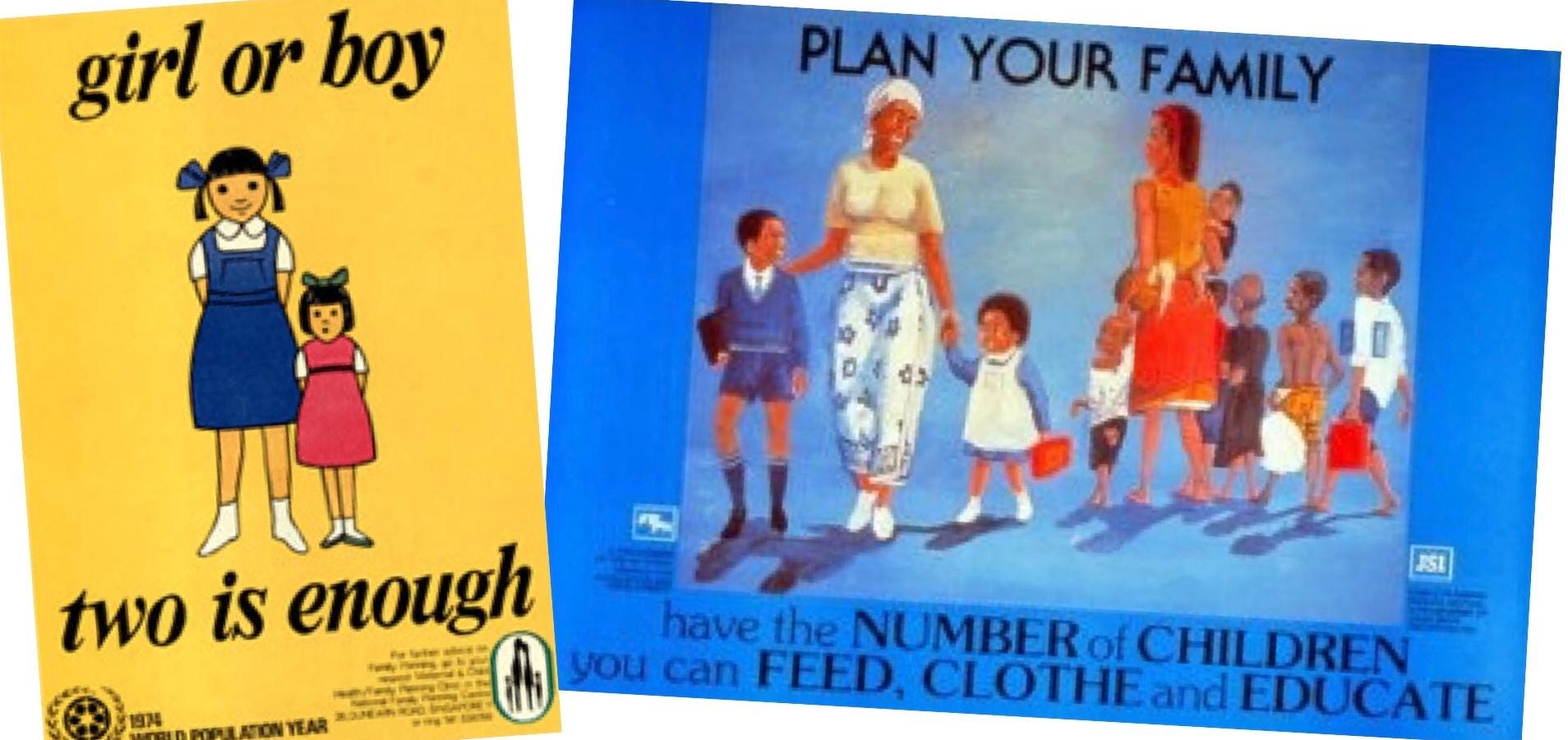
The tragedy is that the regime did try to think demographically. After the 1962 census, planners called for 12,000 white immigrants a year, rising to 20,000 by 1969–70. The 1967 Sadie Report linked white population growth directly to African employment and treated African family planning as a second lever for correcting the imbalance. In plain english, they tried to get Africans to slow down the rate at which they were having children. By 1968 senior Rhodesian ministers were talking openly about intensive family planning and even “harsh” economic disincentives for rapid population growth. In other words, the state saw the problem. But seeing it was not the same as solving it. White immigration on the necessary scale never materialised, emigration persisted, and even the discussion of fertility control showed how trapped the regime already was. It could identify the numbers, but could not alter it decisively without crossing legal, moral, and diplomatic lines the post-war order would not tolerate.
The last part is crucial. Earlier settler civilisations had secured themselves through methods which were brutal, but seen as tolerable at the time: whether that be: conquest, exclusion, removal, and unapologetic racial rule. By the 1960’s Southern Rhodesia existed in a radically different moral climate, in opposition to countries that were set up much earlier like the United states of America or Australia. The United Nations now treated the territory through the language of black self-determination and decolonisation. Security Council Resolution 232 in 1966 imposed mandatory sanctions on key Rhodesian commodities; Resolution 253 in 1968 widened them dramatically to trade, finance, travel, air links, and even measures intended to hinder migration to the territory. Once Rhodesia had failed to become demographically secure before the liberal international order hardened against such projects, its policies could do little more than delay the consequences.
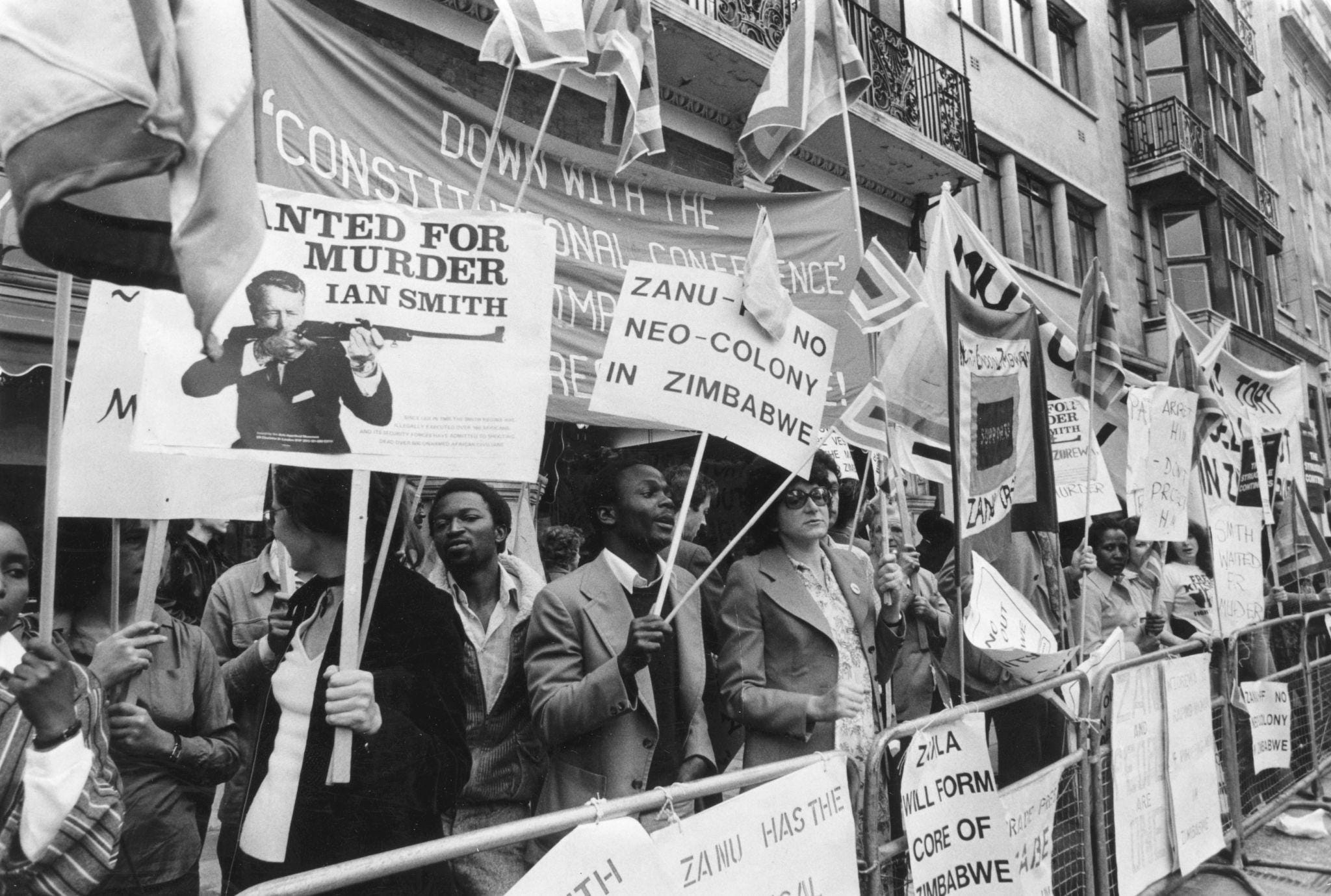
So Rhodesia was always doomed not because it lacked brave soldiers, competent officials, or economically productive farms. It was doomed because a tiny ruling White minority tried to remain a nation without ever becoming a majority, and tried to do so precisely in the era when the civilisation from which it derived its identity had renounced the old settler methods by which such projects had historically survived. Once the numbers had gone against it, and once London, Washington, Pretoria, the UN, and time itself were all pressing in the same direction, Rhodesia was living on borrowed time.
That is why the story of Rhodesia is so haunting. What survives online in montages of bush soliders and patrols is not only nostalgia, and not only propaganda. It is the afterimage of a society that understood its predicament with clarity, yet could find no remedy compatible with the moral universe to which it belonged.
https://celina101.substack.com/p/why-rhodesia-was-always-doomed