
U.S. May Need Three Years to Rebuild Missile Stockpiles Depleted During Iran Conflict
A new analysis by the Center for Strategic and International Studies (CSIS) has concluded that the United States will require multiple years to replenish key missile inventories depleted during the recent 39-day air and missile campaign against Iran under Operation Epic Fury, raising concerns over near-term readiness for other potential military contingencies, particularly in the Indo-Pacific.
The assessment was detailed in two CSIS reports — Last Rounds? Status of Key Munitions at the Iran War Ceasefire, released on April 21, 2026, and a follow-up analysis, Rebuilding U.S. Missile Inventory: A Multiyear Project, published on May 27, 2026. The studies, authored by senior adviser and former Marine Corps Colonel Mark F. Cancian and research associate Chris H. Park, examined seven major precision-guided munitions systems used during combat operations and estimated the time required to restore inventories to prewar levels.
Significant Missile Expenditures During Iran Campaign
According to the report, U.S. forces expended substantial quantities of advanced missiles during the seven-week campaign against Iran, reducing inventories of long-range strike weapons and air-defense interceptors.
Among the most heavily used systems were Tomahawk cruise missiles. CSIS estimates that more than 850 Tomahawks were launched during the conflict, with some estimates exceeding 1,000 missiles. This represented approximately 27 to 32 percent of the prewar inventory, which stood at roughly 3,100 missiles. Due to limited procurement in previous years and production timelines, analysts estimate that rebuilding Tomahawk inventories to prewar levels could take until late 2030 or early 2031, despite efforts by Raytheon to increase production to approximately 1,000 missiles annually.
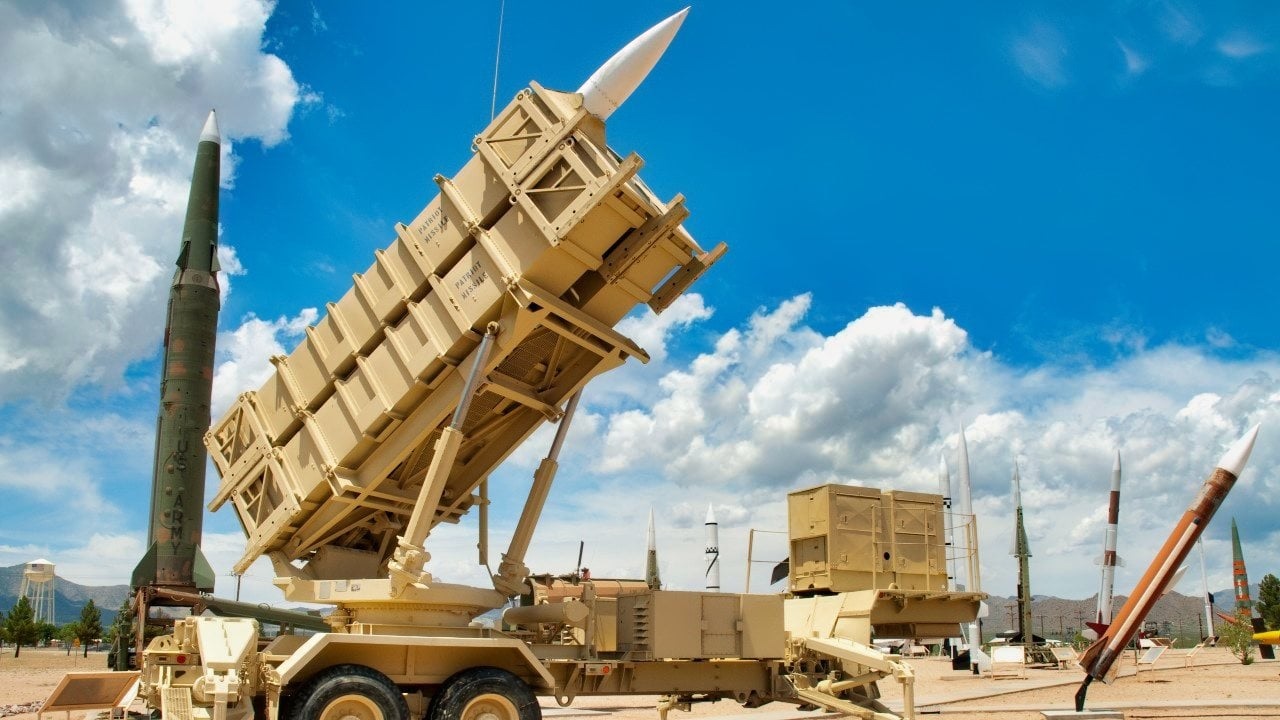
Patriot air-defense interceptors also experienced significant drawdowns. The report estimates that U.S. forces fired between 1,060 and 1,430 Patriot missiles during the campaign, representing nearly half of prewar stockpiles. Based on projected production and scheduled deliveries, replenishment is expected to continue until approximately mid-2029.
The Terminal High Altitude Area Defense (THAAD) system also experienced heavy use, with an estimated 190 to 290 interceptors fired. According to CSIS, this amounted to roughly 50 percent or more of available inventories, with higher estimates placing depletion at as much as 80 percent of operational stocks. Deliveries of replacement interceptors from Lockheed Martin are projected to continue through mid-to-late 2029.
Additional munitions also saw notable depletion. More than 1,000 Joint Air-to-Surface Standoff Missiles (JASSM) were reportedly fired, accounting for over 20 percent of available stocks, while Precision Strike Missiles (PrSM) declined by an estimated 45 percent. However, analysts assess that both systems could be replenished within months to roughly one year because of recent procurement increases and expanded production schedules.
Naval missile systems, including Standard Missile-3 (SM-3) and Standard Missile-6 (SM-6) interceptors, also experienced inventory reductions estimated at roughly 20 to 24 percent. CSIS projects these naval interceptors may require approximately two years to return to pre-conflict levels.
Strategic Implications for the Indo-Pacific
The report concludes that while the United States retains sufficient munitions to continue operations associated with the Iran conflict under plausible scenarios, depleted stockpiles have reduced readiness for additional high-intensity contingencies.
CSIS stated that Tomahawk cruise missiles, Patriot interceptors, and THAAD systems play a central role in long-range strike operations and theater missile defense in the Western Pacific. In a potential conflict involving the People’s Republic of China, these systems would be essential for countering large inventories of cruise and ballistic missiles as well as advanced air-defense networks.
The report further noted that prewar inventories were already considered insufficient for a prolonged high-intensity conflict against a peer competitor. The depletion caused during operations against Iran has intensified those limitations, creating what analysts described as a temporary “window of vulnerability” until production catches up with operational demand.
Production Constraints and Defense Spending
To address the shortfall, the proposed FY2027 U.S. defense budget includes a broader $1.5 trillion framework intended to increase procurement of Tomahawk missiles, Patriot and THAAD interceptors, long-range strike systems, and defense manufacturing capacity.
Defense manufacturers, including Raytheon and Lockheed Martin, have initiated expansion efforts in states such as Alabama and Arizona to increase output. Industry agreements include plans to significantly expand interceptor production, including increasing THAAD output from approximately 96 missiles annually to as many as 400 per year.
Despite increased funding, CSIS emphasized that manufacturing limitations remain the primary challenge to rapid replenishment. Advanced missile systems rely on highly specialized components, including solid rocket motors, guidance systems, electronics, and rare-earth materials, while production expansion requires long-term investment and lead times of 24 to 36 months or longer.
As a result, analysts concluded that financial investment alone cannot quickly resolve near-term shortages or significantly shorten replenishment timelines.
Pentagon Response and Near-Term Measures
According to the report, the Pentagon has reportedly re-sequenced some scheduled deliveries to prioritize U.S. operational requirements over certain foreign military sales commitments as inventories recover. Reduced stockpiles may also temporarily affect Washington’s ability to supply systems such as Patriot, THAAD, and PrSM missiles to allies and partners, including Ukraine.
Defense Secretary Pete Hegseth has stated that replenishment will take “months and years,” depending on the specific weapon system, while Pentagon officials maintain that current military resources remain adequate to meet operational requirements across combatant commands.