
The AI Genie is Out of the Bottle
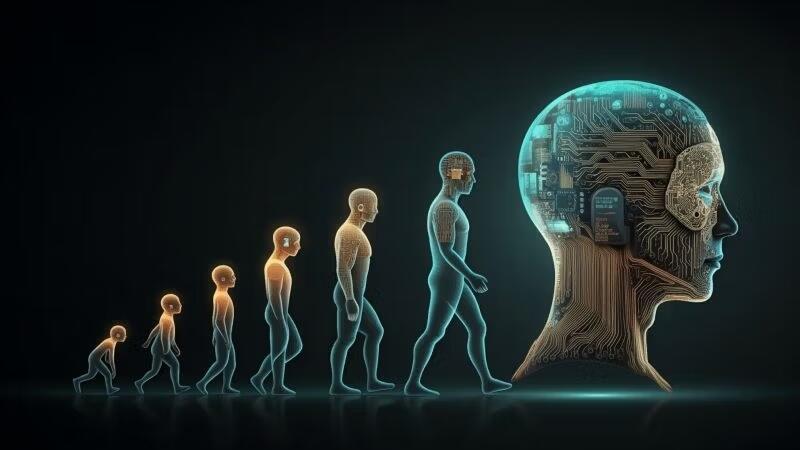
In 18 Months, You May Not Recognize the World
The AI genie is out of the bottle. Not “coming soon.” Not “eventually.” Not “someday.” Right now. And unlike previous technological revolutions, this one improves itself while it spreads.
For the past 30 years, technology mostly made life more convenient. AI is different. This changes labor, education, medicine, finance, media, law, warfare, relationships, government, and eventually the definition of intelligence itself.
The public still thinks this is about chatbots. That’s like believing the Industrial Revolution was about better horseshoes.
Behind the scenes, AI is already writing code, replacing junior analysts, generating legal documents, automating customer service, creating advertising campaigns, designing chips, optimizing logistics, translating languages, building autonomous systems, and increasingly helping improve other AI systems. That last part is the real breakpoint. Once AI meaningfully accelerates AI development, the curve stops looking linear. It starts looking vertical.
And almost nobody is emotionally prepared for what happens next.
The first casualties won’t be factory workers. They’ll be middle managers, entry-level lawyers, analysts, recruiters, marketers, copywriters, customer support staff, paralegals, and administrative layers that exist mainly to move information around.
AI is extraordinarily good at pattern recognition, summarization, drafting, organization, and repetitive cognitive work. That describes a shocking percentage of white-collar employment.
Companies won’t replace everyone immediately. But they also won’t hire replacements. That’s how it starts. Ten workers become five. Five become two. Then one highly leveraged operator remains — assisted by AI systems that never sleep.
The labor shock from this alone will dwarf anything most economists currently model.
But the story gets even bigger when you look at infrastructure.
Everyone sees the software. Almost nobody sees the electricity.
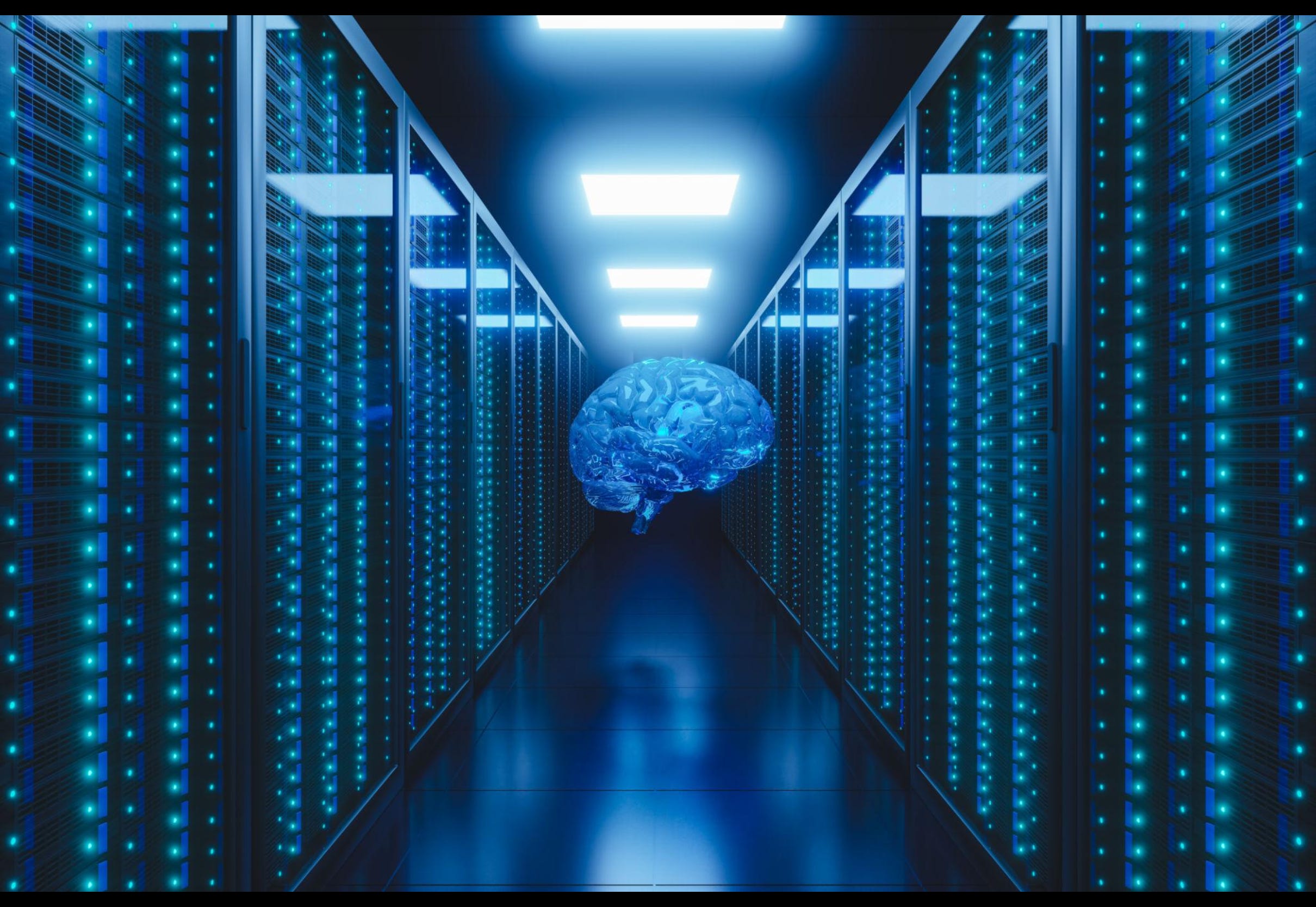
AI requires massive data centers, transformers, semiconductors, cooling systems, backup power, transmission upgrades, fiber, satellites, and industrial-scale energy production. This is why the AI story quietly becomes a power story, a copper story, a uranium story, and yes — a silver story.
Because physical reality still matters.
The AI revolution cannot run on PowerPoint slides and venture capital decks. It runs on metals.
Especially silver — the most conductive metal on Earth and a critical component in electronics, power systems, solar, military systems, advanced computing, and industrial electrification.
People still think silver is a “boomer trade.” Industry increasingly treats it like strategic infrastructure.
And then there’s the prediction almost nobody wants to discuss: trust itself is about to break.
AI will soon make it extraordinarily difficult to know what is real, who created something, whether a voice is authentic, whether a video happened, whether a person exists, or whether information itself can be trusted.
That changes society at a foundational level.
Politics changes. Media changes. Education changes. Dating changes. Fraud changes. War changes. The internet itself changes.
We are moving from an information economy into a verification economy.
And institutions move slowly precisely when speed matters most.
The real shock is that most people still believe they have time. They think AI is overhyped, adoption will be slow, regulation will stop it, or society will gradually adapt.
History says otherwise.
Once a technology increases profit, increases efficiency, reduces labor costs, and enhances power, it spreads globally at extraordinary speed.
The genie never goes back into the bottle.
And in 18 months, the world may look radically different from the one you recognize today — not because machines “took over,” but because humanity willingly integrated them into nearly everything.
https://khlfsn.substack.com/p/the-ai-genie-is-out-of-the-bottle