
Trump’s Reiner Comment Hysteria is Really Just Elite Exasperation
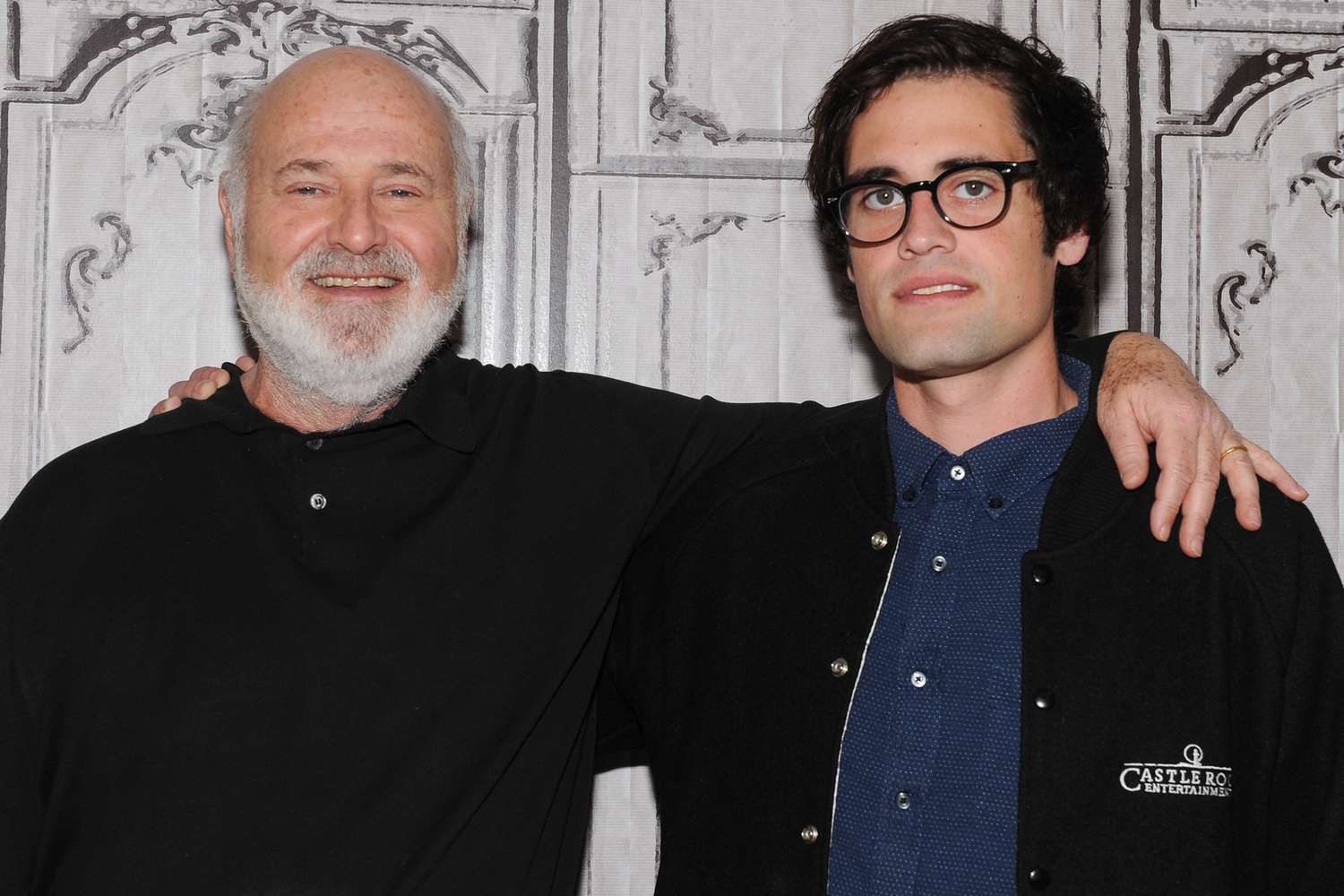
“Have you ever in your life encountered a character as wretched as Donald Trump?” This is the loaded rhetorical question that the New Yorker’s radical leftist editor, David Remnick, posed this week, both to introduce and conclude a short broadside responding to President Trump’s post on the death of filmmaker and frequent Trump critic Rob Reiner. Reiner and his wife, Michele, were allegedly stabbed to death by their mentally unstable and addiction-afflicted adult son on Dec. 14.
In response to Trump’s post, immediate howls came from people who say little or nothing against public calls for Trump’s death, who attempted to minimize the election-year assassination attempts against him, who routinely ignore violent and even deadly attacks on other figures of the political right, and who remain silent when confronted with the mass demonization of the majority of their fellow Americans who dissent from leftist norms. Such commentators were quick to condemn Trump’s post, which, despite its excoriation, described the Reiners’ death as “very sad” and characterized Rob Reiner as a “very talented movie director.” Trump speculated that Reiner was killed because his “Trump derangement syndrome”—manifested in Reiner’s near-daily and highly emotional presence on X, which at times called for Trump’s undemocratic removal from office and public life—was indicative of a personality that angered and alienated many people.
Trump’s post, which ended with a call for the Reiners to “rest in peace,” was a far cry from saying that Reiner deserved to die, as numerous leftist commentators and others with worrisome amounts of public trust said about Charlie Kirk after his assassination in September, or that Trump needed to be put in a “bullseye,” as former president Joe Biden remarked in a leaked donor call just five days before Trump narrowly escaped an assassin’s bullet in July 2024. But in Remnick’s deeply biased thinking, Trump’s comment descended to what he calls “next-level degradation.”
What, one might well ask, constituted the president’s previous levels of “degradation?” Remnick reels off a litany of well-known comments associated with Trump, going back some 20 years. Still, he especially focused on the president’s more recent invective against political opponents, hostile journalists, and other targets of his ire or impatience. Remnick professes the performative disgust and moral high dudgeon that is all too common among our well-paid leftist urban literati. His rant concludes with Remnick moralizing that he did “not expect” that Trump would “make matters even worse than they were,” apparently by posting the now-proverbial “mean tweet.”
“After a decade of constant presence on the political stage,” Remnick continues, “Trump no longer seems capable of shocking anyone with the brutality of his language or the heedlessness of his behavior.” This is hardly news, but like so many establishment journalists, Remnick can scarcely guess at why it might be the case. The best explanation he could come up with is that Trump’s supporters merely “continue to excuse his insouciant cruelty as ‘Trump being Trump,’ proof of his authenticity.”
The true explanation may be psychologically difficult for Remnick and his establishment cohorts to accept. Trump is widely popular not for his “cruelty,” but because his personal idiom transgresses the values his supporters have come to understand are the mores of a society that rejects them and their way of life. Two of the most thoroughly controlled institutions—media and higher education—are now overwhelmingly unpopular, with about 70 percent of Americans expressing little or no faith in them. While establishment drones swoon at candlelight vigils and pretend to find meaning in performative and Obama-esque extensions of hearts and minds, most of their countrymen now ridicule these gestures and resent the suggestion that they should share in them. The slogan “Do not comply” was not merely about refusing to wear masks during the pandemic, but an enduring rejection of the hypocrisy to which our leftist-dominated “elite” expects us to adhere, heedless of their own declining relevance.
Naturally, a population that overwhelmingly expresses little or no faith in mainstream media will likely have values at odds with those of David Remnick. As recent election results have shown, the average American is sick and tired of meaningless platitudes. Americans are awakening to an understandable cynicism, an appreciation of ulterior motives, and an openness to the transgression of mores prescribed by people they hate. In New York media terms, it is much more New York Post and much less New Yorker.
Trump’s remarks on the Reiners, which are at worst speculative and self-referential, are not a rejection of the victims or their human dignity, but a rejection of the formulaic speech and attitudes of our nation’s discredited elite. Conversely, Remnick’s invective is not a personal defense of the Reiners but a self-centered fit of exasperation over the realization that his values and those of his milieu have ceased to be dominant. In short, he despairs the victory of the counterrevolution. If only he deserved pity.
https://chroniclesmagazine.org/web/reiner-comment-hysteria-is-really-just-elite-exasperation