
Why Regime Change in Iran Remains a Foreign Illusion
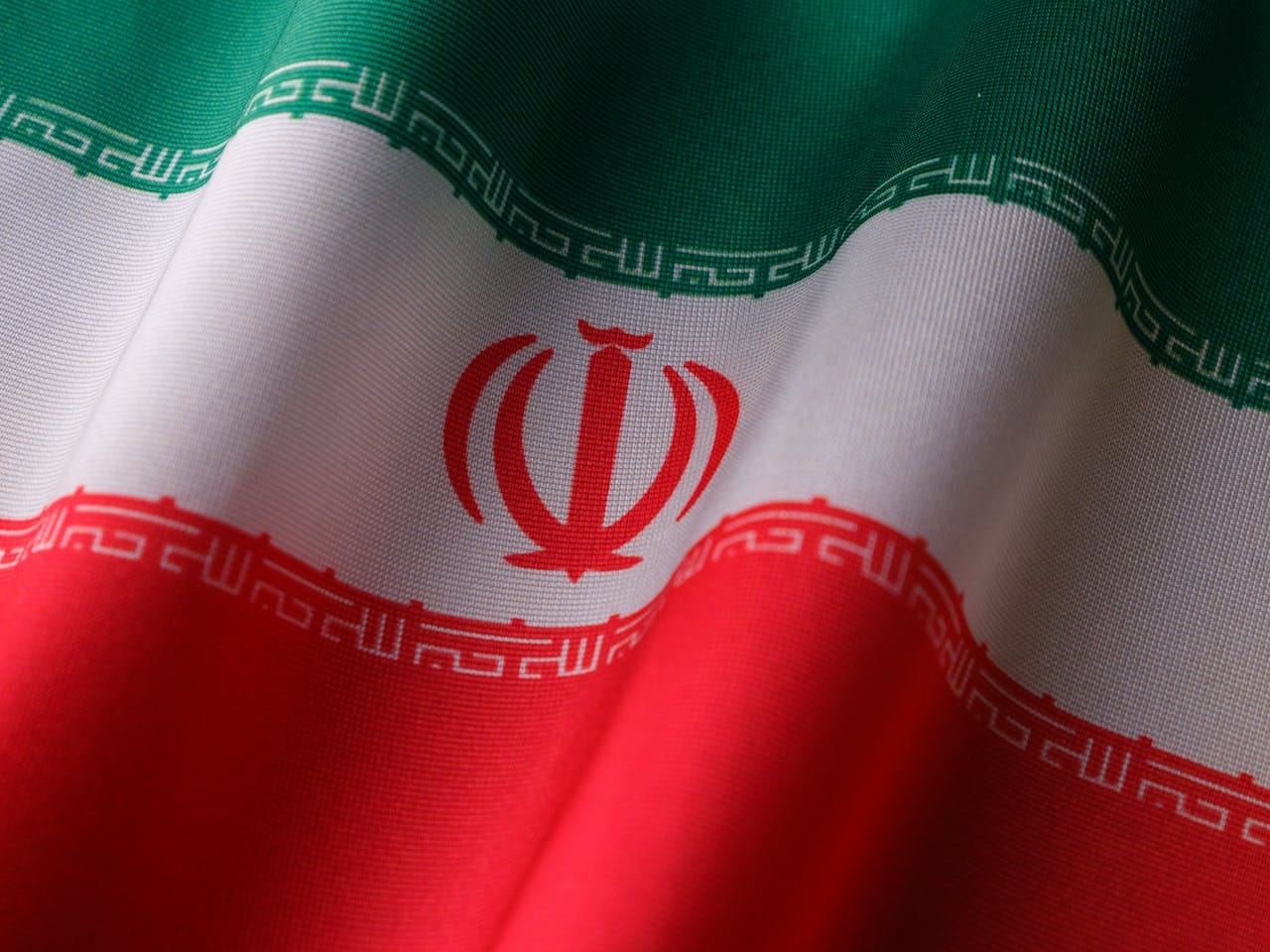
How power, endurance, and external calculation shape Iran’s political reality.
A United States military operation against Iran remains possible and even likely at moments of heightened tension, yet its scale would remain limited and its effects contained. Such an operation would aim at signaling resolve, satisfying domestic audiences, and reassuring regional allies rather than achieving decisive change. Air strikes, covert actions, or maritime pressure would serve as demonstrations of power rather than instruments of transformation. Iran would absorb the impact, respond in calibrated ways, and continue along its existing course. The structure of the Iranian state, its strategic posture, and its regional role would endure. Military action would therefore alter tempo rather than direction. This reality frames everything that follows, because the fate of Iran today depends less on dramatic force than on slower contests of power, endurance, and external calculation.
The present situation in Iran does not revolve around slogans, emotions, or social media storms. It turns on power. More precisely, it turns on the decisions of the United States and Israel. This is the central fact that many commentators prefer to blur, since it strips protest movements of their romantic aura and reveals the hard mechanics of modern geopolitics.
In Iran, protests rise and fall in a familiar pattern. Resentment exists, crowds gather, images circulate, and outside observers rush to declare that the system stands on the brink of collapse. Then, if foreign backing fails to appear, the state restores control. This has happened many times. It is not mysterious. The Islamic Republic is a hardened political organism, shaped by decades of pressure, sanctions, sabotage, and open hostility. It knows how to survive. It was built to survive.
For this reason, the decisive variable is external intervention. If the United States and Israel actively support a protest movement—financially, politically, covertly, and eventually openly—the balance can shift. If they do not, the protests burn out and remain just a memory of a noisy nuisance.
This creates a closed circle that protest leaders and foreign planners alike understand very well. Washington and Tel Aviv will only invest serious resources if a movement shows real potential to seize power. At the same time, that movement can only demonstrate such potential if it receives external backing. Each side waits for the other to move first. This is the trap. A veritable catch-22.
From the standpoint of the protesters, the logic is brutal. To attract decisive foreign support, they must show blood, sacrifice, and endurance. They must produce martyrs who signal seriousness and resolve. At the same time, they must preserve enough organizational strength to take power if help arrives. They are expected to die heroically, yet remain strong. This contradiction destroys movements from within.
From the standpoint of the United States and Israel, open regime change is risky, expensive, and politically costly. A loud revolution attracts global attention and resistance. It risks failure and humiliation. Far better, from their view, is a quiet operation: a managed transition, a palace coup, or an internal reshuffling that leaves the outer form of the state intact while hollowing out its core.
This is the preferred model. The faces remain similar, the flags still fly, and the rhetoric stays familiar. Yet behind the scenes, the leadership becomes more flexible, more negotiable, and more useful. Venezuela offers a clear example of this approach. Pressure is applied, contacts are cultivated, sanctions are adjusted, and the goal is to produce a leadership that talks more easily, concedes more often, and resists less firmly.
Iran presents a harder case. The Islamic Republic emerged from revolution, war, and isolation. Its legitimacy does not rest on foreign approval. It rests on ideology, institutions, and memory. The memory matters most.
To understand this, one must recall what Iran looked like under the Shah. The Shah was presented to the world as a modernizer, a reformer, and a friend of the West. Inside Iran, he functioned as something else entirely: a parasite attached to the country by foreign hands. His power did not grow from Iranian society. It fed on it.
The Shah ruled through repression, surveillance, and fear. His secret police operated with foreign training and support. His economic model enriched a narrow elite while leaving large parts of the population humiliated and excluded. His cultural project aimed to erase Iranian identity and replace it with a shallow Westernized imitation. He was less a national ruler than a local satrap manager for outside interests.
This is why his fall was inevitable. The Islamic Revolution did not erupt because of a single event or grievance. It erupted because the Shah had no organic bond with the people. When pressure mounted, nothing held him in place. He fled, as parasites do, once the host resisted.
The Islamic Republic arose in direct opposition to this model. Whatever one thinks of its religious character, it represents an assertion of sovereignty. It rejects the idea that Iran exists to serve foreign designs. It insists that political authority must answer to an internal moral and social order rather than to embassies and intelligence services.
This is the core reason it has endured. The clerical leadership, often mocked abroad, understands power in a way many secular elites do not. It understands that legitimacy is built through resistance, sacrifice, and continuity. It understands that weakness invites destruction.
Western narratives often portray the Iranian government as fragile, unpopular, and close to collapse. These narratives repeat themselves year after year. Their persistence should itself provoke doubt. A system that survives war with Iraq, decades of sanctions, assassinations of its scientists, cyberattacks, and constant pressure is not fragile. It is resilient.
This does not mean that Iranian society lacks tension or debate. It does not mean that economic hardship is imaginary. It means that hardship alone does not topple states. Only organized power does. The Islamic Republic retains organized power.
The United States and Israel know this. That is why they hesitate. An open attempt to overthrow the Iranian system risks unifying society around the state. External threats strengthen internal discipline. This has been proven repeatedly. Sanctions punish the population, yet they also validate the government’s claim that the country is under siege.
For this reason, external actors search for subtlety. They look for divisions within the elite, generational gaps, and bureaucratic fatigue. They hope for a version of change that preserves stability while dissolving resistance. Yet Iran has learned from the fate of others. Its leadership watched Libya, Iraq, and Syria with cold clarity. It understands the price of naivety.
Protest movements inside Iran often misread this reality. They assume that moral intensity alone can overcome institutional power. They assume that images of suffering will force intervention. Yet intervention follows interest, not emotion. The United States and Israel intervene when victory seems likely and control seems possible.
Until that threshold is crossed, protests remain symbolic. Symbolism inspires, yet it rarely governs. The state, meanwhile, calculates patiently. It waits, absorbs pressure, isolates leaders, and restores order. This pattern is neither accidental nor improvised. It is doctrine.
The Islamic Republic survives because it was forged in struggle. It does not expect kindness from the world. It expects hostility. This expectation sharpens its instincts. It has built parallel institutions, ideological education, and security structures designed for endurance rather than popularity contests.
Critics often mistake this for weakness or backwardness. In reality, it is adaptation. Liberal systems depend on comfort and consensus. Revolutionary systems depend on discipline and belief. When pressure increases, belief often outlasts comfort.
This is why comparisons with the Shah remain relevant. The Shah collapsed because his regime existed in a vacuum. It relied on external validation and internal repression. Once the external support wavered, nothing remained. The Islamic Republic, by contrast, feeds on resistance. Pressure confirms its narrative instead of undermining it.
Those who predict its imminent collapse repeat the same error year after year. They assume Iran functions like a Western client state. It does not. It functions like a siege polity, and siege polities behave differently.
In the end, the future of Iran will be decided by Iranians, yet always under the shadow of external power. The United States and Israel will continue to probe, pressure, and wait. Protest movements will continue to rise and fall. The state will continue to adapt.
The lesson of recent history is clear. Quiet coups are preferred to loud revolutions. Negotiable elites are preferred to ideological ones. Parasites are useful until they are exposed. The Shah served his function and was discarded. The Islamic Republic learned from that fate.
This is why it endures.
https://www.eurosiberia.net/p/why-regime-change-in-iran-remains-a-foreign-illusion