
White Race Decline?
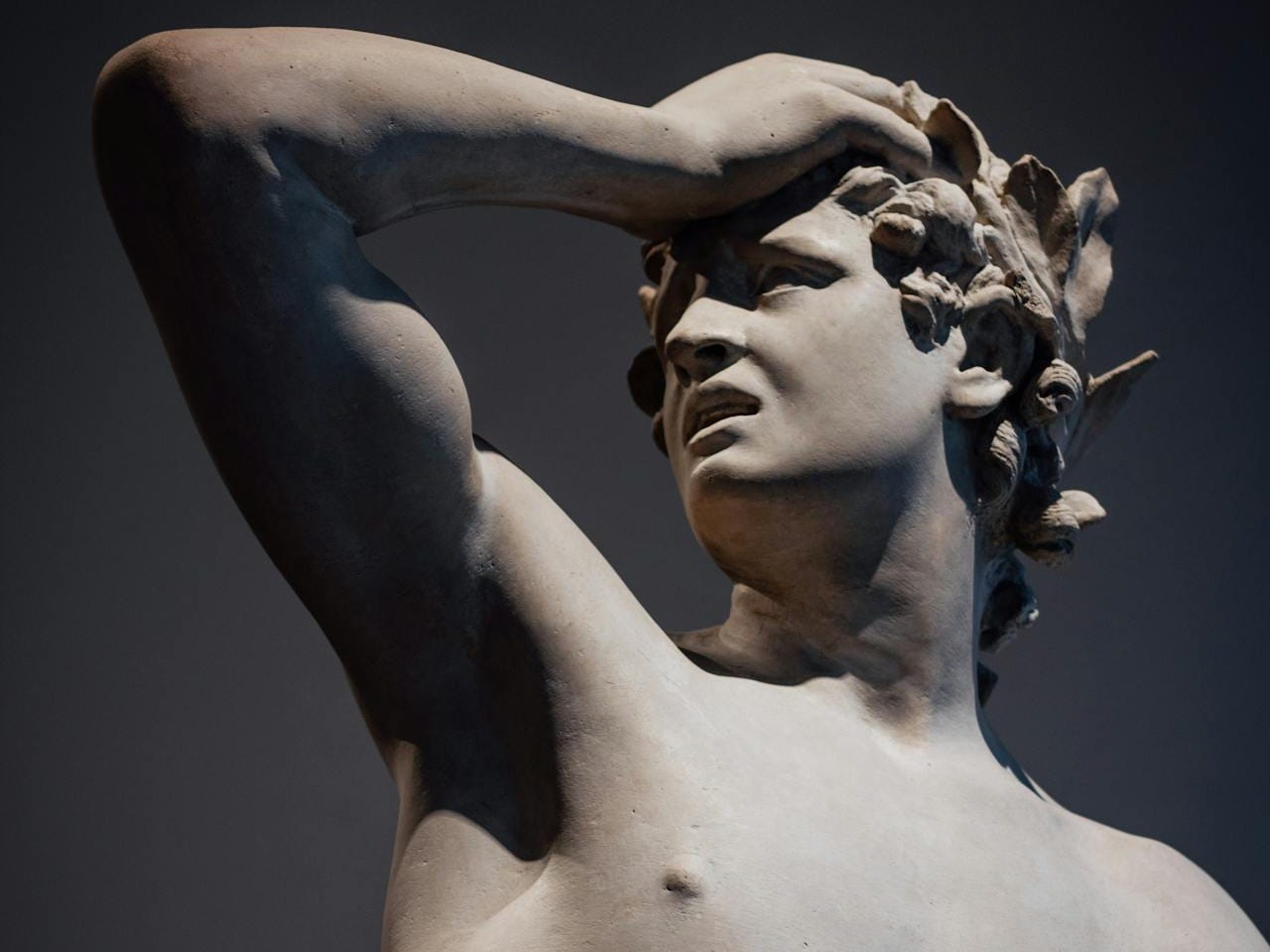
The thought begins with anxiety, a tightening of language around color, lineage, numbers, graphs, and futures imagined as shrinking rooms. Preserve, the word says, as if glass already surrounds something fragile, as if history were a museum and blood a specimen. The desire speaks in the language of emergency. Something is slipping, something counts less each year, and something once assumed eternal now asks for protection. That alone reveals the problem. What once ruled never asked to be preserved.
Race enters as an abstraction wearing the mask of concreteness. White becomes a symbol more than a people, a container for fear, memory, and loss. It gathers everything that feels stable and names it biology. Yet biology carries little of what its defenders claim to defend. Languages, myths, cities, music, law, temperament, and style pass through bodies yet never belong to them fully. The wish to preserve race mistakes the vessel for the content.
Stream follows stream. History moves. Civilizations rise, mix, fracture, reform, harden, and dissolve. Europe itself emerged from crossings, invasions, syntheses, conversions, long before anyone spoke in racial totals. The obsession with preservation freezes time at an arbitrary moment and declares it sacred. It chooses a snapshot and calls it destiny. That choice reveals nostalgia disguised as realism.
Fear sharpens the argument. Demography replaces imagination. Numbers speak louder than meaning. The future becomes a spreadsheet, and politics shrinks into counting heads. This is a politics of retreat. It measures loss yet rarely defines victory. It defends an outline rather than a form. It guards boundaries while forgetting purpose.
The insistence on racial preservation often claims hardness, yet it rests on softness. It avoids the harder question of culture, discipline, hierarchy, creation, and authority. Race becomes a shortcut, a substitute for formation. It promises continuity without demanding excellence. It imagines inheritance as enough. History shows otherwise. No civilization ever survived through blood alone.
Stream turns inward. What does preservation ask of the living? To exist as caretakers of a past rather than creators of a future. To carry identity as a duty rather than an achievement. To define worth by origin instead of action. This transforms politics into guardianship of a relic. It trains men to fear change rather than shape it.
A critical voice insists on a different frame. The real question concerns form, power, meaning, and direction. Who commands? Who creates order? Who generates myth? Who shapes institutions that endure pressure? These questions decide history. Race alone answers none of them. At best it offers raw material. At worst it becomes an excuse for stagnation.
The stream settles. Preservation may feel like resistance, yet it often functions as refusal. Refusal to accept time. Refusal to think beyond loss. Refusal to imagine forms of continuity that require transformation. A civilization that reduces itself to survival already speaks the language of decline.
The thought ends where it began, with clarity rather than comfort. Identity that depends on preservation already knows its weakness. Identity that creates asks no permission from history.