
A Tale of Two Reparations
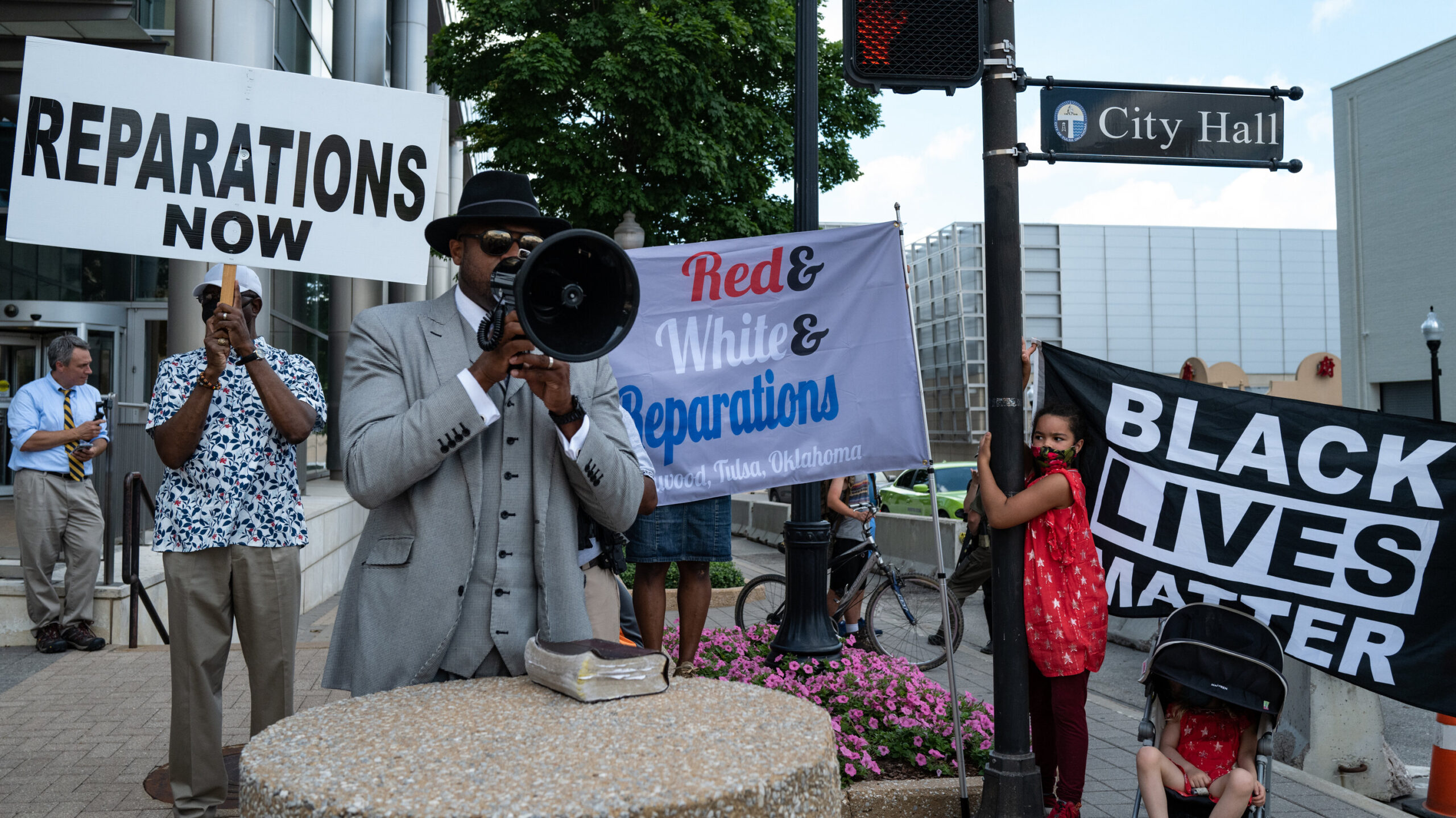
Reparations for black communities in the United States and the United Kingdom are often portrayed as a moral imperative, yet the debate is fundamentally political rather than principled. On one hand, the historical injustices of slavery and racial exploitation are undeniable. But on the other hand, the descendants of enslaved Africans living in Western societies today are materially and socially better off than the majority of Africans on the continent. They benefit from living in states that provide economic opportunity, legal protection, political rights, and social services, advantages that their ancestors could only have dreamed of.
In both the United States and the United Kingdom, governments, universities, and private institutions actively invest in empowering black communities. In the UK, for example, universities run numerous programs and initiatives specifically designed to support black students, offering scholarships, mentorship programs, and career resources. These initiatives give black Britons opportunities that go far beyond what most of their ancestors experienced or what most people in Africa have access to today.
Despite this, reparations continue to dominate public discussion, while far stronger claims remain almost entirely ignored. European nobles whose properties were expropriated by left-wing regimes, particularly in East Germany, provide a clear example. These properties were legally owned, and the owners were stripped of them under political circumstances after the Second World War. Over time, the value of these estates has increased dramatically, meaning that the loss is not merely historical but represents ongoing economic deprivation. The families affected are losing out on the appreciation and benefits of assets that were lawfully theirs. Yet public discourse rarely acknowledges these losses, largely because nobles are perceived as privileged and politically unappealing.
The inconsistency becomes even more apparent when considering Germany in the twentieth century. After World War Two, Germany was forced to pay reparations as the defeated party, while the victorious Allies expropriated German technologies and destroyed factories. Entire industries were dismantled, patents were seized, and German companies were prevented from competing internationally, with the benefits going to other Western powers. People often argue that “losers pay” without appreciating how these demands affected ordinary Germans. Millions of civilians suffered long-term economic consequences, shortages, and reduced opportunities as a direct result of these policies. By contrast, lobbying for reparations for blacks is inherently impractical. Slavery was legal at the time, and modern moral preferences should not be imposed on historical societies. Those who were enslaved are now deceased, and claims must therefore be made null and void. As such, reparations are symbolic and political rather than a practical remedy.
If black communities in the West are still underperforming despite the plethora of programs designed to support them, this is not society’s fault. Across the world, black populations underperform relative to other groups in education, income, and professional achievement, even in nations without systemic discrimination. Their relative performance in Western countries is therefore not unusual or indicative of a society failing them. Western states have provided legal protections, economic opportunities, and targeted empowerment initiatives; persistent gaps reflect broader trends rather than contemporary injustice. Reparations framed as owed by society ignore the fact that these populations already enjoy advantages unavailable in many parts of the world.
In practice, the reparations debate is highly selective and driven by politics. Certain groups are framed as deserving and sympathetic, while others with materially stronger claims are ignored. The result is an inconsistent application of moral and economic reasoning. The idea of reparations for black communities is celebrated in public discourse, while German nobles and citizens affected by wartime expropriations are dismissed or ridiculed. The inconsistency exposes the debate for what it is: a political exercise rather than a serious effort to deliver justice. It prioritizes contemporary sentiment and identity politics over consistent principles of property rights, legal ownership, and economic loss. Reparations in this context are political and selective, and they are unlikely to be defended consistently if judged by universal principles of justice rather than contemporary ideology.
https://counter-currents.com/2025/12/a-tale-of-two-reparations