
At the Edge of the World
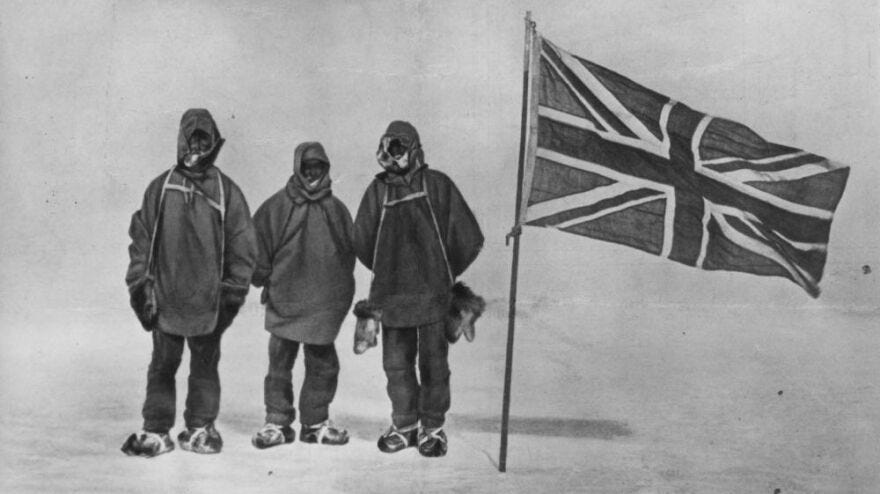
Everyone in this photo died soon after it was taken.
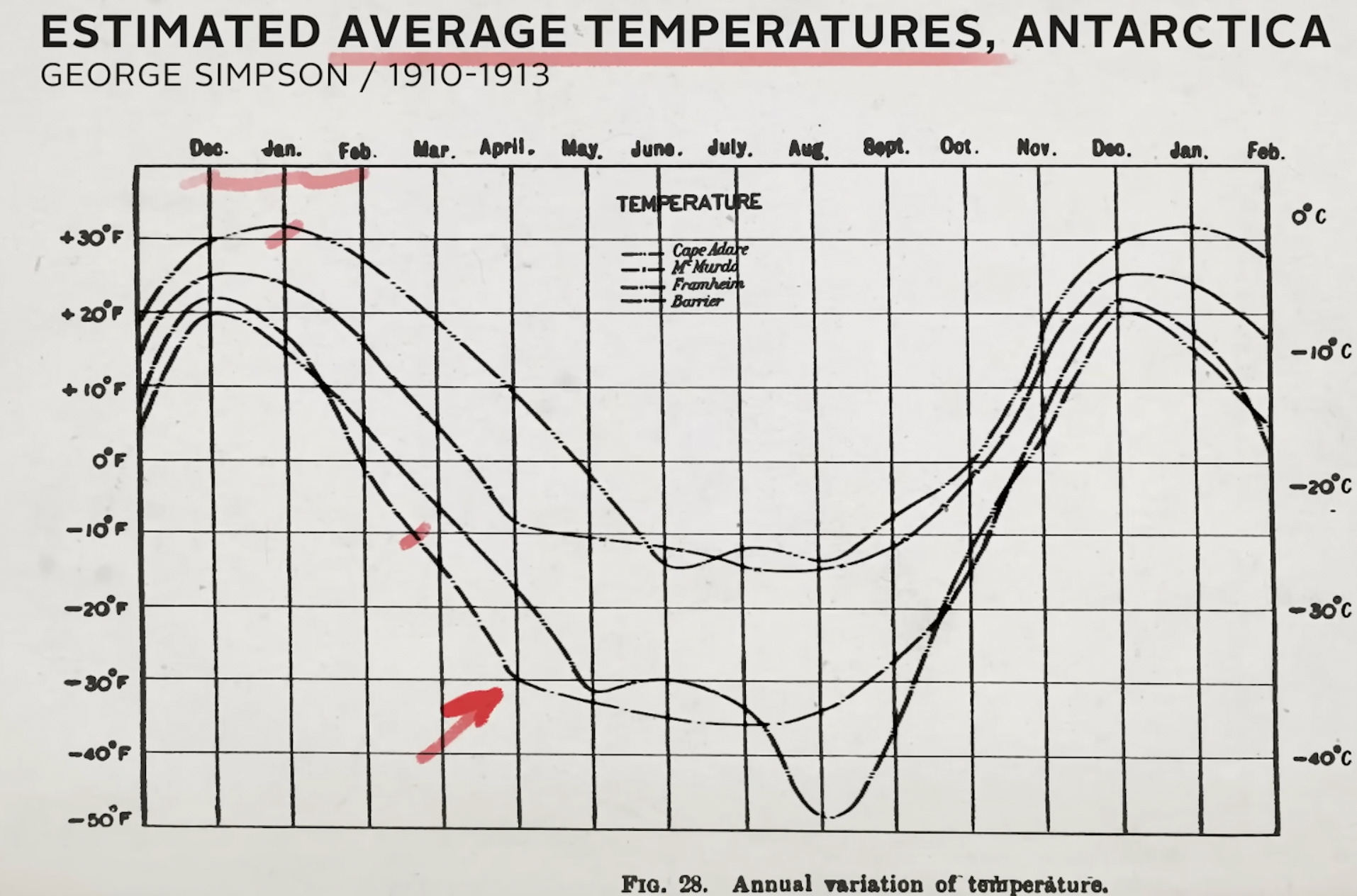
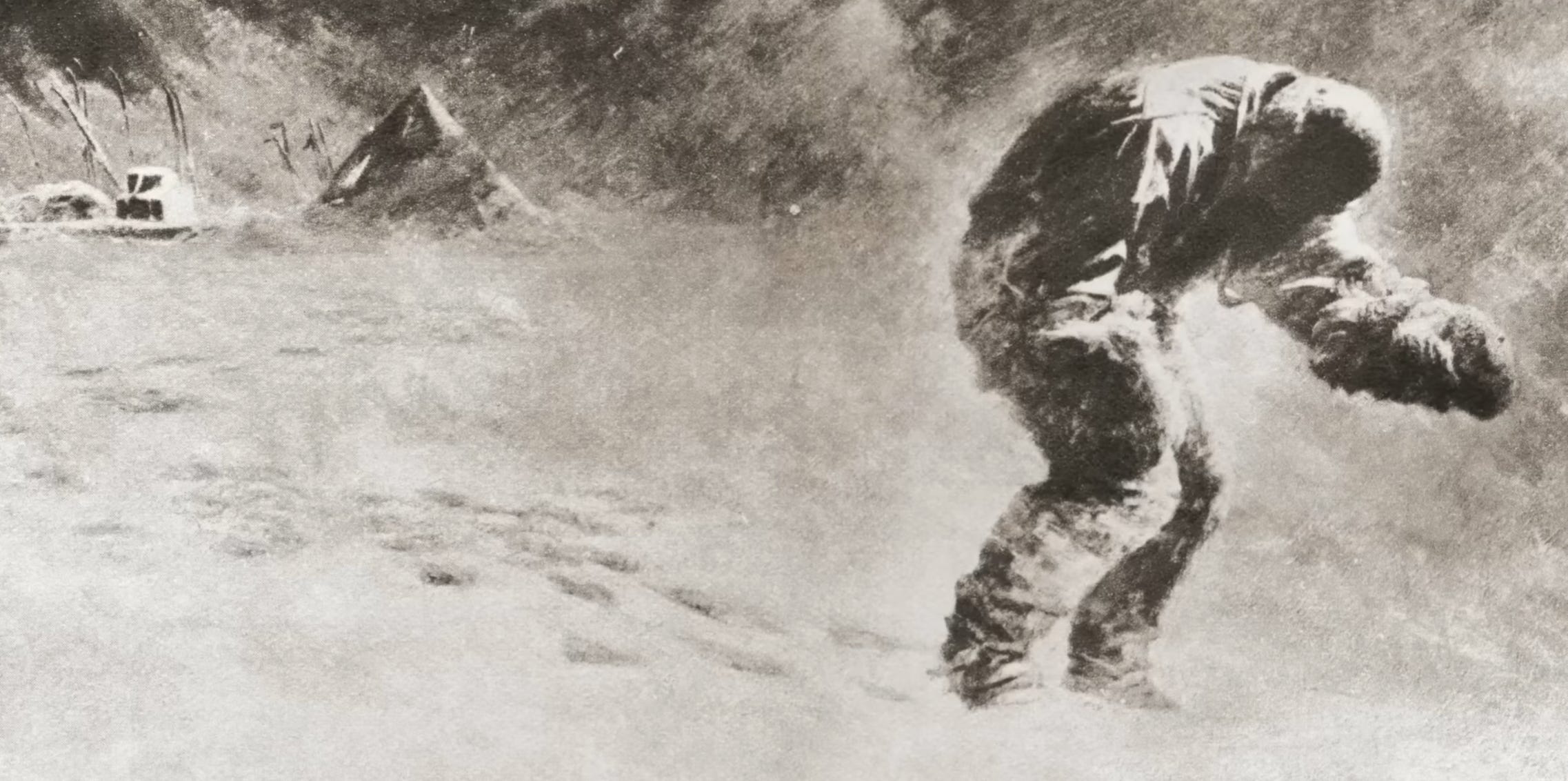
These are British explorers standing at the South Pole in January 1912, in the bleak cold of late March, Captain Robert Falcon Scott lay with his comrades in a tiny red canvas tent on the Ross Ice Shelf, only eleven miles short of One Ton Depot. Outside, a gale howled and snow drifted. Inside, the men huddled together, running desperately low on fuel and food. Scott’s hand trembled as he penned what would be his final journal entries. “We have fuel to make two cups of tea apiece, and bare food for two days,” he wrote of 29 March. “The cold is intense –40° at midday. We are getting weaker; the end cannot be far. I do not think we can hope for any better things now…we shall stick it out to the end.” These words, on paper folded like a letter to the world, are as vivid as any scene from high tragedy.1 They capture the thin, icy light of dawn through the tent’s walls, the men’s frostbitten fingers fumbling with diary and pencil, and a stoic resolve born of duty. One entry appeals directly to posterity: “For God’s sake, look after our people”, a last, paternal command from a commander who knew he would never return.2
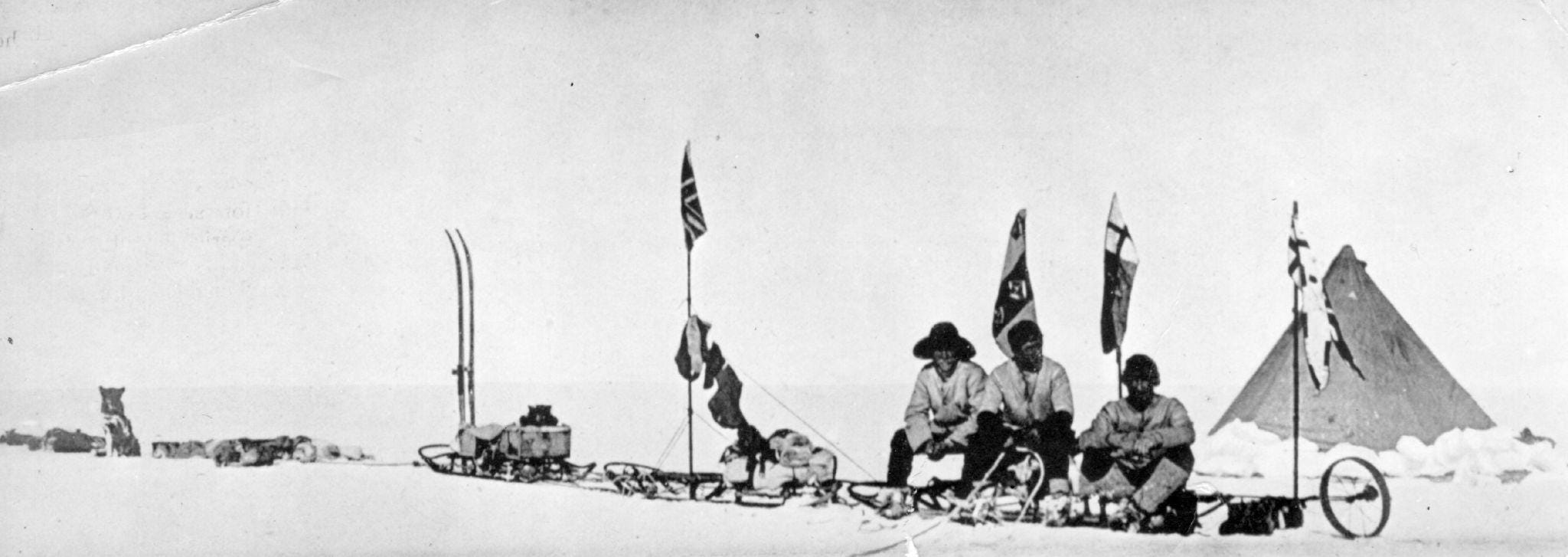
These five figures, Scott in the centre, flanked by Wilson, Oates, Bowers, and Evans, pose by their tent at the pole in January 1912. But the same tent became their tomb on the long trek home. In those final days the British explorers exemplified the stoic self-sacrifice of an imperial honour culture. Drained of strength and numb with frostbite (“My right foot has gone, nearly all the toes”), each man faced death with the courage of a bygone age.3 Lawrence Oates, sledging ahead with comrades, famously remarked, “I am just going outside and may be some time,” and he walked out into the blinding storm, an act of sacrificial suicide that Scott subsequently eulogised in his journal as the deed of a “brave man and an English gentleman”.4 Scott himself found some small nobility in the end: “we have no cause for complaint, but bow to the will of Providence…willing to give our lives to this enterprise, which is for the honour of our country”.5 Even in the tent’s dying light, Scott envisioned their deaths as proof that “Englishmen can endure hardships… and meet death with as great fortitude as ever in the past”.6
Faustian Ambition and the Quest for Infinity
Scott’s diary, rich in resignation and honour, contains echoes of a deeper European myth: the impulse to conquer the unconquerable, to chart the infinite. Goethe’s Faust famously dramatises this urge. In Faust, the scholar’s soul is split between “two souls, alas, in my breast” one clinging to the earth, the other yearning to “soar beyond the dust” into boundless realms of thought.7 Faust cannot be satisfied with any finite pleasure or knowledge. As one character notes of him, “He’d pillage heaven for its brightest star, / And earth for every last delight that’s to be found; / Not all that’s near nor far / Can satisfy a heart so restless and profound”. In this sense Faust’s quest is an archetype: the boundless striving, the “madness” of restless inquiry into the unknown. He declares, “Man errs, till he has ceased to strive”, a warning that error and striving are joined at the hip. The Western explorer, in the Faustian tradition, makes Eden’s boundaries an irritation, not an end.8
Oswald Spengler seized on Goethe’s image in The Decline of the West. He named the Western soul “Faustian”, a culture whose defining spirit was boundless spatial yearning. As one scholar summarises Spengler’s thesis, Western (“Faustian”) culture is marked by a “restless thrust toward the infinite and unattainable”.9 Spengler elaborates that Faustian man is “impatient of limits, to seek the hidden, to take terrible risks”.10 Western science “literally seeks the infinite” and its technology “is contemptuous of the human scale”. In Spengler’s view, the metaphors of Gothic cathedrals aiming at heaven or symphonies evoking infinite space are the same will driving explorers. He noted that Western art repeatedly strives for the limitless, be it the “Faustian urge” in music or the infinite perspective in Renaissance painting.11 In short, the far reaches of geography, the open ocean, the poles, outer space, were for the Faustian soul the ultimate canvas on which to play out its drama of conquest.
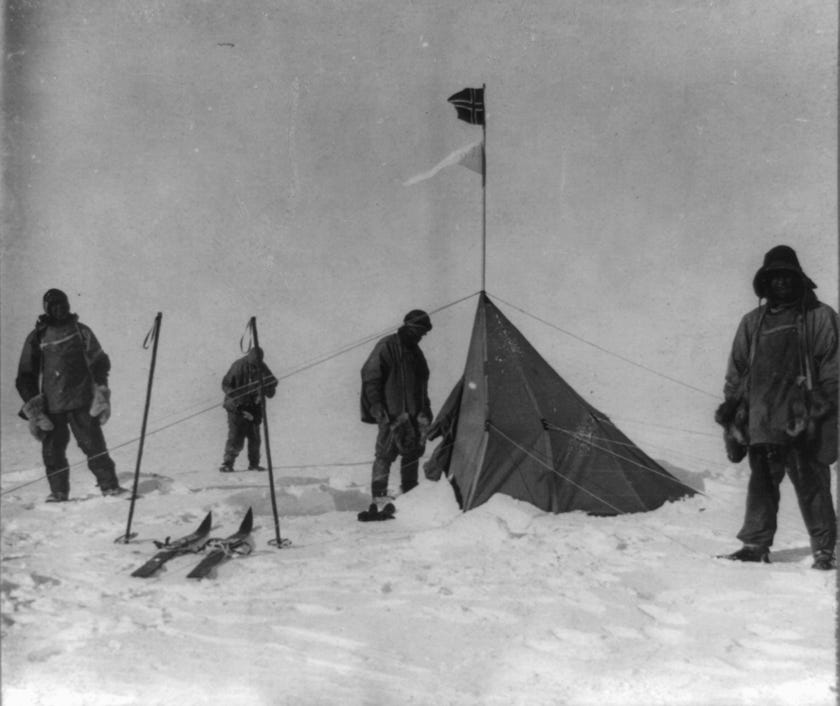
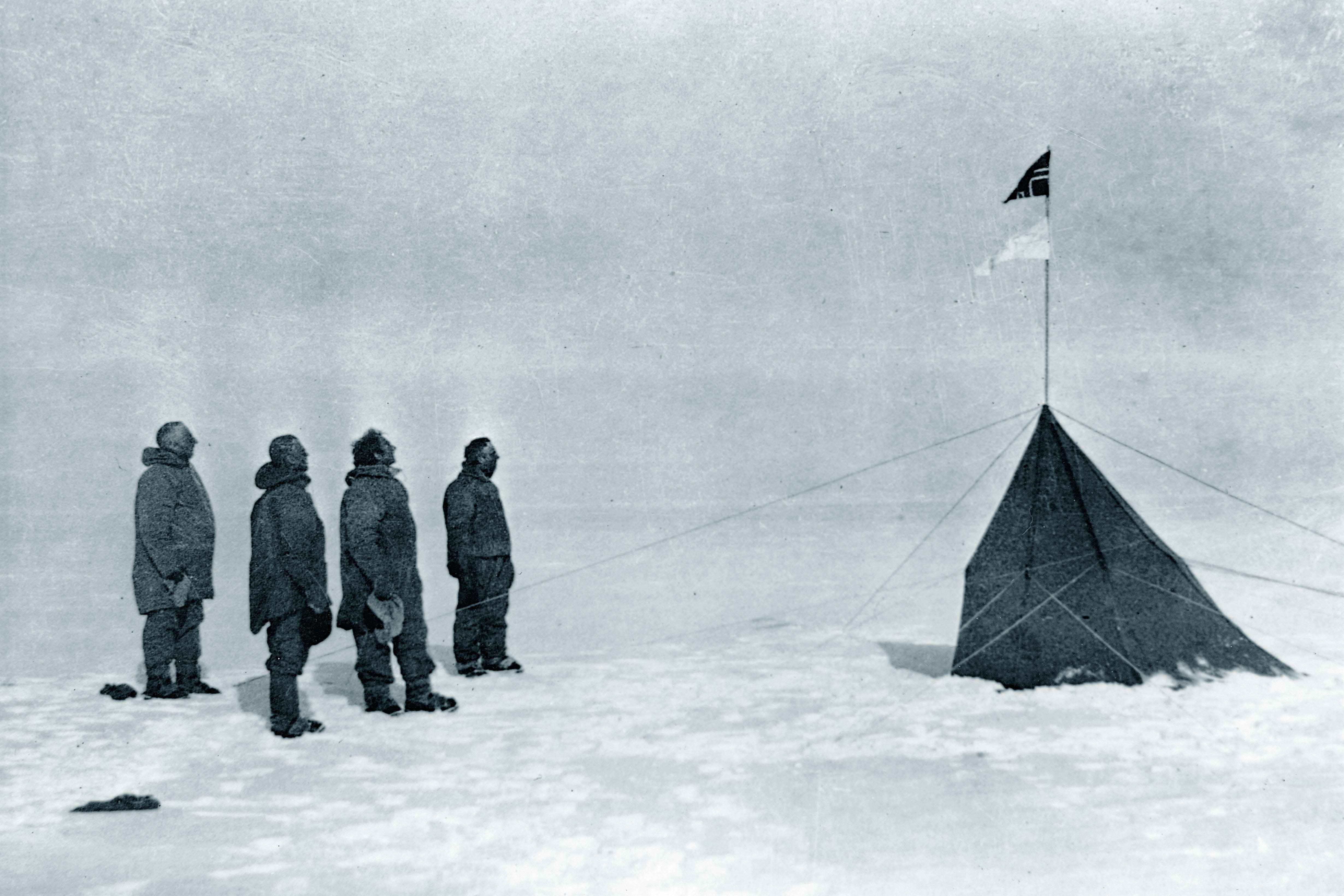
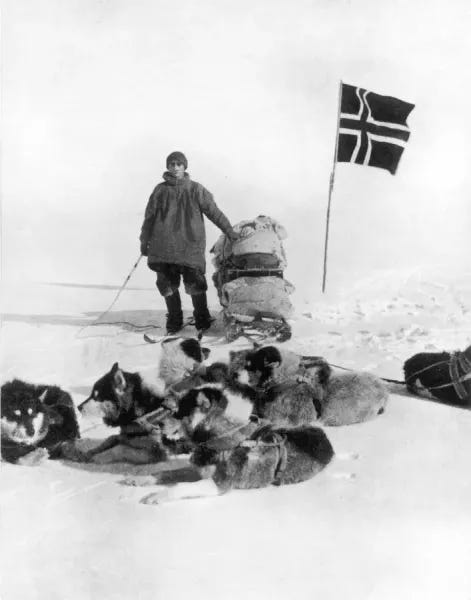
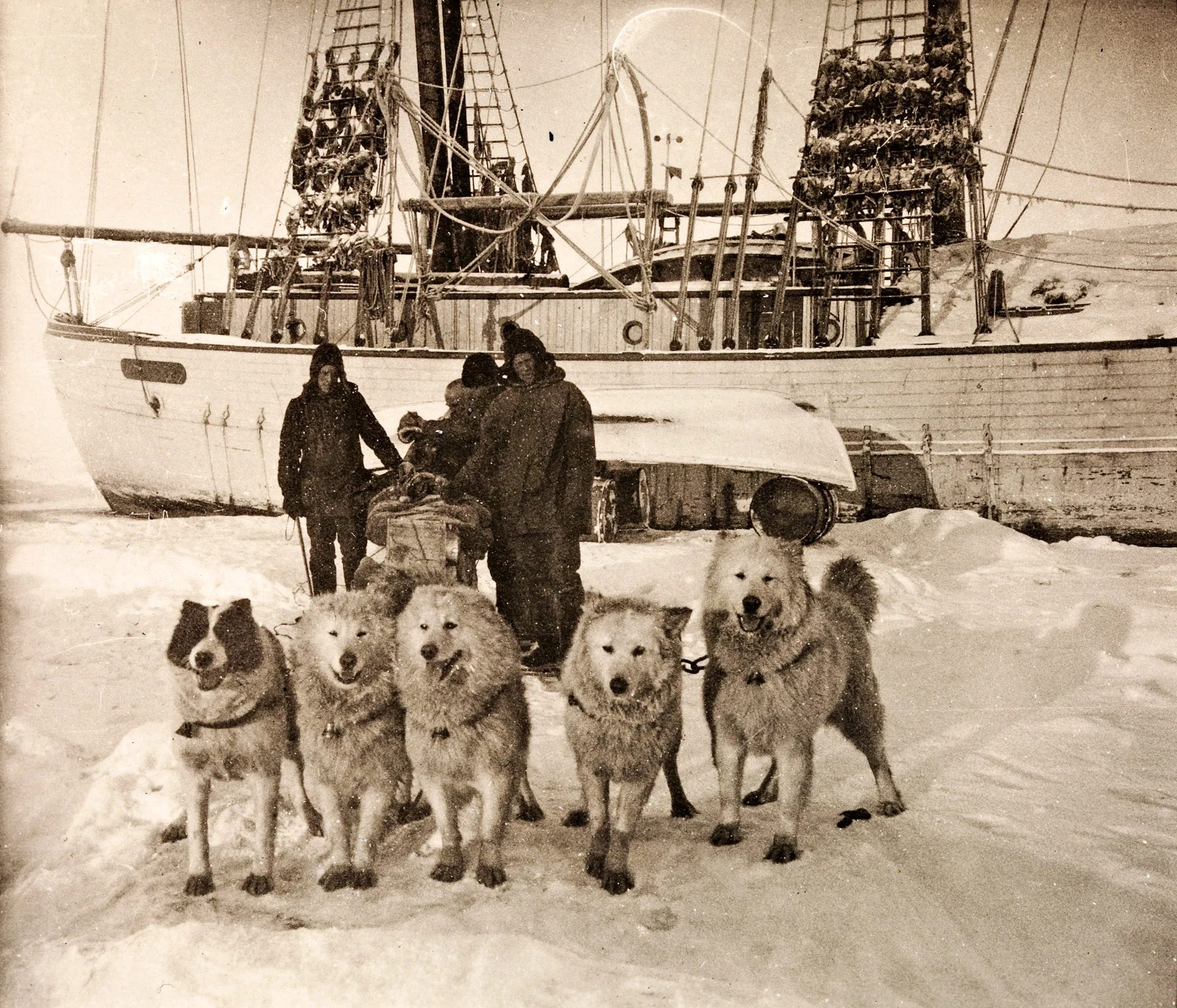
The race to the Pole in 1911–12 was thus more than polar exploration; it was a grand gesture of this Faustian Western ambition. On the white horizon, two men tested that impulse in different ways. Roald Amundsen’s Norwegian expedition was an experiment in precision and discipline: “I may say that this is the greatest factor – the way in which the expedition is equipped, the way in which every difficulty is foreseen, and precautions taken… Victory awaits him who has everything in order”.12 This southerly turn by the veteran polar mariner was no whimsy; it was meticulous engineering of a conquest. Amundsen brought 116 dogs, skis, and experience from the Arctic, strode along an unexplored glacier route, and methodically covered roughly twenty miles a day. On 14 December 1911, thirty-five days before Scott’s arrival, Amundsen’s team proudly planted a Norwegian flag at the Pole.1314 Amundsen’s attitude was summed up by his pithy maxim: “Adventure is just bad planning.” In his ledger, success belonged not to the bravest or luckiest, but to the man who prepared best.15
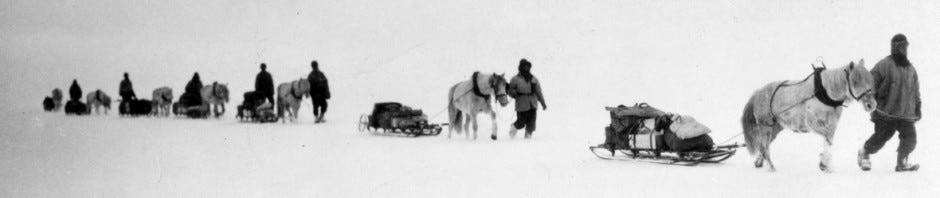
In contrast, Scott’s approach was steeped in imperial romance. The British party included motor sledges and ponies alongside dogs, reflecting a naval-era bravado and experiment. Scott celebrated endurance and sacrifice as ends in themselves. His diaries brim with appeals to providence and honour, he viewed the journey as an imperial duty to “carry our country through” hardship. The discipline was monastic: he described the men as a small “republic” united by duty, not by skepticism or self-interest.16 When Amundsen’s expedition appeared days before Scott, Scott could only note it with grave honour: a letter that Amundsen left under his tent’s flag said simply that they “did not return safely,” and he wrote respectfully of the Norwegians’ achievement. Yet, in the end, Scott’s crew of naval officers, with their gentlemanly code of stoicism, marched on much longer despite little chance of survival.
Neither man was simply right or wrong in an ethical sense; they embodied archetypes of the Western will. Amundsen’s success and Scott’s tragedy both illustrate Faustian qualities. Scott’s men were driven by faith and sacrifice: Lawrence Oates willingly offered his life to the mysterious requirements of honour.17 Amundsen’s team too embodied struggle: they endured blizzards, starvation, and the cruelty of the ice. One might say Scott’s spirit was priestly, Amundsen’s was more technocratic, but both were fuelled by the same belief that the Pole was theirs to reach.
Empire, Nationalism, and the Twilight of Heroes
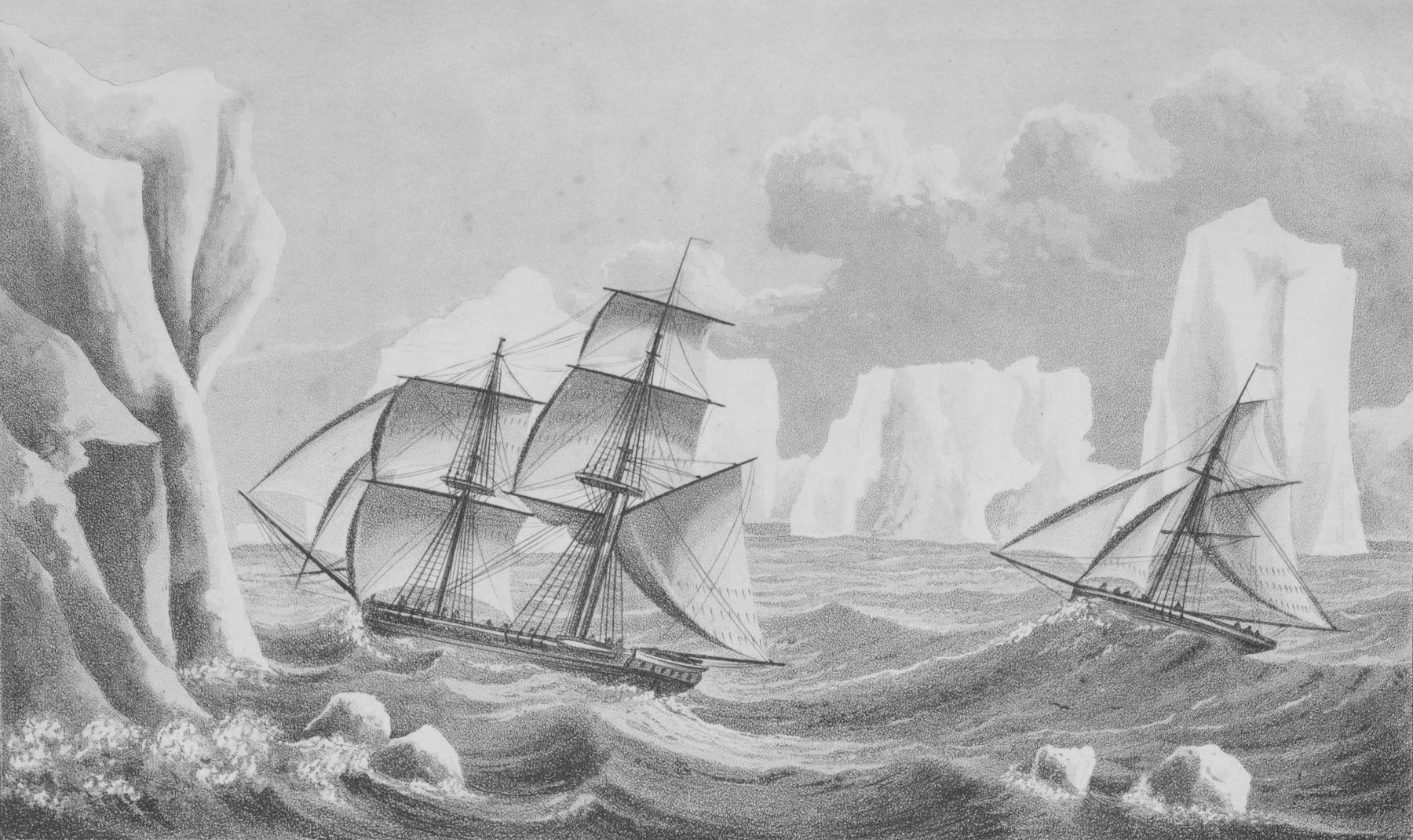
The Polar Race occurred at a pivotal moment. The “Heroic Age of Antarctic Exploration,” as it was later called, had been building for decades: British, Norwegian, and other expeditions braved icy oceans for glory and science from the late 19th century until World War I. Scott’s Terra Nova and Amundsen’s Fram were among seventeen expeditions from ten countries launched in this last burst of exploration. National pride and imperial rivalry spurred the quest. Britain’s late-Victorian empire still brimmed with confidence, though it faced new challengers. Norway, newly independent in 1905, was eager to prove itself on the world stage. To both nations, planting a flag at the Pole was not vanity alone but a symbol of modern identity and mastery of nature.
At this historical juncture, Europe teetered on the brink of catastrophe. The polar contest was the final flourish of a culture that believed in noble risk and personal glory. Within two years, the guns of 1914 would sweep away that world. By the time Scott’s body was found (in November 1912) it was clear to many Britons that he had become a tragic national icon, even as the continent veered towards mechanised slaughter. Scott himself had anticipated this darkening horizon: he noted in his diary the date of death, “the last entry” almost in a solstitial tone, as if foreseeing that this pure quest was an ending act.18 The heroic ideal of sacrifice would soon be overshadowed by the mass tragedy of trench warfare.
In this way, the South Pole race stands at the crossroads of history: not only a contest of reach and speed, but a metaphor for Western civilisation’s soul. Spengler argued that Faustian man is always “struggling against what is near, tangible and easy”, that is, pushing beyond obvious, finite limits.19 Both Scott and Amundsen did exactly that. And as one modern scholar notes, the very task of European exploration exemplifies this Faustian restlessness: of 274 great explorers in history, only 15 were non-European (and none after the late 15th century).20 Western civilisation, shaped by individualistic zeal and competitive expansion, had among its “prime symbols” a quest for “pure and limitless space”. Scott planting the Union Jack at 90°S was the polar embodiment of that symbol.
Confronting the Infinite
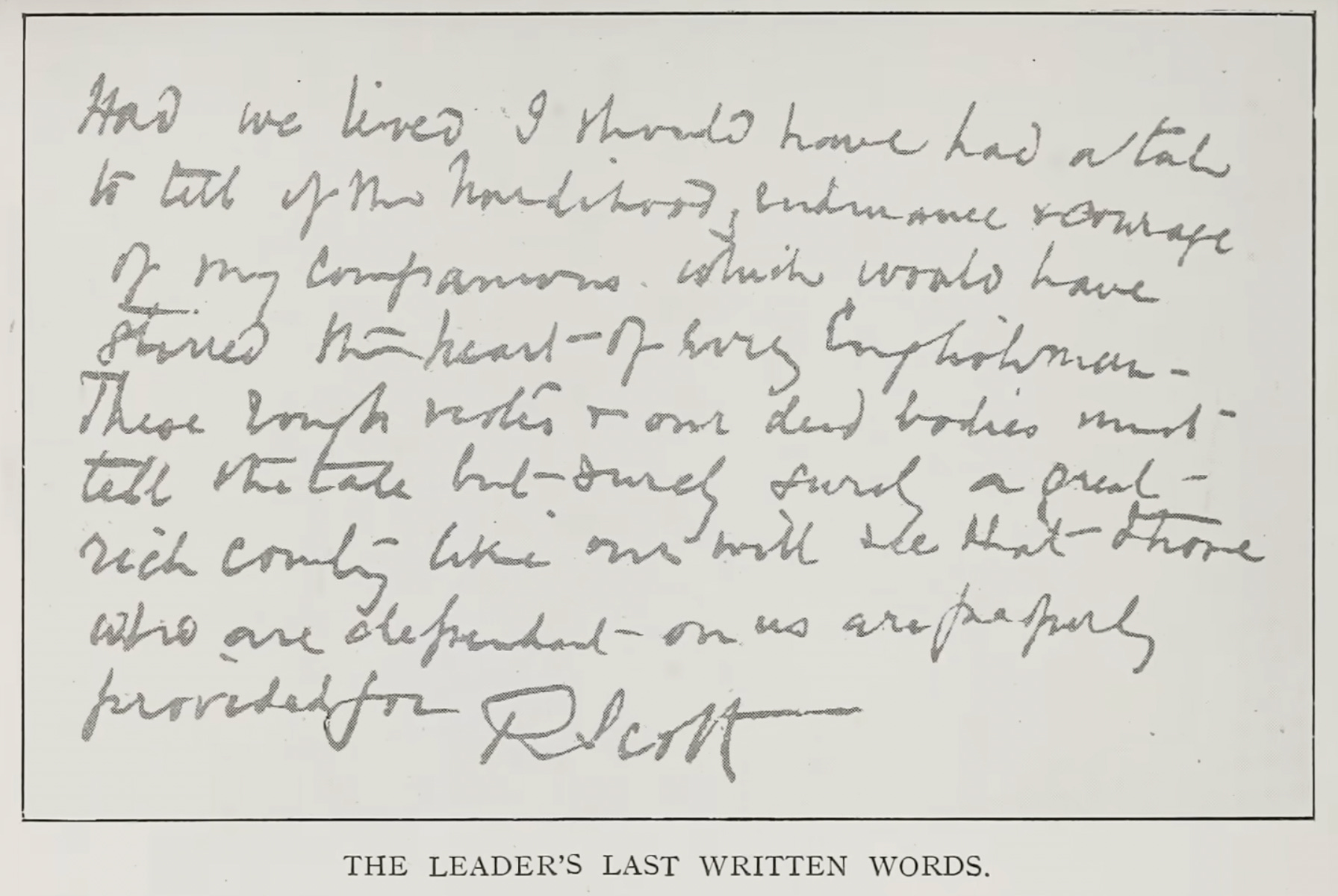
The Pole itself is a fitting stage for metaphysical confrontation. It is literally the edge of the world, on maps it is the point where all lines converge, where directions lose meaning. Reaching it meant piercing a horizon of white nothingness. For Scott, writing in that tent, each paragraph was a prayer and a confession: “Had we lived I should have had a tale to tell of the hardihood…of my companions”.21 He felt the grandeur of the endeavor even in its failure.
This existential dimension was not lost on their contemporaries. After the race, intellectuals reflected on the meaning of such quests. It echoed Goethe’s lines about Faust yearning “to grant me a vision of Nature’s forces / That bind the world’s innermost core”. It resembled Nietzsche’s insight that great acts require a kind of “will to power.” Ironically, the Western scientific age had disenchanted the world (in Max Weber’s sense) by banishing supernatural wonder, but the Pole race re-enchanted it by personifying humanity’s confrontation with the sublime and the void. Joseph Conrad later portrayed similar romantic heroism and hubris in imperial settings, hinting that such quests held both nobility and hidden darkness.
In the tent at One Ton Camp, Scott’s men were literally living on the boundary of life and death, history and myth. Their final struggle was a Faustian act: striving without guarantee of salvation. Scott even told his wife in a letter that the field of battle “ought not to be a place for tears, but for high courage” as though believing even death could be made heroic. That conflation of exploration and existential trial is the very definition of the metaphysical quest. The men were not just seeking a geographic point; they were grappling with the infinite.
The Faustian Legacy Today
What then of our modern age? Have we preserved the Faustian spirit that sent Scott and Amundsen to the ice, or has it been diminished by our gadgets and convenience? In some ways it endures. Western science still “seeks the infinite,” as Spengler observed: our telescopes gaze further into space, our particle colliders probe the subatomic unknown. Spacecraft now casually orbit another world, doing in a weekend what Amundsen and Scott could only imagine for themselves. Large-scale projects, from Mars rovers to fusion reactors to the Large Hadron Collider are the heirs of the same “insatiable quest for knowledge”. One might say modern civilisation made Faust’s devil a computer and a rocket engine, enslaving us in different ways. Spengler warned that Faustian man can become “slave of his creation,” especially through machines that “enslave both worker and entrepreneur”.22 Indeed, the shadow of that prophecy is visible: our algorithms and comforts promise much yet often distract us from wonder.
At the same time, much has changed. The raw heroism of the polar age, the idea that a journey could only be measured by its sacrifice, feels foreign to today’s ethos. Science has demystified nature, trade has mapped the globe, and space travel is government or corporate enterprise, not lone adventurers on skis. We still speak of “first footprints” on other worlds, but the pioneers are astronauts and robots, not ice-bound wanderers. The yearning for pure sacrifice in an icy tent is largely gone. What remains of the Faustian impulse is channeled differently.
Yet perhaps the spirit is not extinguished. New frontiers, genetic, digital, cosmic, beckon the dreaming Faust. We invent novel ways to touch infinity: reaching the bottom of the Mariana Trench, simulating universes on supercomputers, or the audacious goal of truly understanding consciousness. The question “What lies beyond?” still sends scientists and explorers forth. In a sense, each smartphone user is in touch with virtually limitless information, and each child staring at the stars inherits the old dream.
In the end, Scott and Amundsen, the tragic hero and the triumphant Nord, were both bearers of a Western myth: that the limits of nature are challenges to be loved and endured, not just obstacles. At the literal edge of the world they confronted the infinite. Whether that Faustian impulse is truly alive in today’s age is a question each of us must answer as we, too, stare into white spaces on our own map.