
Big Pharma, Big Crimes

Big Pharma is big business, and the companies whose products millions view as lifesavers have become a clear and present danger to many of their patients.
America’s leading pharmaceutical companies, and their re venues in 2023 alone, are: Pfizer, $58.5 billion; Johnson & Johnson, $85 billion; Merck & Co., $60 billion; AbbVie, $54.3 billion, Eli Lilly $34.1 billion; Bristol Myers Squibb, $45 billion, and Amgen, $28 billion.
Smaller players abound and, together, they make up an important sector of the economy, with ruthlessly efficient lobbying and marketing operations.
According to traditional medical ethics dating back to Ancient Greece, the purpose of physicians is to heal the sick, and to avoid doing harm while they do so. In 21st century America, by contrast, the first loyalty of Big Pharma is to the bottom line – profit. And a cool-headed examination of their methods and impact shows that they have no compunction about doing vast amounts of harm if it helps to boost their takings still further.
Big Pharma, Big Crimes
Cover ups, highly selective ‘research’ programmes, and the systematic bribery of doctors and hospital administrators are just some of the weapons in the armoury of those making huge profits from ill health to which their products often contribute.
Of course, some prescription medications really do save lives and improve health, but the price of Big Pharma’s Gaderine rush for profit is paid in lives lost or blighted by toxic side effects. Overdoses of prescription drugs has become one of the leading causes of injury-related death in the United States.
The decades-long opioid epidemic was from the start fueled by prescription painkillers. Drug overdose deaths quadrupled between 2003 and 2022, reaching a horrifying 32.6 per 100,000. In 2023, more than 105,000 Americans died of drug overdoses. At about 300 per day, this is a higher toll than deaths from firearms or traffic accidents.
Prescription opioids such as oxycodone and hydrocodone played a huge role in the first wave of this epidemic. From 1999 to 2020, over 263,000 Americans died from overdoses involving prescription opioids
Purdue Pharma introduced OxyContin in 1996 and pharmaceutical companies aggressively marketed opioid painkillers as safe and effective. Prescriptions surged – and so did addiction and overdose. By the mid-2000s, deaths from prescribed opioids had spiked, before heroin and then fentanyl flooded in as cheaper, more potent substitutes in later waves of the crisis
Even today, prescription drugs are often the starting point: many people who now use illicit opioids became dependent after receiving opioids from a doctor.
Quite aside from actual overdoses, many prescription medications cause severe side effects or medical emergencies even when taken as directed. Each year, more than 1.5 million people in the U.S. visit emergency departments due to adverse drug events (ADEs), and about 500,000 of these cases require hospitalization.
Up to a fifth of these never make it home. A major analysis in the Journal of the American Medical Association estimated that about 106,000 hospitalized patients in the U.S. die annually from the toxic side effects of correctly used medications.
This makes adverse drug reactions one of the top causes of death. Medical researcher Peter Gøtzsche has argued that prescription drugs are the third-leading cause of death in the U.S., after heart disease and cancer.
To give an example, the painkiller Vioxx was withdrawn in 2004 after it was found to increase heart attack and stroke risk. An FDA analysis estimated Vioxx contributed to nearly 27,785 heart attacks and sudden cardiac deaths in the few years it was on the market. In another case, the diabetes drug Rezulin was pulled in 2000 after causing dozens of acute liver failure deaths
These tragedies are not just accidents but the predictable result of a profit-driven pharmaceutical industry and a medical system rife with financial conflicts of interest.
There is, however, growing evidence that the clearly visible harm done by drugs is dwarfed by the less immediately obvious damage done by vaccines. This is not just the result of the haste with which untested Covid vaccines were rushed to market; the problem dates back for decades.
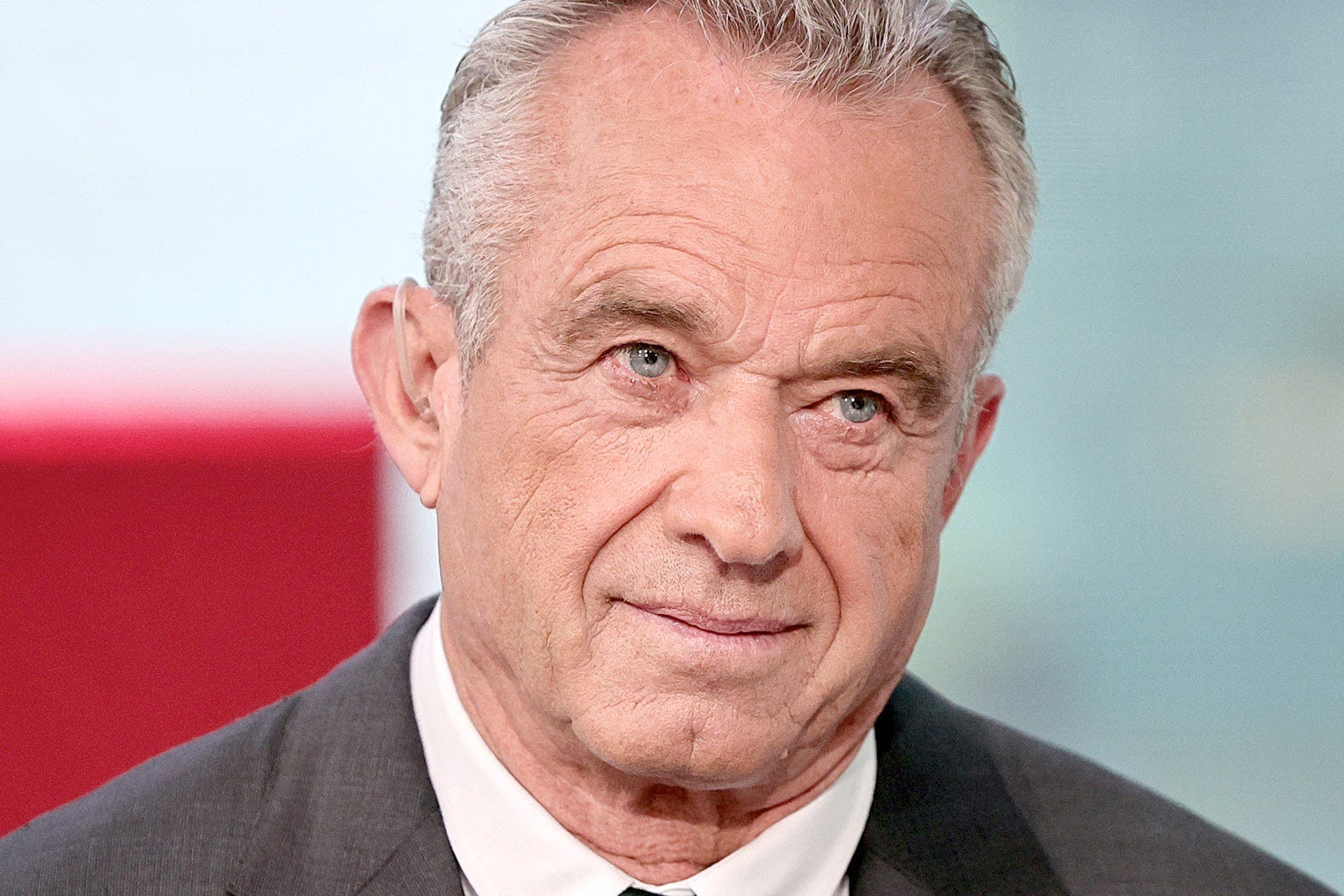
Robert F. Kennedy Jr.’s long crusade on this issue has taken him from “conspiracy theorist” to one of the highest offices in the land. against the pharmaceutical industry’s influence on vaccine policy.
For more than 15 years, Kennedy has voiced concerns that vaccines (especially those given to children) may be causing injuries like autism or autoimmune issues. Kennedy has worked to expose the concerted effort by government and industry to cover up real vaccine harms in a bid to sustain vaccination programs and pharma profits.
The 1986 National Childhood Vaccine Injury Act is at the dark heart of this crisis. Passed by Congress due to intense lobbying by the vaccine manufacturers, this gave vaccine companies immunity from lawsuits for injuries caused by vaccines.
The U.S. Vaccine Adverse Event Reporting System receives thousands of reports yearly of possible vaccine side effects, and the National Vaccine Injury Compensation Program (VICP) has paid out $4.9 billion for vaccine injury claims since 1988.
With the threat of liability removed, the vaccine industry boomed. Dozens of new vaccines were pushed aggressively on children. The result? Since 1986, the childhood vaccine schedule roughly tripled, coinciding with rising rates of autism and other chronic conditions. It’s a huge profit stream. “The CDC spends $4.9 billion of its $12 billion budget buying vaccine,” Kennedy has noted. “It’s really a vaccine company, not a regulatory agency.”
One of the good things done by Trump before his current lurch into full-blown Caesarism was Robert F. Kennedy Jr.’s appointment as the Secretary of Health and Human Services. This finally gave millions of Americans real hope that all this will change. Leading a nearly $2 trillion agency that oversees critical health-related institutions, Kennedy should be able to make a real difference.
But he is up against a lobby with immense power and experience of twisting things its way. The problem of prescription drug poisoning may be curtailed, but it is very unlikely indeed to go away – especially under a President who has now declared that his own might is the only right, and who is so readily swayed by big donations.
https://nickgriffin544956.substack.com/p/big-pharma-big-crimes