
Did the British Really Plunder India?
How the modern narrative of British “plunder” in India collapses when confronted with economic data, population growth, and the realities of the Industrial Revolution.
The historical evaluation of the British Raj has increasingly become a battleground for competing political and academic narratives. In the 21st century, the discourse has shifted significantly toward an oppression narrative that characterises the period from 1757 to 1948 as one of singular depredation. This perspective, popularised by public intellectuals such as Shashi Tharoor and economic historians like Utsa Patnaik, posits that British rule was defined by systematic deindustrialisation, engineered genocide, the intentional dismantling of educational systems, and the looting of wealth on a scale that defies standard economic modelling.1 However, when subjected to the rigours of aggregate statistical data, comparative institutional analysis, and a sense of historical proportion, these claims frequently reveal themselves as founded on misleading anecdotes and founding myths rather than objective economic realities.2 To accurately understand the trajectory of India under British influence, it is essential to move beyond evocative stories, such as Winston Churchill’s peevish marginal notes and examine the underlying population trajectories, industrial output figures, and the structural transition from a traditional to a constructed capitalist economy.3
Chronology and the Context of the Great Divergence
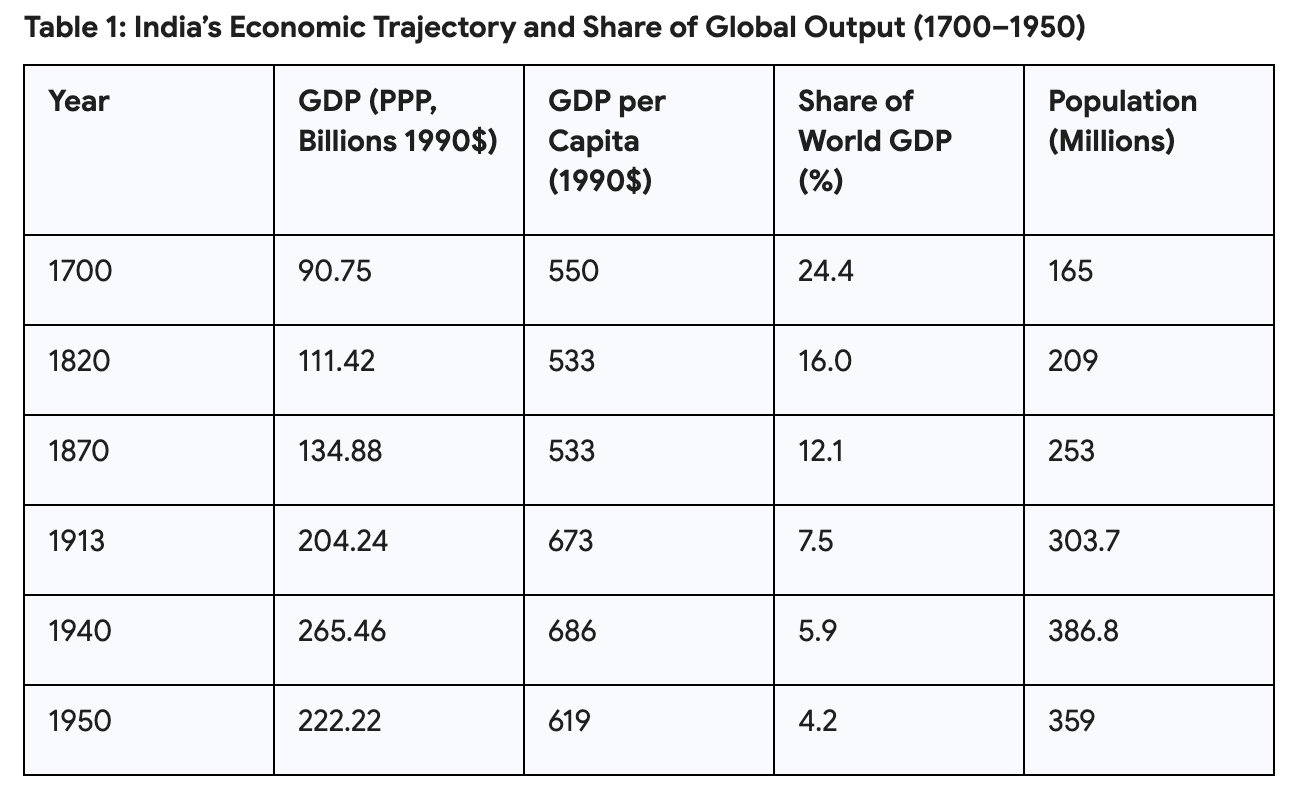
A critical assessment must begin with a precise periodisation of Indian history. The interaction between Europe and the subcontinent can be divided into four distinct phases: the pre-European period (before 1505), the era of initial coastal contact and Portuguese outposts (1505–1757), the transition under the East India Company (1757–1818), and the era of English domination and formal Raj rule (1818–1948).4 The central contention of modern critics centers on the final period, arguing that India’s share of the global economy collapsed from approximately 24.4% in 1700 to roughly 4.2% by 1950.5

While these proportions are grounded in data, most notably the work of Angus Maddison, the interpretation of this decline as evidence of absolute impoverishment is a fundamental statistical fallacy. The decline in India’s share of world GDP was not the result of a shrinking absolute economy, but rather the consequence of the Great Divergence. During this period, Western Europe, North America, and eventually Japan experienced explosive, intensive growth through the Industrial Revolution, while India remained largely stationary.6
Between 1850 and 1947, India’s absolute GDP in 1990 international dollar terms actually grew from $125.7 billion to $213.7 billion, representing a 70% increase.7 The stagnation in per capita terms, GDP per capita was approximately $550 in 1700 and $619 in 1950, reflects a classic Malthusian trap.8 The unprecedented population growth stimulated by the introduction of Western medicine, increased land cultivation, and the relative political stability of the Raj absorbed almost all economic gains.9 Far from being genocided, the Indian population expanded from 165 million in 1700 to nearly 390 million by 1941.10
The Textile Deindustrialisation Myth
The most salient feature of the Indian nationalist critique is the alleged destruction of the textile industry. Shashi Tharoor and others argue that Britain’s rise was financed by the systematic “deindustrialisation” of India, where handloom weavers were forced into beggary as British machine-made goods flooded the market.11 This narrative has become so central to the Indian identity that the spinning wheel remains a symbol on the national flag. However, when examining the actual volumes of textile production within India during the Raj, the “deindustrialisation” claim is revealed as factually incorrect.12
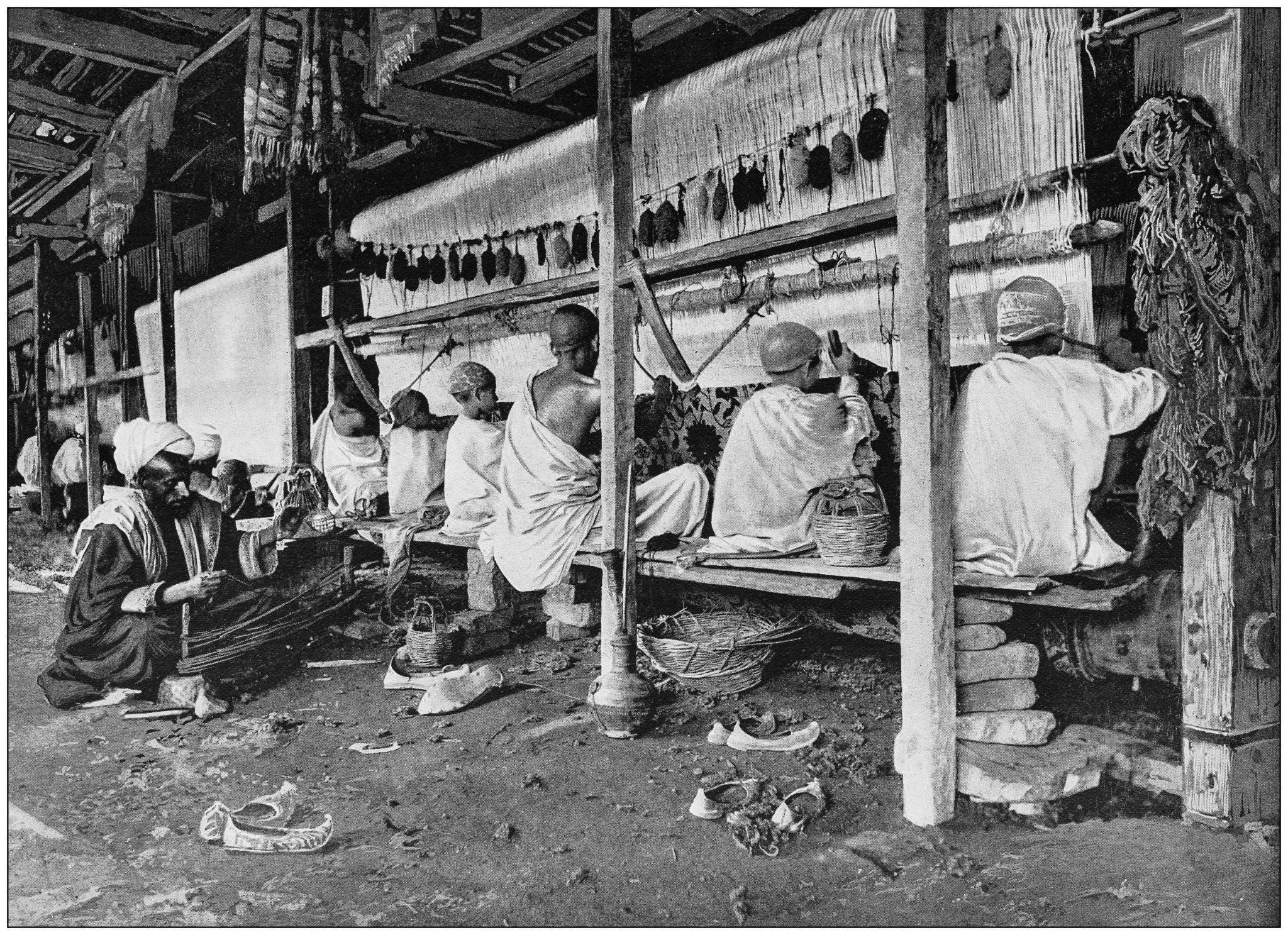
The English were meticulous record-keepers, and the Indian Statistical Abstract provides a clear picture of domestic output. Michael Twomey’s research indicates that from 1880 to 1929, the domestic production of machine-spun cloth in India increased over ninefold.13 Furthermore, hand-spun cloth production actually increased by approximately three and a half times over the same period.14 Broadberry and Gupta’s quantitative analysis confirms that textile production was increasing as far back as 1750 and continued through the late 19th century.15
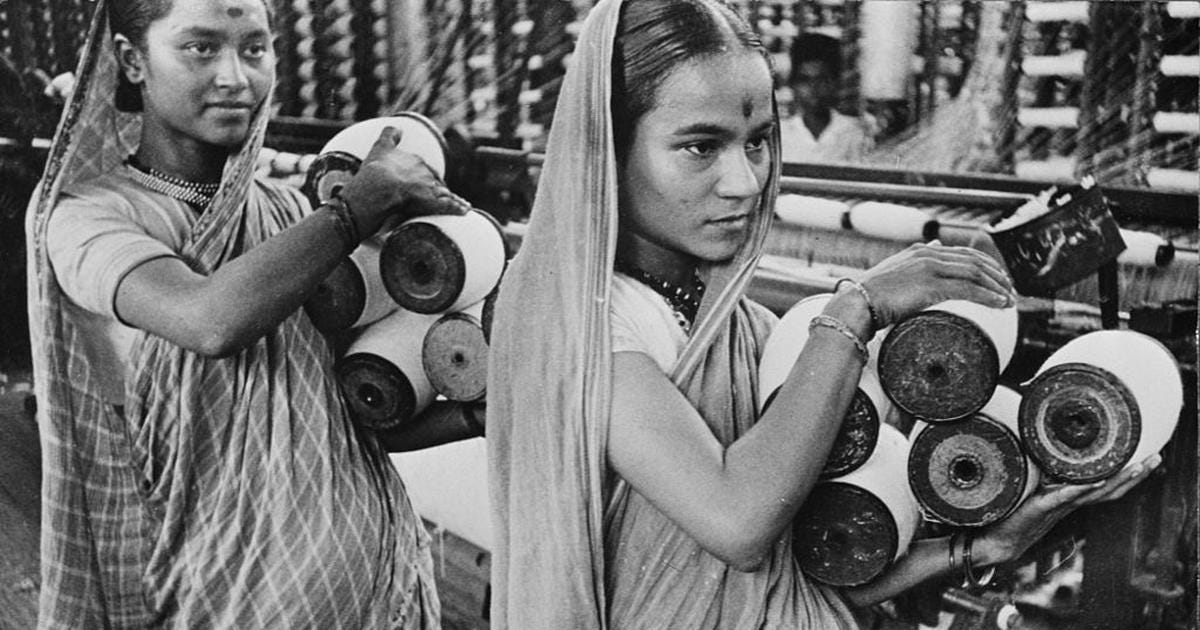
What is true is that the share of Indian textiles in the world export market declined as Britain achieved a massive technological advantage.16 However, the cost of clothing for the Indian population collapsed. By 1871, any given item of clothing in India cost less than half of what it had in 1750.17 This price collapse represented a significant increase in the real living standards of the masses, who were now able to afford basic necessities that were previously luxury items produced through labor-intensive methods.18
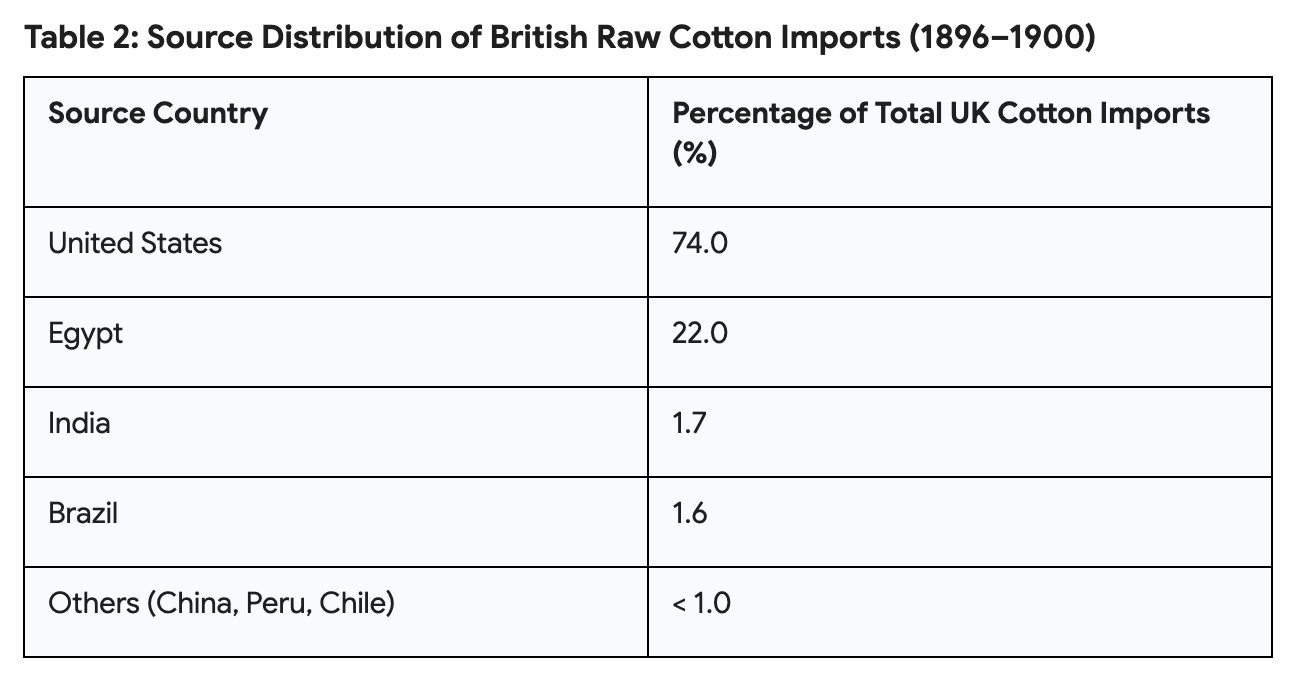
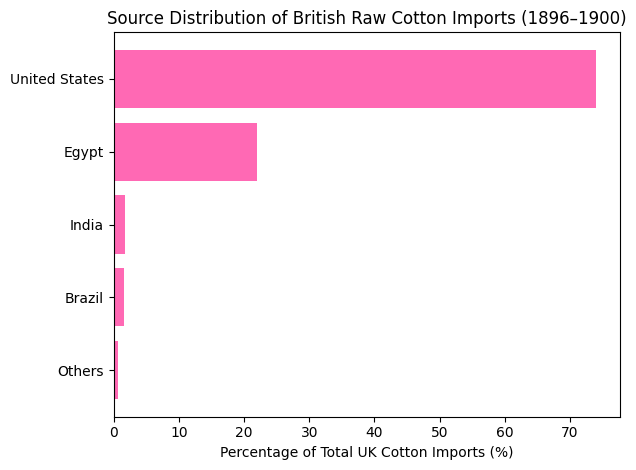
Furthermore, the idea that Britain “looted” raw cotton from India to fuel its own industrialisation is contradicted by trade statistics from the University of Nottingham and the US Department of Agriculture.19 Between 1806 and 1880, approximately 65.9% of Britain’s cotton came from the United States.20 By the end of the century, Frank Hitchcock’s summaries of agricultural imports to the UK (1896–1900) show that 74% of cotton came from the US and 22% from Egypt, while India contributed only 1.7%.21 If Britain industrialised “on the back” of anyone’s cotton, it was that of the United States, Brazil, and Egypt, only the latter of which ended up impoverished.22
Modernisation and the Growth of the Steel Industry
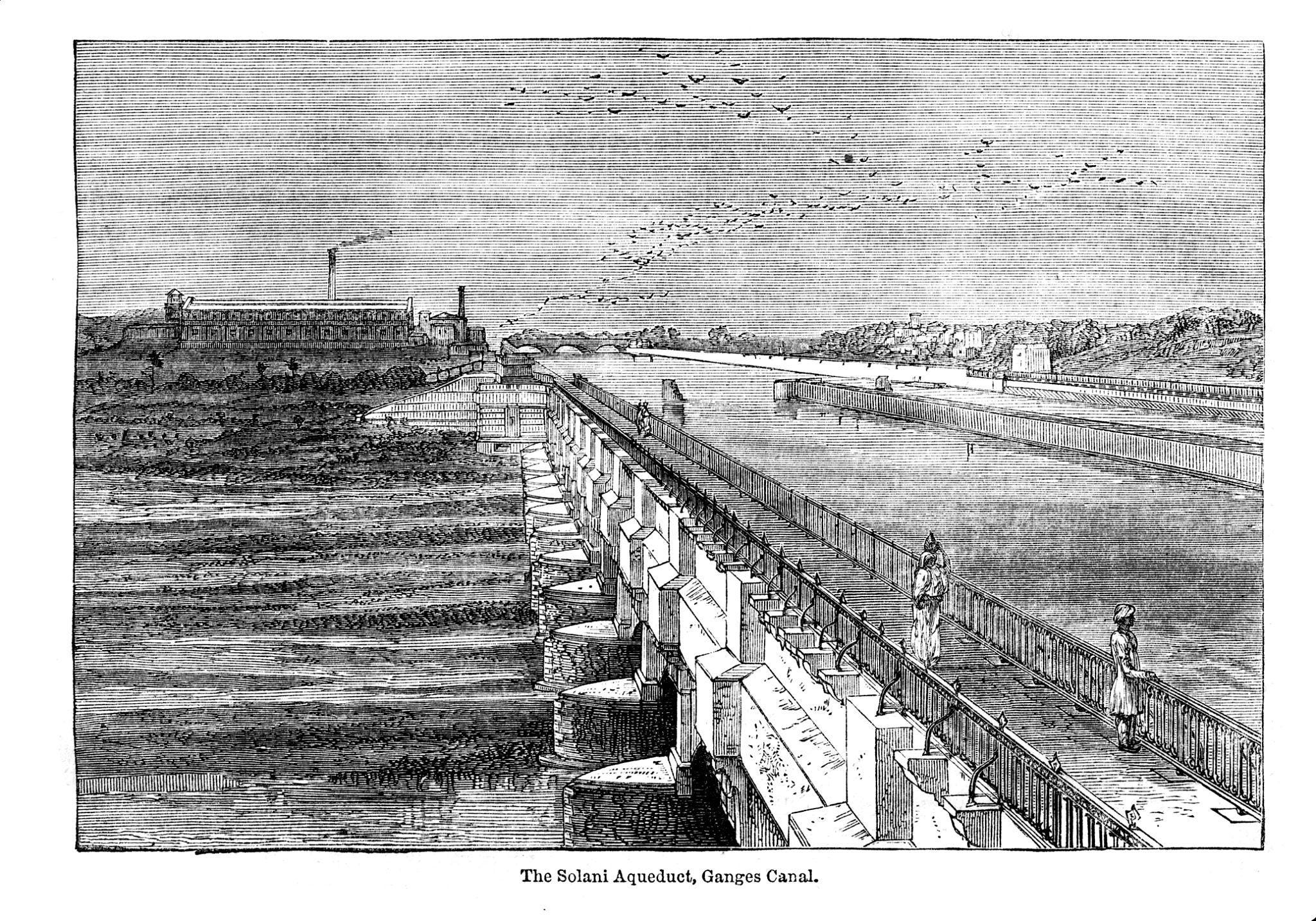
The assertion that British rule prevented the development of modern industry is further rebutted by the record of iron and steel production. Prior to the early 20th century, modern steel production in India was virtually non-existent.23 Under the Raj, and with the specific encouragement of the government which promised to purchase any surplus steel TISCO could not sell, the industry underwent a rapid transformation.24
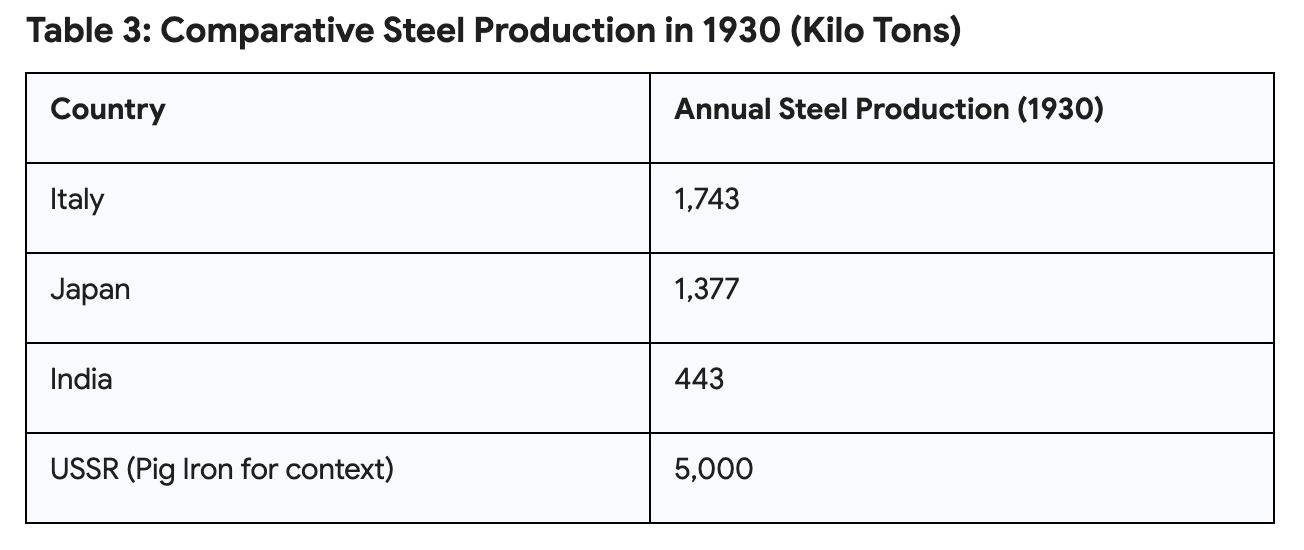
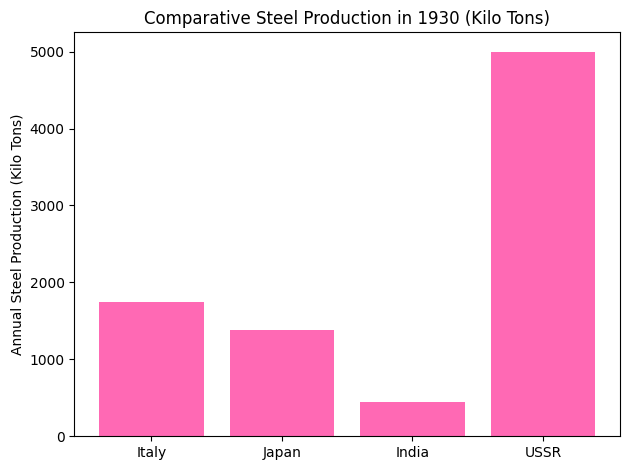
In 1910, Indian steel production was negligible. By 1930, it had reached 443 kilotons annually.25 While this was less than the output of Japan (1,377 kilotons) or Italy (1,743 kilotons) in the same year, it represented a growth trajectory that achieved nearly one-third of Japan’s output in just twenty years.26 Over the same period, Indian production of pig iron increased nearly 15-fold, and by the 1920s, India was a net exporter of the material, having achieved a self-sufficiency rate of over 100%.27
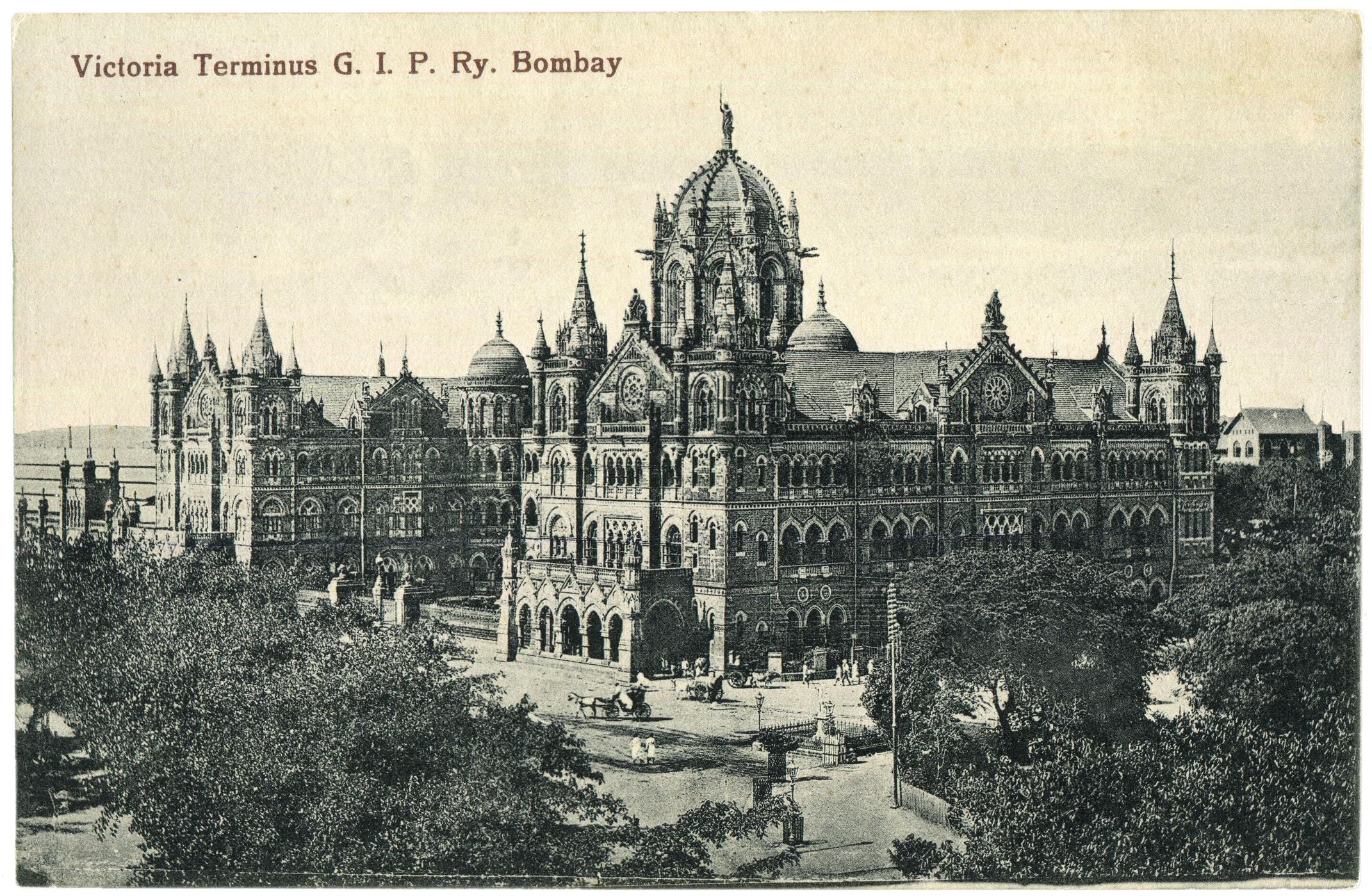
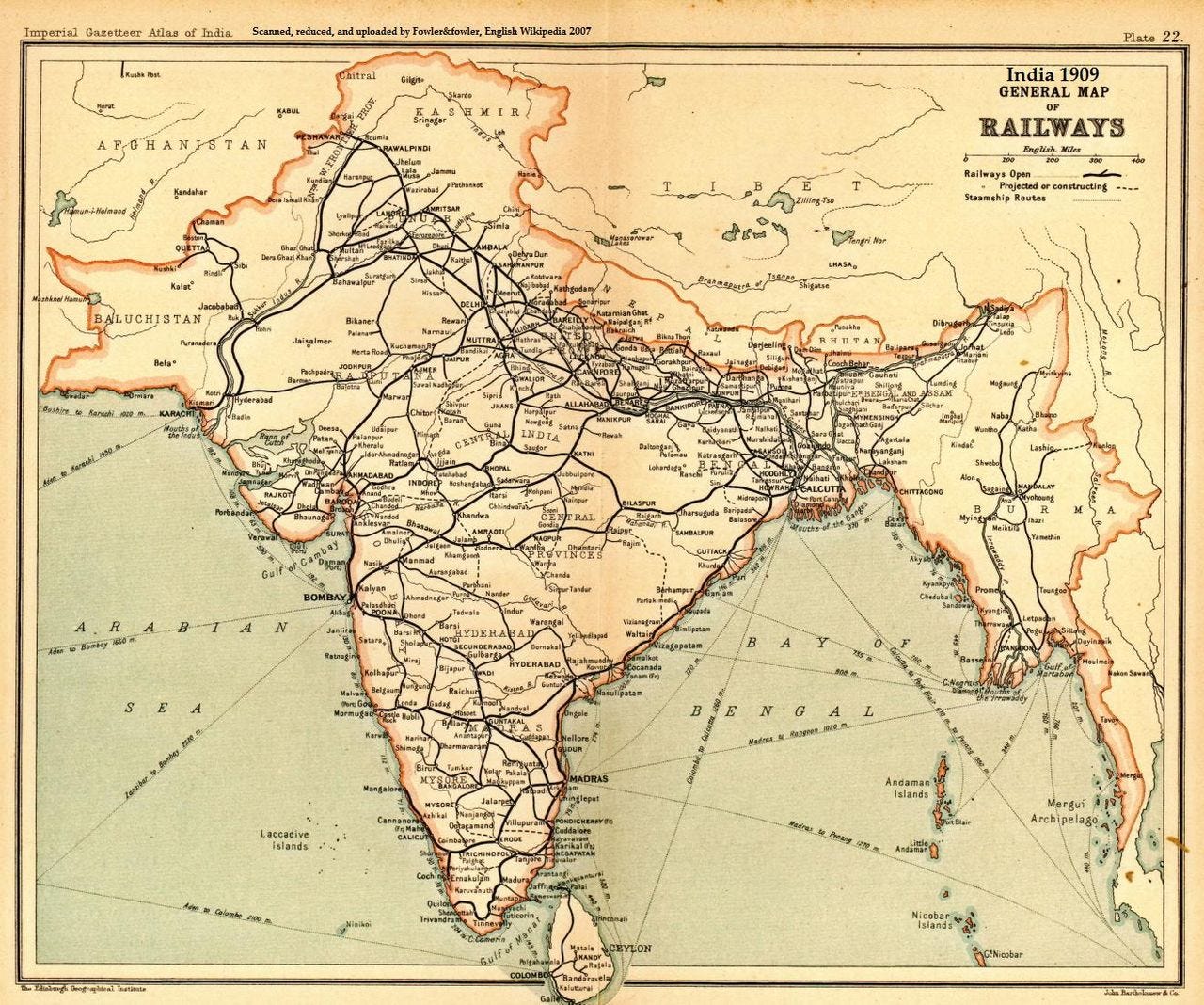
The construction of the railroads, often mocked by oppressionists as a tool of extraction, was the single largest public investment in colonial India.28 By 1900, the network was the fourth largest in the world.29 While the railroads certainly facilitated British troop movements and the transport of raw materials, they also allowed for unprecedented regional specialisation. For example, parts of India that produced indigo were no longer required to be food-self-sufficient; they could import rice from more productive agricultural regions via rail.30 This integration benefited Indians then and continues to be the backbone of their economy today.27
The 1943 Bengal Famine: Deconstructing the “Genocide” Narrative
The Bengal Famine of 1943, which resulted in the deaths of approximately 3 million people, is the primary event used to justify claims of genocide against the British.31 The narrative typically blames Winston Churchill for deliberately diverting food supplies to “sturdy Greeks” and sturdy tummies in Europe as reserve stockpiles. Churchill’s callousness is often reduced to a single quote found in the margins of a file: “Why hasn’t Gandhi died yet?”.32
Historical accuracy requires a nuanced understanding of both the quote and the famine’s causes. The quote “Why hasn’t Gandhi died yet?” was a paraphrase of a telegram sent in response to reports from the Viceroy, Archibald Wavell, regarding Gandhi’s health during a hunger strike.33 Churchill was questioning how Gandhi could be making a “remarkable recovery” and taking an active part in politics after medical reports had suggested he was near death.34 The link between this comment and the famine was a later polemical construction.
The actual causes of the famine were a “constellation of external causes” that were highly complex.35 The Japanese invasion of Burma cut off 15% of Bengal’s rice imports, while a devastating cyclone in late 1942 destroyed local crops.36 This was compounded by a brown-spot fungal infestation that destroyed up to 30% of the remaining crop, a disease that was subtle and overlooked by local officials at the time.37
Economically, Amartya Sen characterises the event as an “entitlements famine” (FEE), where food was technically available in aggregate but the poor could not afford it due to wartime inflation and speculative buying.38 Other scholars, like Bowbrick, argue for a “food availability decline” (FAD) model, suggesting that the crop shortfall was far more severe than Sen’s data indicates. Crucially, many of the bottlenecks were internal. Some Indian provinces had export duties and limits on grain being sold to other provinces within the Raj itself.39 To sell grain to Bengal, a province often had to pay an export duty, reflecting the lack of a fully unified common market.40 Once Viceroy Wavell increased imports and used the army for distribution in late 1943, the famine was curtailed.41
The $45 Trillion Claim: A Mathematical Impossibility
A recurring talking point in modern anti-colonial literature is that Britain extracted $45 trillion from India between 1765 and 1938. This figure is derived from the work of Utsa Patnaik, who calculated India’s export surplus and compounded it at a 5% interest rate over nearly two centuries.42 When placed in the context of the actual size of the Indian economy, this figure is revealed to be comically impossible.43
Using Maddison’s GDP estimates, if we assume an average population of 389 million for the entire 173-year period (an astronomical overestimate) and a per capita GDP of $700 (higher than any value in the historical tables), the total economic output of India would have been approximately $47.11 trillion.44 For Britain to have “stolen” $45 trillion, they would have had to take 95.7% of everything India produced every single year, leaving the population to survive on just 4.3% of their own output.45
The “Drain of Wealth” was, in reality, a series of “Home Charges” representing interest payments on loans for infrastructure (railways and irrigation), the cost of the military, and civil service pensions.46 While nationalists like Naoroji called this “bleeding India,” the payments corresponded to the service of capital that India itself could not provide due to a lack of domestic markets.47 Modern analysis shows that the “colonial burden” amounted to roughly 1% of Indian net domestic product annually, hardly an impoverishing figure.48 Moreover, the British Empire conferred no noticeable long-term benefit to Britain’s own growth. During the height of the Empire (1820–1913), Britain actually began falling back into the ranks of Western Europe, and its growth rate accelerated only after India achieved independence in 1948.49 This suggests that India was not a “cash cow” but rather a “ball and chain” or a financial drain on the British exchequer.50
Mathematical Deconstruction of the “Drain” Figure

No population can survive, let alone explode in size, under such a regime.
Education and the “Downward Filtration” Myth
Critics often argue that the British intentionally restricted education to a small elite to create “interpreters” between the governors and the governed, as famously described in Macaulay’s Minute on Education. Tharoor cites the New York state high school budget comparison as evidence of British neglect.51
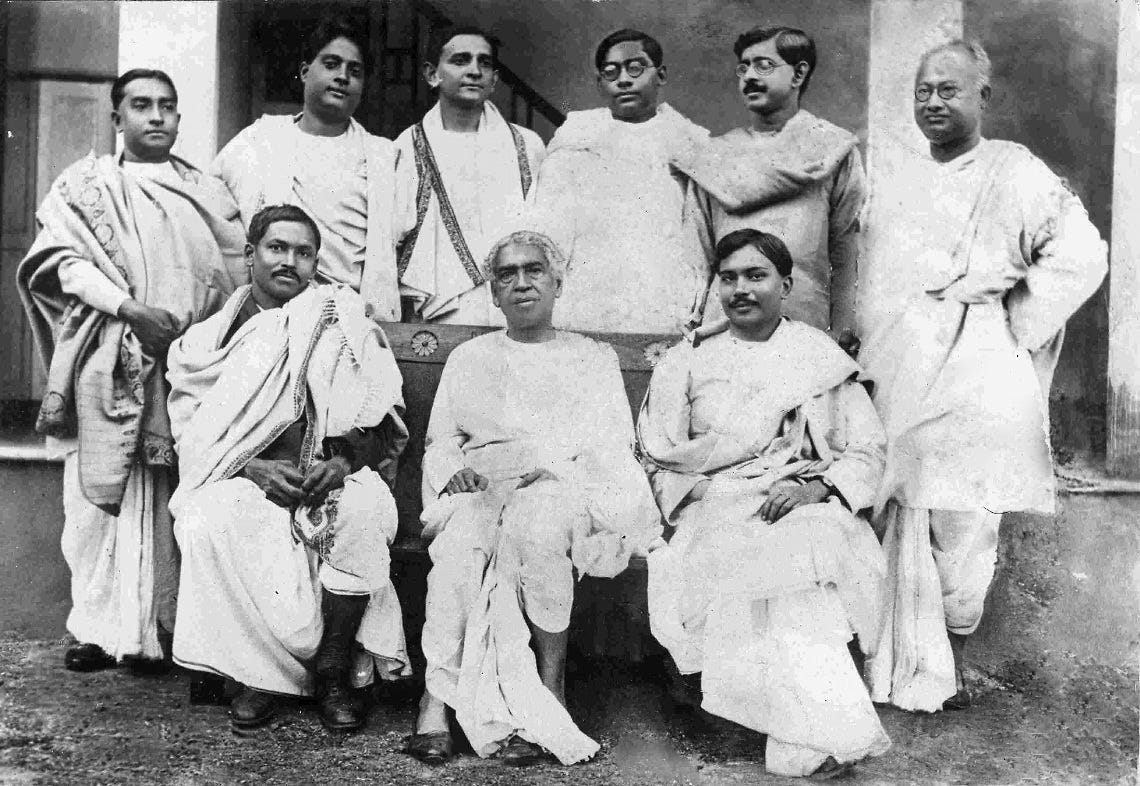
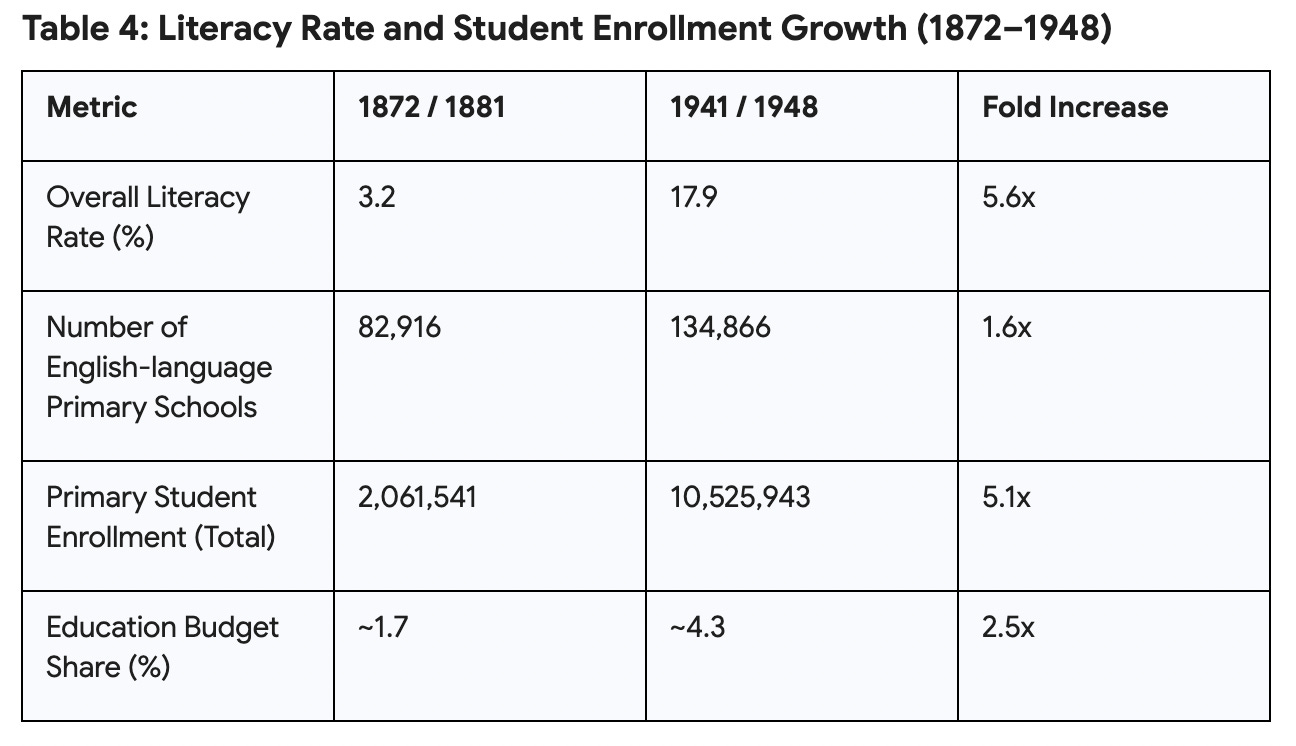
Statistical data, however, indicates that over 90% of education funds were spent on primary schooling for the masses in all measured years.52 Literacy in India rose from 3.25% in 1872 to 17.88% in 1948, a five-and-a-half-fold increase.53 While this rate was lower than in some other parts of the world, it represented a significant break from the prior 2,000 years, where literacy was flat at roughly 3% and restricted primarily to the Brahman and Kshatriya castes.54
The “underinvestment” in education was often driven by local Indian politics.55 Traditional elites actively blocked mass primary schooling to maintain social control over the lower castes and tribes.56 Districts with a higher proportion of Brahmans had more secondary schools and a lower ratio of primary to secondary schools.57 In essence, Indian elites “captured” the educational resources, creating the very “buffer class” that modern critics now blame on the British.58
Political Unity and Democracy as Mimicry
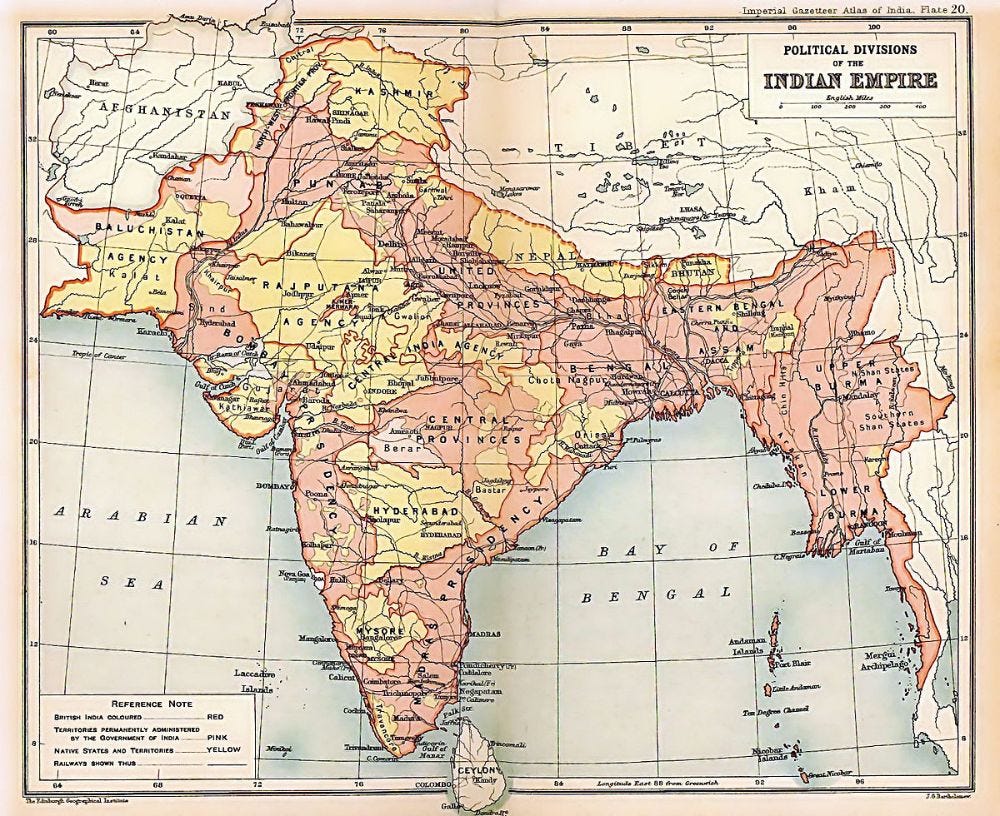
The argument that India would have naturally modernised into a unified democracy without British intervention is a counterfactual contradicted by the historical record.59 For 2,000 years prior to the British, India was a collection of warring principalities.60 While the Mauryan and Mughal empires achieved significant territorial control, they never reached the extent of the British Raj and frequently collapsed into fragmentation.61
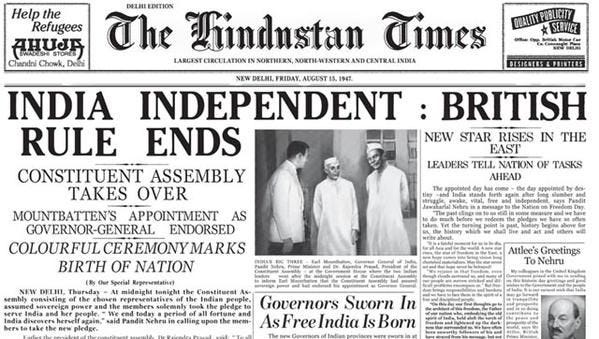
The political unity of the Raj was an administrative construct that held together a gargantuan and diverse population.62 The truth of the British as the sole source of this unity was manifest in 1948: as soon as the British departed, the territory immediately broke apart into India and Pakistan, with Burma seceding separately.63 Furthermore, all democratic institutions in India were mimicry of the West.64 There were no native democratic movements prior to contact with Europe; the timeline of adoption matches the period of British influence.65 To claim India would have become democratic anyway is like putting a hand on a hot stove and saying it would have gotten hot anyway.
The Persistence of the Traditional Economy
The root of India’s relative poverty during the Raj was not exploitation, but the persistence of the “traditional economy”, a system dominated by landlords and guilds that resisted market integration.66 Modern capitalism is not the natural state of man; it is a legal framework constructed by the state, involving common markets, the free movement of labor, and the ability to buy and sell land and work in any trade without guild licenses.67
In parts of Africa where British rule was more “absolutist” and less respectful of local traditional structures, GDP per capita in 1948 was actually higher than in India.68 The Raj foolishly respected Indian traditional practices too much, allowing backward institutions like caste-based occupational monopolies and internal provincial tariffs to persist.69 India became a strange anachronism: a country with modern steel mills and railroads crammed into a feudal social structure.70 It was only after post-colonial reforms fully adopted capitalist institutions that India began to see significant economic growth.71
Conclusion
The contemporary narrative of British oppression in India is an ultra-nationalist rape and revenge myth used to justify reparations and externalise the responsibility for internal social failures.72 The statistical reality indicates that the Raj presided over an unprecedented population explosion, a ninefold increase in textile production, the birth of the world’s fourth-largest railway, and a massive rise in literacy.73
The “loot” of trillions is a mathematical impossibility, and the deindustrialisation of textiles is a myth debunked by India’s own statistical abstracts.74 Far from being a beneficiary of India, the British economy growth accelerated only after shed its colonial “ball and chain”. The Raj was a period of yeoman’s work in institution-building that was limited primarily by its own respect for Indian traditionalism. To defuse the conflicts fuelled by these historical myths, it is necessary to recognise that the British did not ravage India; they constructed the modern state that allows India to thrive today.
https://celina101.substack.com/p/the-british-raj-did-britain-really