
Enjoy Chocolate for Christmas
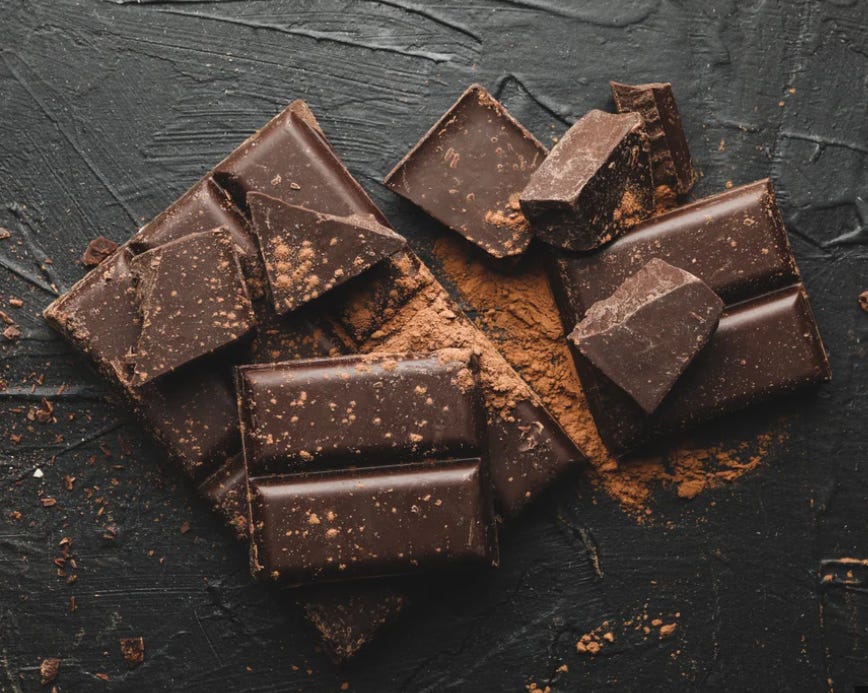
Christmas is upon us and most have opened stockings hoping for little bit of chocolate. Should we feel guilty indulging over the holidays? This review was assisted by AlterAI.
🍫 The Top Five Health Benefits of Dark Chocolate (70% Cocoa and Higher) — A Christmas Delight
Few foods carry as much paradoxical charm as dark chocolate. On one hand, it’s indulgent—a symbol of sweetness, comfort, and festivity. On the other, science now acknowledges that high-cocoa chocolate (70% and above) offers substantial health benefits, transforming what was once seen as a guilty pleasure into a functional food.

1. 🌱 Rich in Antioxidants and Polyphenols
High-cocoa dark chocolate is one of the most concentrated sources of antioxidants available. The key compounds are flavanols, polyphenols, and catechins, which help neutralize harmful free radicals produced by metabolic processes and environmental toxins. Studies have shown that dark chocolate—particularly varieties minimally processed through the “Dutching” method—displays more antioxidant activity than blueberries or acai berries.
Antioxidants are not merely biochemical trivia; they play vital roles in protecting vascular integrity, slowing cellular aging, and reducing inflammation. During winter months, when most diets become carbohydrate-heavy and oxidative stress increases due to low sunlight and holiday eating excesses, a few squares of 70–85% dark chocolate can offer a valuable counterbalance.
2. ❤️ Supports Cardiovascular Health
Flavanols in cocoa promote nitric oxide (NO) production within the endothelium (the lining of blood vessels). Nitric oxide relaxes arteries, improving blood flow and reducing blood pressure. Multiple studies and meta-analyses indicate moderate consumption of high-cocoa chocolate correlates with lower risk of coronary artery disease and stroke.
Furthermore, regular ingestion of small portions—typically around 1–2 ounces per day—can reduce LDL oxidation while raising HDL cholesterol. This is particularly relevant during the Christmas season, as holiday eating tends to be rich in meats, fats, and sugars, which temporarily increase blood lipids and vascular stress. Substituting commercial candy or milk chocolate desserts with genuine 70–85% dark chocolate reduces sugar intake and provides cardiovascular support disguised as indulgence.
3. 🧠 Enhances Cognitive Function and Mood
Cocoa flavanols and theobromine increase cerebral blood flow, stimulating cognition, reaction time, and memory. Several controlled trials have demonstrated improved cognitive performance after consumption of high-flavanol cocoa drinks.
In addition, dark chocolate elevates serotonin and endorphin levels, natural chemicals tied to emotional well-being and stress reduction. The tryptophan content of cocoa contributes to serotonin synthesis, explaining the mild sense of calm and contentment one feels after consuming it. During the festive but sometimes emotionally charged Christmas season—filled with social expectations, family gatherings, or post-year fatigue—dark chocolate can subtly stabilize mood.
4. 💪 Supports Metabolic Health and Blood Sugar Control
It might sound counterintuitive, but high-cocoa dark chocolate may actually help stabilize blood sugar. Flavanols improve insulin sensitivity, enabling cells to manage glucose more efficiently. As a result, dark chocolate in moderation has been linked with reduced risk of diabetes and metabolic syndrome when compared to sugary milk chocolates or desserts.
Additionally, 70% or higher cocoa varieties are significantly lower in sugar, sometimes by 75% compared to conventional confections. In the context of holiday sweets, this makes dark chocolate a smart alternative to sugar-heavy pastries and fudge. Pairing a few bites of dark chocolate with nuts, red wine, or coffee after Christmas dinner can help maintain glycemic balance while still satisfying festive cravings.
5. 🧬 Provides Essential Minerals and Nutritional Density
Beyond flavanols, dark chocolate is a hidden powerhouse of essential minerals. A single 100-gram bar of 70–85% dark chocolate provides:
- 67% of the Recommended Daily Allowance (RDA) for iron
- 58% of the RDA for magnesium
- 89% of the RDA for copper
- 98% of the RDA for manganese
These minerals support red blood cell formation, enzymatic balance, and nervous system function. Magnesium in particular is critical for relaxation, sleep quality, and stress resilience—all challenges during the frenetic holiday season. The naturally occurring fats in cocoa butter (stearic and oleic acids) are mostly neutral or beneficial for cholesterol levels as well.
🍫 Choosing the Finest Dark Chocolate
To enjoy the full spectrum of dark chocolate’s health and sensory benefits, selection is crucial. Many commercial brands label their products “dark” even when they are effectively sugar bars with traces of cocoa. Paying attention to subtle quality cues can transform chocolate from empty calories into genuine nourishment.
1. Cocoa Content Matters — But Not Alone.
While 70% cocoa is the minimum threshold for health benefits, higher content (80–90%) typically means more flavanols and fewer sugars. However, excessively bitter or chalky chocolate can indicate over-processing or low-grade beans. Look for balance: a clean snap, glossy appearance, and slow melt all suggest well-tempered, true cocoa butter—not fillers.
2. Read the Ingredients.
A premium bar should have just a few elements: cocoa mass, cocoa butter, and a touch of sugar. Avoid brands with soy lecithin, artificial flavors, or vegetable oils—these additives dilute nutritional value and compromise texture. Minimalism on the label usually signals integrity in production.
3. Seek Origin Transparency.
High-end producers now emphasize single-origin or bean-to-bar sourcing. These chocolates highlight terroir—the unique characteristics imparted by soil, altitude, and fermentation style—similar to fine wine.
4. Prioritize Minimal Processing.
The healthiest chocolate is made with non-alkalized (“natural”) cocoa, as alkalization (the “Dutching” process) destroys many of the beneficial flavanols. Opt for brands that use low-heat roasting and careful stone-grinding methods, preserving both antioxidants and aromatic compounds.
5. Storage and Ritual.
Keep chocolate away from light and heat—ideally at 15–18°C (59–64°F)—to protect its composition. When enjoying it, don’t chew quickly. Allow it to melt slowly on the tongue, releasing volatile compounds in sequence. Such mindful eating—especially during holiday gatherings—deepens pleasure while reinforcing the meditative calm that dark chocolate naturally promotes.
🎄 A Seasonal Reflection
At Christmas, food often symbolizes generosity, family, and a pause in the year’s rush. Dark chocolate harmonizes perfectly with these themes. Its warmth complements winter’s chill, its complexity invites mindfulness, and its benefits remind us that pleasure and health need not be opposites.
A small ritual—breaking a square of 80% chocolate beside the fire, letting it melt slowly—can fuse sensory appreciation with self-care. By choosing artisanal or fair-trade chocolate rather than mass-produced varieties laden with emulsifiers and sugar, one honors the labor behind the cocoa bean and the natural wisdom embedded within it.
In a world where indulgence often carries guilt, dark chocolate demonstrates that what is truly good for body and soul rarely demands austerity. It simply calls for discernment, authenticity, and gratitude—ideals at the very heart of the Christmas spirit.
Dark chocolate, chosen wisely and enjoyed deliberately, embodies the balance we often seek at Christmas: generosity without excess, sweetness tempered by depth, and pleasure infused with substance. Its very nature mirrors the season’s ideal—a reminder that true richness arises not from quantity, but from quality experienced with gratitude.
https://www.thefocalpoints.com/p/enjoy-chocolate-for-christmas