
Extraction as Governance
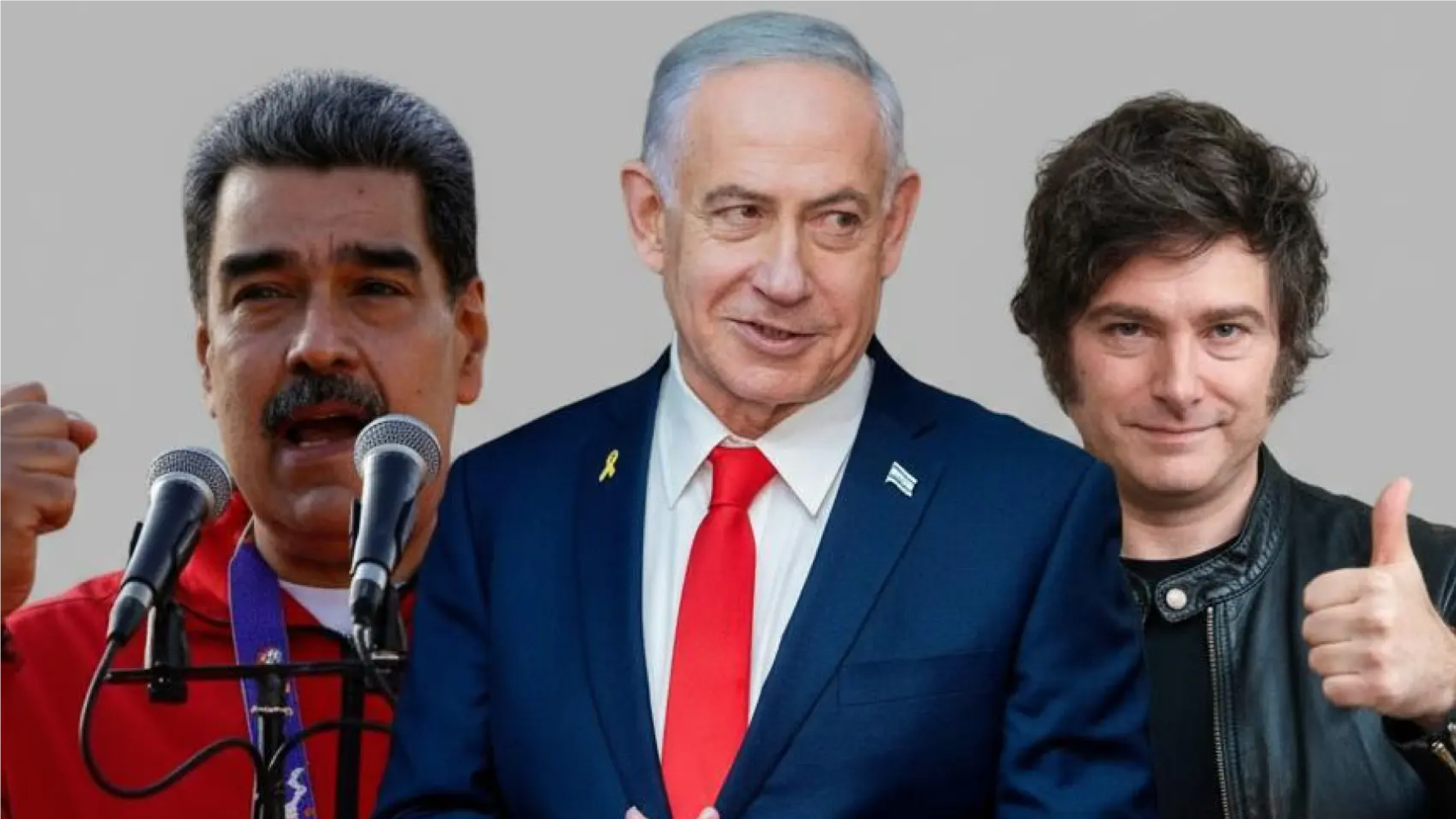
How Strategic Interests, Intelligence Power, and Resource Control Normalize the Removal and Fragmentation of States.
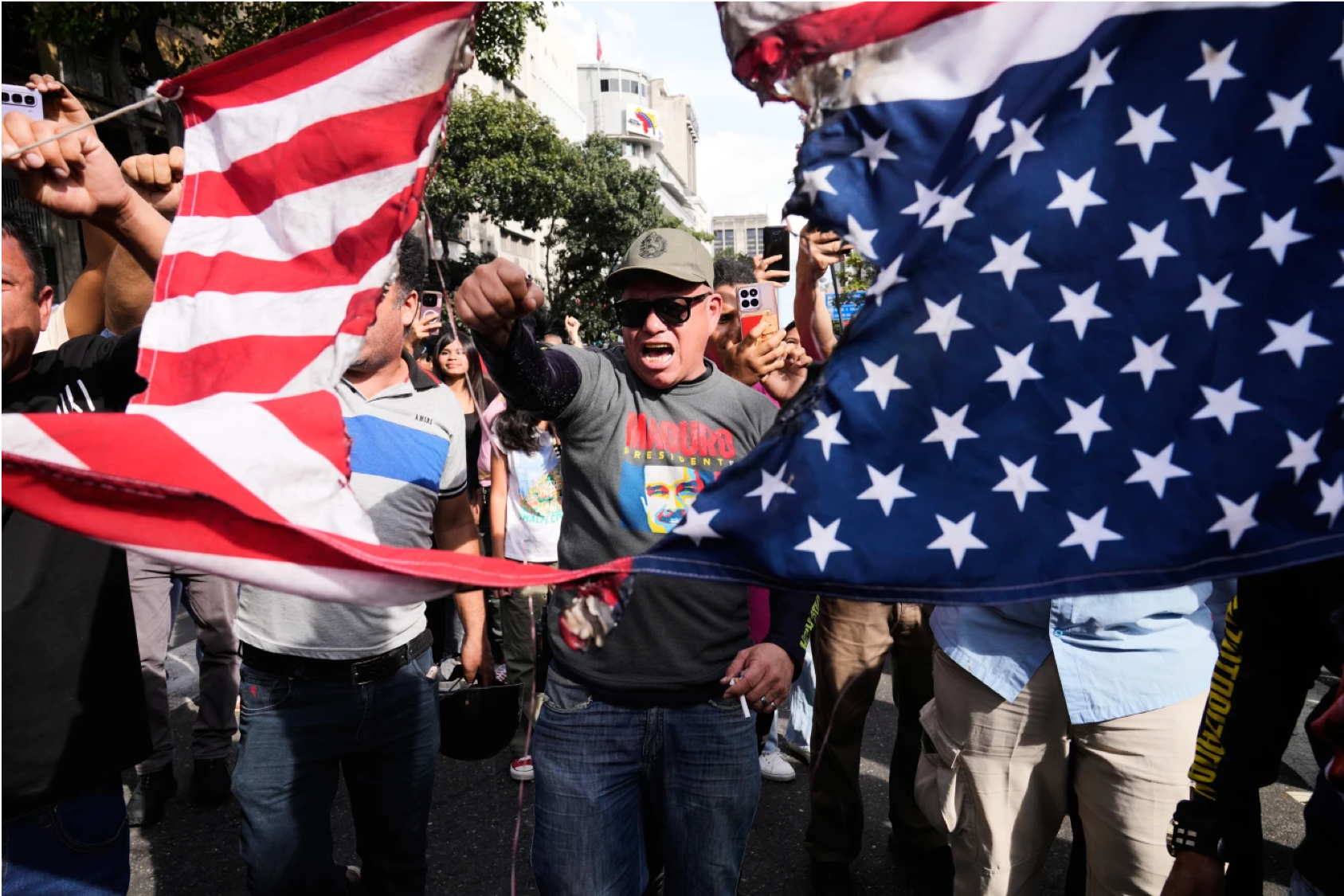
The public removal of Venezuelan president Nicolás Maduro was not framed as a coup, an invasion, or even a regime change. It was presented as enforcement — procedural, administrative, and inevitable. Images traveled faster than law, establishing fact before legitimacy. Across Latin America, responses ranged from muted silence to open alarm. In Europe, the reaction was largely one of compliance rather than resistance: major capitals accepted the outcome as settled, invoking legality only after authority had already shifted. Spain stood alone in formally rejecting the move, breaking with the script while the rest of Europe processed the act rather than contested it.
This investigation begins with that moment — not to defend Maduro, but to interrogate what his removal reveals about a broader architecture of power. What emerges is not improvisation but design: a repeatable system in which intelligence coordination, financial lawfare, donor influence, media synchronization, and selective enforcement converge to render sovereignty conditional. Oil is part of the equation, but not in the way it is usually claimed. Control, not extraction, is the objective, and Venezuela is not the exception, but the test case.
The Spectacle That Replaces Law
There are moments when power abandons the language of law and reveals itself through choreography. Not argument—spectacle. Not deliberation—execution. The public removal seizure of Nicolás Maduro—whether framed as arrest, extraction, or “transition enforcement”—was one such moment. Legal rationales were secondary. The images were decisive.

A head of state displaced not by domestic uprising but by external force. A sovereign border rendered optional. A precedent rehearsed with cinematic clarity and distributed globally in real time. Across Latin America, leaders understood the signal immediately, even as official responses remained carefully muted. Silence, in this context, was not neutrality—it was self-preservation.
Power no longer argues legitimacy. It stages inevitability.
What unfolded in Venezuela is not an isolated enforcement action or a spontaneous crisis response, but part of a repeatable doctrinal framework—one refined through intelligence cooperation, covert influence operations, and a long-standing strategy of state fragmentation historically associated with Zionist regional policy and its interoperability with U.S. power. This is not about defending Maduro. It is about exposing removal as governance and what follows once that threshold is crossed.
Power no longer argues legitimacy. It stages inevitability.
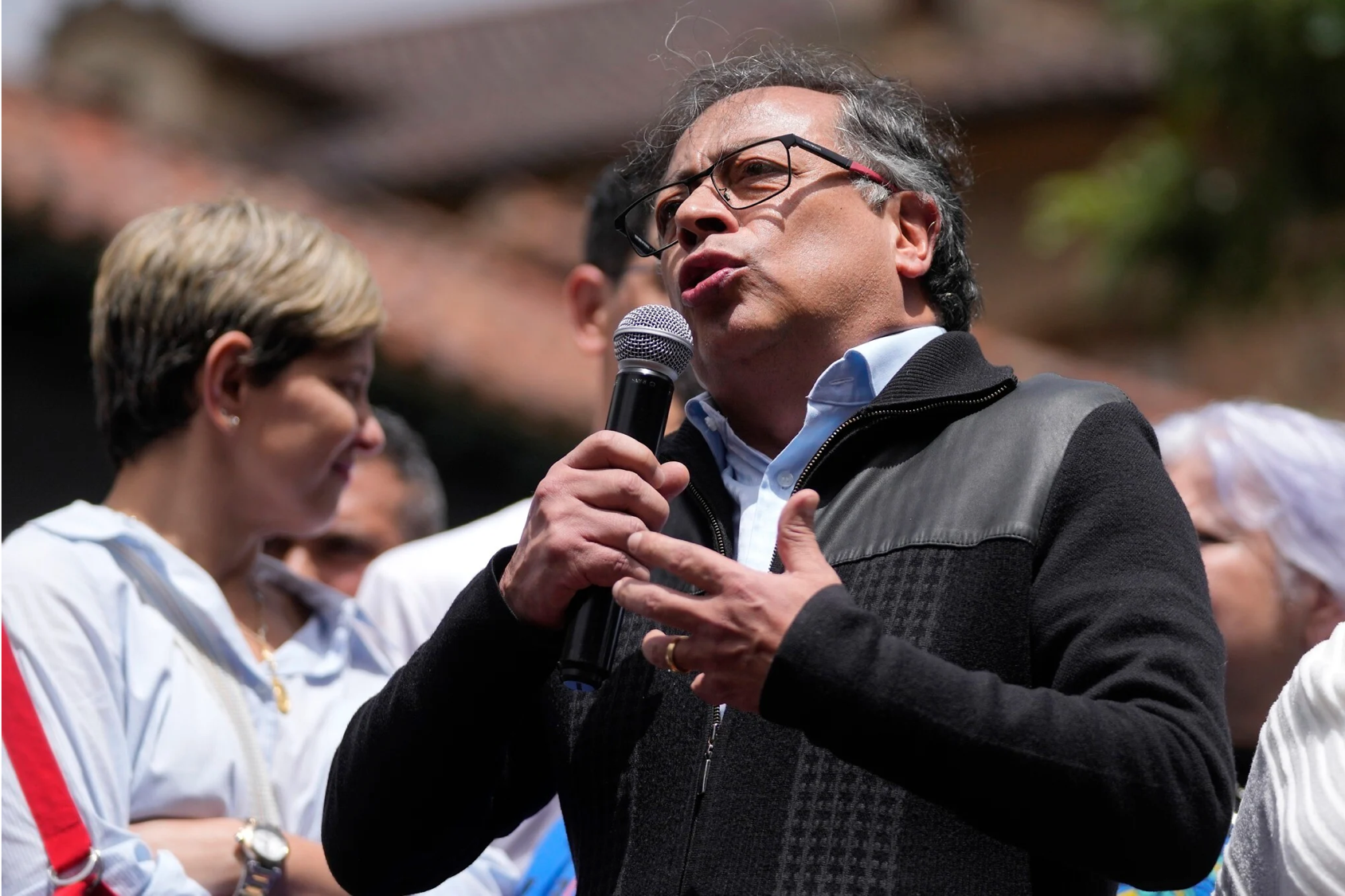
Colombia: Proximity as Vulnerability
The rift between Washington and Bogotá did not emerge spontaneously. It was encoded years ago, crystallizing the day President Gustavo Petro visited the United States, a visit that would mark the first public fracture in what had long been an unquestioned hemispheric alliance. The episode revealed a system in which dissent is actionable, compliance is rewarded, and silence—or even principled objection—is read as risk. Across Latin America, the reaction was not random. States sorted themselves into two registers: some offered carefully calibrated statements dense with abstract principle and empty of consequence, acknowledging “sovereignty” without naming actors or mechanisms; others recognized the event for what it truly was—a declaration that the rules had shifted.
Colombia did not remain in the muted cohort. President Petro rejected the framing of Venezuela’s removal as law enforcement or procedural crisis response. He did not defend Nicolás Maduro, nor did he contest allegations against his government. He identified the operation as symptomatic of a structural logic in which power preserves itself by dismantling constraints designed to expose it.
“A clan of pedophiles wants to destroy our democracy. To keep Epstein’s list from coming out, they send warships to kill fishermen and threaten our neighbor with invasion for their oil.”
— President Gustavo Petro

The statement was incendiary by design, but diagnostic rather than theatrical. In the United States, such language—particularly references to Epstein—has become familiar, voiced openly by figures like James Carville, who asked, “Why’s he doing this? What’s his objective? You know what his objective is. It’s Jeffrey Epstein. They keep finding I don’t know how many more millions of documents.” In Latin America, however, this remains taboo. Petro broke that silence, saying the quiet part out loud. In doing so, he articulated what many regional leaders recognize but cannot state without consequence: vulnerability now tracks proximity rather than guilt, and sovereignty is no longer violated only through invasion, but through administrative erasure—recognition withdrawal, travel restrictions, narrative saturation, and targeted delegitimization. His vulnerability was not theoretical. President Gustavo Petro confrontations over U.S. drug policy, refusal to conform to prescribed hemispheric roles, and open solidarity with Palestinian protesters had already placed him outside the protective consensus. When his U.S. visa was revoked after remarks urging American soldiers to resist immoral orders, the legal rationale was thin, but the signal was unmistakable: dissent had become actionable.
President Gustavo Petro was not naming Epstein to expose a crime, but to expose a system: blackmail as governance, silence as enforcement, and outrage served as distraction.
Colombia had long been a model partner. Since 2000, through Plan Colombia, the United States invested billions in military aid, intelligence, and economic programs to suppress coca cultivation, dismantle cartels, and weaken insurgent groups like the FARC. By 2024, bilateral trade totaled $53.6 billion, yielding a $3.26 billion trade surplus for the United States. Colombia did not extract value—it generated it.
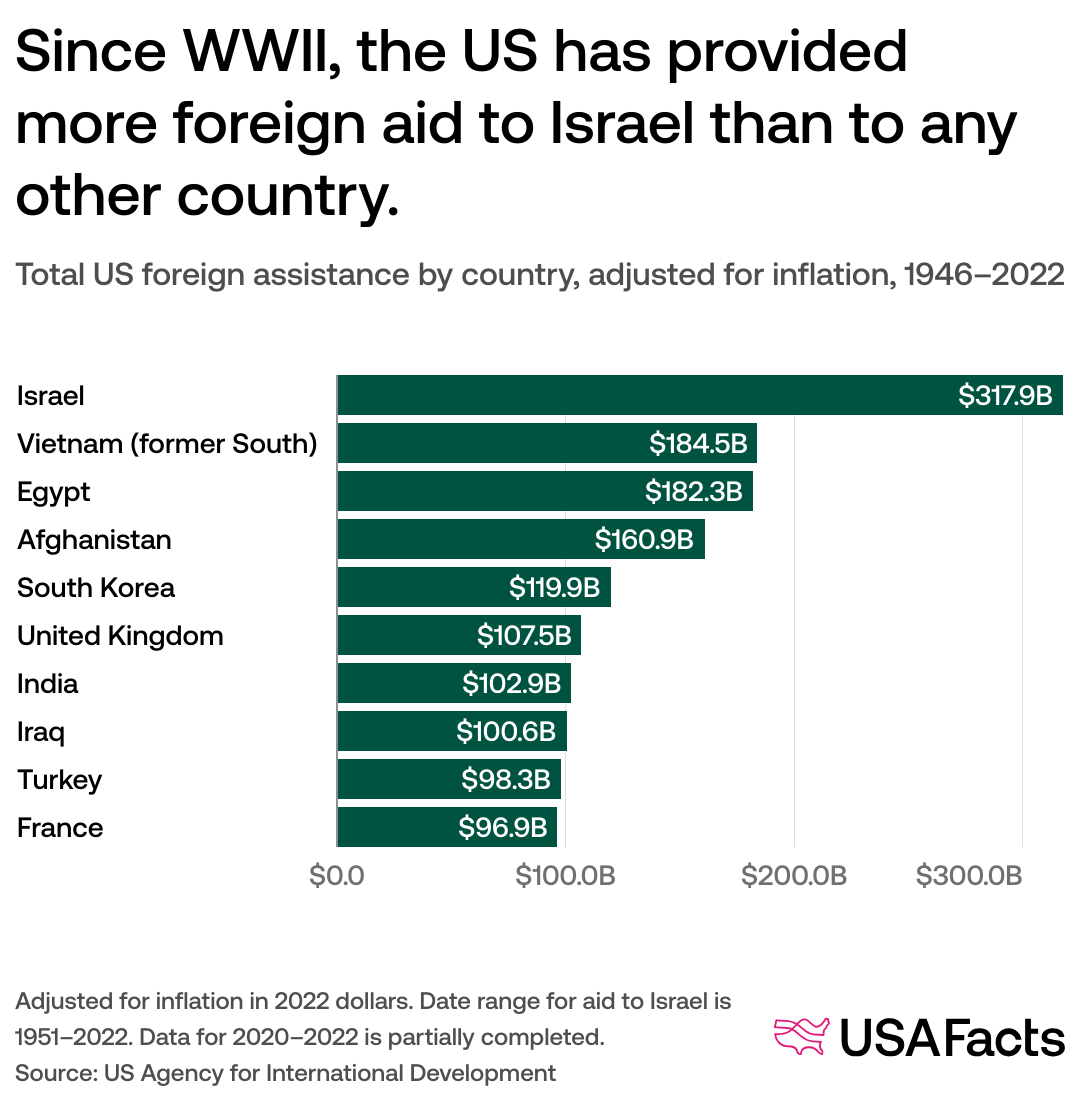
Unlike Israel, whose U.S. underwriting has exceeded $300 billion in direct aid and $5.6 trillion more across decades of conflict to advance the “Clean Break” agenda commissioned by Benjamin Netanyahu, Colombia exported stability at its own cost. In 2024 alone, the U.S.–Israel trade deficit reached $7.25 billion, with $14.8 billion in U.S. exports versus $22.2 billion in imports. Yet when alignment falters, decades of mutually beneficial investment are treated as disposable. In this calculus, Washington is willing to trade Colombian coffee and strategic credibility for a bitter premium—sacrificing proven partners to underwrite Greater Isræl’s expansionist project with American taxpayer money.
The escalation was unmistakable. On January 4, 2026, aboard Air Force One, Trump dispensed with ambiguity:
Reporter: “So there will be an operation by the U.S. in Colombia?”
Trump: “Sounds good to me.”
Trump: “Colombia is run by a sick man. He’s not going to be doing it for very long.”

The remarks were not policy papers. They were operational signaling, collapsing distance between speculation and authorization, and communicating to regional actors that dissent had shifted from tolerable to actionable. Petro responded with historical calibration:
“The United States is the first country in the world to strike a capital city in Latin America in the history of humanity. What the U.S. did is something no one else ever did—not even Netanyahu, Hitler, Franco, or Salazar. A U.S. strike on a Latin American capital will never be forgotten by future generations of this continent.”
— President Gustavo Petro, RTVC, January 4, 2025
The invocation was deliberate: Latin America’s political archive is lived, not theoretical. Leadership removal has precedent, and once extraction becomes conceivable, the rules governing compliance and punishment become administrative rather than legal. Washington escalates while selectively underwriting compliance elsewhere: Argentina receives $40 billion to prop up President Javier Milei, whose alignment with Israel ensures protection, while Bogotá faces delegitimization. Cooperation is rewarded. Autonomy is disciplined.

The pattern extends beyond Colombia. Lindsey Graham, aboard the same Air Force One, declared publicly:
“You just wait for Cuba,” the South Carolina Republican told reporters. “Cuba is a communist dictatorship that’s killed priests and nuns. They’ve preyed on their own people. Their days are numbered.“
This statement follows the context of the November 2, 2023 United Nations vote, in which 187 countries voted to lift the U.S. trade embargo on Cuba, leaving only the United States and Israel opposed. The alignment of rhetoric, threat, and policy demonstrates a broader logic: proximity, dissent, or misalignment triggers exposure, while global consensus is subordinated to U.S.–Israel strategic interests.
Colombia’s moment, therefore, was not an isolated quarrel. It was a structural test of thresholds: how far the United States and its strategic partners are willing to discipline sovereignty in service of narrower interests. It marked the reactivation of a logic Latin America knows intimately—the logic of removal—where leadership change ceases to be a domestic outcome and becomes an externally managed administrative process, and where compliance, dissent, and proximity determine survival.
Latin America’s Archive of Removal
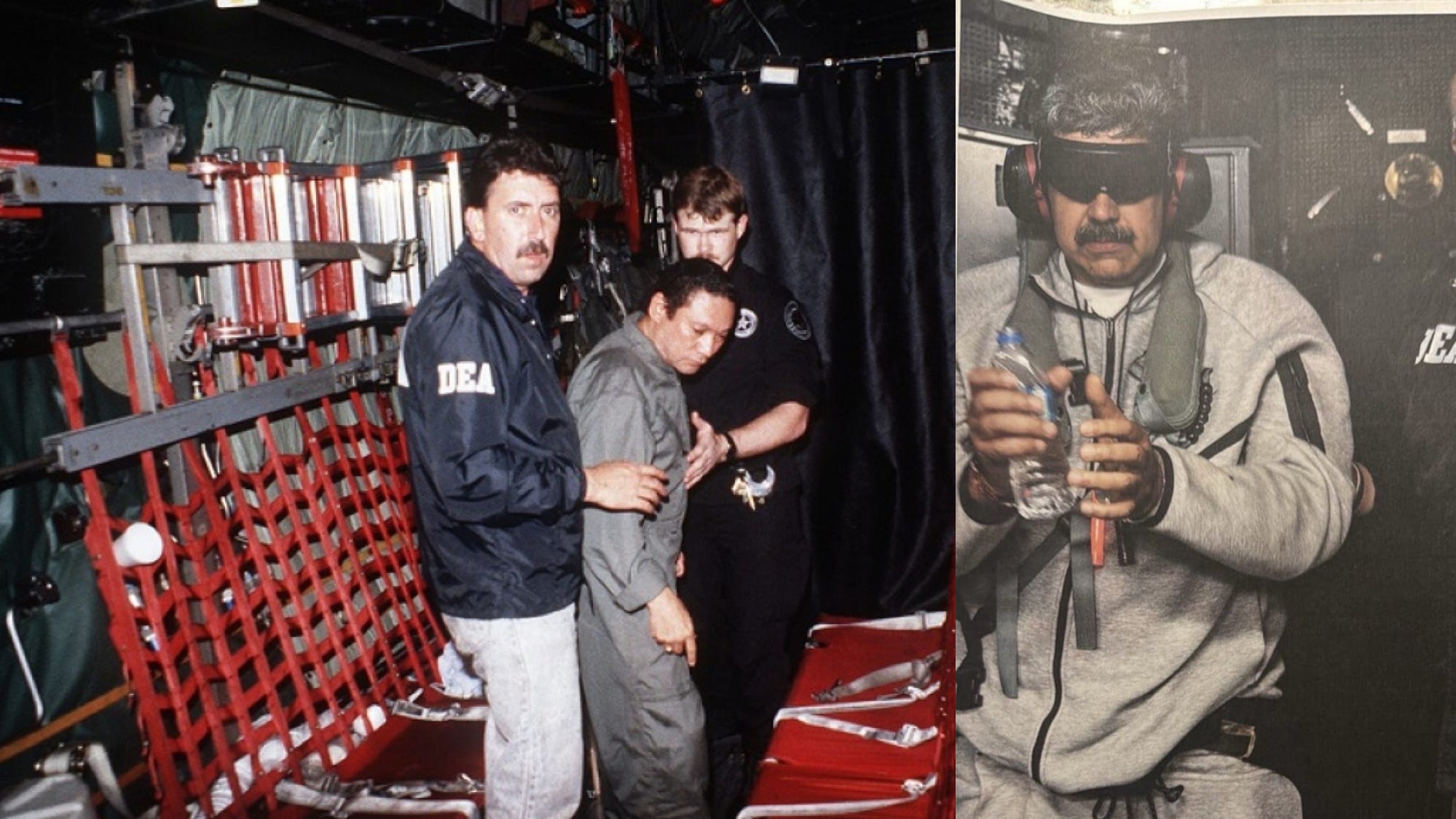
Latin America’s political memory is not abstract. It is institutional, archival, and embodied in generational trauma. It is recorded in coups, proxy wars, disappearances, and restorations performed under the language of necessity. When Manuel Noriega was extracted from Panama in 1989, Operation Just Cause was framed as moral hygiene: a dictator removed, democracy restored, order reinstalled.
The civilian death toll—hundreds killed in El Chorrillo alone—was acknowledged but rendered doctrinally irrelevant. The operation’s success was measured not by civilian survival but by narrative closure. Noriega’s capture image functioned as a visual full stop, signaling that the system had resolved the problem.
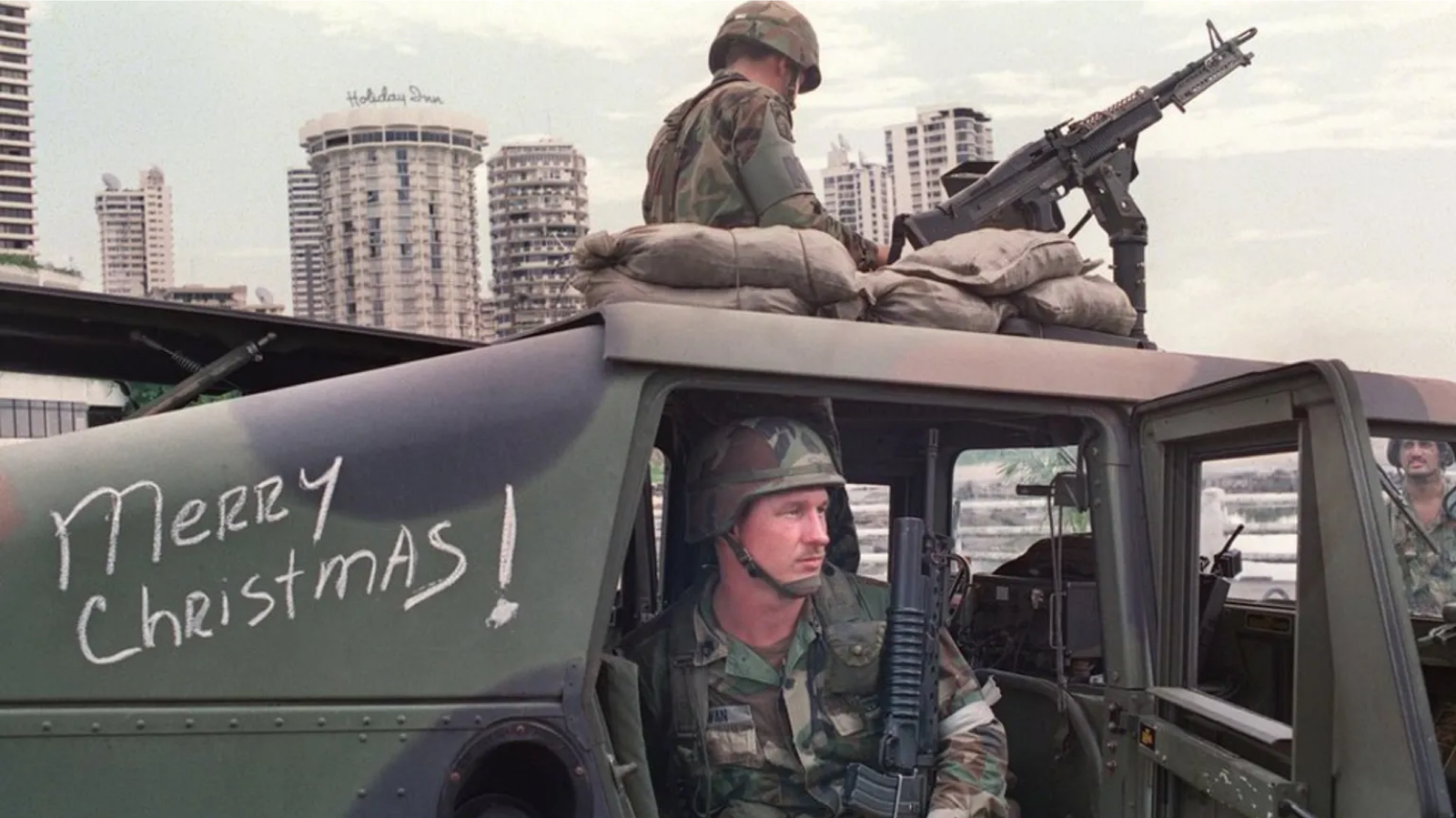
“The objectives of the operation have been achieved. The Panamanian people have been liberated from dictatorship.” – U.S. Department of Defense briefing, 1989.
The phrase “objectives achieved” became a doctrinal refrain. Once removal is accepted as a policy instrument, sovereignty becomes conditional. The visual symmetry between Noriega’s capture and later spectacles matters because doctrine travels through imagery as much as through memos. In both cases, the message was not merely that a leader could be removed, but that removal could be normalized—executed cleanly, narrated efficiently, and absorbed by the international system without lasting consequence to the intervening power.
Once removal becomes a policy instrument, sovereignty becomes conditional.
What distinguishes the contemporary moment is not brutality but refinement. Where earlier interventions required massed troops and prolonged occupation, modern extractions rely on elite units, compressed timelines, information dominance, and post-hoc legal rationalization. The spectacle is smaller, sharper, and therefore easier to metabolize.
Elite Force as Political Language
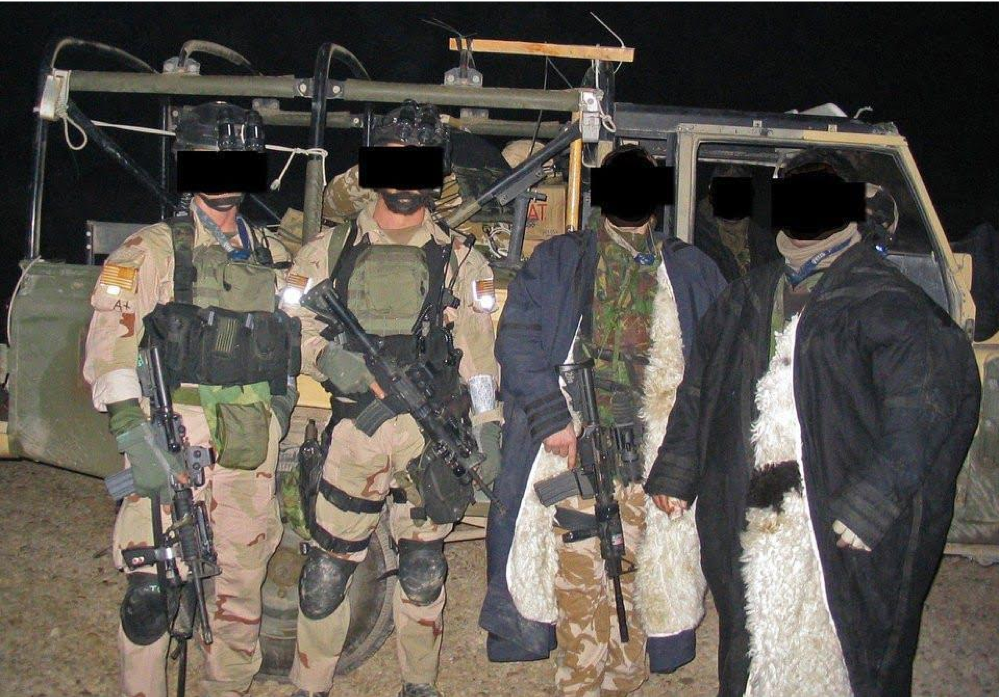
Delta Force occupies a peculiar place in American mythology: omnipresent in rumor, absent in official acknowledgment. From Eagle Claw’s failure in Iran to Acid Gambit’s precision in Panama to Red Dawn’s capture of Saddam Hussein, its operational history maps the evolution of American interventionism from improvisation to doctrine.
Elite force is not about secrecy. It is about deniability.
These units exist to solve political problems that cannot survive democratic process. When deployed, deliberation collapses into execution. The operation becomes the argument. Civilian casualties—when acknowledged at all—are treated as statistical noise against strategic clarity.
“Special operations forces provide national decision-makers with options that are precise, scalable, and deniable.” — U.S. Joint Special Operations doctrine
The danger is not the unit itself, but the precedent its success establishes. Each clean extraction lowers the threshold for the next. What was once extraordinary becomes administratively conceivable.
When Delta Force (1st SFOD-D) deployed, deliberation collapses into execution. The operation becomes the argument.
Europe as Legitimacy Engine. Spain as Structural Exception
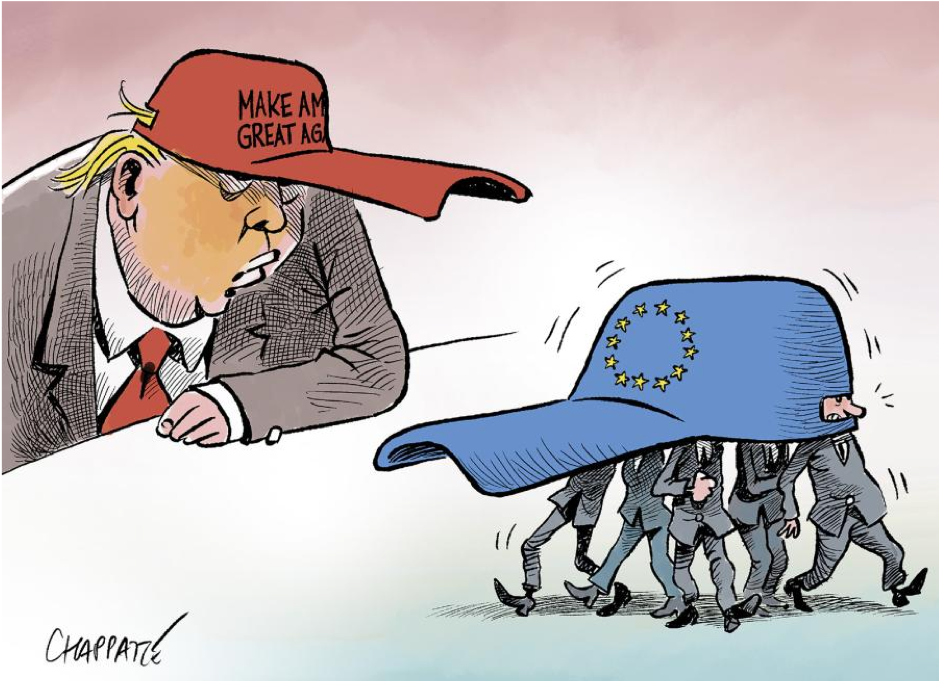
Europe did not react to the removal of Nicolás Maduro; it processed it. The operation violated the most basic prohibitions of the UN Charter—non-intervention, territorial sovereignty, and the ban on the use of force—yet Europe’s major capitals did not contest the act itself. They contested tone, sequencing, and optics. Berlin, Paris, and London issued statements invoking international law while implicitly accepting the outcome as settled fact. This was not hesitation. It was role fulfillment. Europe’s function in this architecture is not resistance but normalization: translating American force into bureaucratic acceptability, laundering extrajudicial action through procedural language until it becomes administratively familiar. The same capitals that speak of “rules-based order” complied—without rupture—when Washington set aside those rules. This obedience is not episodic; it is patterned. It is the same compliance that permitted Netanyahu, under an active ICC warrant, to traverse European airspace without interruption. Law is acknowledged, then suspended. Authority is deferred upward.
Europe’s function is not resistance but normalization: translating American force into bureaucratic acceptability.
Spain refused the script. Prime Minister Pedro Sánchez did not hedge, balance, or proceduralize. He named the violation and aligned Spain openly with Brazil, Chile, Colombia, Mexico, and Uruguay in rejecting Washington’s lawless assault on Venezuela. This posture did not emerge in isolation. Sánchez had already broken with European consensus by calling Gaza a genocide, imposing an arms embargo, announcing sanctions, and barring Israeli officials from entering Spain. These were not symbolic gestures; they were acts of institutional refusal. Spain treated international law not as rhetorical cover but as binding constraint—accepting diplomatic cost in exchange for legal coherence. The contrast is decisive. While Europe functioned as a legitimacy engine for American and Israel power projection—absorbing violations to preserve alliance discipline—Spain demonstrated that autonomy is not extinct, only punished. The lesson is structural, not moral: Europe’s compliance is chosen, enforced, and rewarded; Spain’s defiance proves that alignment is political, not inevitable.
“Spain treated international law not as rhetorical cover but as binding constraint.”
The Doctrine of Fragmentation
The deeper logic is structural, not ideological. Stability is a liability. Unified states resist leverage; fragmented ones invite management. This is the essence of the Doctrine of Fragmentation: a strategy that does not seek to govern territory directly, but to prevent it from governing itself.
Chaos is not policy failure. It is the instrument.
From Somalia to Syria, from Libya to Iraq, the mechanics are consistent: economic pressure precedes political delegitimization; internal divisions are amplified through media, NGOs, and proxy networks; collapse is framed as indigenous dysfunction rather than external design. This doctrine has long been articulated in Zionist strategic literature—from the Periphery Doctrine to Clean Break agenda —prioritizing regional disintegration over negotiated stability.
“The dissolution of existing states into smaller, weaker entities is the key to long-term regional security.” — a statement by Oded Yinon, former advisor in the Israeli Foreign Ministry, published in February 1982 in Kivunim, a journal affiliated with the World Zionist Organization.
What has changed is scale: the doctrine is now global, interoperable, and embedded within Western policy machinery.
Chaos is not policy failure. It is the instrument.
![The Venezuelans asylum seekers at the border with Mexico [File: Luis Echeverria/Reuters]](https://substackcdn.com/image/fetch/$s_!6aSj!,f_auto,q_auto:good,fl_progressive:steep/https%3A%2F%2Fsubstack-post-media.s3.amazonaws.com%2Fpublic%2Fimages%2Fdf707e7a-02be-4976-8488-005f34769c42_802x531.png "The Venezuelans asylum seekers at the border with Mexico [File: Luis Echeverria/Reuters]")
Libya Was the Dress Rehearsal
Libya was not destroyed by accident. It was dismantled deliberately through a sequence of calculated decisions that prioritized removal over reconstruction. The vacuum—militias, slave markets, systemic lawlessness, mass migration—was never unforeseen. It was accounted for, planned, and exploited.
Libya did not collapse. It was left unfinished.
Venezuela now follows the same logic. Resource sovereignty is recast as mismanagement. Sanctions are framed as moral pressure. Intervention is rationalized as reluctant necessity. The difference is proximity: Libya’s chaos spilled across the Mediterranean; Venezuela’s will flow north, straight into the Americas. More drugs, more refugees, more crime, more unrest—blowback that will later be packaged as “unavoidable consequences” of an imperfect system.
This is not accidental. The regime change in Caracas aligns with strategic imperatives pushed by Israel: installing a compliant government, securing resource access, and consolidating influence over hemispheric votes at the United Nations—all while outsourcing the operational cost to American power and taxpayers. Every destabilized region, every migratory wave, every spike in illicit trade is part of a controlled pattern. Venezuela, like Libya, is not merely a state under pressure; it is a laboratory for the extraction of influence under the guise of legal and moral authority.
The consequences are already materializing. Border states brace for unprecedented refugee flows, while transnational criminal networks expand along emergent corridors of lawlessness. Cartels exploit institutional voids, converting social chaos into economic leverage. Local economies, already fragile from sanctions and currency destabilization, contract under the weight of human displacement and illicit markets. Venezuela’s disruption is not just a geopolitical maneuver; it is a manufactured crisis engineered to weaken regional autonomy, fracture social cohesion, and normalize intervention under the banner of stability. In short, the vacuum itself becomes the asset, producing dependency, facilitating exploitation, and ensuring that the price of compliance—or survival—is paid by the continent itself.
Libya did not collapse. It was left unfinished. Venezuela is not collapsing either—it is being engineered in our backyard to serve foreign agendas, unleash chaos, and remake the region under new masters.
Who Benefits Decides: The Political Economy of Venezuela’s Removal
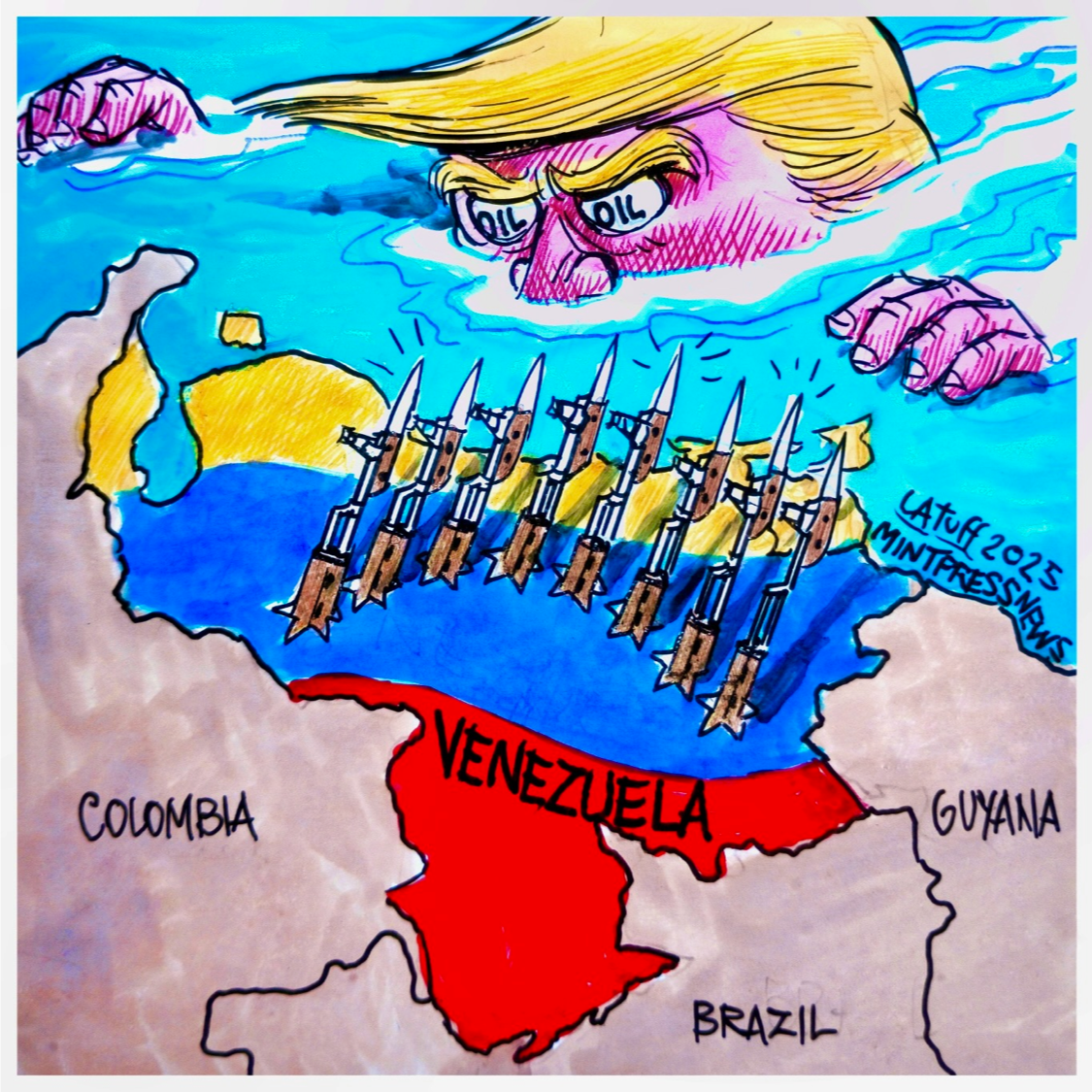
Donald Trump’s remarks about “running” Venezuela temporarily and “getting the oil flowing” were notable not for brazenness, but for clarity. They collapsed the distance between motive and justification. When extraction is named, moral language becomes ornamental. Sovereignty is conditional. Resources are allocated to those capable of securing them. Law follows control.
When extraction is named, moral language becomes ornamental.
Much of the mainstream narrative frames the motive as conventional U.S. energy policy. Reports of Trump seeking $1 billion from oil and gas executives at Mar-A-Lago in April 2024 are often cited as evidence of corporate pressure. Yet this is largely routine Trump rhetoric: fossil fuel interests gave $75 million to his campaign in 2024—a fraction of the hundreds of million funneled by pro-Israel donors, and the majority of U.S. oil majors remained silent on rebuilding Venezuela’s oil infrastructure estimated at $40-$50 billion.
Corporate silence confirmed what the money already suggested: this was never primarily about American oil.
The real influence for a regime change flows from Zionist-aligned donors. Miriam Adelson alone gave Trump $250 million, and as he famously declared at the Israeli Knesset, she “loves Israel more than America.” Pro-Israel networks, including AIPAC, delivered an estimated $230 million in support. This constellation of funding, influence, and political alignment makes clear the regime change was designed to install a pro-Israel president—regardless of the cost to Venezuelan sovereignty.

Paul Singer and Bob Pincus: Architects of Extraction
Zionist billionaire Paul Singer and court-appointed “Special Master” Robert Pincus, a self-declared “proud Zionist” serving on the boards of AIPAC and the Jewish National Fund, orchestrated one of the most audacious resource extractions in modern history. In December 2025, Pincus oversaw the $5.89 billion transfer of Crown jewel of Venezuela’s U.S.-based refiner CITGO to Singer’s hedge fund, Elliott Management, via his affiliate Amber Energy—legally handing the oil infrastructure of a sovereign nation to private Zionist capital. Within weeks, in January 2026, the U.S.-backed coup against Nicolás Maduro began, exposing the seamless choreography between judicial facilitation and regime change.
Singer, co-CEO of Elliott Management ($76.1B in assets, 2025), the second largest donor to the warmongering think tank Foundation for Defense of Democracies (FDD), and a veteran of activist and distressed debt investing, turns geopolitical instability into profit. Pincus, leveraging his court position, orchestrated the legal outcome to serve ideological and financial interests. Despite a higher $7.4 billion bid from Gold Reserve that was declared winner in July 2025, the court-appointed “Special Master” steered the $5.89 billion Elliott Management bid to victory, effectively transferring Venezuela’s U.S.-based oil assets to Paul Singer’s hedge fund.
Venezuela was sanctioned into collapse, its oil company bled dry, its people impoverished—and what remained was handed by a court-appointed Zionist plan master to private Zionist billionaires. This was not chaos. It was orchestration.

Punished for Defiance: The Backlash Against Massie and Mamdani
The targeting of Thomas Massie and Zohran Mamdani was not partisan retaliation; it was enforcement. Self-identified Zionist donors Miriam Adelson (also funded the FDD), Paul Singer, and Robert Pincus, alongside aligned networks, are documented funding coordinated smear campaigns and opponent financing against both lawmakers after they advanced policies limiting Israeli influence and openly challenged the Venezuela operation. The sums were not symbolic—$2 million deployed against Massie (Singer contributed $1million), $40+ million against Mamdani. Different parties. Different chambers. Same outcome: punishment for deviation.
Zohran Mamdani became a target the moment policy crossed from symbolism into enforcement. His “Not On Our Dime!” bill sought to bar New York–registered nonprofits from using tax-exempt funds to support Israeli settlements in the West Bank—activities considered war crimes after the International Criminal Court 2024 ruling. The bill constrained organizations tied to settlement financing, including networks connected to the Jewish National Fund, where Robert Pincus sits on the board. Mamdani’s stance triggered orchestrated smear campaigns, massive funding attacks, and direct threats. One caller told him bluntly:
“I’d love to see an IDF bullet go through your skull.”
Thomas Massie triggered retaliation by naming influence rather than managing it. He repeatedly argued that AIPAC must register as a foreign lobby under FARA and he introduced the Dual Loyalty Disclosure Act (H.R. 2356) in March 2025, requiring federal candidates to disclose dual citizenship. Massie also maintained a consistent opposition to foreign aid, including Israel’s multi billion dollar annual aid.
Challenging the Zionist extraction of Venezuela’s oil is a risk few take: smear campaigns, $40M+ attacks, and bullets whispered over the phone. Yet Massie and Mamdani stood their ground.
The doctrine of extraction is clear: public rhetoric, corporate complicity, and judicial sanction converge to facilitate foreign-aligned resource capture. Venezuela is not an anomaly; it is a template. The lesson extends beyond oil: when strategic alignment trumps sovereignty, democracy becomes collateral, legal institutions become instruments, and billionaire agendas define the limits of what power can claim.
Venezuela’s oil is not being taken for the American people. It is being directed to Paul Singer’s hedge fund, approved by U.S. courts, and enabled by a military operation—an architecture of extraction in plain sight, orchestrated for Greater Israel’s strategic gain.
Threshold Logic and Systemic Reckoning
What remains is not a contest between good and evil, nor between democracy and authoritarianism, but between accountable structure and managed spectacle. The threshold has already been crossed. Once sovereignty is rendered conditional—revocable by donors, courts, airspace permissions, and narrative consensus—there is no clean return to restraint. What occurred in Venezuela was not an anomaly but an execution of doctrine: authority pre-decided, legality retrofitted, and extraction rationalized after control was secured.
Europe’s response confirms the architecture. With the singular exception of Spain, the continent did not resist the breach; it processed it. Law was invoked as language, not constraint. Even oil, long offered as the public justification, dissolves under scrutiny. U.S. energy firms remained conspicuously absent, while financial and ideological beneficiaries—hedge funds, court-facilitated asset transfers, and Zionist aligned capital—moved decisively. The objective was not production but possession; not fuel for markets, but leverage over states.
What is presented is not ideology but pattern: removal operationalized as governance, fragmentation normalized as outcome, and spectacle enforced as consent. Venezuela is not the end point; it is the threshold case. The system documented here will be reused, refined, and redeployed—unless it is named in full.
Once sovereignty is made conditional, legality becomes procedural and power becomes portable.
As George Orwell warned, “All tyrannies rule through fraud and force, but once the fraud is exposed they must rely exclusively on force.”
— Phantom Pain
https://phantompain1984.substack.com/p/extraction-as-governance