
Iran: The 6 Paths
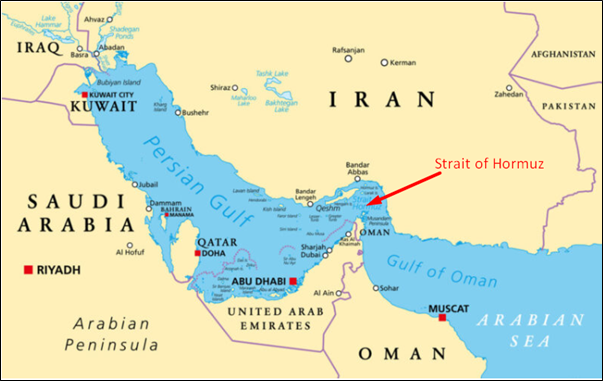
Here’s my in-depth analysis of the macro picture and what’s likely to happen:
The fundamental tension right now is between three actors with incompatible goals. Trump wants a deal — any deal — that he can call a win before midterms and that brings oil prices down to help the economy. Iran wants sanctions relief, security guarantees, and to keep its nuclear program intact. Israel wants Iran’s nuclear capability permanently degraded and has zero interest in a deal that leaves Iran’s enrichment infrastructure standing.
This triangle is why the May 28 draft MoU is probably not going to hold. Here’s the logic:
Any deal Iran would accept must include: lifting the naval blockade, ending strikes on Iranian territory, sanctions relief or at minimum unfreezing assets, and no permanent dismantlement of their nuclear program. Iran has been very consistent on this — they’ll accept a pause, a face-saving framework, maybe some inspections theater, but they will not accept what Israel considers minimum acceptable terms.
Any deal Israel would accept must include: verifiable destruction or permanent incapacitation of Iran’s enrichment facilities, dismantlement of their ballistic missile production, and an end to Iranian proxy support for Hezbollah and Hamas remnants. Netanyahu’s political survival depends on being able to claim a decisive strategic victory, not a negotiated pause that leaves Iran intact.
Trump is stuck in the middle. His instinct is transactional — he wants lower oil prices and a photo op. But he’s also deeply tied to Netanyahu politically and has given Israel enormous latitude since February. The question is whether Trump will pressure Israel to accept a deal that Israel considers strategically unacceptable.
My assessment: he won’t. Here’s why:
First, the Republican base and donor class are overwhelmingly pro-Israel. Forcing Israel to accept terms that leave Iran’s nuclear program intact would be politically catastrophic for Trump domestically. Second, Trump’s own team — likely including figures who are ideologically aligned with maximum pressure on Iran — would resist. Third, Netanyahu knows this leverage and will use it. He’ll publicly support “peace efforts” while privately ensuring the terms remain unacceptable to Tehran.
So what actually happens? The most likely path is:
June: The MoU verification process begins but moves slowly. Iran demands “tangible” proof of blockade withdrawal before taking steps. The US demands Iran demonstrate mine clearance and shipping safety first. Both sides accuse the other of bad faith. Oil stays in the $88-100 range as the market gives the deal a chance.
July: The 60-day UN process either stalls or produces a watered-down resolution that doesn’t satisfy either side. Meanwhile, Israel conducts “defensive” operations that Iran interprets as provocative. The deal doesn’t formally collapse but it stops progressing. Insurance markets remain cautious. Oil begins creeping back toward $100-110 as the normalization narrative weakens.
August-September: This is the danger zone. Emergency petroleum reserves are being drawn down at an unsustainable rate. If flows haven’t meaningfully resumed by August, the math becomes brutal — you can’t keep releasing 2-3 mb/d from strategic stocks indefinitely. Inventory reports start showing operational stress. Simultaneously, summer demand peaks. The market realizes the “temporary disruption” is becoming structural. If ANY incident occurs — a tanker hits a mine, Iran resumes harassment, Israel strikes another facility — the repricing is violent because the safety net of emergency stocks is thinner.
The broader macro picture by year-end:
The US economy is already showing strain. The oil shock functions as a massive tax on consumers and businesses. Gasoline prices have been elevated for months. The Fed is trapped — inflation is running hot because of energy costs, but the economy is slowing because of those same costs. They can’t cut rates without inflaming inflation further, and they can’t hike without triggering a recession.
This is textbook stagflation.
The AI/tech bubble is vulnerable in this environment because: higher energy costs raise data center operating expenses, higher rates make growth stocks less attractive on a DCF basis, and if consumer spending weakens, the “AI will monetize” thesis gets pushed further into the future. The Magnificent 7 concentration means that when tech breaks, the index breaks.
The stock market has been remarkably resilient so far because of passive flows, buybacks, and the narrative that “the conflict will resolve.” But that resilience is built on the same normalization assumption that’s keeping oil at $92 instead of $150. If that assumption breaks for oil, it breaks for equities too — just with a lag.
My base case for end of year: The deal doesn’t fully materialize. Some partial arrangement may reduce tensions enough to prevent full regional war, but Hormuz doesn’t return to pre-war normal. Oil trades in a $100-140 range for most of H2 with spikes above that on incidents. The US enters a technical recession by Q4 driven by the cumulative drag of elevated energy costs. The S&P drops 15-25% from current levels by December, with tech/semiconductors down 25-40%. The Fed eventually cuts in desperation but too late to prevent the drawdown.
The tail risk: Israel decides that the diplomatic window is closing and launches a major strike on Iranian nuclear facilities, Iran retaliates by fully weaponizing the Hormuz situation (mass mining, anti-ship missiles at tankers, attacks on Saudi/UAE infrastructure), and the conflict becomes a genuine regional war. Probability: maybe 15-20% but not negligible given Netanyahu’s incentives and the failure pattern of negotiations.
Bottom line: the structure of incentives makes a clean resolution very unlikely. The most probable outcome is a messy, drawn-out situation where the market’s optimism slowly erodes rather than collapsing in one day.
There’s a critical point that makes the deal even less likely to hold:
The Lebanon linkage is a dealbreaker multiplier. Iran isn’t just negotiating for itself — it’s negotiating for the entire axis. If Iran accepts a deal that leaves Hezbollah exposed in Lebanon, it loses credibility with its entire proxy network and its domestic hardliners. For Iran, abandoning Lebanon in exchange for Hormuz reopening would be a strategic humiliation. They won’t do it.
Israel has zero incentive to accept a Lebanese ceasefire right now. They’ve spent months claiming that they are degrading Hezbollah and likely view this as a once-in-a-generation opportunity to reshape the security situation on their northern border. Netanyahu would frame any forced ceasefire as an American betrayal. The domestic Israeli consensus is overwhelmingly in favor of continuing operations until Hezbollah is permanently neutralized as a threat.
So can Trump sustain this status quo? The honest answer is: not for long, and here’s why:
The economic clock is ticking against him. Every week that Hormuz remains disrupted, American consumers are paying more at the pump, inflation stays elevated, and recession risk grows. Trump’s approval is tied to the economy more than anything else. If gas prices stay high through summer and the economy visibly weakens heading into fall, he faces a political crisis. The midterms are in November — he cannot afford to go into them with $5+ gas and a contracting economy.
But his options are all bad:
Option 1 — Force Israel to accept Lebanon ceasefire terms: Politically suicidal with his base. Won’t happen unless the economic pain becomes truly unbearable and even then it would be framed differently.
Option 2 — Offer Iran a deal without the Lebanon component: Iran won’t accept it. They’ve made this clear. So this option doesn’t actually resolve anything.
Option 3 — Escalate militarily to force Iran to capitulate: This is the Israeli preference — hit Iran hard enough that they have no choice but to accept terms without Lebanon linkage. But this risks the exact mass-escalation scenario (full Hormuz weaponization, Gulf infrastructure attacks) that would send oil to $200+.
(In addition to this we cannot know the faith of the Red Sea traffic as both Houthi and now the Somali can threaten the El Mandeb Strait.)
Option 4 — Massive SPR releases and beg Saudi to pump more: This is the can-kicking option. It buys time but doesn’t solve the underlying problem. And the SPR is already significantly drawn down. Saudi may not want to pump more during a conflict with Iran — they have their own security concerns about Iranian retaliation. Delivery is also delayed by logistical realities.
Option 5 — Accept the status quo and blame Iran/Democrats: The political spin option. Frame high gas prices as Iran’s fault for not accepting a deal. Say it had to be done to prevent a nuclear weapon and its Obama/Biden’s fault. Rally the base around the conflict, and hope the economy holds together through November. This works for a few months at best. Ultimately the economy speaks louder than words.
Option 6 Trump distracts the gold fish brains by invading Cuba. This option sounds insane but I sincerely think president Trump is mentally ill, and his Adelson picked cabinet was wacky to start with.
My read: Trump will try Option 4 (SPR releases + Saudi pressure) combined with Option 5 (political spin) through the summer while maintaining the fiction that a deal is imminent. The May 28 MoU serves this purpose perfectly — it lets him say “we’re close to a deal” without actually having one. This buys him June and July.
This is however very fragile as the Israelis could jump start things on their own at any time. These dangerous games of chicken in the Strait of Hormuz can restart a hot war whether they are intending to or not. And no it will not be a simply 4 day blitz.