
Red Terror in Spain
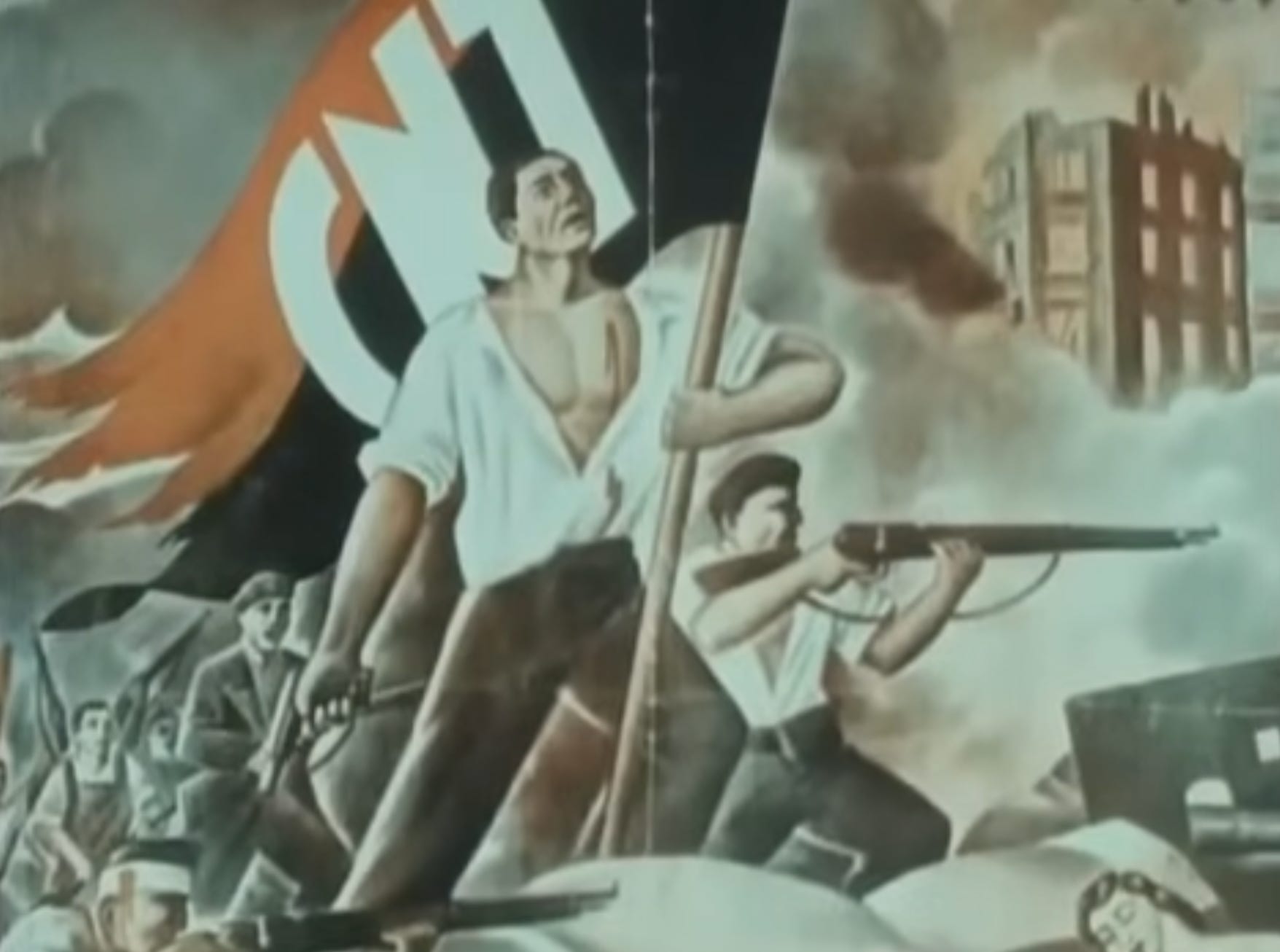
Blasphemy, Desecration and Anticlerical Violence During the Spanish Civil War.
The Spanish Civil War remains one of the most persistently misunderstood and, at times, misrepresented, conflicts in modern history. Yet it may also be among the most relevant to our present condition. Many people have come to see this war as the prelude to the Second World War, the first battle between “democracy” and fascism.
In recent years, comparisons between contemporary Western society and Nazi Germany have become commonplace, particularly within right-leaning discourse. Such analogies, however, often verge on the hyperbolic. The Spanish case, by contrast, offers a far more compelling and instructive parallel. Spain’s internal conflict was civilisational. It pitted Christianity against militant atheism, tradition against revolutionary liberalism, and order against an increasingly unrestrained conception of freedom. One is forced to ask: are these tensions not eerily familiar?1
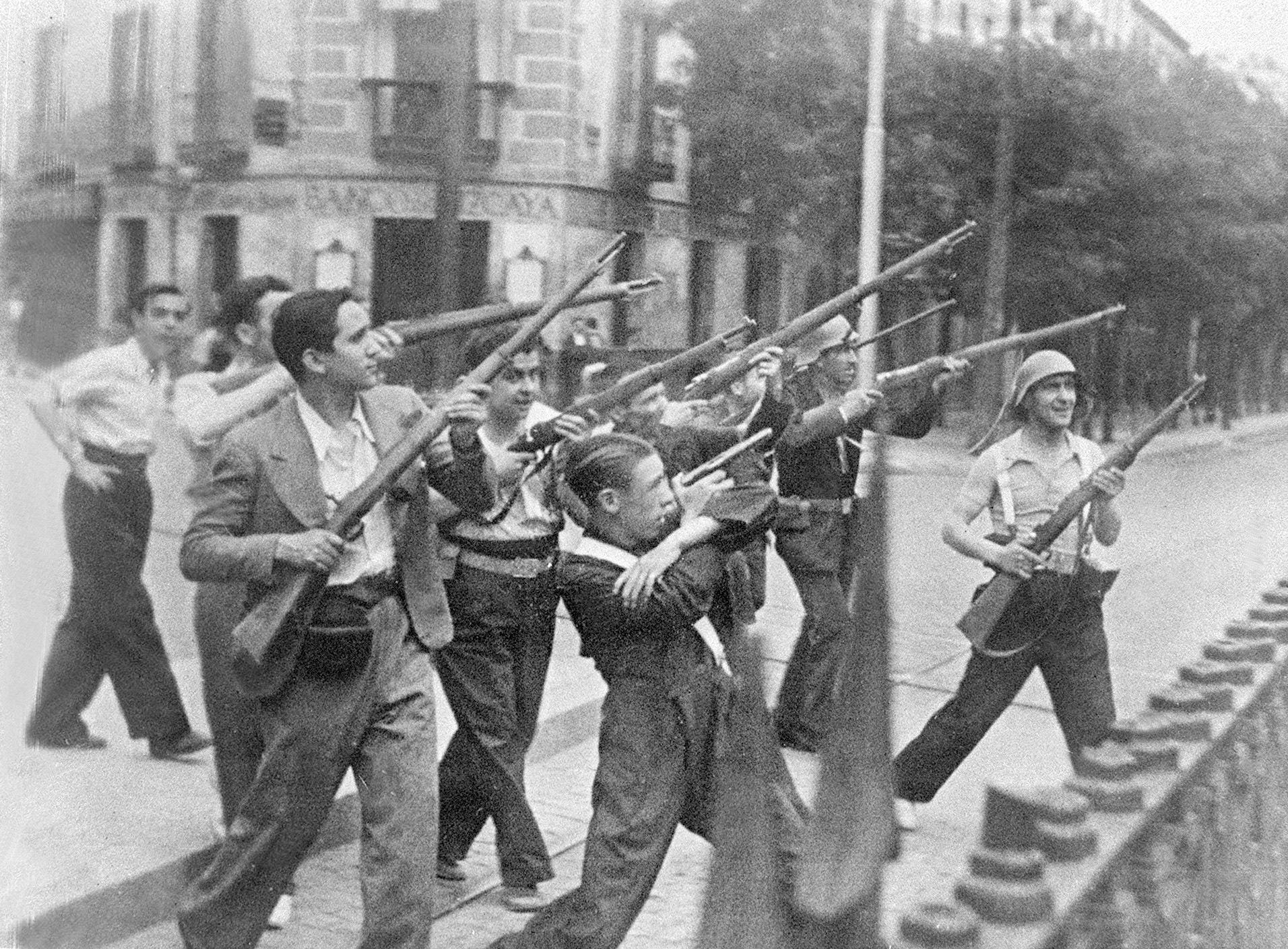
Unlike Germany, whose collapse in the aftermath of the First World War gave rise to a rapid and dramatic political transformation, Spain’s crisis was the culmination of a far longer process, a slow, centuries-spanning erosion of social, political, and cultural cohesion.2
For this reason, it is worth revisiting Spain’s struggle between 1936 and 1939 with greater seriousness. Although the conflict is frequently referenced, it is rarely examined in depth, and the version most commonly presented is often partial, if not outright misleading. Francisco Franco is routinely cast as a figure analogous to Hitler, while the Republican side is depicted as the legitimate and morally unambiguous defender of democracy. In this telling, the darker aspects of the Republican cause, particularly the widespread anti-clerical violence are minimised or ignored altogether.3
Such a narrative owes much to the asymmetry of historical memory. Republican voices, amplified internationally at the time, came to dominate the cultural and intellectual record, while Nationalist perspectives were marginalised or excluded outright. As a result, one side of the story was preserved and disseminated, while the other was, to a large extent, silenced, even beyond Spain’s borders.
To understand the conflict properly, we must step back from these inherited narratives and re-examine the conditions that gave rise to the catastrophe of 1936.
Anarchism, Socialism, and the Spanish Church
For over a millennium, Spain stood as the sword arm of Christendom.4 Its people waged and ultimately prevailed in one of the longest sustained conflicts in history, the centuries-long struggle against the Moorish forces who had crossed from Arabia and North Africa, conquering nearly the entire Iberian Peninsula and bringing with them the Islamic faith. All but a small refuge in the northern mountains fell, where, in 722, the embattled King Pelayo is said to have declared: “Our hope is in Christ. This little mountain will be the salvation of Spain.”5 Over that immense span of time, he and his descendants, together with their people, fulfilled that promise: acre by acre, mile by mile, they reclaimed their land from its conquerors, redeeming it in blood.
Since that time, the Catholic Church had remained a central pillar of the Spanish ancien régime, standing alongside the monarchy, the aristocracy, and the military.6 For the radical left, the Church was perceived as a spiritual institution, it was a primary landowner, an absolute monopolist of education, and a relentless political influencer that enforced a rigid, deeply unequal social hierarchy.7
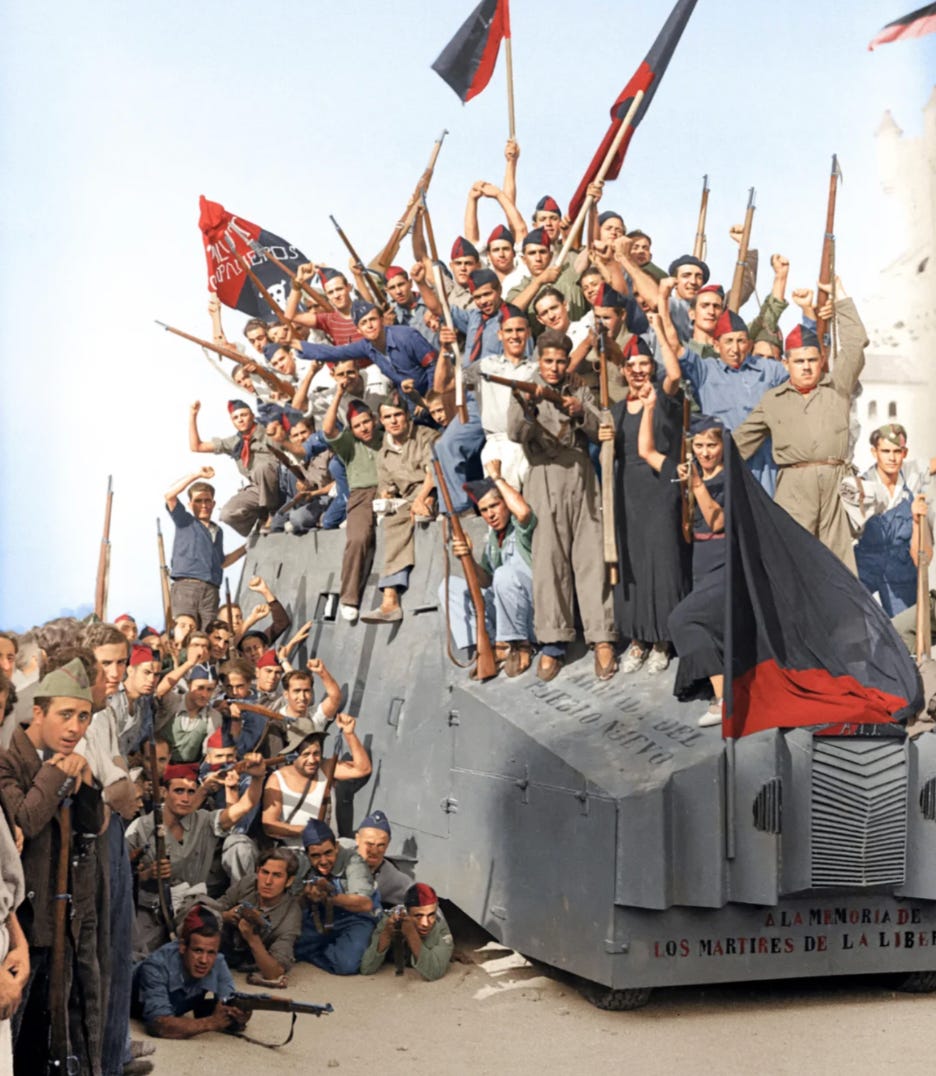
Spain presented a uniquely volatile political landscape in the early 20th century. No country in all history has had nearly so many organised anarchists as Spain had by 1931.8 The anarcho-syndicalist CNT commanded the loyalty of millions of workers and peasants, blending militant trade unionism with an apocalyptic vision of a stateless, classless society. Furthermore, in proportion to the total population of the country, the Communist Party in Spain at the beginning of 1936 was larger than the Bolshevik Party in Russia at the beginning of 1917, the year in which it successfully seized power.9 This massive and radicalised demographic viewed the total destruction of the old order as a historical inevitability.
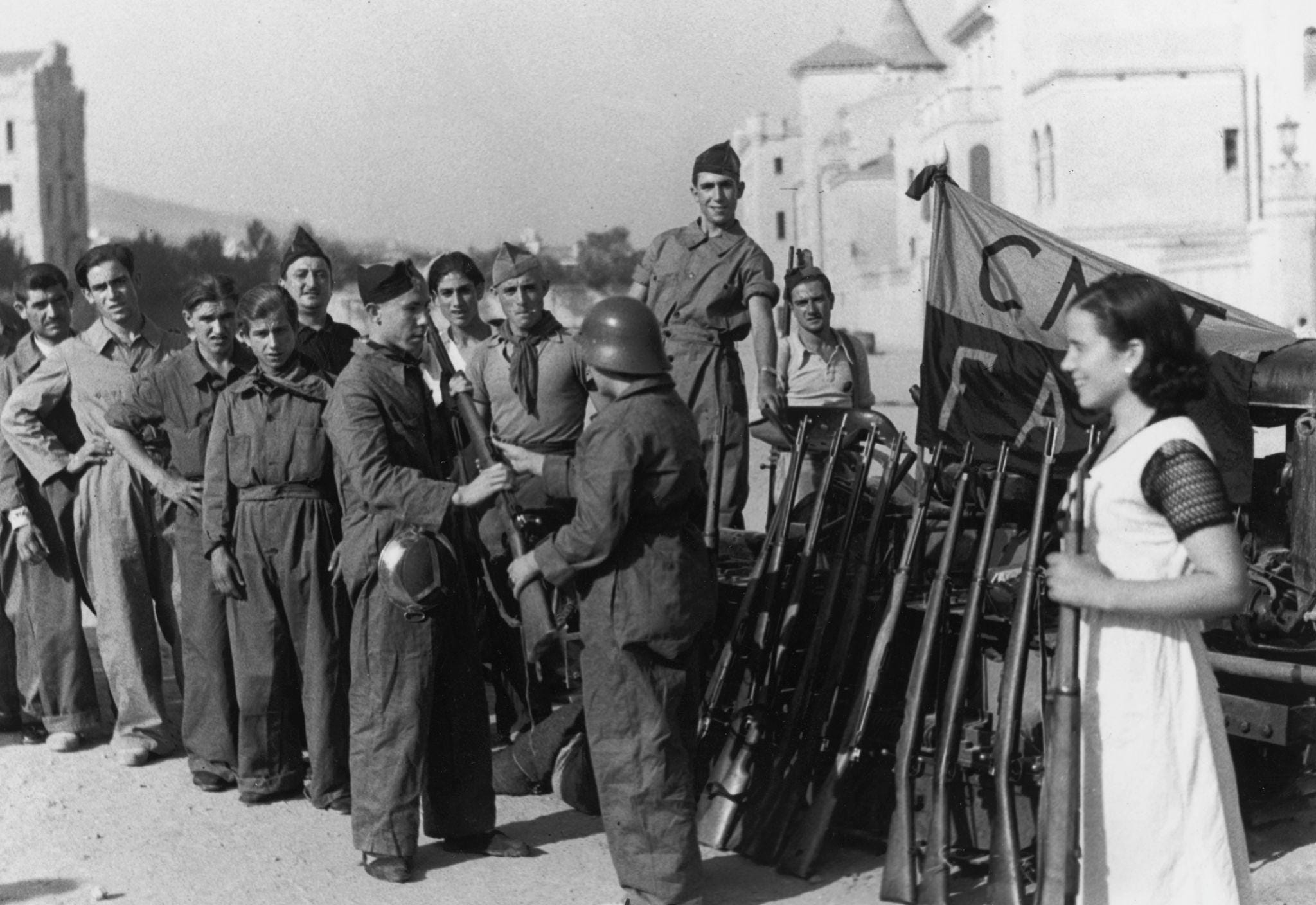
A key driver of the impending violence was the deeply ingrained ideological narrative propagated by these radical groups. Socialists and anarchists never tired of painting the clergy as the ultimate class enemies, “hirelings of the rich” and agents of the “upper classes” who utilised the promise of heavenly salvation to keep the rural peasantry and urban proletariat subjugated in earthly poverty.10 In the propaganda of the CNT-FAI and socialist publications, priests were depicted as bloated, greedy agents of capitalism who hoarded wealth while the working classes starved.11
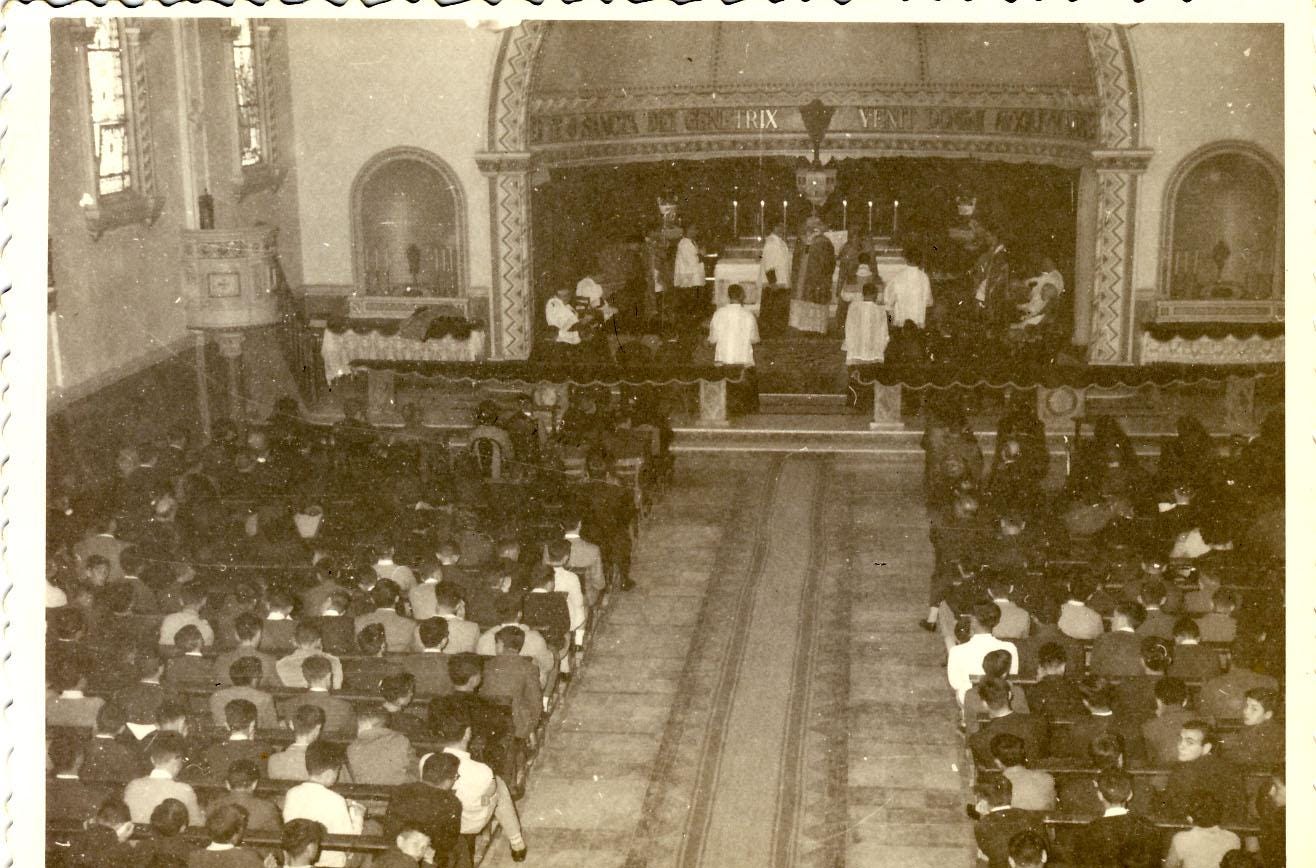
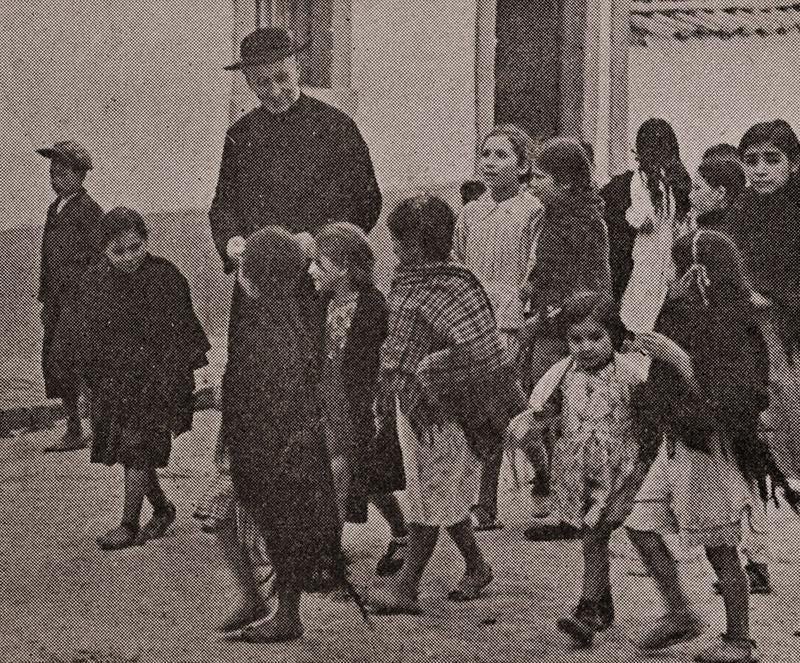
However, this was just not the case. While, yes, the upper echelons of the Church hierarchy and certain, very small enclosed religious orders possessed institutional assets, land, and cultural treasures, the vast majority of priests lived in near-poverty, receiving little more money than their destitute parishioners. Income and wealth tax data from the era, alongside historical data tracking the height and nutritional status of Spaniards, indicate that the average rural priest suffered from the same dire socioeconomic conditions, malnutrition, and stunting as the peasants they ministered to.12 Most priests survived on meager stipends that amounted to little more than the wages of a day labourer.
But in these disillusioned times, the nuances of socioeconomic status did not matter. Many Spanish people implicitly believed the socialist and anarchist charges.13 The priest, regardless of his personal poverty, his charitable works, or his genuine commitment to his flock, was reduced to a monolithic ideological symbol destined to be destroyed. To the revolutionary militias, eradicating the priest was synonymous with eradicating the oppressive structures of the state and capital.
The Second Republic and the Escalation of Hatred (1931–1936)
The proclamation of the Second Spanish Republic in April 1931, which saw King Alfonso XIII flee into exile, was viewed by progressives and radicals alike as an opportunity to disestablish the Church and break its grip on Spanish society.14 Yet, the transition was far from the peaceful democratic dawn many think it was. Almost immediately, the new Republic was marred by extreme anti-clerical violence. It was said that the Church had as much “reverence as there was hatred, it was said that Spaniards always follow their priests with a candle or with a club”.15
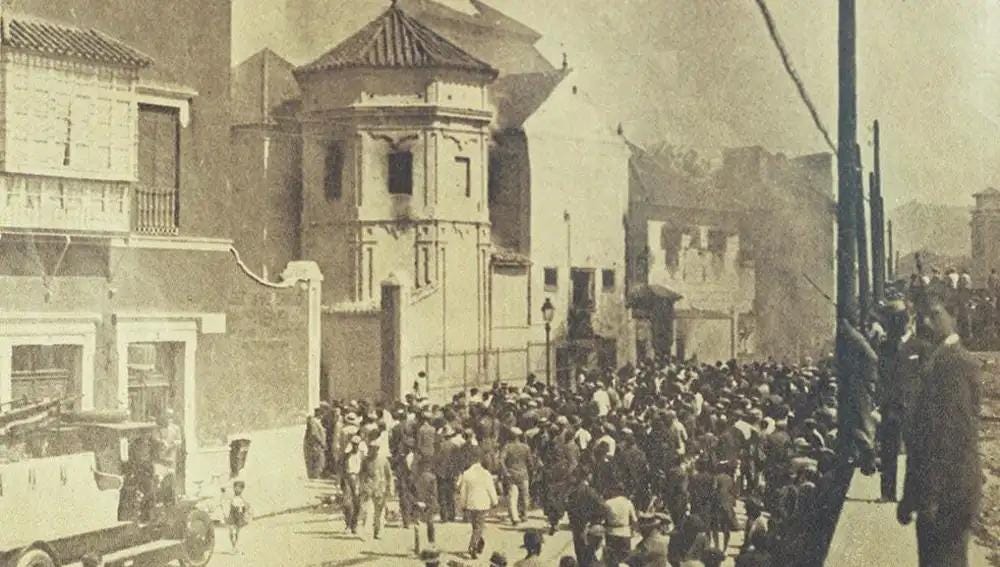
Less than a month into the democratic experiment in the new republic, the country experienced its first major wave of iconoclasm. On May 10, 1931, following a provocation in which the monarchist anthem was played from a window of a monarchist club on Madrid’s Calle de Alcalá, riots erupted across the capital. Mobs took to the streets, setting fire to more than half a dozen convents. As the convents were burnt and looted, the police just stood by and watched. The Jesuit church on the Calle de la Flor in the centre of Madrid was burned to the ground.16 Over the following days, the violence spread to other major cities, including Seville, Cordoba, Murcia, and Malaga.17 By the end of May 1931, about a hundred churches, religious schools, and irreplaceable artistic treasures had been completely destroyed or severely damaged throughout Spain.18
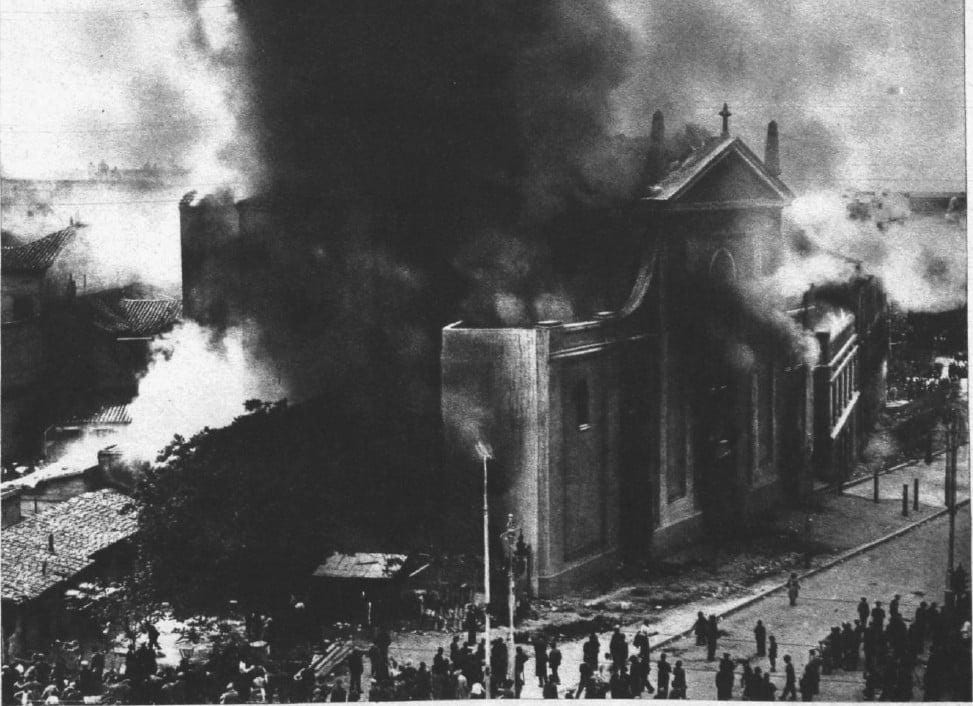
The government’s complicity during this early crisis set a disastrous precedent. When the Catholic Minister of the Interior, Miguel Maura, desperately pleaded with the government to call out the army to stop the attacks on the churches, Manuel Azaña, the Minister of War who would later become Prime Minister and President of the Republic, vehemently opposed the action. Azaña chillingly declared that “all the convents in Spain are not worth the life of a single republican”.19 This statement effectively signalled to the radical left that violence against religious institutions would be tolerated, establishing a feeling of impunity that would have catastrophic consequences five years later.
The years that followed saw the Republican government enact deeply polarising anti-clerical legislation, banning religious orders, outlawing classical Catholic education, and secularising cemeteries.20 The political tensions routinely boiled over into bloodshed. During the October 1934 Asturian miners’ strike, a violent prelude to the civil war organised by socialists, communists, and anarchists, revolutionaries declared the Asturian Socialist Republic, murdered 34 religious figures, and burned 58 religious buildings.21
By early 1936, following the narrow and highly contested victory of the leftist Popular Front coalition (formed by five major Spanish parties: the Socialists, the Communists, Azañas Left Republicans, Martínez Barrio’s Republican Union, and the separatist Catalan Esquerra) in the February elections, the political atmosphere was suffocatingly radicalised.22
The platform of the Spanish Popular Front, proclaimed January 15, called for the release of everyone imprisoned since the 1933 elections, regardless of whether they were political prisoners or common criminals.23
Lawlessness surged, and the rhetoric of the left abandoned reformism in favour of outright revolution. Francisco Largo Caballero, the influential leader of the Socialist Party (PSOE) and the General Union of Workers (UGT), made his intentions explicitly clear.
Speaking in Madrid on January 12, 1936 Caballero set the tone:
“Before the Republic, our duty was to bring it about; but with the Republic established, our duty is to bring about socialism. And when I speak of socialism, I do not speak of socialism alone; I speak of Marxist socialism. And in speaking of Marxist socialism, I speak of revolutionary socialism…. Our aspiration is the conquest of political power. Method? That which we are able to use!”24
The violence in the streets reflected this militant rhetoric, from February 16 to the end of March 178 buildings (including many churches) had been burned throughout Spain and 197 more sacked. There had been 169 people killed and many hundreds wounded. Anarchy loomed, and was hailed as approached by the hundreds of thousands of organised anarchists in the great CNT union.
On May 4, 1936, a number of churches in Madrid were attacked by organised mobs. Three nuns and two lay women were killed, and several monks and nuns were attacked and severely beaten in the streets.25
The psychological terror against the faithful also escalated. In Toledo, a seller of frogs who called himself Ranero made a habit for months before the outbreak of the war of appearing at the doors of churches at the times of Sunday Mass. He would brandish strings of skinned frogs, which dangled like miniature human beings, pushing them into the faces of women coming to Mass and shouting: “This is what you and your daughters will look like after we have raped and killed you!”26
The July 1936 Coup
The cataclysm was finally triggered on July 17, 1936, when right-wing military officers, including Generals Emilio Mola and Francisco Franco, launched a coordinated coup against the Republic.27 The coup failed to seize the whole country, dividing Spain into two warring zones and plunging the nation into a full-scale civil war.28 In the Republican zone, the government’s desperate decision to arm the trade unions to defeat the military uprising had immediate and unintended consequences, it effectively dissolved the Republican state. The police, the courts, and the civil administration evaporated overnight, subsumed by armed workers’ organisations.
In this sudden vacuum of state authority, unparalleled revolutionary terror flourished. The militias, heavily armed and radicalised, became the absolute arbiters of life and death. The traditional organs of governance were entirely eclipsed by revolutionary committees that functioned as a locally articulated executive power, imposing a brutal dictatorship of the proletariat on the streets of major cities.
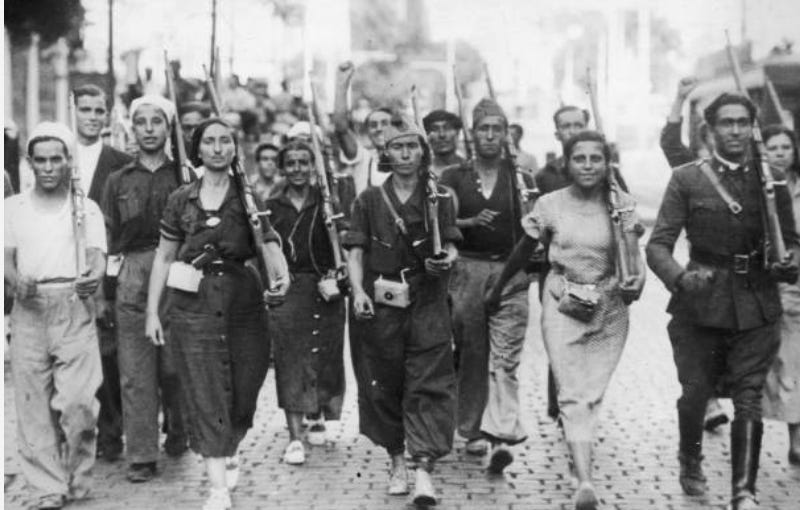
In Catalonia, this dynamic was most pronounced. The anarchists allowed Lluís Companys to retain his title as President of the Generalitat, but they immediately established a parallel, superseding government: the Central Committee of Anti-Fascist Militias. Headquartered in the Nautical School building in Barcelona’s Pla de Palau, this committee assumed total control over defense, public order, and the economy. Anarchist dominance was absolute, reinforced by the 30,000 rifles the CNT had seized from the San Andrés barracks after defeating the military rebels.
The Committee operated through Patrullas de Control (Control Patrols), a force of approximately 700 heavily armed men utilising requisitioned vehicles to roam the streets, establish barricades, and carry out arbitrary arrests and executions. These patrols initiated a massive wave of repression, normalising the paseos (”strolls”), where individuals identified as rightists, capitalists, or clergy were taken for a drive and shot on the outskirts of the city.
When traditional Republican politicians attempted to curb the indiscriminate bloodshed and restore the rule of law, they were met with the brutal reality of armed anarchist power. Jaime Maravitlles, a committee member representing the less revolutionary Esquerra party, recalled how the anarchist delegates intimidated the politicians. They “came to the meetings wearing bandoliers stuffed full of cartridges and laid their pistols or submachine-guns out in front of them,” Maravitlles noted. “Thumping the table, they’d shout: ‘This is how things are going to be done now! You’re a lot of petty bourgeois, trying to hold back the revolution!’”
The impotence of the formal government was horrid. When President Companys personally approached the Anti-Fascist Militias Committee to protest the indiscriminate, daily killing of monks, nuns, and their relatives, the legendary anarchist leader Buenaventura Durruti responded with a ultimatum: “Tell Companys not to come here again. If he does, I’ll fill him full of bullets”.29
The Mechanics of the Extermination
Freed from all legal constraints and actively encouraged by the fiery rhetoric of their leaders, the radical left unleashed a politicidal campaign against the Catholic Church. The objective was not to reduce the Church’s influence or to separate church and state, but to physically obliterate its presence from Spanish soil.
The statistics of the Red Terror regarding the clergy are horrifying, they were documented by ecclesiastical historians such as Antonio Montero Moreno, and subsequently verified by mainstream historians like Hugh Thomas, Paul Preston, and Antony Beevor. During the civil war, reliable estimates indicate that between 6,800 and 7,000 Catholic clergy and religious figures were murdered in Republican territory.30 The vast majority of these killings occurred in the chaotic, blood-soaked summer months of July, August, and September 1936, before the Republican central government in Madrid and Valencia could gradually rebuild the state apparatus and reinstitute a semblance of civil order.
The documented death toll of the ecclesiastical holocaust included:
- ~4,184 diocesan priests.
- ~2,365 monks and friars (including 259 Claretians, 226 Franciscans, 204 Piarists, 176 Brothers of Mary, 165 Christian Brothers, 155 Augustinians, 132 Dominicans, and 114 Jesuits).
- ~283 nuns.
- 13 bishops.
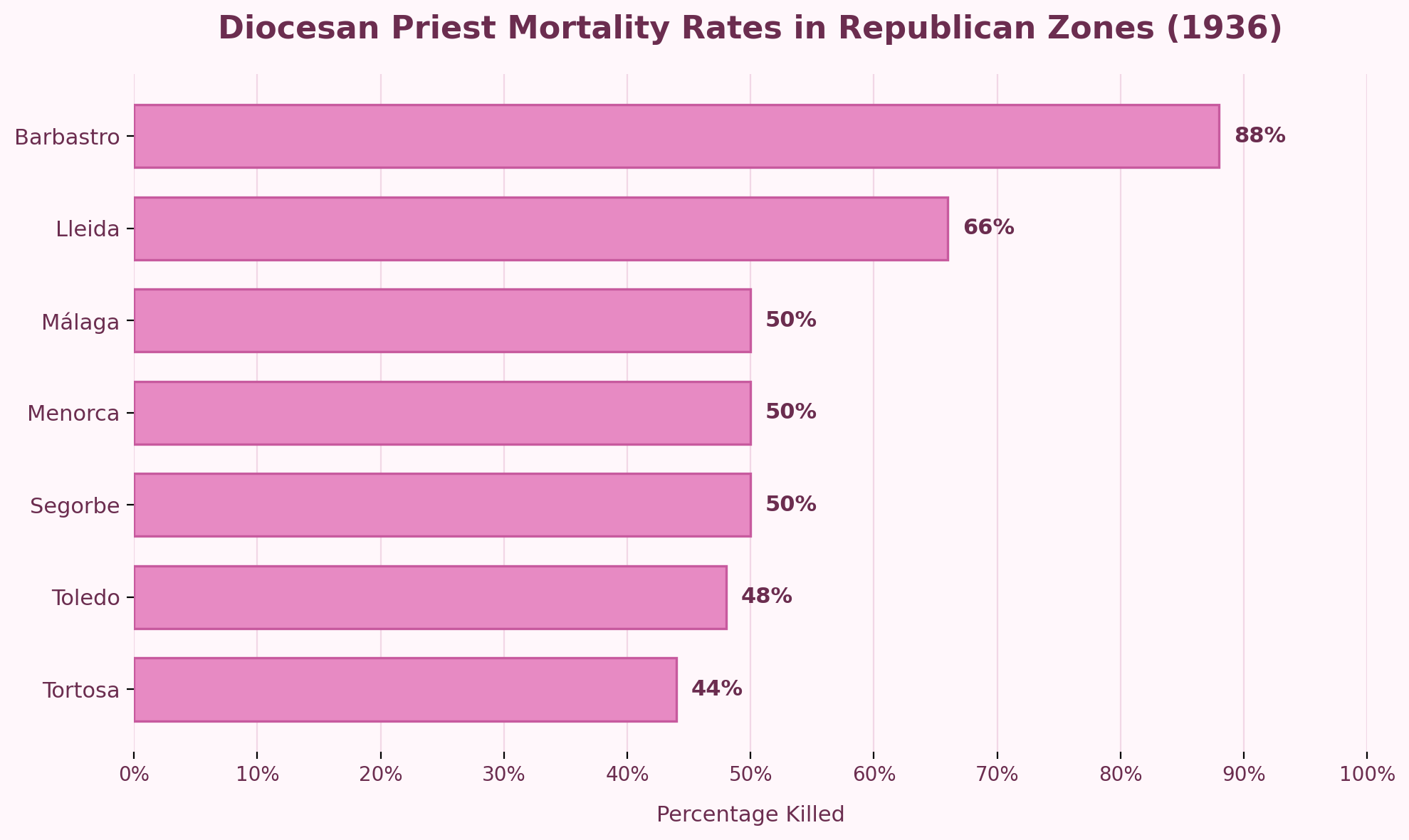
In certain dioceses, particularly those where anarchist and radical socialist sentiment was strongest, the targeted extermination of the secular priesthood reached genocidal proportions, effectively wiping out the religious infrastructure of entire regions.
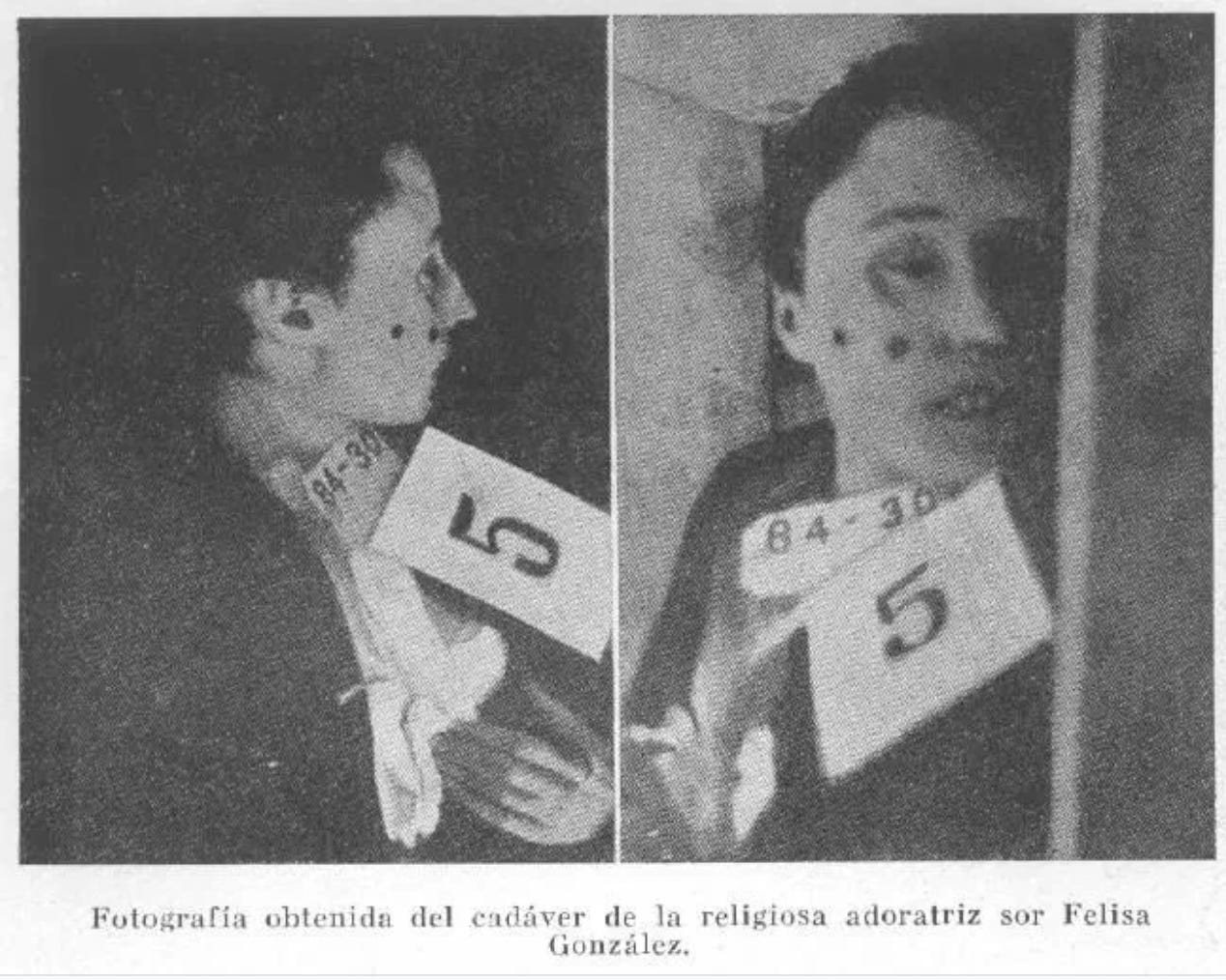
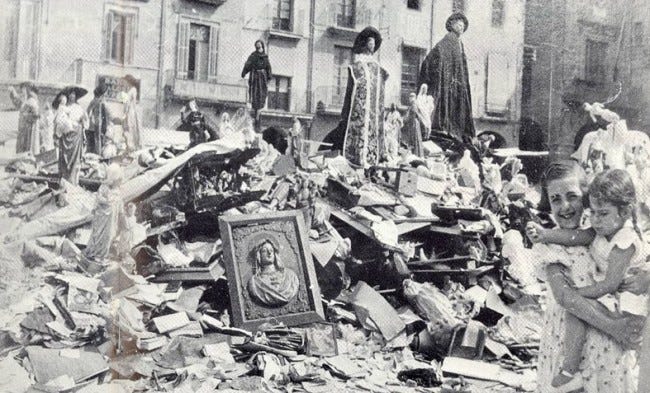
Beyond the cossasal loss of human life, the physical infrastructure of Spanish Catholicism was decimated. As many as 20,000 churches, convents, and religious schools were destroyed, heavily damaged, or forcibly requisitioned. Militias repurposed these sacred spaces as anarchist warehouses, vehicle depots, militia recruiting stations, public canteens, and, chillingly, as detention and interrogation centres where further tortures were carried out.31
The destruction was so total and methodical that the British poet Sylvia Townsend Warner, observing a gutted church in Barcelona, noted that it had been cleaned out “exactly as sick-rooms are cleaned out after a pestilence. Everything that could preserve the contagion has been destroyed”.32
Iconoclasm and the Desecration of the Dead
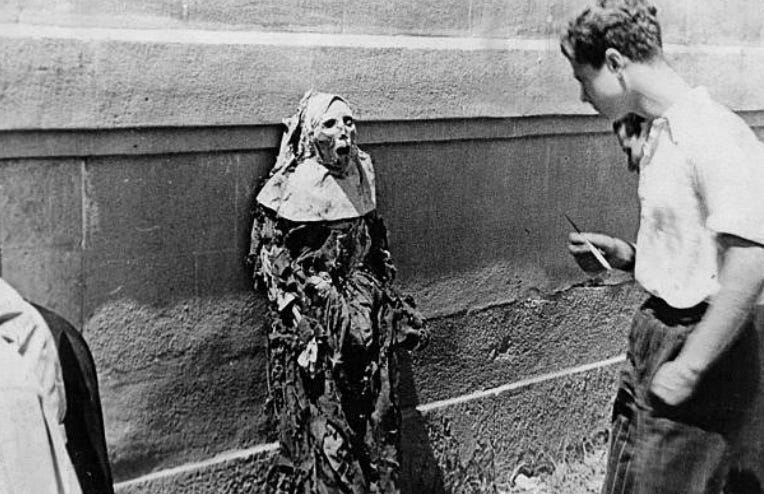
The Red Terror was uniquely characterised by a performative iconoclasm. The violence was deeply symbolic. The revolutionaries sought to publicly humiliate the Church, to strip it of its mystique and sacred aura, and to demonstrate to the populace that the old gods were dead and powerless to intervene.
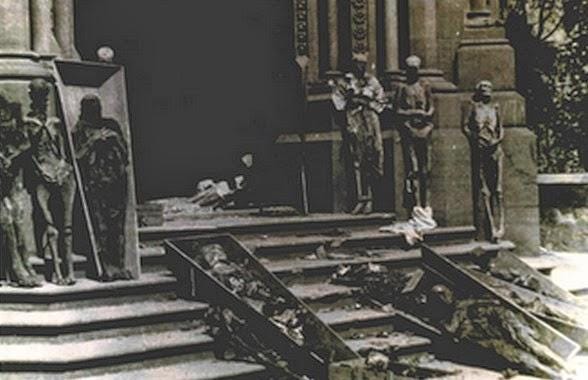
This psychological warfare manifested in the desecration of graves and mummified remains, a phenomenon witnessed by Edward Knoblaugh and numerous other foreign correspondents. By exhuming the bodies of century-old clerics and displaying them in degrading postures, the anarchists sought to demystify the religious figures and present them as just decaying matter. It was a rejection of the concept of the eternal soul and the sacredness of the body. Moreover, it served as a visual assertion of the militias’ absolute power over both the living and the dead.
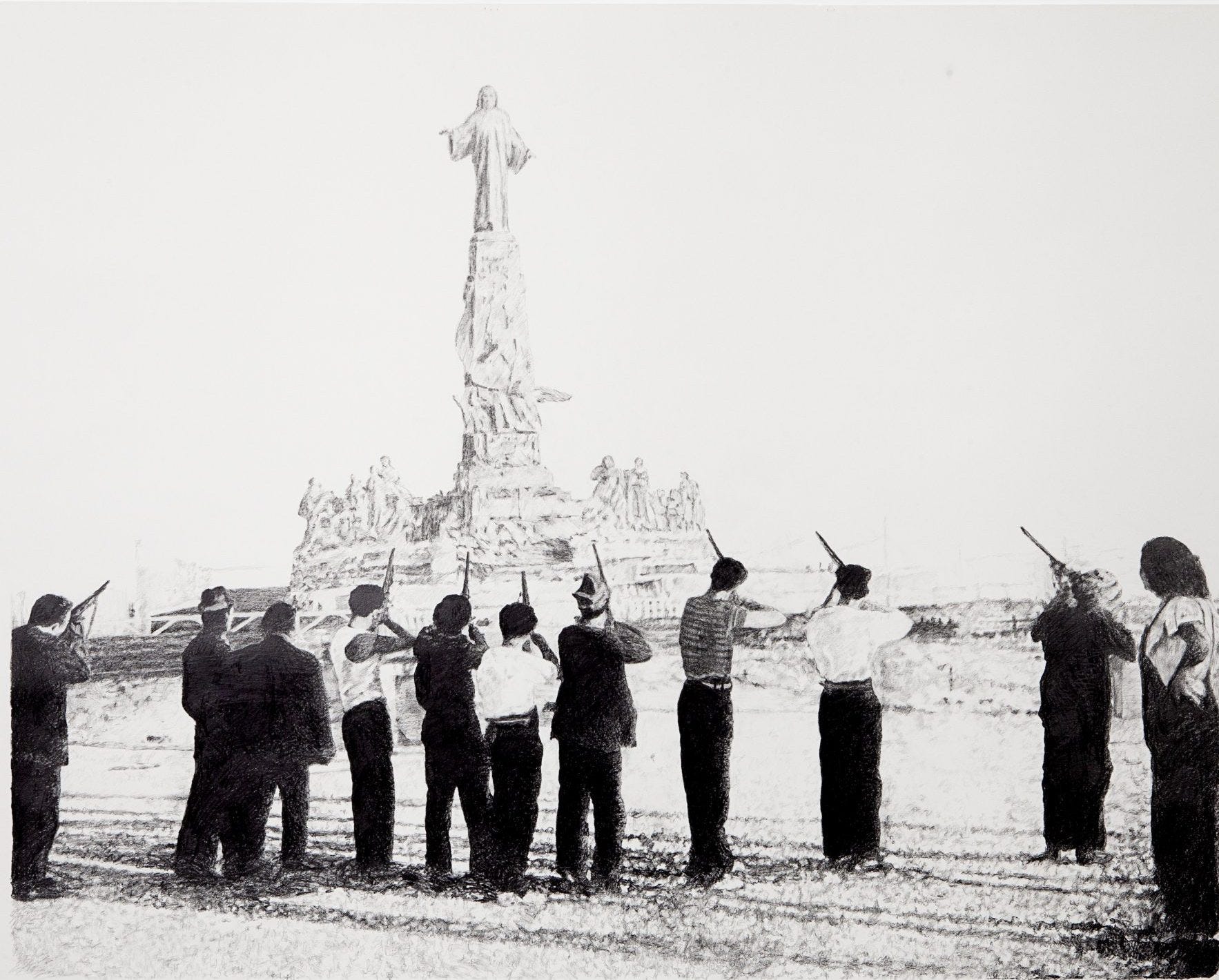
Statues of the Sacred Heart were subjected to mock executions by Republican firing squads, an assault on the public presence of Catholicism that was captured in photographs and widely circulated in the international press, such as the London Daily Mail, which captioned the images as the “Spanish Reds’ war on religion”. This performative violence would ultimately prove disastrous for the Republic’s image abroad.
The Faces of the Martyrs: Human Stories of the Terror
In Madrid, the targeting of religious women, who posed absolutely no military threat highlighted the indiscriminate nature of the ideological purge. On Friday, July 24, 1936, a patrol of militiamen recognised three Discalced Carmelite sisters, members of the enclosed order founded by St. Teresa of Avila, walking near the apartment where they had sought refuge. “Nuns! Shoot them!” a militiaman cried out. The squad opened fire immediately on the helpless women in the middle of the crowded street. One nun was killed instantly. A second, Sister Maria del Sagrario, was severely wounded, collapsing to the pavement in sheer agony and crying out, “My God! My God!”.33
A group of Republican Assault Guards, representing the fracturing remnants of official state authority, intervened, halted the execution, and hailed a passing public bus to transport the bleeding woman to a hospital. However, the deep societal hatred had infected the general populace, upon being told his passenger was a nun, the bus driver shouted, “Give her here and I’ll finish her off!” She was placed on a second bus and died shortly after reaching the hospital, her final words echoing the crucifixion of Christ: “My God, forgive them, for they know not what they do”.34 The third nun managed to flee into the chaotic streets, wandering distracted, but was eventually accosted by a man who pretended to offer her safe passage. Instead, he turned her over to another militia patrol that executed her before nightfall.35
In Barcelona, age and frailty offered no protection against the Patrullas de Control. On the night of July 23, twelve nuns, four of them over the age of sixty, were dragged from their hiding places, transported outside the city, and shot beside a rural highway. One elderly sister survived the initial volley and lay bleeding in agony for four hours in the dirt before succumbing to her wounds. On the same day, Jaime Busquets Xaubet, the lay organist of the parish of San José de Gracia, was practicing at his instrument when an armed mob stormed the church. Refusing to abandon his post or flee the sanctuary, he desperately pleaded with the anarchists not to burn the building. He was seized, severely beaten, and shot a few hours later.
The terror also claimed the lives of numerous Daughters of Charity, an order dedicated exclusively to nursing the sick, caring for the indigent, and teaching the poor. Their charitable works provided no immunity against the revolutionary tribunals. Sister Ramona Cao Fernández, an experienced tuberculosis nurse, and Sister Juana Pérez Abascal were arrested in Jaén. Transported to Madrid on August 12, 1936, aboard what became infamously known as the “Death Train,” they were murdered upon arrival in a mass execution orchestrated by the local Communist-dominated defence committee. Other Sisters of Charity, such as Sister Modesta Moro Briz and Sister Pilar-Isabel Sánchez Suárez, who had together assisted in the births of over three thousand children at the Santa Cristina maternity hospital in Madrid, were violently removed from their posts and executed on the Toledo Road.36
Perhaps no single execution better encapsulated the barbarity of the anticlerical purge than the martyrdom of Blessed Florentino Asensio Barroso, the Bishop of Barbastro.37 Arrested by local militias on August 8, 1936, the bishop was subjected to horrific, highly personalised tortures. In a display of extreme sadistic violence fuelled by paradoxical disgust and an ideological obsession with priestly celibacy, local militiamen mutilated the bishop, amputating his testicles.38 Left to bleed for hours, the bishop remained conscious and spoke directly to his torturers: “You take me to glory. I forgive you. I will pray for you in heaven”.39 He was executed by firing squad early the next morning, joining 88% of his diocesan priests in death in what was arguably the most lethal diocese for clergy in all of Spain.
The Nationalist White Terror
While analysing the ferocious anticlericalism of the Republican zone, historical objectivity requires contextualising it within the greater landscape of the Spanish Civil War, which was a absolutely brutal conflict where both sides utilised mass terror as a weapon of war. Thus, to hyper-focus only on the Red Terror without acknowledging the Nationalist atrocities would present a distorted view of the era.
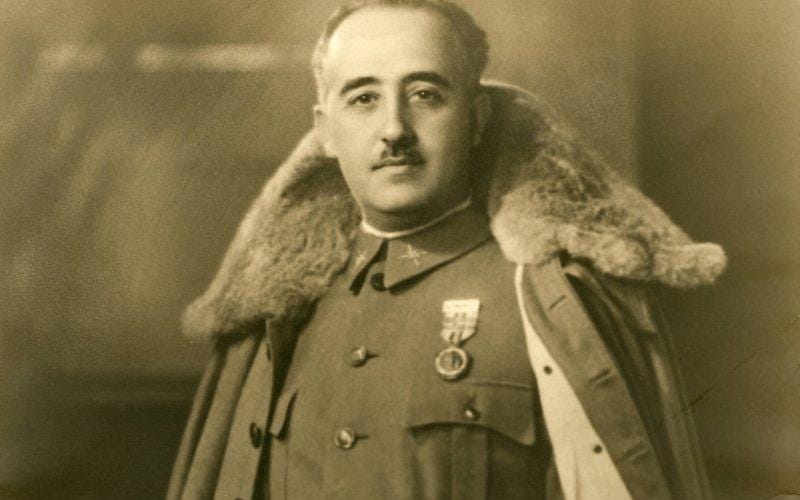
The Nationalist faction, led by General Francisco Franco and General Emilio Mola, unleashed the “White Terror” (also known as the Francoist Repression) against Republicans, socialists, communists, anarchists, intellectuals, Freemasons, and progressive sympathisers.40
The Red Terror was generally a short, explosive expression of decentralised popular violence and ideological fanaticism, largely carried out by semi-organised militias, control patrols, and revolutionary tribunals operating in the vacuum of a collapsed state.41
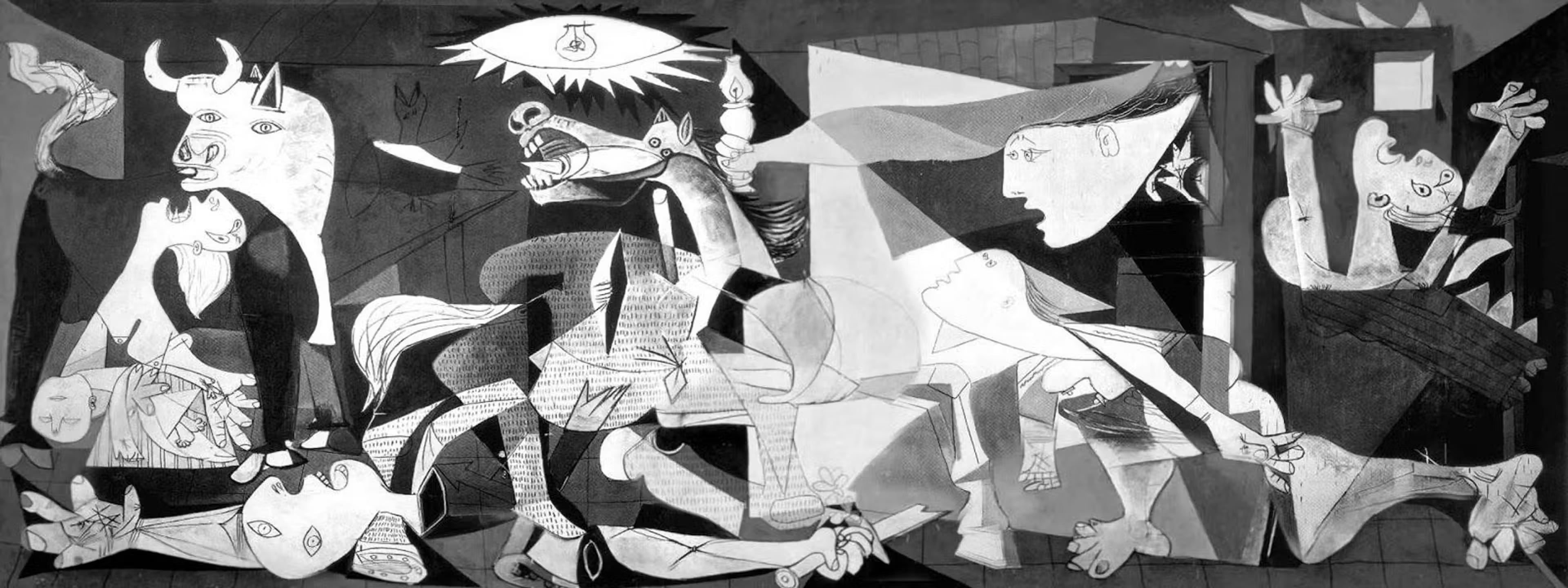
Conversely, the Nationalist White Terror was a complete purge engineered directly from the highest echelons of military leadership.42 Framed ideologically as a limpieza social (social cleansing), it was an official instrument of state policy designed to physically eradicate “anti-Spain” elements, secure the rearguard, and instil fear in the populace.43 Franco’s advancing armies implemented martial law, which would utilise execution squads to completely annihilate union leaders, teachers, and political opponents in every captured town, ensuring no partisan resistance could form behind their lines.44
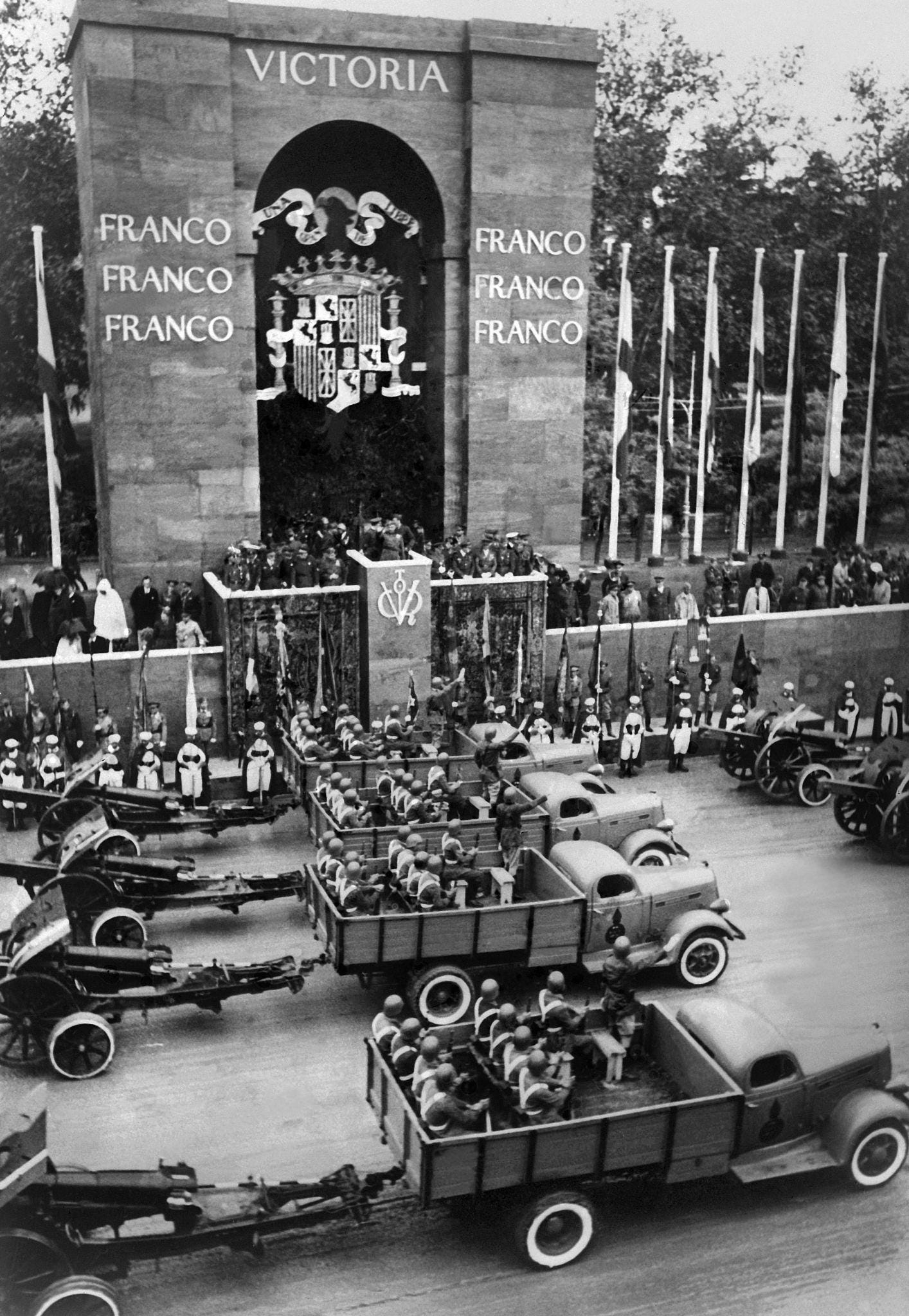
Consequently, the overall death toll of the White Terror significantly eclipsed that of the Red Terror. While the Red Terror is estimated to have claimed between 38,000 and 55,000 lives (including the ~6,800 clergy), historians estimate that the Nationalist White Terror resulted in a minimum of 150,000 deaths.45
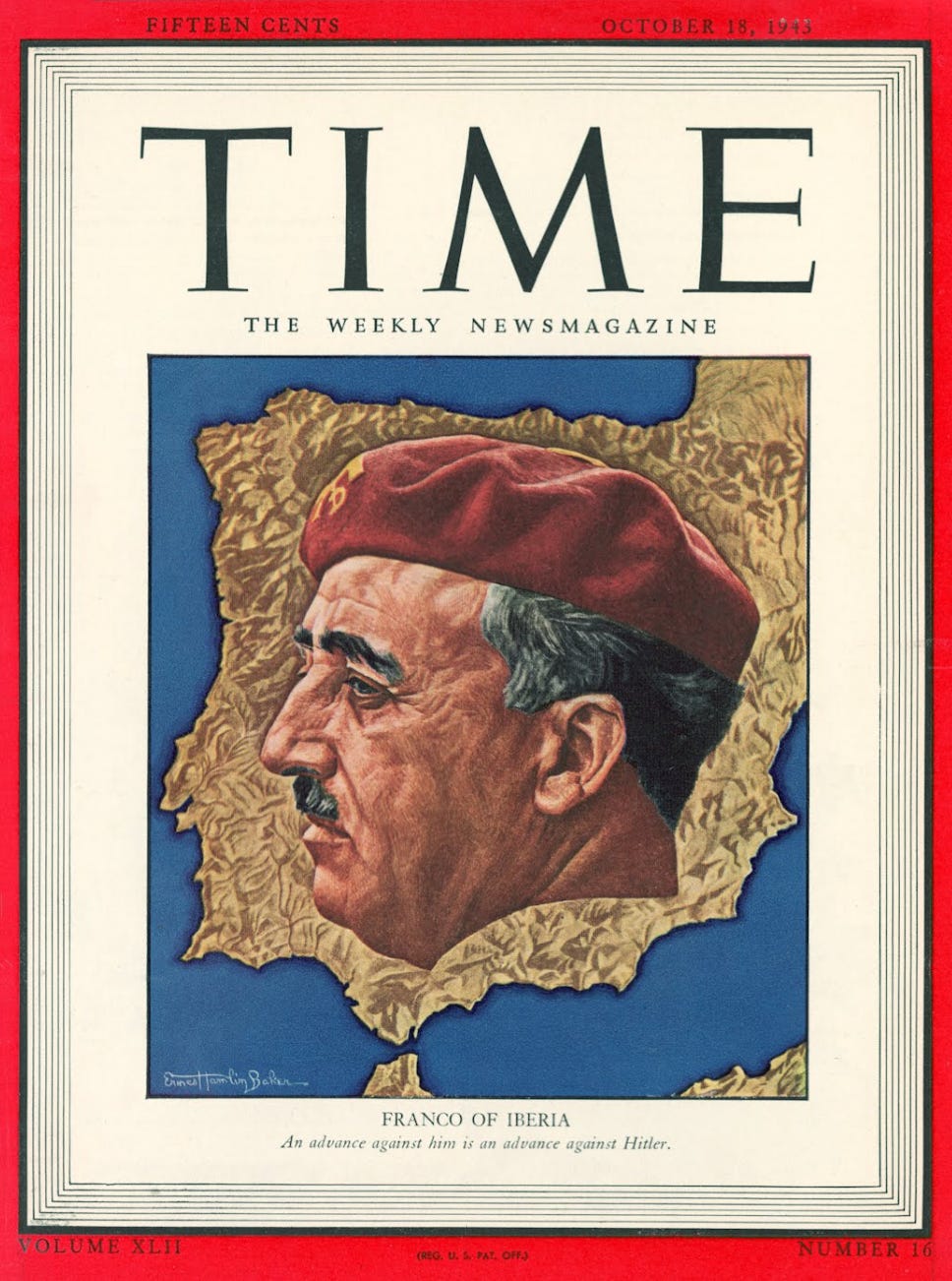
International Backlash and the Geopolitics of Martyrdom
The extreme violence of July and August 1936 proved to be a catastrophic failure for the Spanish Republic. The legally constituted government in Madrid, which was desperate for arms, financial support, and diplomatic recognition from Western democracies like Great Britain, France, and the United States, attempted to frame the civil war as a clear-cut defence of liberal democracy against the encroaching forces of international fascism. Yet, the horrific and bloody reality of the Red Terror, entirely shattered this narrative on the global stage.
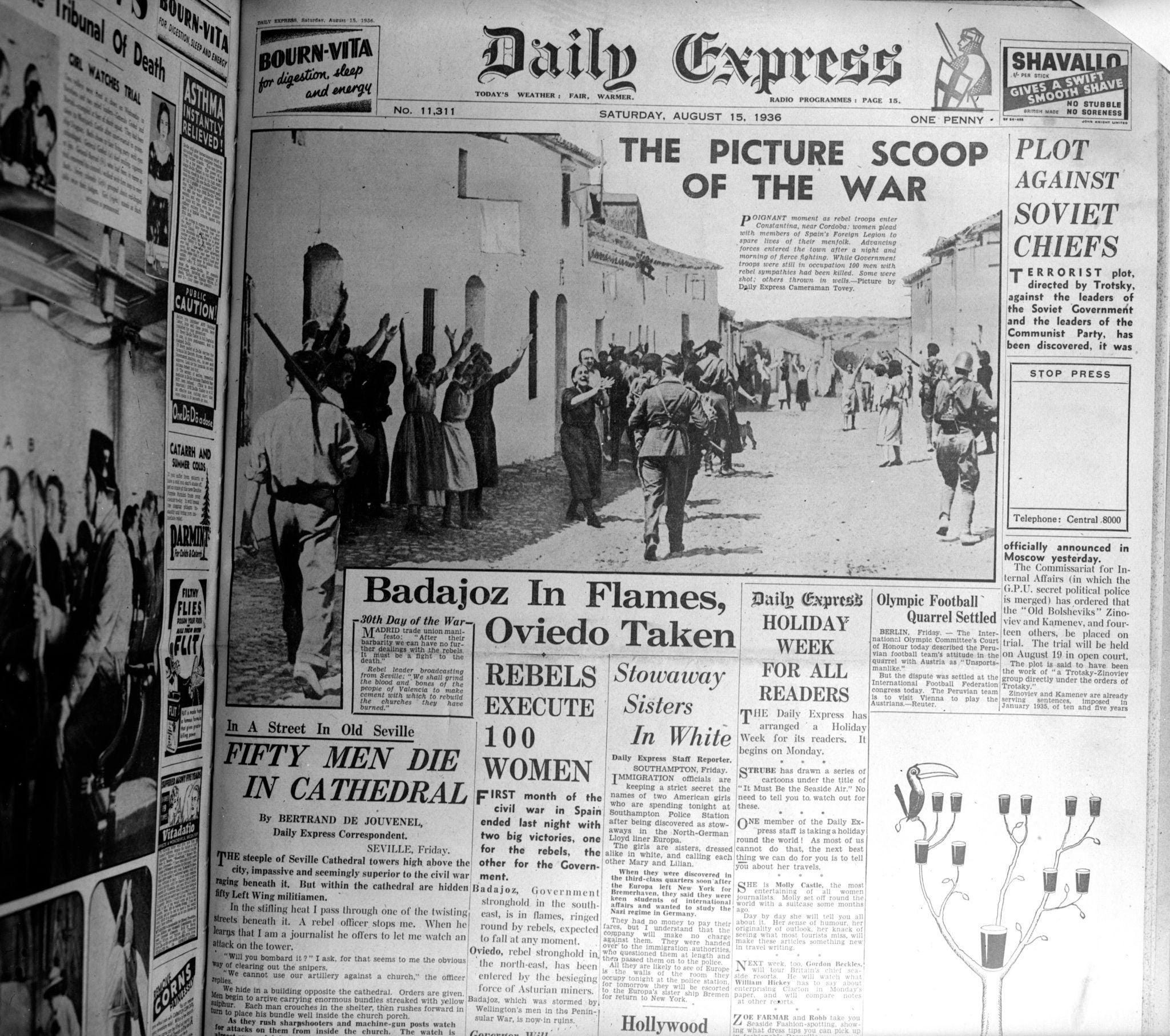
The savage mass killing of the clergy, the execution of defenceless nuns, and the widespread burning of thousands of churches dominated the international press, heavily influencing foreign policy and public opinion. In Great Britain, the Catholic press, led by influential publications like The Tablet, expressed horror at the slaughter, effectively neutralising any conservative or moderate sympathy for the Spanish Republic.46 Some English Catholic commentators argued that the Republic had surrendered entirely to Marxist barbarism and anarchy, making Franco’s forces appear, by comparison, as necessary defenders of Christian civilisation and social order.47
Given the savagery of the attacks on the Spanish church, such a response was only natural, as the publisher Frank Sheed explained much later: “Like the majority of Catholics of the English tongue I wanted Franco to win. We did not know much about conditions in Spain, but as between people who murdered priests and nuns and people who didn’t, we preferred those who didn’t. It was practically a reflex reaction.”48
In the United States, intense lobbying by the American Catholic hierarchy, deeply disturbed by the persecution, pressured President Franklin D. Roosevelt to maintain a strict embargo on arms sales to the Republic, a policy of non-intervention that effectively starved the Spanish anti-fascist cause of the materiel it needed to survive.49
The most consequential international reaction emanated from the Vatican. Pope Pius XI was horrified by the slaughter of his priests.50 Having already witnessed the severe persecution of the Church in Mexico during the Cristero War and the repression of religion in the Soviet Union, a phenomenon he termed the “Terrible Triangle”, the events in Spain cemented the Vatican’s uncompromising stance against radical leftism.51
It permitted Pope Pius XI to write in 1933 (in reference to Spain): “Universally known is the fact that the Catholic Church is never bound to one form of government more than another, provided the Divine rights of God and of Christian consciences are safe. She does not find any difficulty in adapting herself to various civil institutions, be they monarchic or republican, aristocratic or democratic.”52
On March 19, 1937, Pope Pius XI issued the encyclical Divini Redemptoris (On Atheistic Communism).53 Released just five days after Mit brennender Sorge (which had strongly condemned Nazi ideology and racism), Divini Redemptoris specifically highlighted the unfolding horrors in Spain. The encyclical explicitly stated that communism had “destroyed, as far as possible, every church and every monastery” and had murdered thousands of clergy.54 The Pope condemned the “alarming series of destruction and carnage” as a grave lesson for Europe and the world, declaring communist principles to be intrinsically hostile to religion in any form.55
Following the papal encyclical, the Spanish episcopate, which was led by the influential Cardinal Gomá, published a collective letter in July 1937, addressed to the Catholic bishops of the world.56 The document officially threw the absolute, unreserved support of the Spanish Catholic Church behind Franco’s “Nationalist movement,” arguing compellingly to the global faithful that the military rebellion was Spain’s only hope for survival against total religious and cultural annihilation.57
Conclusion: The Long Shadow of the Red Fury
The apocalyptic violence directed against the Catholic Church and religious people during the summer of 1936 was a defining event that dictated the conflict’s moral, political, and diplomatic dimensions. Driven by decades of deep-seated anti-clericalism and the uncompromising ideology of radical anarchism and Marxist socialism, the militias of the Spanish left attempted to forcibly amputate the Church from the body of the nation.
In doing so, they unleashed a wave of terror that claimed the lives of nearly 7,000 religious figures and reduced the irreplaceable architectural and cultural heritage of Spanish Catholicism to ash. The “Red Fury” was a bloody experiment in class warfare that rapidly spiralled into mass murder.
If we turn to the present, a similar pattern can be observed in parts of the Western world. Movements such as Antifa who frame their struggle in absolutist terms, as some sort of moral war against “fascism,” a label that is often applied broadly, loosely, and inaccurately.
A recent incident underscores how violent and grotesque these leftists can still be. The murder of Quentin Deranque, a Catholic convert who was connected to traditionalist religious circles and right-wing activism, sits uncomfortably within this pattern. While the circumstances are far-removed from the Spanish Civil War, the underlining dynamic is recognisable: the convergence of ideological hostility with a target that has been symbolically marked out in advance.
What the Spanish experience illustrates is not that all contemporary movements lead inevitably to violence, but that the preconditions for it are cultural before they are physical.