
Seed Genetics – The Corporate Technology Which Could Cost Us the Earth
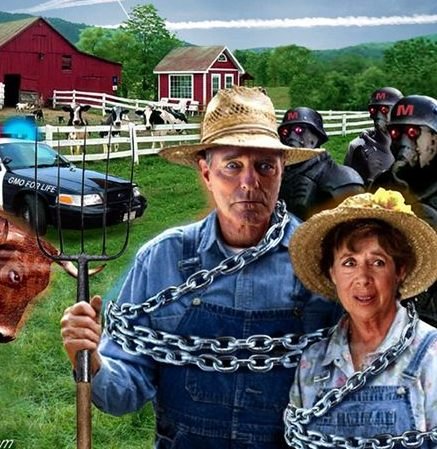
Agribusiness, Corporate Control, Globalism and Immigration – What’s To Like?
“And God said, Behold, I have given you every herb bearing seed, which is upon the face of all the earth” (Genesis 1:29 KJV).
The ideal of independent “free soil farmers” played a massive role in shaping the identity, culture and politics of the United States. Jefferson’s vision of a nation of self-sufficient yeoman farmers influenced the country’s political as well as economic development.
The Northwest Ordinance of 1787 and the Homestead Act of 1862 were hugely important policies that promoted widespread land ownership. As their far-sighted architects intended, these policies helped create a culture of independence and self-reliance, which became a hallmark of American identity.
Free soil farming also contributed to the growth of American democracy. With land ownership widespread, citizens were more likely to participate in the democratic process, to demand representation and to exercise their rights responsibly and wisely.
Today, by contrast, American farmers face a corporate power and wealth grab which is making them more like impoverished share-croppers, or medieval serfs, than the proud, free men whose family farms formed the very basis of the national dream. And what is happening in the USA is being replicated all over the world – including in Britain and Ireland.
Ever since the first development of agriculture, the seeds which formed its base were common property. Families saved the best grains, traded with neighbors or merchants in a free market, and improved local varieties through selective breeding.
All that ended in 1980 with Diamond v. Chakrabarty, when the Supreme Court ruled that genetically modified organisms could be patented. Seeds became intellectual property, with hybrid and “terminator” seeds created in corporate laboratories. Food crop plants are engineered to yield once and die, and for their seeds to be sterile, forcing annual repurchase.
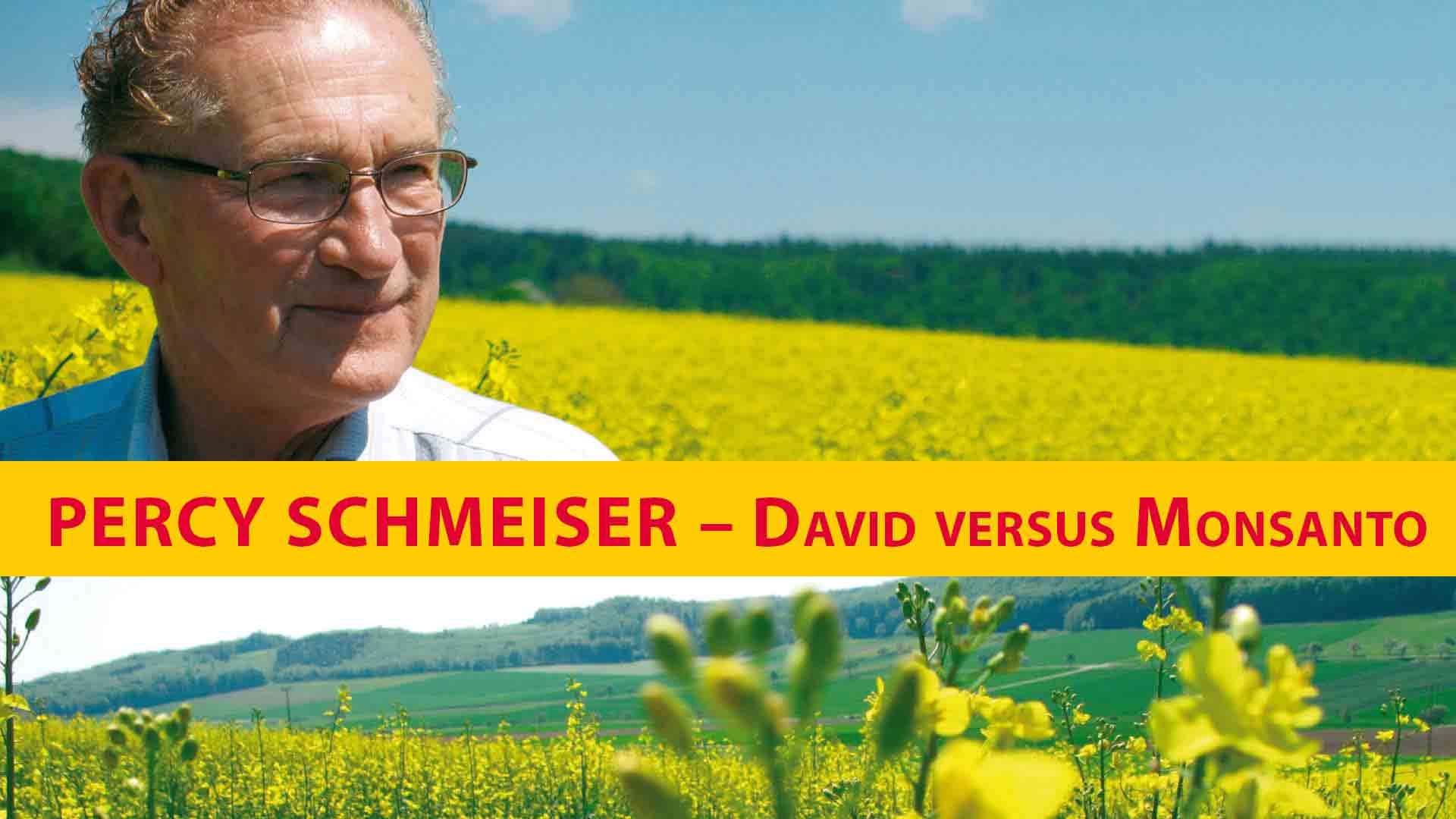
The case of Canadian grower Percy Schmeiser should have been the loudest alarm bell. When patented genes drifted into his fields and hybridized naturally with his traditional crop, Monsanto sued him for infringement—and won. Even accidental possession of patented DNA was ruled theft.
Global trade agreements extended those patents worldwide. Within a generation, seed went from birthright to barcode. Farming – long based on a privately owned, family holding – became primarily about the interests of a tiny group of giant multinational businesses.
Their interests are ruthlessly enforced by research funding, corporate lawyers and lobbyists who buy the compliance of lawmakers. The system has shifted the whole emphasis of using the land from producing food and long-term sustainability, to maximizing profit and short-term gain.
The commercial seed market was valued at roughly $66 billion worldwide in 2025 and is projected to exceed $100 billion by 2033 . Four conglomerates—Bayer-Monsanto, Corteva (Dow-DuPont), Syngenta (ChemChina), and BASF—now control about 70 percent of global seed genetics (ETC Group 2023).
Data from the U.S. Department of Agriculture indicates that these top firms own 95 percent of intellectual property in corn, 84 percent in soybeans, 97 percent in canola, and 74 percent in cotton.
Each maintains a vertically integrated empire: seeds, fertilizers, pesticides, and satellite-driven data systems that monitor every acre. Bayer’s FieldView platform gathers soil, moisture, and yield data from millions of acres; every sensor feeds corporate servers, forming a closed loop of genetic engineering, chemical addiction and data enforcement.
The Big Four cartel share one common purpose – total control of agriculture through patents and treaties such as WTO TRIPS and UPOV 1991. The most stunning indication of their power is that these ‘agreements’ have criminalized seed saving. At a stroke, and regardless of their theoretical land ownership rights, this strips farmers of their freedom and independence.
In theory, farmers are free to walk away, but in addition to the financial and legal restrictions, the connection between genetically modified seeds and specific pesticides has created a treadmill of reliance on the corporations.
Conservative ‘right-wingers’ rightly complain that Syngenta’s ownership by China’s state conglomerate ChemChina extends Beijing’s influence into global food chains. But those whose objections stop there are missing something even worse:
The cartel’s monopoly on seed supply and rights is a form of feudal agriculture. Farmers are forced to pay tribute, not to kings or barons, but to corporations. Personal, unfettered ownership and control of farmland was the foundation of American freedom; but, under the new agribusiness system, farmers are effectively sharecroppers.
Contracts, audit rights and bank loans tie them into the system as efficiently as poverty and debt controlled the former slaves and ‘poor white trash’ of a past which was supposed to have gone forever. With those bonds in place, the agribusiness cartel have ratcheted up their seed prices.
In the U.S., seed costs have risen 351 percent for soybeans and 321 percent for corn per acre between 1995 and 2014, outpacing commodity prices and squeezing margins. This contributed to a 5 percent loss of farms from 2010 to 2017 and rising bankruptcies, particularly among midsize operations. When it gets to this scale, capitalism is not about free enterprise and private ownership, it’s about monopoly and the destruction of the institution of property.
The system is now worldwide. In India, genetically modified Bt-cotton promised prosperity but delivered ruin. Seed prices soared, yields faltered, and debt mounted. The National Crime Records Bureau of India reports more than 250,000 farmer suicides since the mid-1990s, many by the agonizing method of swallowing pesticide.
Across Africa, the Alliance for a Green Revolution in Africa (AGRA)—funded by the Gates and Rockefeller Foundations — pushes patented seeds under the banner of modernization. Nations adopting AGRA frameworks are pressured to enforce UPOV 1991 rules, outlawing traditional seed exchange.
https://nickgriffin544956.substack.com/p/seed-genetics-the-corporate-technology