
The Government is Obsessed With Making Britain’s Countryside ‘Less White’
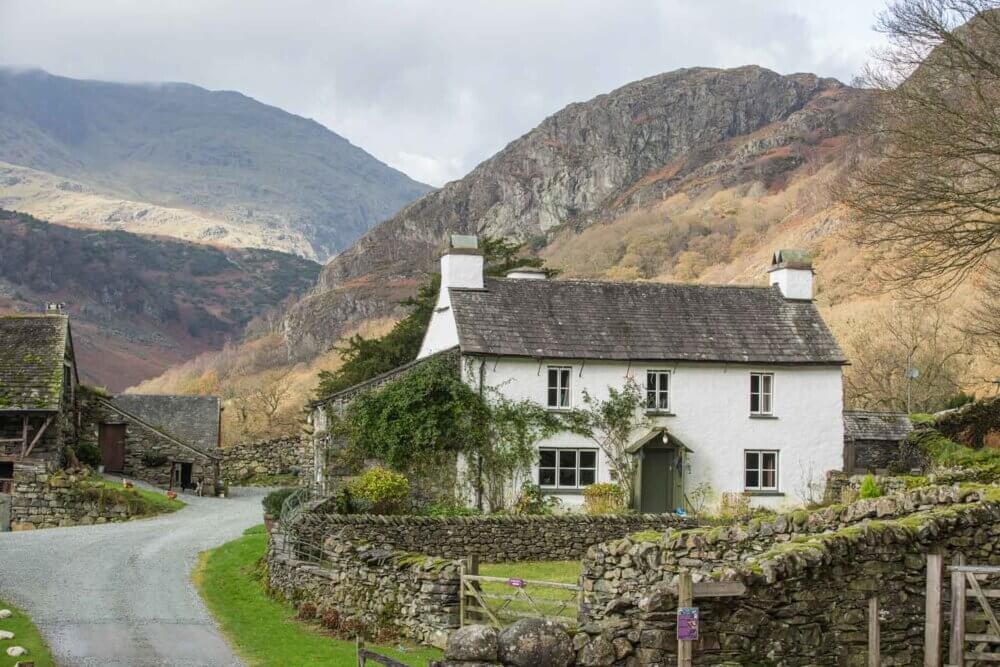
Reports label green spaces as a “White environment.”
The British countryside is under siege from diversity mandates that aim to transform it into a “less white environment,” with officials in areas of natural beauty like the Chilterns and Cotswolds pledging to draw in more ethnic minorities under Department for Environment, Food & Rural Affairs (Defra) guidance.
This push stems from reports warning that rural spaces risk becoming “irrelevant” in a multicultural society, dominated by the “white middle class,” prompting commitments to outreach, diverse staffing, and even dog control measures to make the outdoors more appealing.
The Telegraph reports that National Landscapes—formerly Areas of Outstanding Natural Beauty (AONB)—and local councils have adopted diversity targets following Defra-commissioned studies.
In the Chilterns, proposals include community outreach to attract Muslims from nearby Luton, recruiting diverse staff, and producing marketing materials featuring ethnic minorities in “community languages.”
Research cited suggests tighter dog controls, as some groups fear them.
Malvern Hills National Landscape stated: “Many minority peoples have no connection to nature in the UK because their parents and their grandparents did not feel safe enough to take them or had other survival preoccupations.”
It added: “While most white English users value the solitude and contemplative activities which the countryside affords, the tendency for ethnic minority people is to prefer social company (family, friends, schools).”
The area plans to “develop strategies to reach people or communities with protected characteristics such as people without English as a first language”.
Nidderdale in North Yorkshire warns of barriers for ethnic minorities, including “concerns about how they will be received when visiting an unfamiliar place”, and vows to “develop more inclusive information to reflect more diverse cultural interpretation of the countryside”.
Cranborne Chase will also target “people or communities with protected characteristics such as people without English as a first language”.
Surrey Hills notes “some demographics are still under-represented in our countryside”, while Suffolk and Essex Coast Heaths expresses concerns about “some sections of society that are under-represented when looking at the composition of visitors”.
Dedham Vale pledges to “identify and seek to address barriers facing under-represented and/or diverse groups which limit equal access to the Dedham Vale National Landscape”.
These efforts trace back to a 2019 Defra report by Julian Glover, which claimed: “We are all paying for national landscapes through our taxes, and yet sometimes on our visits it has felt as if National Parks are an exclusive, mainly white, mainly middle?class club.”
Oh no, how awful, in a country where over 80% of the population is white.
It warned: “Many communities in modern Britain feel that these landscapes hold no relevance for them. The countryside is seen by both black, Asian and minority ethnic groups and white people as very much a ‘white’ environment.
“If that is true today, then the divide is only going to widen as society changes. Our countryside will end up being irrelevant to the country that actually exists,” the report continued, adding that a key proposal is “New long?term programmes to increase the ethnic diversity of visitors.”
The government responded by committing to “expand community engagement including with reference to increasing the ethnic and socioeconomic diversity of visitors”.
A 2022 Defra report, costing £108,000 found “perceptions of protected landscapes as being for white people and middle-class people could be a powerful barrier for first-generation immigrants”.
It noted ethnic minorities associate visiting with “white culture” and see “the English countryside as a white space, to which they did not belong”.
Concerns included rural facilities catering to “white English culture”, such as “traditional’ pubs, which have limited food options and cater to people who have a drinking culture. Accordingly, Muslims from the Pakistani and Bangladeshi group said this contributed to a feeling of being unwelcome.”
The Cotswolds plan references this, aiming to review provisions for the “widest possible demographic”.
This insane DEI drive echoes earlier claims we covered, where wildlife charities like the RSPCA, WWF, and National Trust labeled the countryside “racist” because it’s dominated by “white British cultural values” and influenced by “racist colonial legacies”.
Wildlife and Countryside Link, a charity umbrella group whose members include the RSPCA, WWF and National Trust, made the claim in evidence provided to Parliament on racism and its influence on the natural world.
The country’s green spaces are “dominated by white people” and are influenced by “racist colonial legacies” that are frightening away ethnic minorities from visiting them, the report claims.
Non-whites cannot ‘enjoy the outdoors’ because of the perception that the countryside is a “white space,” it adds.
“Cultural barriers reflect that in the UK, it is White British cultural values that have been embedded into the design and management of green spaces, and into society’s expectations of how people should be engaging with them,” states the report.
As we highlighted, such groups demanded the government create “legally binding target for access to nature” in order to address “structural racism”.
The Muslim Hikers group has also claimed that rural areas are seen as unwelcoming to minority communities, with the people who live there seemingly wanting to avoid the issues that “minority communities” bring with them.
These DEI initiatives coincide with a surge in rural degradation from fly-tipping, turning protected sites into wastelands.
As mass migration reshapes society, preserving the countryside’s traditional appeal—without mandates that dilute its cultural roots—remains essential to keeping Britain’s landscapes relevant and intact for all who respect them.