
The Last Waltz of the WASPs
They were not overthrown by a rival civilisation. They simply stopped believing they had one.
The film Metropolitan opens on a Manhattan evening in mid–1980s Manhattan. Through the window of a Fifth Avenue townhouse we see debutante bridesmaids in cream satin and simple pearls, arms linked with straight-backed chaperones, descending a grand staircase under crystal chandeliers. Inside, champagne flutes tinkle; a small jazz combo wafts Tin Pan Alley melodies in an adjoining salon. By night’s end, the same young aristocrats will spill into a high-society apartment on the Upper East Side, long gazes through French doors, a drawing-room circle laughing over cognac, a scotch-tinged game of “truth or dare” played with genteel irony, engaging in ambulatory Socratic dialogues about literature, status, and their own impending obsolescence. In Metropolitan, Whit Stillman caught a sliver of that world in its twilit hour. His patrician characters, “overeducated and aimless” though they are, pursue one great remaining amusement: as one commentator put it, “the only thing left to do is be too clever for its own good, usually while doing the cha-cha-cha.”1 We watch as Nick pokes fun at a lower-class interloper, Audrey perches shyly on the couch, all of them heirs to a fading aristocratic ritual. The period elegance on screen is intoxicating. Yet woven through that pageant of manners is a bittersweet truth: the WASPs, America’s White Anglo-Saxon Protestant founding class, had already begun quietly to disappear.
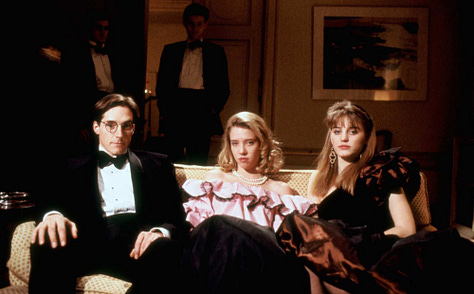
From its first frames, Metropolitan is an elegy. It evokes an America of inherited privilege, where birthplace and pedigree still ruled over politics, commerce, and society. But by 1990 that old order was a shadow. The WASP ascendance had been the civilisational ground of the Republic for centuries, and now it was eroding beneath liberalism’s wave. Across the film’s genteel salons one hears the echo of that vanishing world. In Manhattan’s afterparties, Stillman portrays youth possessed by too many references, Time magazine, Will Rogers, Victorian poetry and too little worldly aim. His lines ring true: these preppy aristocrats in pearls and Brylcreem are “almost make-believe,” as one reviewer noted, their lives a “lukewarm bath of snobbery.”2 Stillman’s satire even hit close to home, one of his interviewers recalls that the film’s cynical portrait of Manhattan’s pampered debutantes hit his own WASP father so hard that the two briefly stopped speaking.3 Metropolitan endures as a comical fantasy from a bygone era, as one retrospection put it, “a witty, preppy Preston Sturges–style fantasy from a bygone era.”4 But beyond comedy there is loss: the last waltz of the Sally Fowler Rat Pack hints that the grand old house of Anglo‑Protestant America will not long endure.
A Vanished Establishment
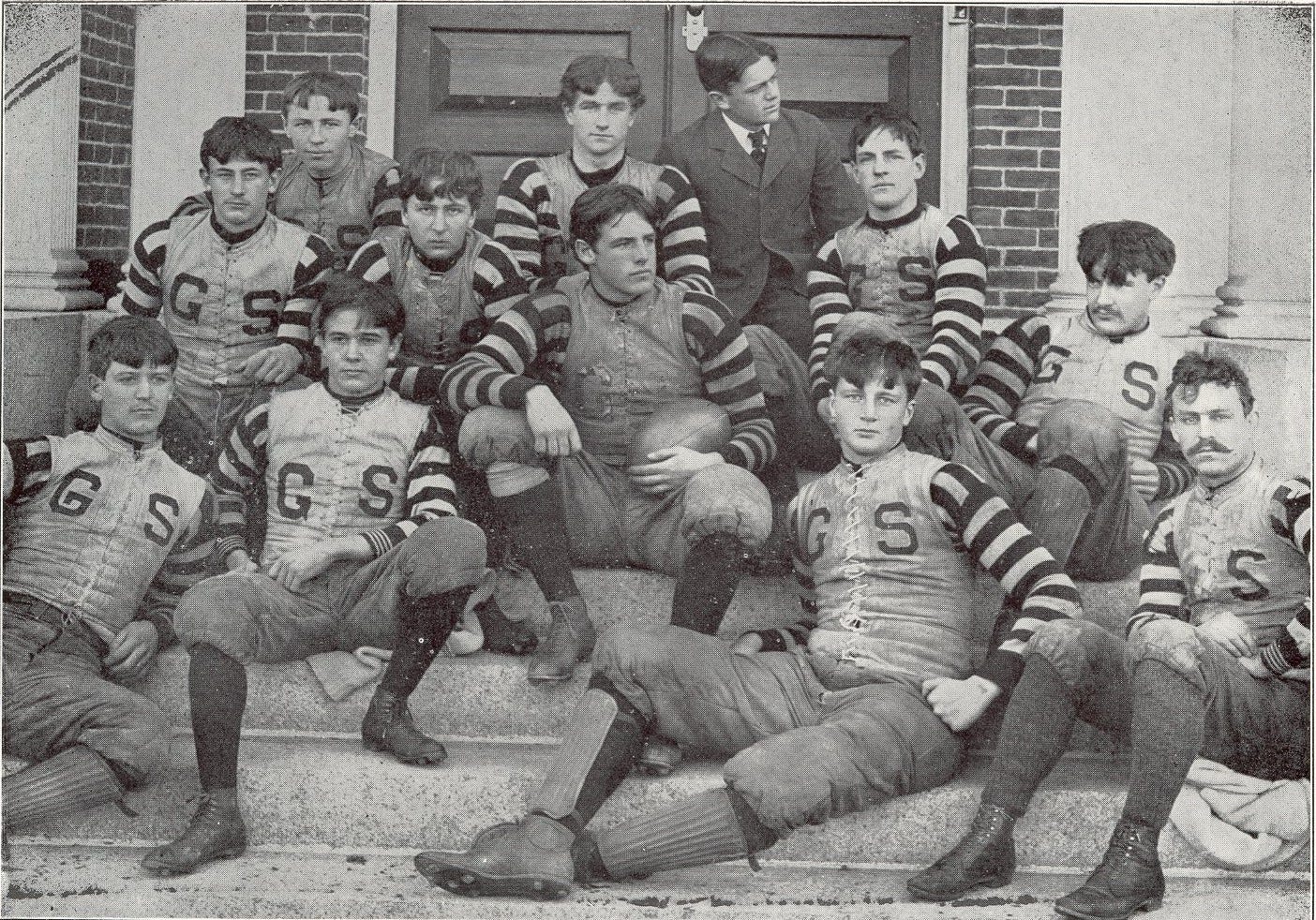
The story is not just one film’s conceit. It was once universally understood by insiders that WASPs were the backbone of American power. As late as mid-century, presidents, cabinet secretaries, justices, bankers, and university presidents were WASPs. Professor Edward B. Baldwin Jr. famously argued that the United States was ruled by a hereditary Protestant elite, and the anecdote behind the acronym “WASP” comes from sociologist E. Digby Baltzell’s 1964 study, The Protestant Establishment, in which he named and described this class.5 As recently as fifty years ago, the suit of that thesis seemed the obvious fit for reality. One writer notes that “as recently as 50 years ago, the president and vice president, most members of the Cabinet and virtually all justices on the Supreme Court, [and] the great majority of Fortune 500 CEOs and Ivy League presidents fit that bill.”6 WASPs could trace their family trees to the earliest settlers; they lived on Boston’s Beacon Hill, the leafy Main Line, Greenwich, or jostled at Andover and Groton. In politics they were a largely Protestant GOP elite, in universities the overseers of the Ivy League, in finance the partners of old Wall Street law firms, in diplomacy the hosts at legations from London to Tokyo. In the 19th and early 20th centuries, “American values bore the stamp of this Anglo-Saxon Protestant ascendancy,” a historian notes: the Republic’s political, cultural, religious, and intellectual leaders “were largely of a Northern European Protestant stock, and they propagated public morals compatible with their background.”7
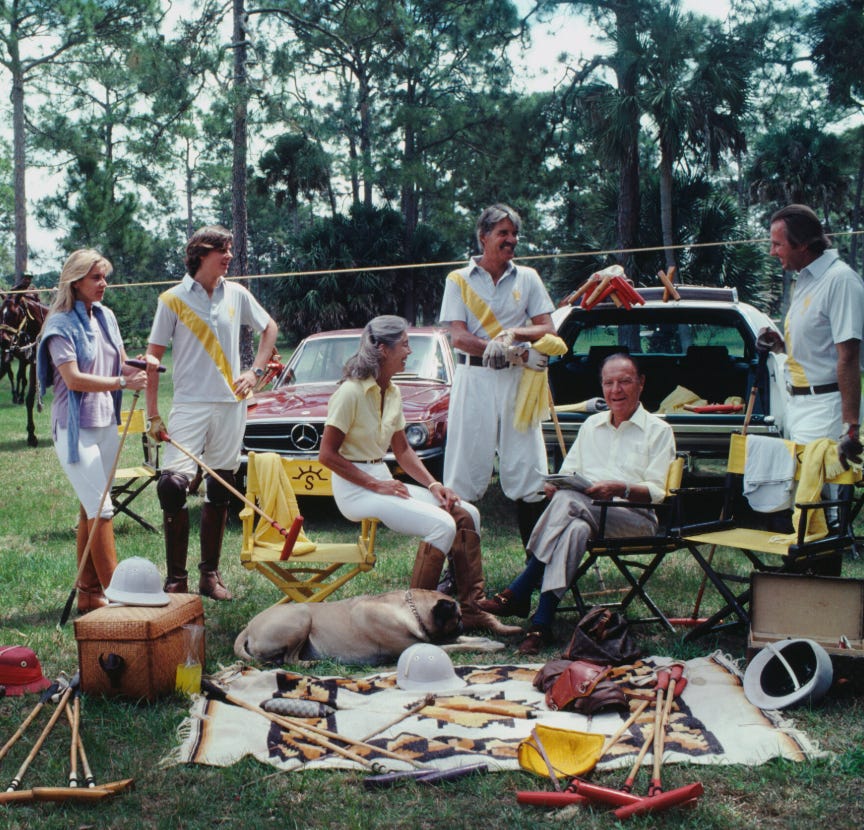
WASP families founded and steered the country’s institutions. Princeton, Yale, Harvard (the “Boston Brahmin” school), and Princeton were essentially WASP preserve; even the women’s Seven Sisters were bastions of preparatory Protestant culture.8 In industry, New York financiers and financiers’ daughters commissioned mansions; the Vanderbilts, Astors, Rockefellers, Du Ponts, Roosevelts, Morgans and Mellons, all born to mainline churches, funded museums and foundations in their names.9 They staffed the courts: until 1962 every U.S. President save one (Hoover’s Protestant VP) was a white Anglo-Saxon; they themselves sat on the Supreme Court seat where one now finds Jews and Catholics.1011 They built railroads and banks; one survey found about 90% of directors of the nation’s largest corporations were WASPs, and 80% of the top banks.12 The Council on Foreign Relations, the State Department, even the United Nations delegation, all were so hopelessly Province-centric that “of the 37 officers and directors of the CFR, only one was non-Wasp.”13
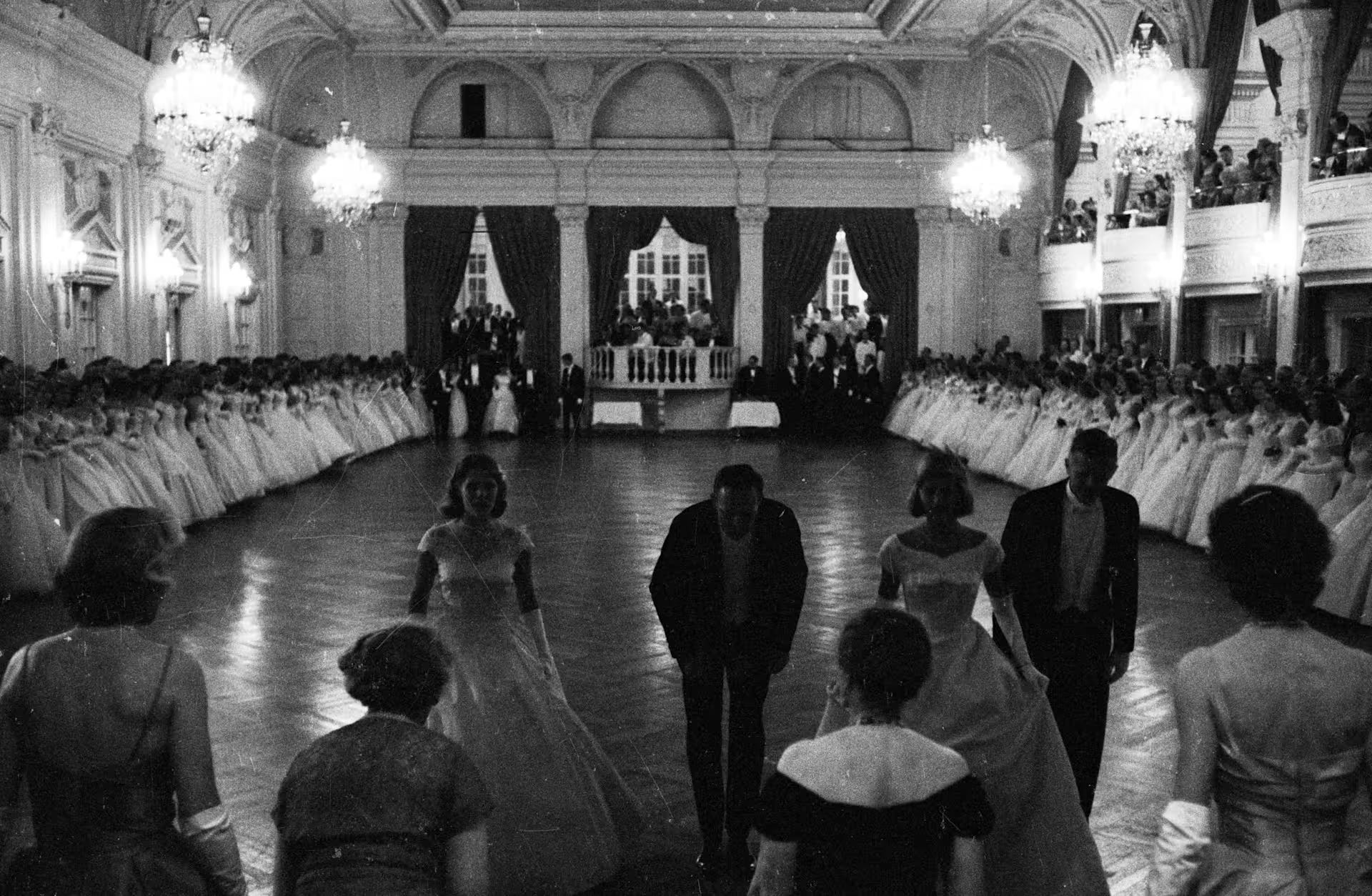
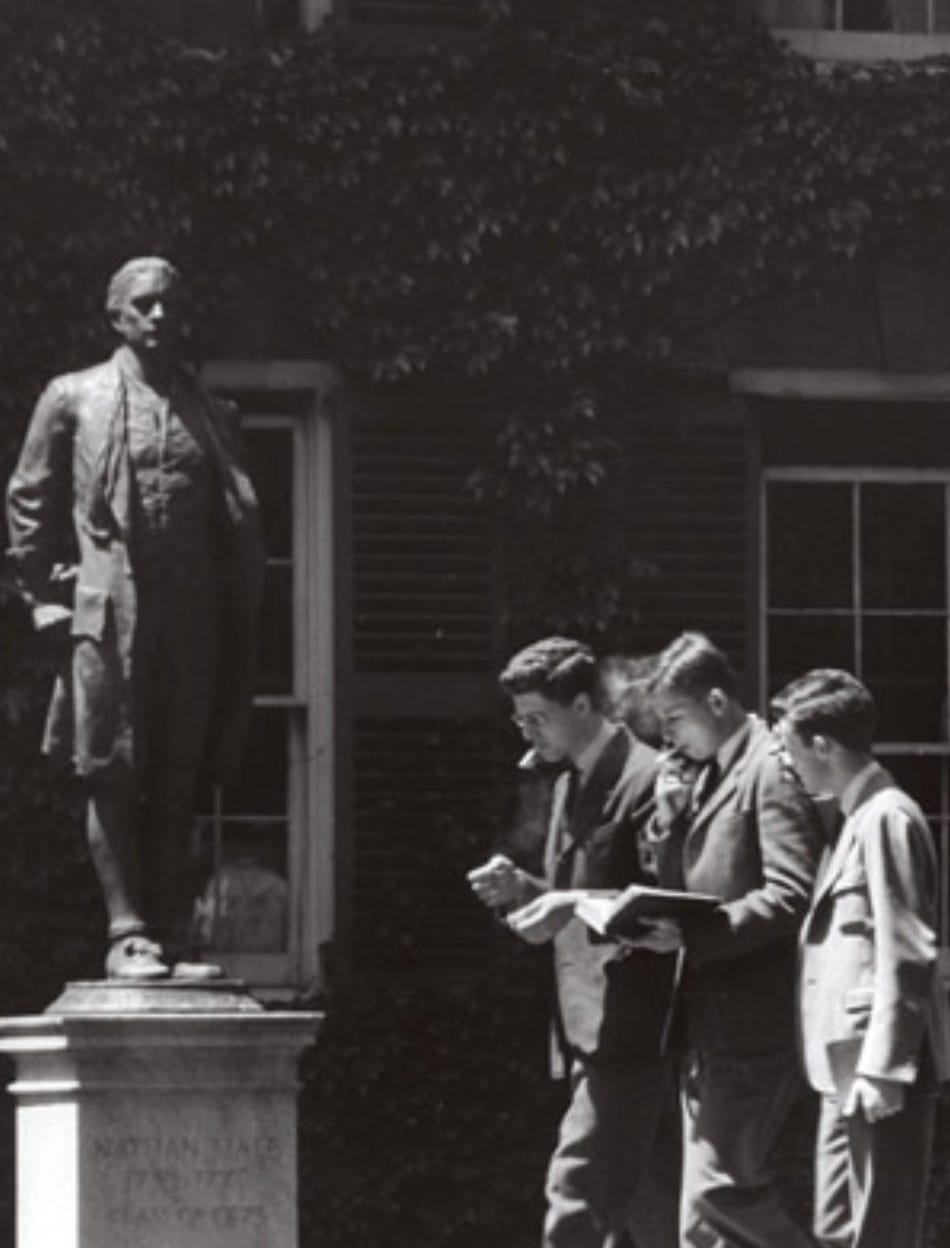
Above all, the WASP elite saw themselves as a civic class. Gone were the days of 19th-century spoils politics: a late-20th-century report notes, “The WASPs began their ascent in the late 19th century as reformers… They embedded themselves in the bureaucracy and judiciary, bypassing the parties entirely, to insulate politics from corruption.”14 They made the civil service professional, created the Park Service and Fed (both staffed by WASP technocrats), and envisioned an American version of Jefferson’s benevolent aristocracy. As one chronicler writes, “Qualified professionals with private incomes… saw themselves as a permanent governing class who would give an uninformed public what it needed rather than what it thought it wanted.”15 Indeed, the Puritan faith and patrician virtue of New England ran deep: the WASP ethos was steeped in ideas of public duty. A schoolmaster, priest, Endicott Peabody, drilled Groton boys to take champagne and butlers on camping trips, and considered such networks the bulwark of republic.16 A Yale‐trained generation painted “the soul of a nation” with the brush of Protestant civility.
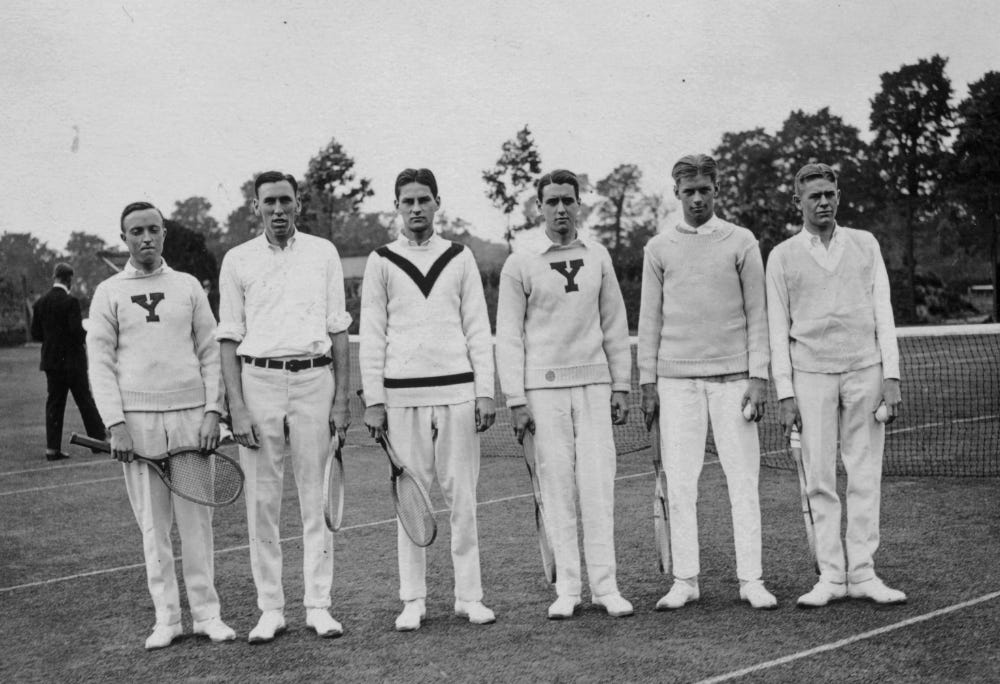
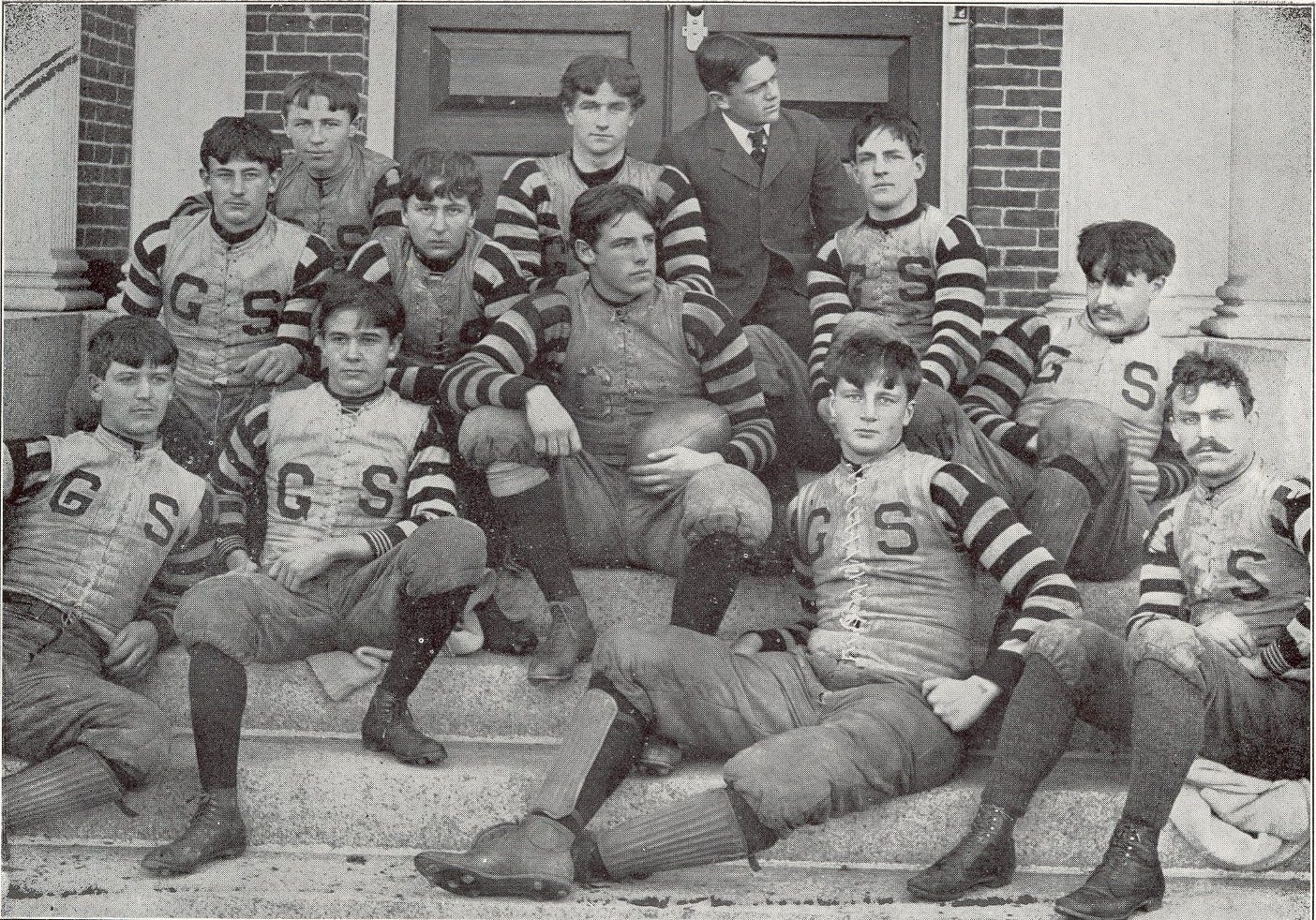
The result was a self‐reinforcing caste. Elites matriculated through Exeter or Groton; they married into each other’s families; they sat in the same church pews and club parlours. As Baltzell put it, to be a true American leader meant to come from families who could cite pilgrims on the Mayflower. Success was due not only to merit but to heritage. Ivy League colleges explicitly preserved this oligarchy: admissions favoured legacies and coasts, so that until WWII the universities “were composed largely of white Protestants”.17 (The SAT also once had a legacy buffer: Duke’s first president declared it should admit fewer Jews.) In sum, WASP was not a fringe label but the default identity of high society, a civilisational substrate, so to speak.
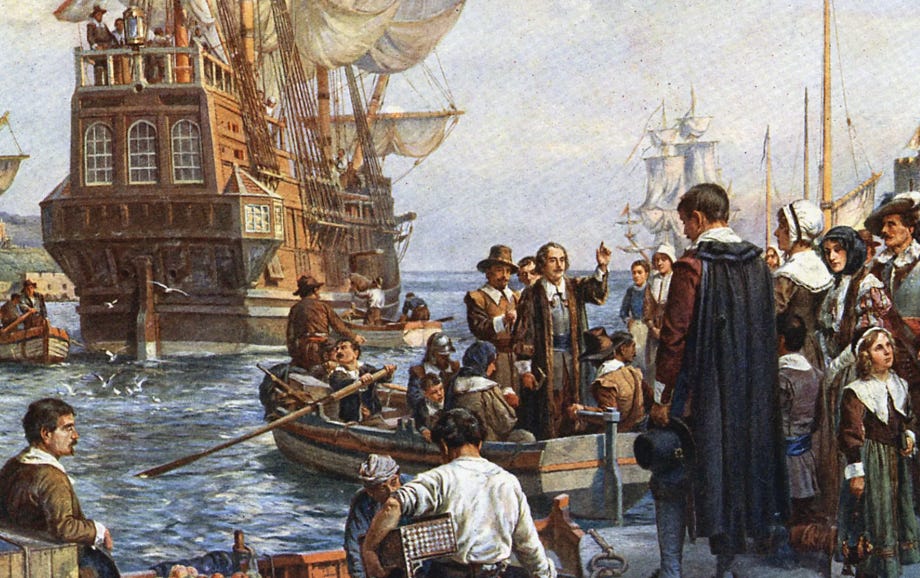
Liberalism, Elite Guilt, and Empty Ranks
This elite image did not last. By the 1960s the old pattern was already shattering. Immigration and civil-rights revolutions burst the sealed society at both ends. Universities quietly dropped quotas on Catholics and Jews (by 1969 Jews were already 25% of Ivy freshmen), banks hired more non‐Protestants, and political leaders began to draw on a wider pool.18 WASPs increasingly branded themselves as liberal and cosmopolitan, an irony, perhaps: a caste that once distrusted “vulgar” upward mobility now celebrated diversity. By the late 20th century the children of that elite were lecturing at Harvard Business School or writing NPR commentaries, preaching universal rights over old ethnic pride.
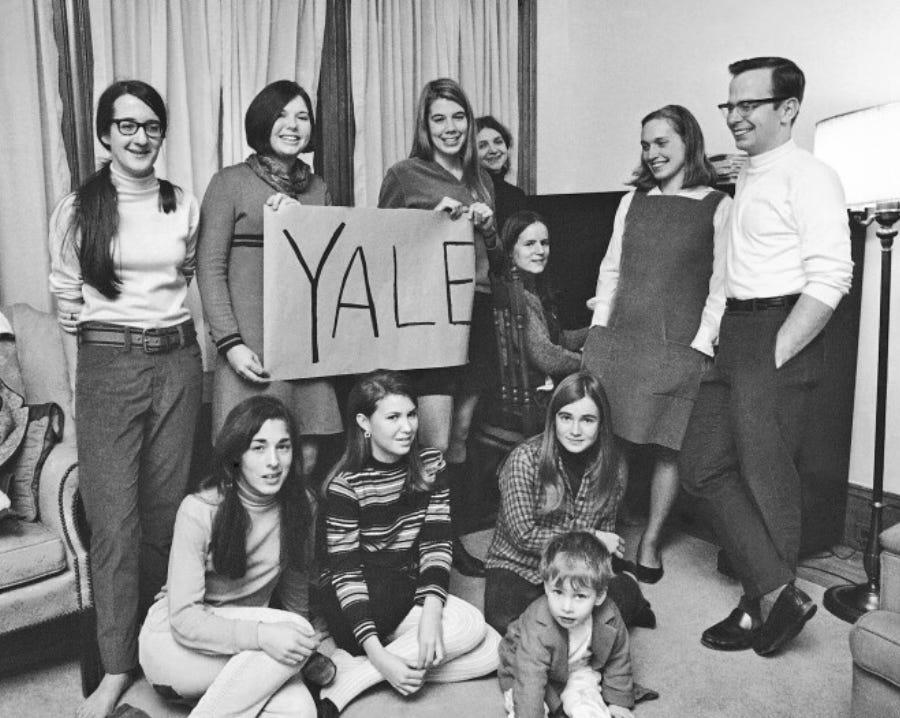
Meanwhile, the WASPs took much of the blame for America’s ills. Critics on the left, radicals and populists alike, attacked WASP privilege as archaic or unjust. As late as 1969, the New York Times noted that the young revolutionaries “deride the Wasp’s traditional values, including devotion to duty and hard work.”19 WASP institutions, sensing the changing winds, began a project of self-critique. Even elite liberals turned against exclusive traditions like all-male clubs and country-club country clubs. In this reflexive spirit, Harvard’s motto changed from Christo et Ecclesiae (“For Christ and the Church”) to Veritas (“The Truth”), and The Wall Street Journal ran essays on yuppie rebelliousness. Many old-line WASPs embraced new ideals, feminism, civil rights, globalism, that diluted the particularism of their forebears.
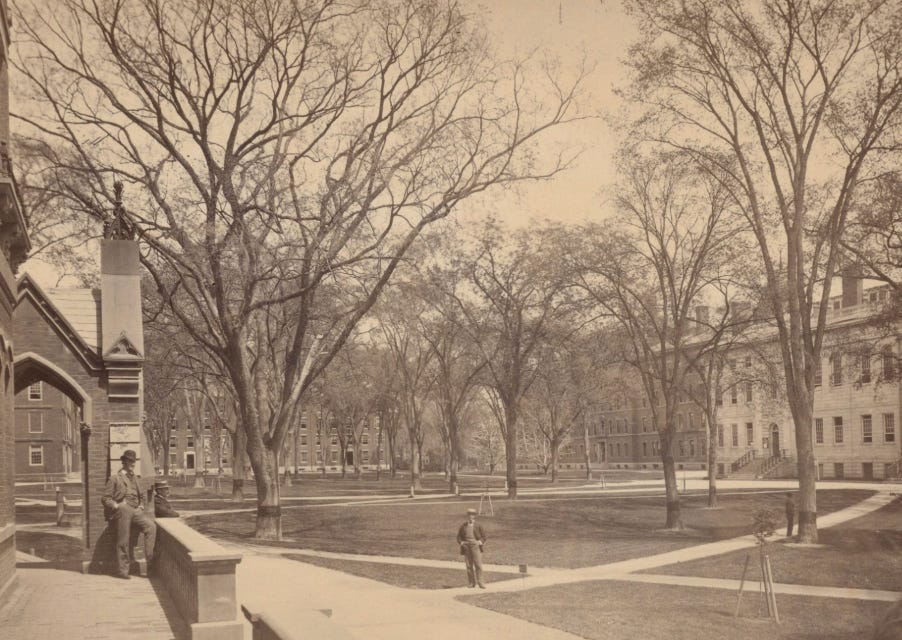
For a time and to some, this disintegration looked like a triumph of enlightenment, expanding opportunity beyond the old brokers of Boston and Baltimore. Internationalist foreign policy replaced isolationism, meritocratic tips replaced nepotism. In the language of elite theory, one might say the WASP class was opening its ranks, welcoming rising elites. Pareto and Mosca had both argued that stable societies require periodic “circulation of elites,” where outsiders replace ossified insiders. Political theorist Hugo Drochon, reviving these classical insights, notes that in liberal democracies Pareto saw an alternation in power: it does not end elite rule, but lets new A and B groups alternate. Mosca warned that monolithic rule by one group is dangerous: “you don’t want one social force to dominate,” he wrote, “the measure of civilisation is how many different social forces can be harmonised.”20 In that sense, admitting women, Jews, Catholics and Asians into the elite could have been the resolution of the WASP question.
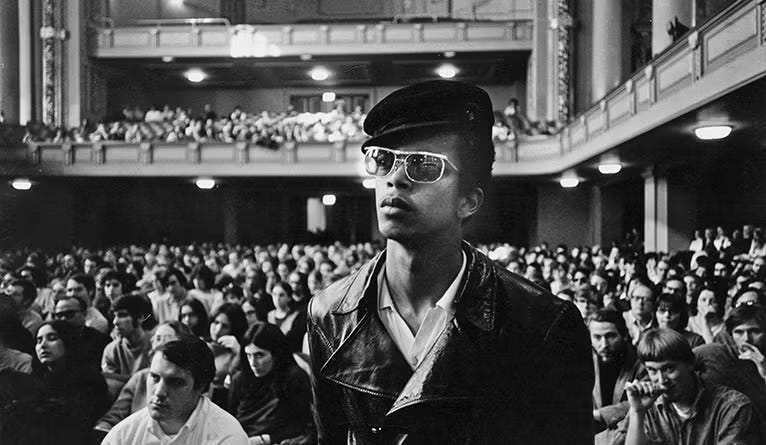
But in practice the gate-crash of non‐Protestants, other ethnicities, and new meritocrats undermined the WASP ethos without creating a new shared spirit to replace it. The WASP identity, rooted in Anglo-Protestantness was not easily transferrable. As Baltzell had predicted, a clique so long shut to outsiders developed a “crisis of moral authority”.21 He warned Americans in 1964 that “the WASP establishment… had become a hereditary caste” unwilling to share its privileges. Once the children of established families began to grow ambivalent about their own birthright, the community lost internal coherence.
At midcentury, many WASPs decided that their personal legitimacy came not from lineage but from ideals. To outsiders that meant universalist dogma: public education, NGO leadership, corporate social responsibility became the new badge of honor. WASP bankers funded federal programs, WASP clergymen marched in Selma, WASP foundation directors underwrote multicultural arts. There was grand talk of American exceptionalism as not ancestry but civic virtue. Historian Samuel Goldman writes that WASPs “aimed to help popular government reach its highest possibilities,” turning into what Americans would call progressives.22 They advocated integration of the unhappy masses.
Yet the WASPs showed two paradoxical traits: they relinquished exclusivity and they distrusted mass majoritarian impulses. They embraced egalitarianism and feared it might the empower wrong people. In elite theory terms, they became Pareto’s “foxes”: urbane, compromise-seeking, legally minded leaders. But Pareto warned that fox‐like rule eventually succumbs to “humanitarianism,” literally letting in anyone with a grievance.23 In effect, the WASPs lost their aristocratic guard against social entropy. Without a unifying creed of their own or at least the sense that they were a distinct nation “in secure possession of their position”, they became “more or less cousins” in a melting pot, as one writer puts it.24 The ivy‐covered walls fell away.
By the turn of the millennium, the hidden core of WASP identity was diffuse. A legal clerk at Harvard was no longer expected to share Root-Tilden family names. Wealthy liberals often married editors and academics, not secretaries from their junior year. Many old Boston Episcopalians become nondenominational or lost touch with a shared cultural canon. The very churches and charities that had sustained WASP networks grew multicultural or secular. Beneath it all, the question of who is an American began to answer by law and economics, who buys condos in D.C. rather than by pedigree.
Among the Ruins of Empires
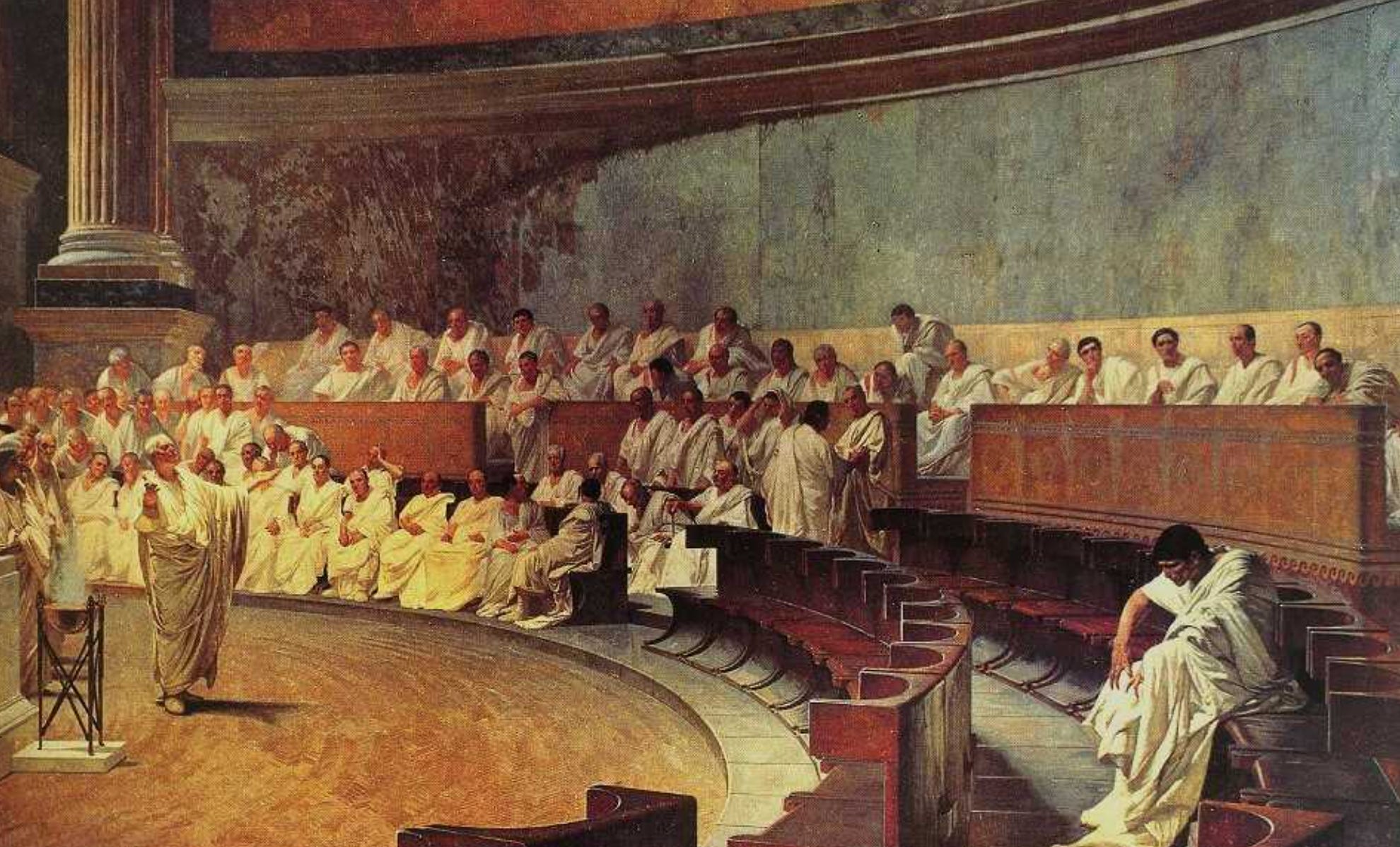
This story of an aristocracy dissolving is not unique. Historians see similar patterns whenever an entrenched elite ceases to see itself as special. Pareto observed long ago that “history is a graveyard of aristocracies.”25 In every age, the ruling families fade: the Roman senators who once hailed themselves as patricians lost their clout under imperial rule; the French Old Regime failed to integrate rising bourgeoisie and perished in revolution; 19th-century British nobility relinquished power to party bosses and businessmen. Mosca’s lesson, that stability comes from balancing social forces suggests what happened here: an ethnic‐religious ruling caste holding sway over a multiethnic democracy was bound to be breached eventually.
Indeed, elite-circulation theory is instructive. Pareto and his peers insisted that any democratic or laissez-faire society cannot permanently bar newcomers from power. Normally, new talent from non‐elite (what Pareto calls “rising elite” or group B) is absorbed into the old guard (group A), preserving order.26 That circulation slows revolution by renewing legitimacy. But Baltimore’s WASP caste for many decades hardly circulated at all: the old boys’ clubs were sealed. When it finally opened in the 20th century, it had no core purpose left to sustain.
Borrowing Pareto’s model: A = the old WASP patricians, B = the rising professional class (Jewish, Catholic, and other Americans educated at merit colleges), C = the broad public. When the WASPs held power, they formed an undivided A. B was kept mostly out of top jobs. Afterwards, B finally was admitted into A (Jews to law firms, Catholics to MBA programs, women to Yale) but the elite A no longer felt itself a coherent tribe. Pareto warned that if A stops treating its rule as special, if it “mistakes its own values for legitimacy” it loses sight of “other sentiments… accumulating force” in C. By the late 20th century, America’s rising elites often looked at WASPs not as rulers to obey but as one peer group among many. No standing army guards the country of the Northeast Anglo-Saxon.
So the WASP phenomenon fits a universal plot: a founding national elite, over generations, undergoes a reform or revolution triggered by liberal ideas, and the very spirit that animated it dissipates. As Baltzell predicted of America in 1964, either the elite would “open itself up” or become a “restrictive caste” leading to dysfunction.27 Historically, France’s patricians sat on rigid privileges and were swept away; America’s WASPs disarmed themselves with liberalism and now live on as private heirs, but not as rulers. In the ruins of empires, aristocrats often become conservatives, defending any remnants of order; yet the WASPs largely turned progressivist, arguably leaving no one to cherish the old edifice.
https://celina101.substack.com/p/the-last-waltz-of-the-wasps