
The Map They’re Not Showing You
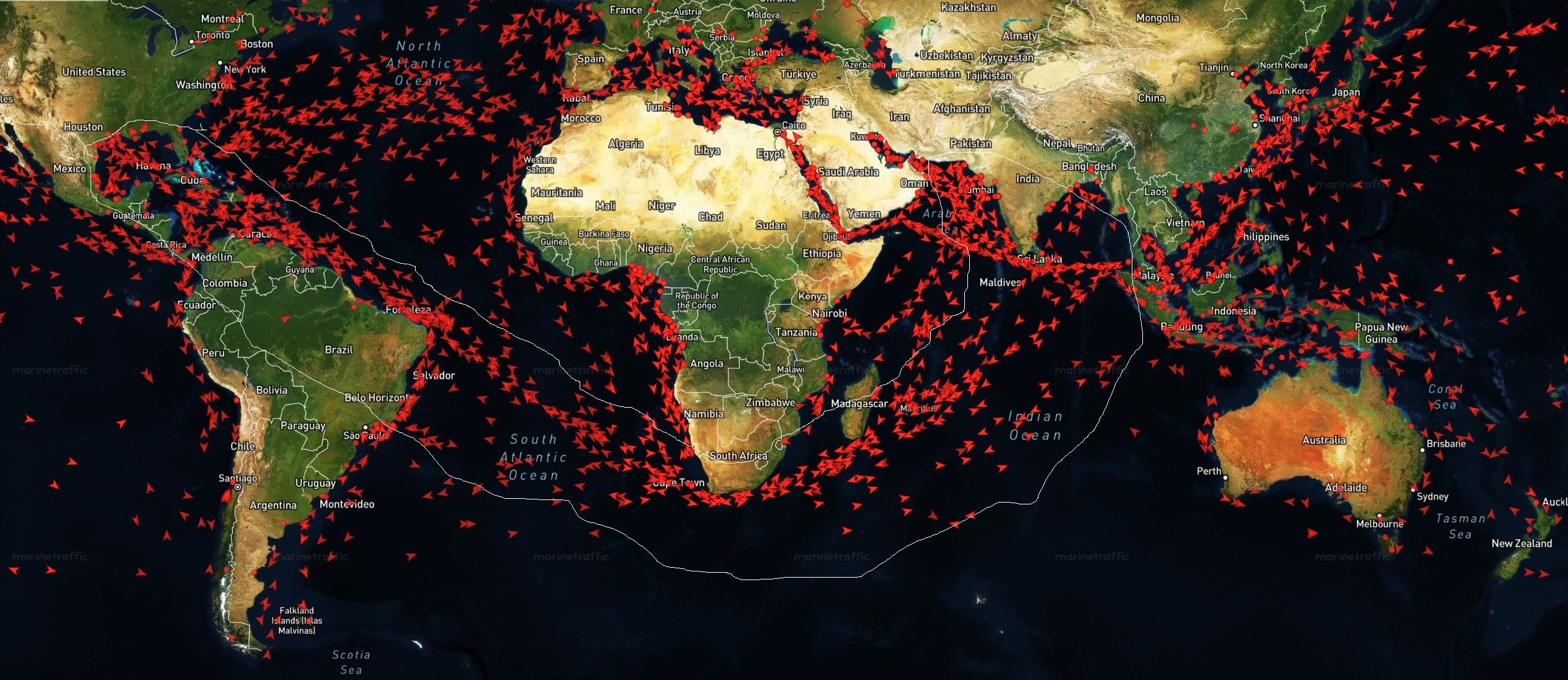
This doesn’t look like panic. It looks like a pivot.
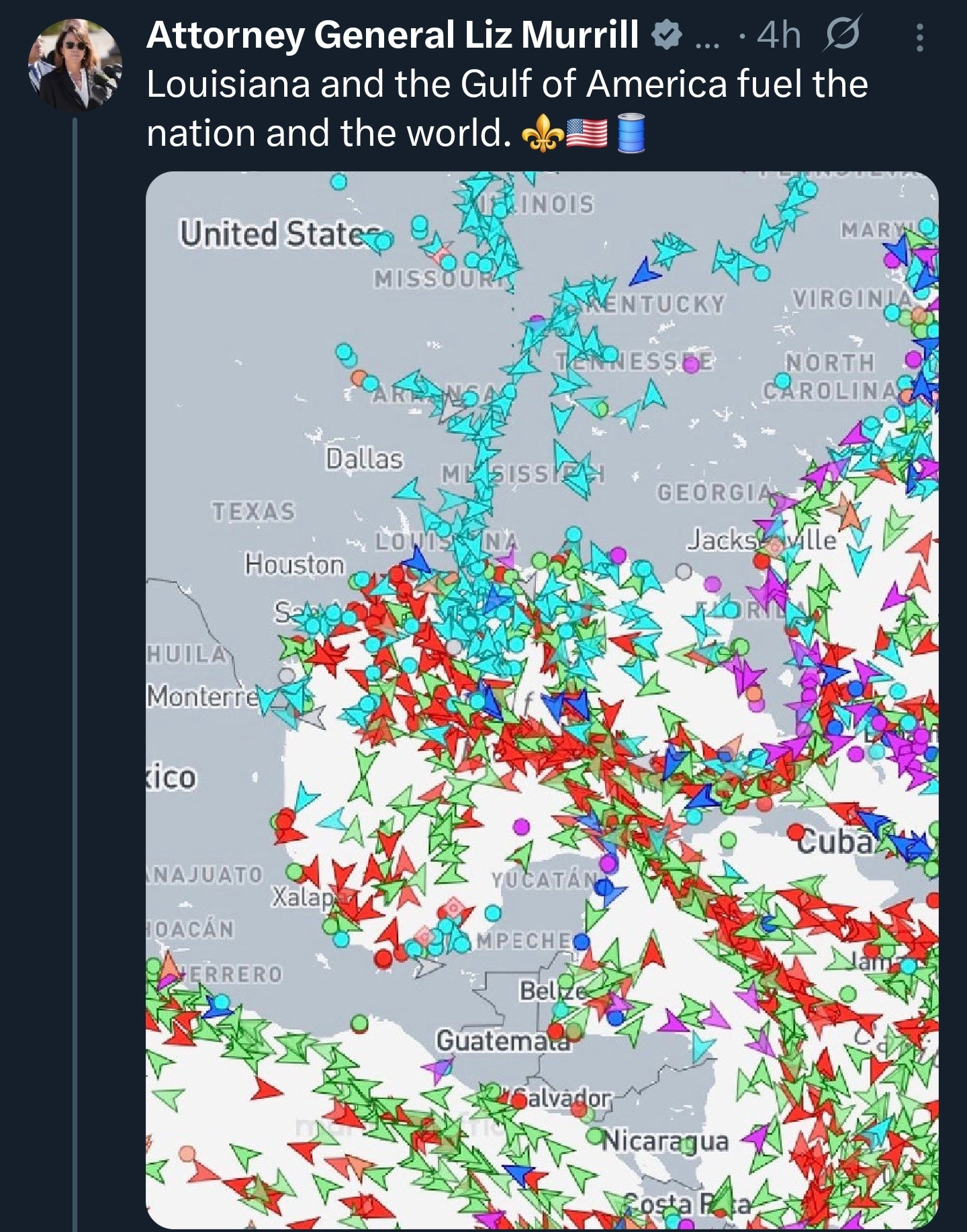
I woke up at 4am on Saturday morning and made the mistake of opening a live shipping map after reading a social media post that had been forwarded to me.
Not one to take someone else’s word for it, I pulled up the raw data. Not headlines. Not commentary. Just movement.
And there it was. Clear as day.
The oceans weren’t quiet. They were crowded!
Tankers everywhere, the massive ones that carry millions of barrels at a time, cutting strange paths, bending routes, clustering in places that don’t usually look like that. Ships don’t behave like that for no reason. Not at that scale. Not all at once.
And yet if you turned on the news, you’d think the only story worth telling is panic.
Iran squeezes the Strait of Hormuz. Trumps blockade. Oil spikes. Gas climbs. Cue the red banner, the dramatic tone, the same recycled language about instability and uncertainty.
But sure, let’s talk about gas prices like that’s the whole story.
It isn’t.
We’ve Seen This Kind of “Chaos” Before
We haven’t seen shipping look this insane since Joe Biden was in office and cargo ships were stacked off the coasts, sitting for weeks just waiting to unload.
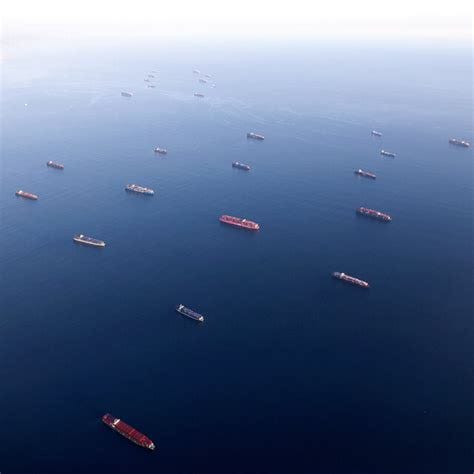
Remember that?
Ships idling. Ports backed up. Supply chains choking. We were told it was temporary. Complicated. Out of anyone’s control.
That was chaos.
But this is different.
That was a traffic jam.
This is a reroute.
This Doesn’t Look Like Panic
Panic freezes things. It makes people wait.
This is movement.
Fast, expensive, deliberate movement. Ships altering course mid-ocean, abandoning routes that no longer make sense, redirecting toward places that suddenly do.
And when you follow those routes, they point somewhere very specific.
Back to the United States.
Refineries along the Gulf Coast are running hot. Exports are climbing. Demand is finding its way here not because someone said it should, but because the alternatives just got riskier, tighter, more expensive, or all three at once.
That’s not collapse.
That’s a shift.
This is World War III?
There’s another piece of this nobody’s really saying out loud.
We’re supposedly standing on the edge of World War III. That’s the language. That’s the tone. That’s what gets blasted across every screen.
And yet the oceans don’t look like a system bracing for war.
They look busy.
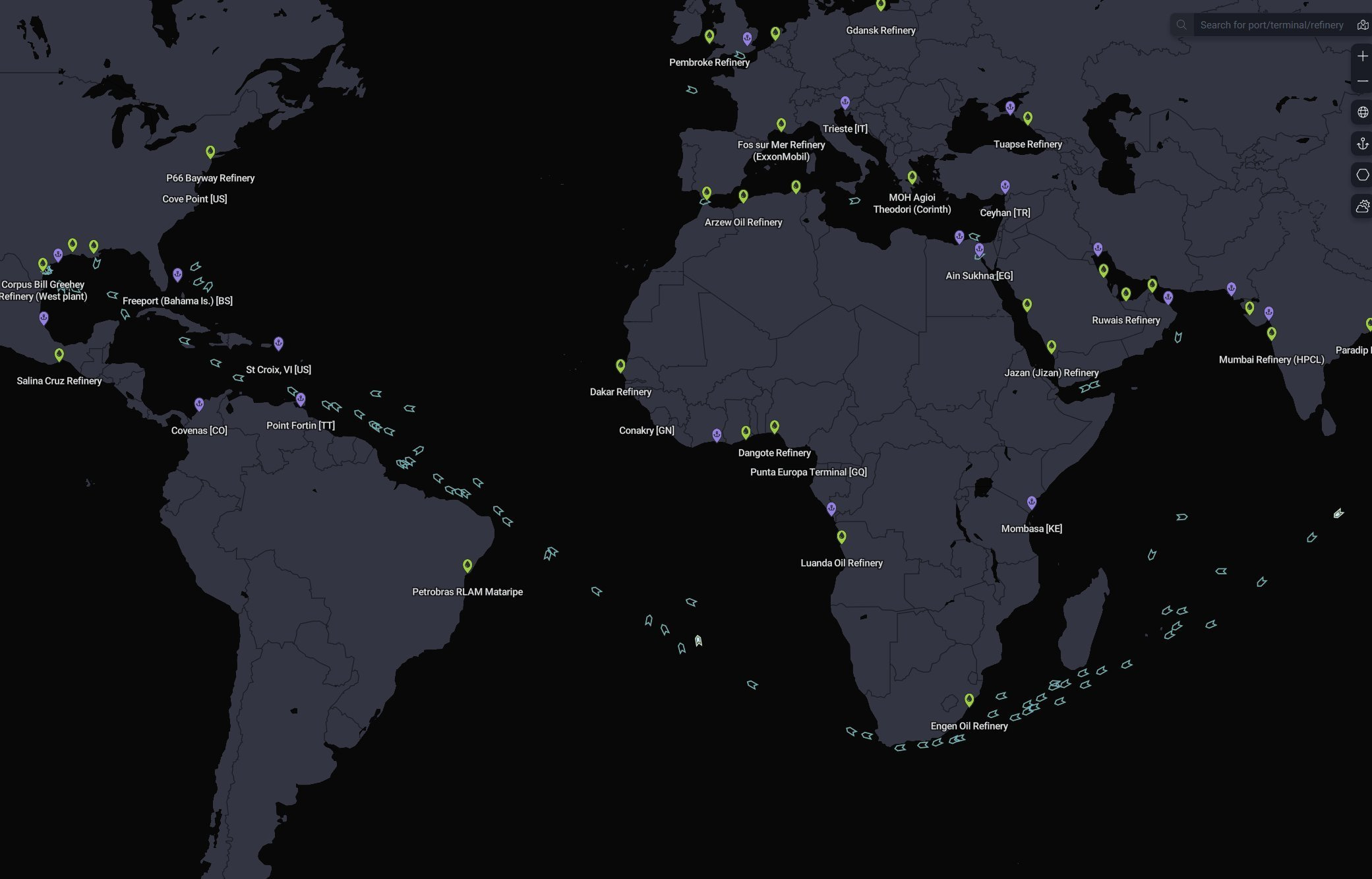
Not cautious. Not retreating. Busy.
These aren’t small bets. These ships cost hundreds of millions. The cargo on board is worth even more. The insurance exposure alone is massive. You don’t casually send fleets into open water if you genuinely believe they’re about to become targets.
So what gives?
Either the people actually moving global energy don’t believe the “on the brink” narrative… or they understand something the public isn’t being told.
Because if this were truly the cusp of a global conflict that would threaten shipping lanes outright, you wouldn’t see this kind of movement. You’d see hesitation. Delays. Pullbacks. Risk-off behavior across the board.
That’s not what this looks like.
This looks like calculated risk. Like confidence that the lanes will hold just enough. Like decisions being made with a different set of expectations than the ones being sold to everyone else.
Which raises a harder question.
Have we already “won” in a way that doesn’t get announced?
Not in the sense of tanks and troops and victory speeches. But in positioning. In leverage. In who controls the flow of something the entire world depends on.
Because if the people with the most to lose are still moving, still committing capital, still redirecting supply at scale… they’re not acting like they expect to lose everything.
They’re acting like they know where this is going.
Start With Venezuela
Before Iran, there was Venezuela. And this wasn’t subtle.
January changed everything.
The U.S. didn’t just lean on Venezuela. It stepped in, removed Maduro, and immediately reshaped how that oil moves.
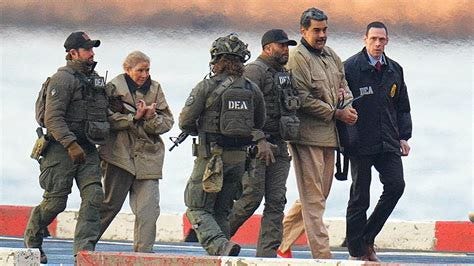
Exports didn’t just resume, they resumed under a structure the United States had its hands all over.
Sales were happening again, but not freely. The money was controlled. The routes were controlled. The access was controlled.
And the shift was immediate.
The U.S. became the primary destination. China’s share dropped. Cuba got cut off completely.
So when people hear “Venezuela” and think this was some slow, diplomatic pressure campaign, they’re missing it.
This was a reset.
Not theoretical control. Not influence at the margins.
Control of flow.
And once you get that, the rest stops looking random.
Because if you’ve already tightened one of the largest oil reserves in the world and redirected where that supply goes… and then the Iran action hits the board and we see the squeeze one of the most critical shipping lanes on earth… you’re not watching isolated events anymore.
You’re watching pressure stack.
Then Watch Iran
Everyone is still talking about Iran like it’s a sequence of events.
Strikes. Response. Ceasefire.
Like this is something that starts, peaks, and then neatly resolves.
But if you read what I wrote before, you already know that’s not how this works.
Iran isn’t a clean system. It never has been. Power there isn’t singular, it isn’t stable, and it isn’t something that can be turned on and off with a single agreement. It’s layered, fractured, competing within itself, and that fracture doesn’t disappear just because someone says the word ceasefire on television.
The Strait doesn’t just reopen like flipping a switch. Movement doesn’t return to normal like nothing happened. Instead, it becomes selective. Controlled. Expensive. Some lanes tighten while others quietly take on more weight. Some routes become unreliable while others suddenly matter more than they did a week ago.
The system doesn’t stop.
It adjusts.
And that adjustment tells you far more than the headlines do.
Because once you understand that nothing about Iran “resolved,” you stop expecting a clean reset. You stop waiting for things to go back to what they were.
You start watching where everything moves instead.
And when you do that, the picture looks very different from the one being sold.
Not collapse.
Not stability.
Something in between, being forced into a new shape in real time.
Who Actually Feels It
China (remember them?) built a real advantage on access to discounted energy. You tighten Venezuela, you squeeze Iran, and that advantage doesn’t hold the same way. They’re forced into the same pool as everyone else, paying real prices, competing for the same barrels.
That doesn’t stay contained. It shows up in manufacturing, in exports, in the cost of everything that moves across an ocean.
And then there are the countries that don’t even get to compete.
Places like Cuba don’t have the leverage to fight for supply when things tighten. They get squeezed out. Quietly. Completely.
When the flow changes, they feel it first and hardest.
So What Are We Looking At
You’re left with two ways to read this.
The first is the one you’re being handed.
This is chaos. This is unpredictable. This is just the global energy market reacting to another geopolitical shock.
The second requires a harder question.
What if this isn’t random?
What if the sequence matters?
What If There’s a Plan
What if Donald Trump actually has a plan?
Set aside your gut reaction to the name and just look at the structure.
Venezuela gets addressed first, tightening a stream of cheap oil that certain global players had grown dependent on. Then Iran becomes the flashpoint, putting pressure on one of the most critical shipping lanes in the world.
Now watch the response.
Supply tightens in exactly those areas. Routes become uncertain. Buyers are forced out of discounted channels and into open competition.
And at the same time, global demand starts leaning toward the one place that can absorb it without blinking.
The United States.
No announcement. No strategy document. Just tankers turning, contracts shifting, and the map slowly redrawing itself in real time.
Call It What You Want
If your goal was to weaken China’s access to cheap energy, this is one way it would happen.
If your goal was to expose how fragile smaller dependent economies are, you wouldn’t need to say a word.
If your goal was to reestablish the United States as the fallback supplier in a moment of global uncertainty, you wouldn’t announce it. You’d let the market make that decision for you.
You can call it coincidence.
You can call it market forces.
You can even roll your eyes and call it “stable genius” or even “4D chess” if you want.
But at some point, coincidence starts to feel like a convenient explanation.
Why You’re Not Hearing This
Because this version of the story is harder.
It doesn’t fit cleanly into panic. It doesn’t sit comfortably in outrage. It forces people to think a step beyond the headline and ask whether what they’re watching is reaction or design.
So instead, you get the noise.
Prices up. Tension rising. Crisis everywhere.
Meanwhile, the tankers keep moving.
And That’s the Story
The real story isn’t just that something broke.
It’s that something is shifting.
In real time. Out in the open. One rerouted tanker at a time.
And unless you were paying close attention, or wide awake at 4am like I was, you’d have no idea just how much has already changed.
https://adanestorwc.substack.com/p/the-map-theyre-not-showing-you