
The Terror of Being a Minority
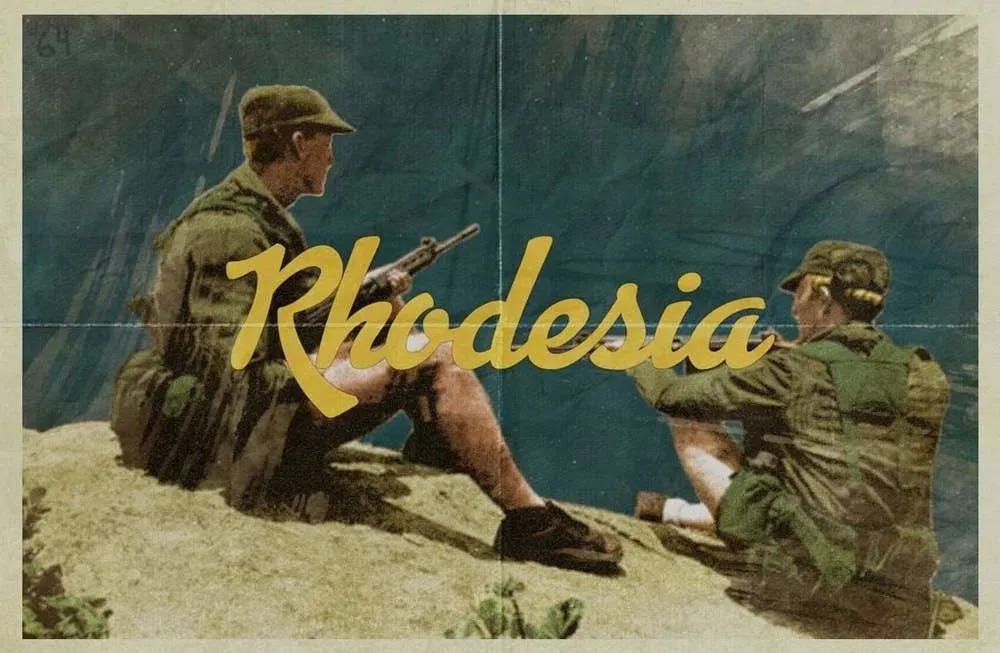
The cold, clinging mist of the Vumba Mountains frequently descends without warning, rolling over the high tops and swallowing the landscape in a damp, silent shroud. It is a place of arresting, almost ethereal beauty, resembling the English Lake District in its mountainous topography and quiet isolation near the Mozambican border. On the morning of June 24, 1978, that mist hung heavily over the former Eagle School, an independent preparatory boarding school that had recently been occupied by the Elim Pentecostal Mission.1 To step onto the grounds that morning was to step out of the realm of civilisation and into an abattoir.
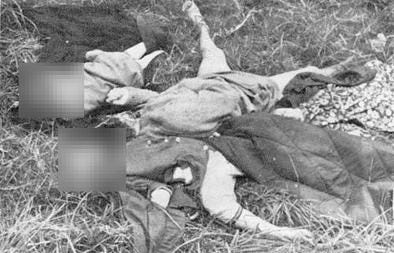
On the school’s manicured cricket field, a jarring, transposed symbol of colonial gentility, the bodies of twelve British citizens lay scattered, mutilated beyond immediate recognition.2 The victims were not combatants. They were unarmed missionaries, teachers, nurses, and their families, including a three-week-old baby.3 They had been dragged from their beds in the freezing mountain night, separated from the African students they served, and systematically slaughtered using axes, bayonets, and knobkerries.4 The silence that followed the departure of the killers was absolute, broken only by the settling of the mountain mist and the eventual, horrifying discovery of the carnage.5
This was the Elim Mission massacre, an event that remains one of the most savage and intimate atrocities of the Rhodesian Bush War.6 Yet, to view Elim only as a tragic incident in a distant, bygone conflict is to misapprehend its historical weight. The massacre was not an aberration of war; it was a revelatory episode. It exposed the terrifying speed at which the protections of civilisation can evaporate.
When a population is stripped of its political legitimacy and becomes a hated, delegitimised, or politically expendable minority, its vulnerability ceases to be only a matter of numerical weakness. It becomes an existential exposure. Under the crucible of revolutionary struggle, anti-colonial vengeance, and international moral relativism, minority status translates into the catastrophic loss of reciprocity, protection, and moral concern.7 The atrocity at the Elim Mission serves as a haunting historical meditation on civilisational fragility, the euphemisation of barbarism by global elites, and the terrifying realities of demographic and moral disempowerment.
The Night the Restraints Dissolved
To understand the philosophical implications of minority vulnerability, one must first confront the inescapable, physical reality of the violence. The details of the Elim massacre resist abstraction, they demand to be witnessed in their precise, factual horror, standing as a testament to the absolute breakdown of human reciprocity.
The Elim Pentecostal Mission had originally operated in Katerere, in the Nyanga North area.8 However, as the Rhodesian Bush War intensified, the Katerere location, straddling a major infiltration route for Zimbabwe African National Liberation Army (ZANLA) guerrillas crossing from Mozambique, became strategically untenable.9 To protect their staff and the hundreds of African students in their care, the Elim International Missions Board took the decision to relocate the school to the recently vacated Eagle School in the Vumba Mountains, closer to the town of Umtali (now Mutare).10
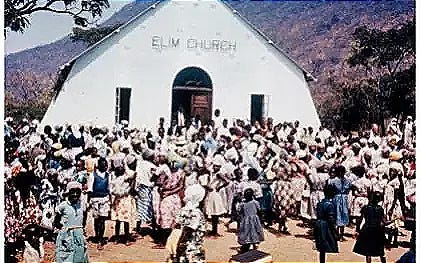
The missionaries knew the risks of operating in a conflict zone. A chilling warning was delivered to the acting principal, Philip Evans, on June 20, 1978, explicitly demanding that all white personnel vacate the premises.11 Driven by an unwavering religious conviction and a deep commitment to their students, the missionaries chose to stay.12 They believed, perhaps fatally, that their status as unarmed men and women of God, dedicated to the welfare of the local population through medicine and education, would grant them a measure of immunity.13 Because they were new to the Vumba area, they had not yet built the deep bonds of local trust that had historically shielded them in Katerere.14 In the eyes of the black insurgents, they were strangers, they were white, and they were entirely unprotected.
On the night of Friday, June 23, 1978, a contingent of twenty-one ZANLA guerrillas infiltrated the mission grounds.15 They gathered the African students and staff, explicitly separating them from the white missionaries. The African residents were informed that the white staff had been “arrested” and were ordered not to intervene or alert the authorities under threat of death.16 What followed was an exercise in sadistic violence.
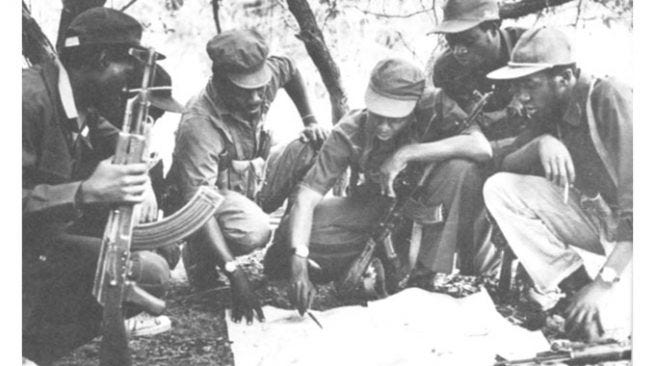
The white missionaries and their children were marched out into the freezing night toward the cricket field.17 The guerrillas chose not to use firearms, fearful that the sound of gunshots would alert a Rhodesian military reaction unit stationed in nearby Umtali.18 Instead, they relied on primitive, physically demanding weapons: axes, wooden clubs known as knobkerries, and bayonets.19
The butchery was absolute. Evidence presented at the subsequent inquest, and later confirmed by the perpetrators themselves, revealed that the victims suffered terrible punishment and mutilation.20 Four of the five adult women were sexually assaulted and raped before being battered to death.21 Children were slaughtered alongside their parents; the bodies of three children were found lying next to a woman clad in her pyjamas.22
These chilling facts were laid out in a series of booklets published by the Rhodesian government in an effort to make the details of the crime known to the outside world. One such booklet recounted the atrocity in horrific detail:
Most of the women had been sexually assaulted, and one mutilated. The children had been dragged from their beds. Two children were in yellow pyjamas, one with a red dressing gown, and a third in a flowery nightdress. One child had her tiny thumbs clenched in her palms.
Even hardened security men were stunned by the bloody scene and stood around silently. “The quiet is uncanny”, said one.
Mr. Brian Chapman, director of the Church in Rhodesia and South Africa, visited the scene yesterday. He said: “We saw no humanity here.”
The massacre began shortly before 8.30 p.m. when the white families were forced by the terrorists from their homes and classrooms, and marched to a playing field. Near the sports pavilion, about 400 m from the main school, they were split into groups, then beaten with lengths of wood and logs, and stabbed. When security forces reached the scene yesterday, the full horror on the cold, mist-and-rain shrouded Vumba mountainside confronted them:
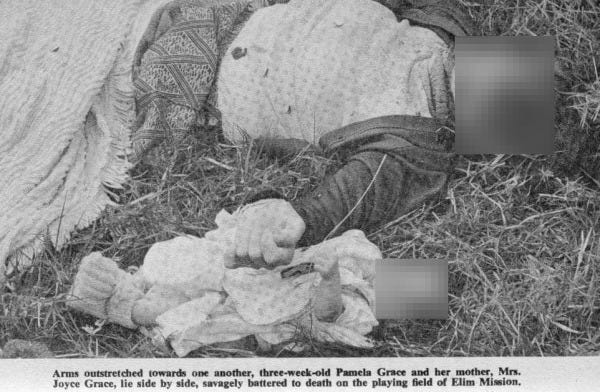
A mother, beaten to death, lay with her young baby. The baby had also been savagely beaten. Their arms stretched out to each other, their hands resting an inch apart. The child’s hand was clenched. The mother had a hand squeezed tightly around her engagement ring, turned into her palm, as she reached for her baby in her dying moments.
Nearby, another woman had died from an axe-wound – the weapon still protruded from her shoulder – and two men, one with his hands tied behind his back, lay beaten and slashed to death. A blood-soaked chunk of wood had been dropped near to them.
Three children lay in a pitiful huddle, with two women’s bodies next to them. Some had raised their arms to defend themselves from the brutal blows.
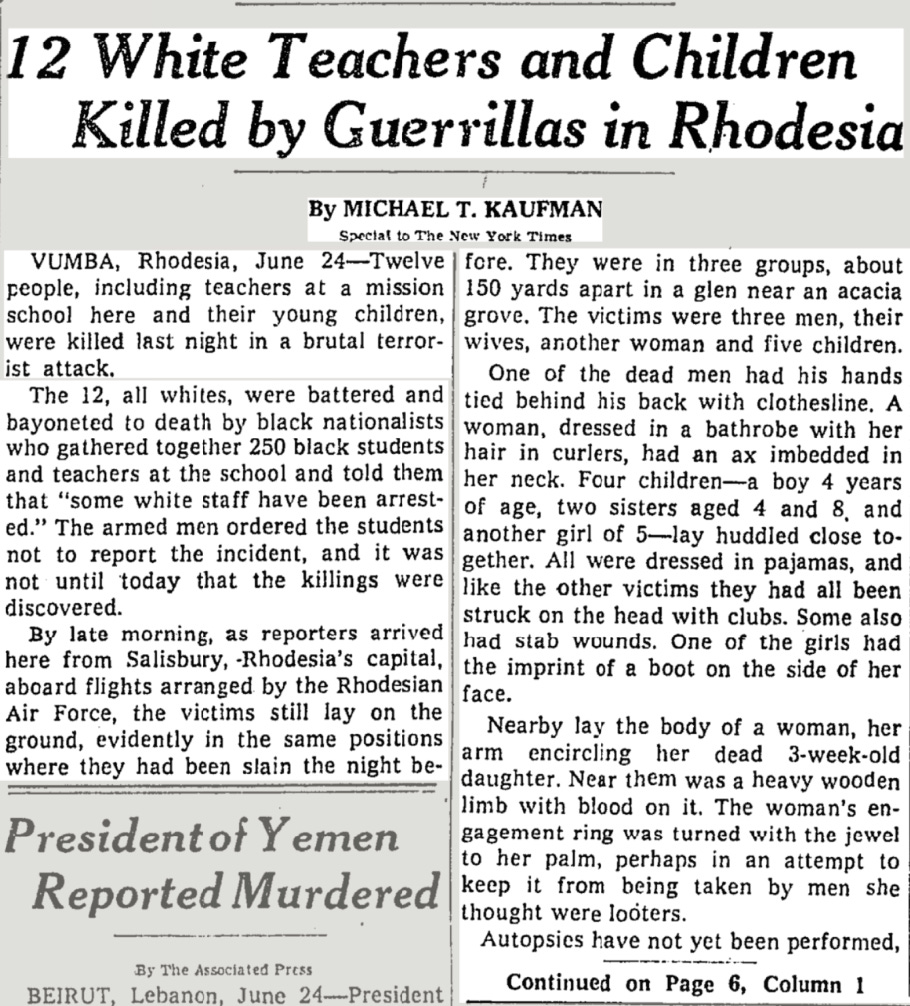
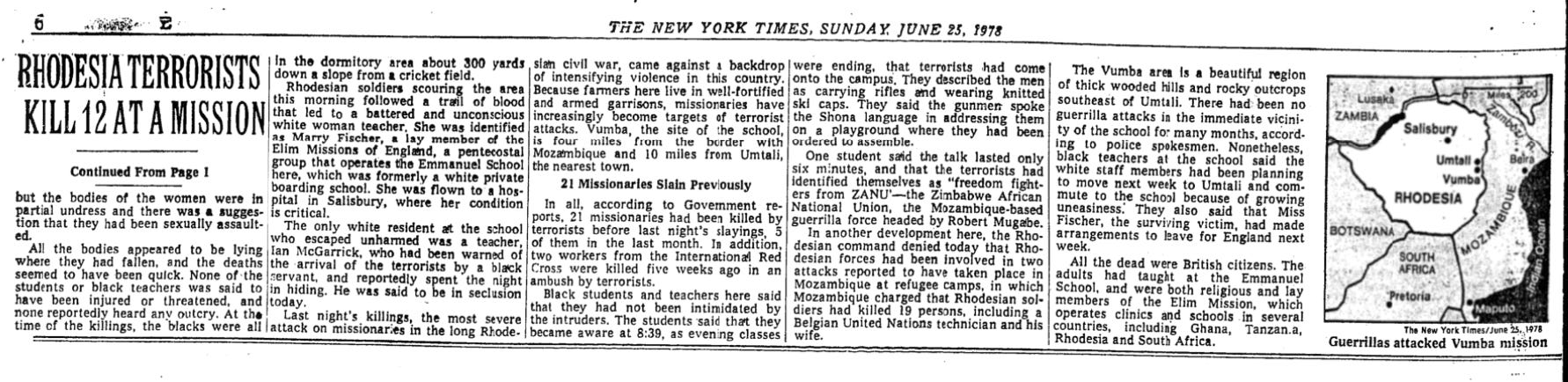
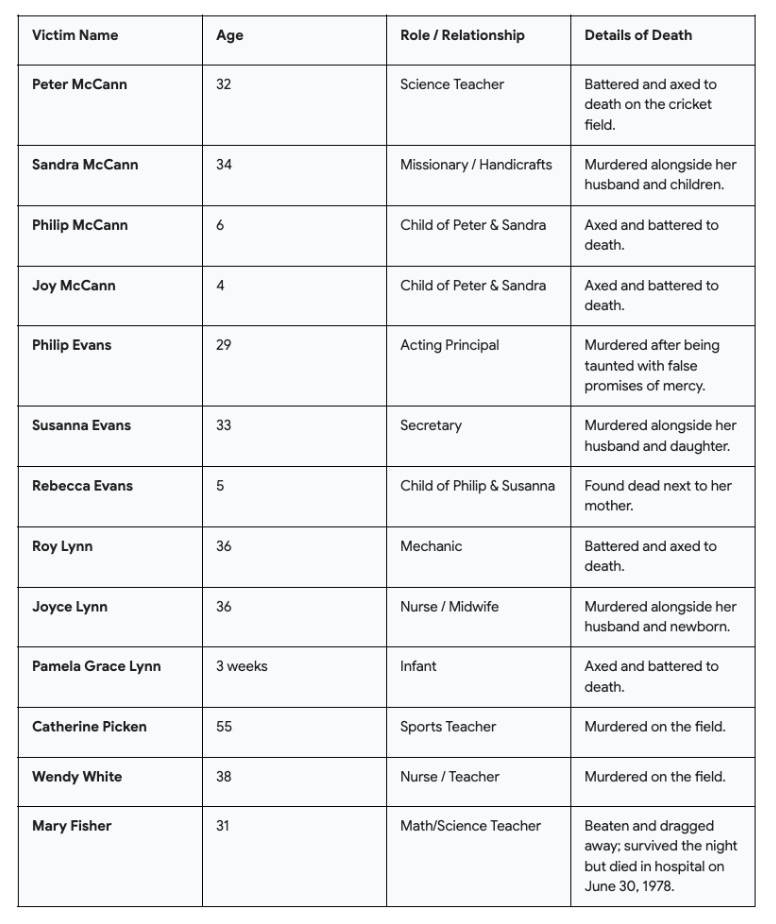
The violence visited upon the Elim missionaries was not the sterile, mechanised killing of modern industrial warfare. It was face-to-face, manual, and exhausting. The use of axes and clubs required the killers to stand over their victims, to feel the physical impact of the blows, and to look into the eyes of the dying. The inclusion of a three-week-old infant, Pamela Grace Lynn, in the slaughter underscores the totality of the ideological anti-white hatred that fuelled the attack. To the perpetrators, the victims were not individuals, they were not nurses who delivered African babies or teachers who educated African youth, they were the physical embodiment of an enemy class of white people that had been slated for total eradication.23
Eight weeks later, a Rhodesian police patrol clashed with a group of ZANLA guerrillas. Following the firefight, Section Officer Poole searched the bodies of the dead insurgents and discovered a diary. The entry for June 23 was chilling in its bureaucratic justification of mass murder: “Ambush on civilians where weapons used axes and knobkerries. Aim to destroy the enemies. We killed 12 whites including four babies as remembrance of Nyadzonya, Chimoi, Tembeu and in Zimbabwe massacres.”24
The locations referenced in the entry, Nyadzonya, Chimoi, and Tembeu, were not civilian villages but major guerrilla training camps operated by ZANU across the border in Mozambique. These camps had previously been struck by Rhodesian security forces, resulting in the deaths of thousands of insurgents and recruits. By invoking these battles, the diarist framed the slaughter of missionaries and children as an act of retaliation.
Decades later, a former ZANLA guerrilla known by his war name “Devil Hondo” (Garikai) would confess directly to Stephen Griffiths, the son of the mission’s former headmaster. Garikai admitted to taunting Philip Evans, offering him false hope of survival, before ordering the slaughter to commence.25 The sheer cruelty of the event remains a permanent stain on the history of the conflict, illustrating what occurs when political ideology and racial hatred entirely supersedes human empathy.
The Crucible of the Rhodesian Bush War
To comprehend how a group of men could hack infants to death and view it as a legitimate act of military retaliation, one must analyse the broader context of the Rhodesian Bush War (1964–1979). The massacre at Elim cannot be understood in a vacuum; it was the product of a deeply polarised, asymmetrical, and highly internationalised conflict that stripped away the normative boundaries of warfare.
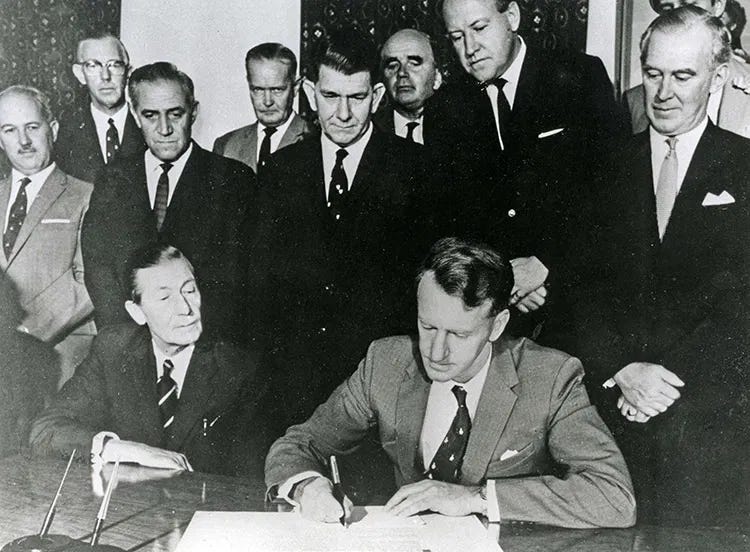
In 1965, the white minority government of Rhodesia, led by Prime Minister Ian Smith, issued a Unilateral Declaration of Independence (UDI) from Great Britain.26 Facing the rapid, often chaotic decolonisation of the African continent and observing the collapse of order in places like the Belgian Congo, Rhodesia’s white population of approximately 230,000 sought to maintain political control over a nation of over four million black Africans.27 The British government had demanded a transition to majority rule, known as NIBMR (No Independence Before Majority Rule), which the Rhodesian government forcefully rejected, viewing it as a prelude to civilisational collapse and economic ruin.28
The resulting conflict pitted the highly trained, vertically integrated Rhodesian security forces against two distinct, heavily armed insurgent armies. The Zimbabwe African National Liberation Army (ZANLA), the military wing of Robert Mugabe’s ZANU, was backed by Communist China and operated primarily out of bases in newly independent Mozambique.29 The Zimbabwe People’s Revolutionary Army (ZIPRA), aligned with Joshua Nkomo’s ZAPU, was backed by the Soviet Union and operated out of Zambia.30
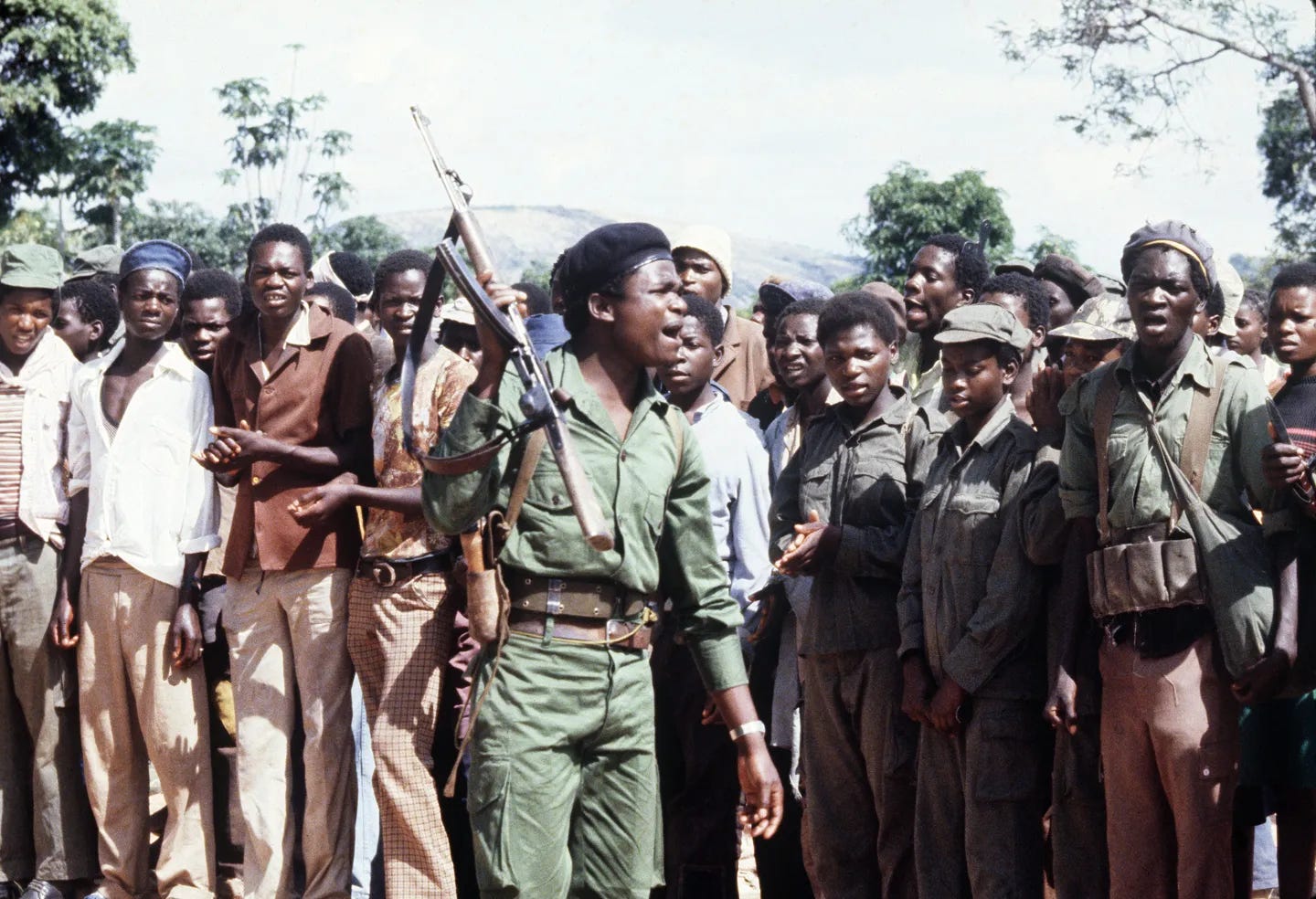
The war was framed entirely differently by the opposing sides. To the Rhodesian government, it was a desperate, existential defence of Western civilisation, the rule of law, and economic stability against the violent encroachment of godless black Marxist terrorism.31 To the black nationalist guerrillas and their international sympathisers, it was a righteous, inevitable war of liberation against a racist, illegal, settler-colonial regime.32
In this violently polarised environment, the Christian missionaries occupied a perilous, liminal space. The Elim Pentecostal missionaries were not agents of the Rhodesian state; indeed, many missionaries across Rhodesia, particularly within the Catholic Church, were highly critical of the Smith government and actively (and naively) supported the political aspirations of the black majority.33 They provided education, medical care, and spiritual guidance to the African population, often serving in deeply impoverished rural areas where the state had little reach.34
Yet, to the radicalised elements of the guerrilla armies, the missionaries were anachronisms. Their white skin, their British passports, and their Christian faith marked them as cultural imperialists and colonial vestiges.35 In some instances, guerrillas viewed Christianity as “peasant superstition” or an adjunct of colonialism, preferring to rely on traditional spiritual beliefs (witchcraft) or strict Marxist-Leninist ideology to mobilise the rural peasantry.36
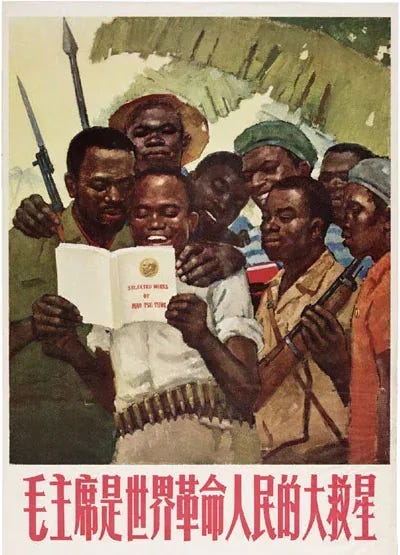
Revolutionary warfare inherently requires the construction of an absolute enemy. In the ideological framing of the liberation struggle, the individual humanity of a white settler, whether they were a frontline soldier carrying an FN FAL rifle or a pacifist nurse delivering babies, was systematically erased. They were subsumed into the collective, monolithic identity of the “white oppressor.” Once that categorical reduction occurs, the moral restraints that normally govern human interaction dissolve. The killing of a three-week-old baby is no longer infanticide; it is the strategic eradication of future colonial stock. The rape of female missionaries is no longer a war crime; it is an act of anti-colonial vengeance, a violent, corporeal reclamation of power.
The Rhodesian Bush War was a conflict that produced deep and sick moral confusion on the international stage. In the capitals of the West, the insurgents were frequently and asininely romanticised as heroic freedom fighters battling a regressive, apartheid-style state.37 This ideological sanctification of the guerrilla cause created a permissive environment where atrocities committed by the “right” side of history were routinely ignored, minimised, or actively justified as the necessary friction of decolonisation.
The Language of Denial and the Euphemisation of Barbarism
When the news of the Elim massacre broke, the sheer barbarity of the event shocked the world, forcing a momentary confrontation with the reality of the war.38 Yet, the political and diplomatic response to the slaughter revealed a moral rot within the international community. The massacre threatened to disrupt the carefully constructed narrative of the liberation struggle, and as a result, a massive machinery of denial, evasion, and diplomatic euphemism was immediately deployed.
Robert Mugabe, the political leader of ZANU, flatly denied any involvement by his ZANLA forces. Instead, he deployed a cynical and highly effective piece of propaganda, claiming that the massacre was a “false flag” operation carried out by the Selous Scouts, a specialised, elite unit of the Rhodesian security forces known for using pseudo-guerrilla tactics to infiltrate insurgent networks.39 Mugabe accused the Rhodesian government of murdering the missionaries to discredit the Patriotic Front and turn international opinion against the liberation cause.40
Despite the overwhelming evidence to the contrary, including the testimony of survivors, the discovery of the guerrilla diary, and the subsequent confessions of the perpetrators, Mugabe’s lie found willing ears among those who were already predisposed to view the Rhodesian government as the sole source of evil in the conflict.41
The reaction of Western diplomats and political elites was equally disturbing. The gap between the lived horror of the missionaries on that blood-soaked cricket field and the bloodless abstractions of international diplomacy was vast. In 1978, the British Labour government, led by Prime Minister James Callaghan and Foreign Secretary David Owen, alongside the US administration of Jimmy Carter, was desperately trying to negotiate an Anglo-American peace settlement.42 They needed Mugabe and Nkomo at the negotiating table to ensure a transition of power that would satisfy the frontline African states and end the war.
Consequently, the massacre of British citizens was treated not as an overt moral outrage demanding justice, but as a political inconvenience. Declassified diplomatic cables reported by The Sunday Telegraph in 2017 revealed that the Callaghan government received highly credible intelligence confirming that ZANLA forces were responsible for the Elim massacre.43 A cable from US Secretary of State Cyrus Vance to UN Ambassador Andrew Young detailed how a ZANLA field commander had carried out the attack and that Mugabe’s faction was internally aware of their culpability.44
Yet, the British government chose to suppress this reality. Lord Owen explicitly rejected calls for a UN-led inquiry, deeming it “unwise” because it would disrupt the delicate peace negotiations.45 The truth regarding the slaughter of British infants was buried in the name of diplomatic expediency. When confronted decades later, Lord Owen shockingly defended the decision, arguing that top-secret diplomacy required silence to prevent further bloodshed and to manage the transition of power.46
This diplomatic evasiveness was mirrored by a broader Western tendency to sentimentalise revolutionary actors. Andrew Young, the US Ambassador to the United Nations, had previously caused outrage by declaring to The Times of London that Robert Mugabe was “not a violent man.” Young stated, “One of the ironies of the whole struggle is that I can’t imagine Joshua Nkomo, or Robert Mugabe, ever pulling the trigger on a gun to kill anyone. I doubt that they ever have”.47
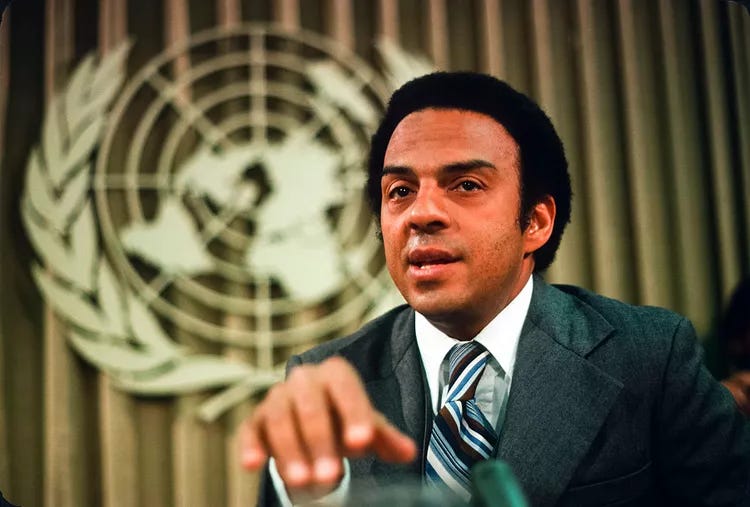
Such statements epitomise the moral asymmetry applied to conflicts of decolonisation.48 In the corridors of the United Nations and Whitehall, real corpses, mutilated women, and bayoneted toddlers were translated into diplomatic euphemisms. The massacre was downgraded to an “incident”; the perpetrators were shielded by the aura of “liberation.” The international elite demonstrated a terrifying willingness to accept the slaughter of a delegitimised white minority as the unfortunate, but perhaps inevitable, cost of historical progress. The victims of Elim were, quite simply, politically expendable.
Why Minority Status Becomes Dangerous
The tragedy of the Elim Mission serves as a horrifying case study in a much broader and more profound civilisational question: What happens when a population becomes a hated, delegitimised, or politically expendable minority in the land they inhabit?
In stable, functioning democracies, having a demographic minority is a mathematical reality, managed through constitutional rights, the rule of law, and a shared social contract. But under conditions of revolutionary upheaval, ethnic conflict, demographic replacement or post-colonial transition, minority status ceases to be about numbers. It becomes a question of legitimacy, and the loss of legitimacy is the precursor to the loss of life.
To understand this transition, one must examine the concept of “moral personhood”.49 Moral personhood is the implicit social agreement that an individual possesses inherent dignity and is entitled to the basic protections of human reciprocity. In a functioning society, neighbours do not slaughter neighbours because they recognise each other’s moral personhood. However, revolutionary ideologies, particularly those rooted in racial, ethnic, or anti-colonial grievance, are highly effective at systematically stripping target populations of this status.50
When the white Rhodesian population transitioned from the ruling class to a besieged minority, and ultimately to an expendable remnant, they underwent a process of ontological demotion.51 The ideological rhetoric of the liberation struggle successfully redefined them not as citizens, not as humans with families, histories, and homes, but as “settlers,” “usurpers,” and “parasites.” Once a group is successfully redefined as a historical anomaly or an oppressive class, crimes against them are rationalised, they are simply not felt as crimes in the same way by the perpetrators or by observing global elites.
This dynamic produces what the political philosopher Giorgio Agamben terms homo sacer, a person reduced to “bare life,” stripped of political rights and legal protections, who can be killed without the killing being considered murder or sacrifice.52 At the Elim Mission, the missionaries were reduced to bare life. The Rhodesian state, stretched thin by a multi-front insurgency, could no longer project the umbrella of sovereign protection over them. The international community, having judged the white presence in Rhodesia to be historically illegitimate, had conceptually withdrawn its moral concern.53
This reveals the terrifying fragility of coexistence. The transition from somewhat “peaceful” proximity to existential exposure can happen with whiplash-inducing speed. The African students and local staff who lived alongside the missionaries at Elim were paralysed, ordered by armed men to stand by while their teachers and nurses were marched to their deaths. The bonds of affection, gratitude, and shared humanity built through years of dedicated service were instantly severed by the introduction of overwhelming, ideologically sanctioned force.
Becoming a delegitimised minority means recognising that the state no longer feels a duty toward your safety. It means realising that the cultural and political institutions of the world will view your suffering through a lens of historical “karma” or structural readjustment. The vulnerability is total, because the very mechanisms of justice, the courts, the police, the diplomatic corps, the press have conceptually preemptively decided that your presence is the problem, and your removal, even if violently achieved, is the solution. The moral asymmetry of civil conflict dictates that the violence of the state is condemned as systemic oppression, while the violence of the insurgent is excused as the necessary birth pangs of a new nation.
The Pattern of Abandonment
The mechanics of minority vulnerability exposed at Elim are not unique to the Rhodesian Bush War. If we expand our historical lens, we see a chillingly consistent pattern in which formerly dominant, settler, or politically disfavoured populations are exposed to scapegoating, terror, and total abandonment once the prevailing political order collapses or transitions. Elim is a manifestation of a recurring historical pathology.
One of the most significant comparative reference in the post-colonial era is the fate of the Pieds-Noirs in French Algeria.54 Like the white Rhodesians, the Pieds-Noirs, European settlers of primarily French, Spanish, and Italian descent had lived in Algeria for generations, building cities, cultivating farms, and forging a distinct, deeply rooted cultural identity.55 They viewed themselves not as transient colonists, but as native sons and daughters of the North African soil. Yet, when the Algerian War of Independence (1954–1962) reached its climax, the Pieds-Noirs discovered the absolute terror of being an unprotected minority.56
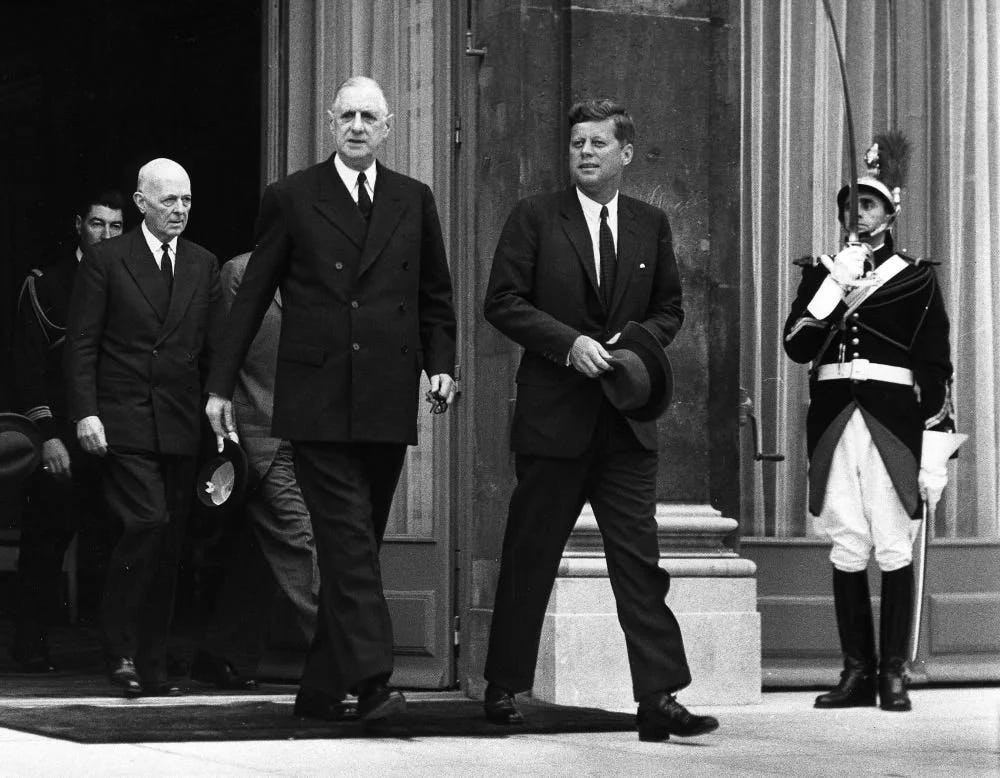
As the French metropole, under the leadership of Charles de Gaulle, decided to cut its losses and grant Algeria independence, the political legitimacy of the Pieds-Noirs evaporated overnight. They were transformed in the eyes of the Parisian elite from French citizens into embarrassing colonial anomalies. The Evian Accords supposedly guaranteed their safety, property rights, and political representation, much like the diplomatic assurances later offered during the Rhodesian transition to Zimbabwe at Lancaster House. But paper treaties offer no protection against ethnic vengeance when the sovereign power withdraws its guns.
Ian Smith captured this dilemma with stark clarity during an interview with journalist Kenneth Young. Reflecting on British confidence in constitutional guarantees, Smith remarked:
“I am surprised at how naïve most of those British politicians are when they can say to us without a smile on their faces that they intend to write into the Constitution safeguards for the European when the African is in control. They expect us to believe that such a thing is possible when we know that wherever in the world such a thing has got in the way of an African Government they have torn it up and thrown it out of the window. They have no compunction – you can quote them all along the line. If there is any Constitution that does not suit them, they throw it out.”
On July 5, 1962, the very day that Algerian independence was officially celebrated, the FLN (National Liberation Front) perpetrated a massive slaughter in the city of Oran.57 Hundreds of Pieds-Noirs were dragged from their cars, homes, and shops, and brutally massacred in the streets. The French army, confined to their barracks by strict orders from Paris not to intervene and disrupt the transition, stood by and did nothing while their fellow citizens were butchered.58 The message delivered by the state was unmistakable: the era of protection was over; the white minority was entirely expendable.
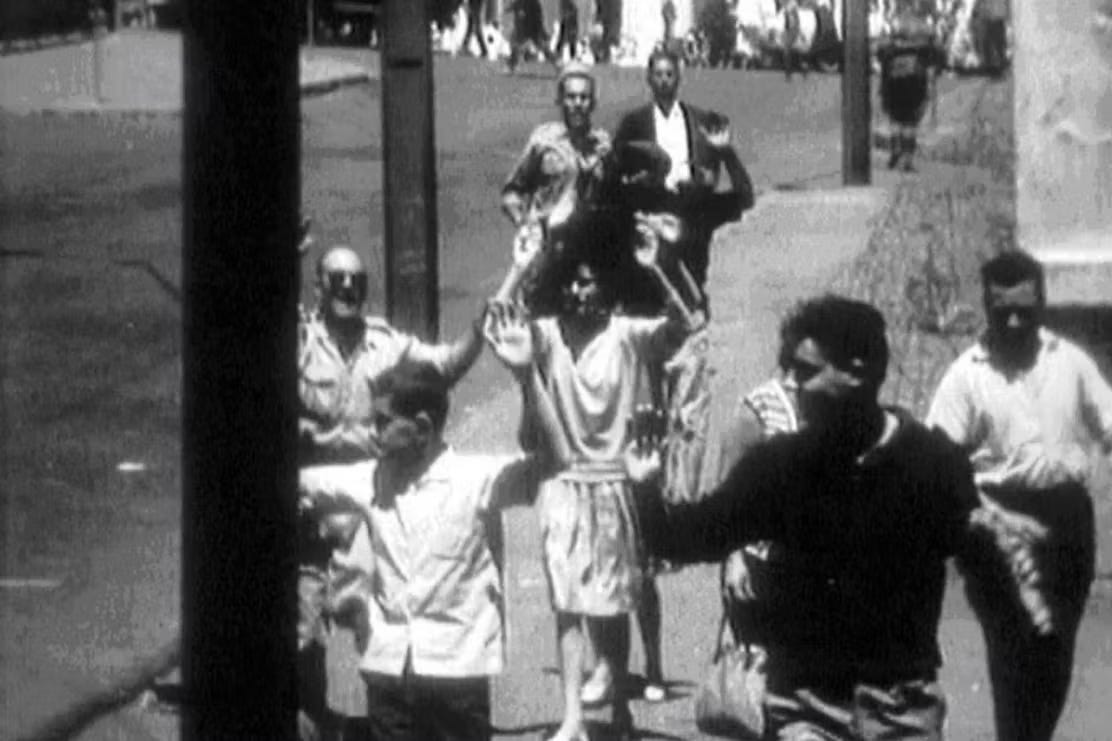
The psychological shock of this abandonment triggered one of the largest mass migrations of the 20th century. Over a million Pieds-Noirs fled across the Mediterranean in panic, leaving behind everything they owned, realising that to remain was to invite annihilation.59
The parallels with Rhodesia are stark and deeply unsettling. In both cases, a population believed that its contribution to the economy, its legal citizenship, and its historical roots would guarantee its right to exist. In both cases, they discovered that when a new, revolutionary state takes power, and when the international community decides that a demographic group is historically guilty, all guarantees are void.
This pattern extends far beyond the continent of Africa. The post-colonial expulsions of ethnic minorities, the sudden flight of the Asians from Idi Amin’s Uganda, the ethnic cleansing of historic Christian and Yazidi communities in the Middle East following regime changes, all trace the same grim trajectory. When a society undergoes a radical reorganisation of power, the group that loses its political shield is rapidly dehumanised. The physical violence that follows, the axes in the dark, the mob in the street, the midnight knock on the door, is merely the final, kinetic expression of a philosophical verdict that has already been passed in the minds of the new rulers.
The Ultimate Question of Inviolability
Civilisations are not judged only by the soaring rhetoric of their constitutions, the elegance of their peace treaties, or the progressive ideals championed in the glass halls of the United Nations. They are judged, ultimately and unforgivingly, by who is left unprotected when power changes hands.
Under the bright winter sun of late June 1978, the twelve victims of the Elim Mission massacre were buried in graves shadowed by the jacaranda trees of the Umtali municipal cemetery.60 A simple memorial stone bears their names, noting starkly that “their lives were taken on 23rd June 1978”.61 For the families left behind, and for the broader community of missionaries who bravely chose to stay and continue their work, the grief was compounded by the international obfuscation of the crime.62
The Elim movement responded to the massacre with extraordinary grace and myopia, channelling their grief into a renewed commitment to the African people. Drawing on the ancient Christian doctrine articulated by Tertullian, they declared that “the blood of the martyrs is the seed of the church”.63
Yet, for the historian and the political observer, the legacy of Elim extends far beyond a testament to religious martyrdom. It stands as a dark, enduring monument to the fragility of human coexistence and the lethality of political expendability.
The slaughter on that mist-covered cricket field demonstrates that once a people are stripped of political and moral legitimacy, even their dead may be denied the dignity of truthful remembrance. The diplomatic cables that deliberately buried the identity of the killers in order to facilitate a “peace process” reveal the cold, terrifying arithmetic of global statecraft. In this arithmetic, a vulnerable white minority is nothing more than a variable to be managed, erased, or ignored.
To become a minority without protection in a society undergoing revolutionary change is to discover a terrifying truth. It is to learn, often when the door is kicked in and the axes are raised, that demographics, constitutional rights, and historical roots were never the true questions. The true question, the only question that matters when the restraints of civilisation fail, is whether anyone still believes your life is inviolable. At Elim Mission, the answer was delivered in the dark, and its echoes should haunt us still.
https://celina101.substack.com/p/the-terror-of-being-a-minority