The Wog Argument
Why viral SBS nostalgia clips are being used to sell a very different Australia.
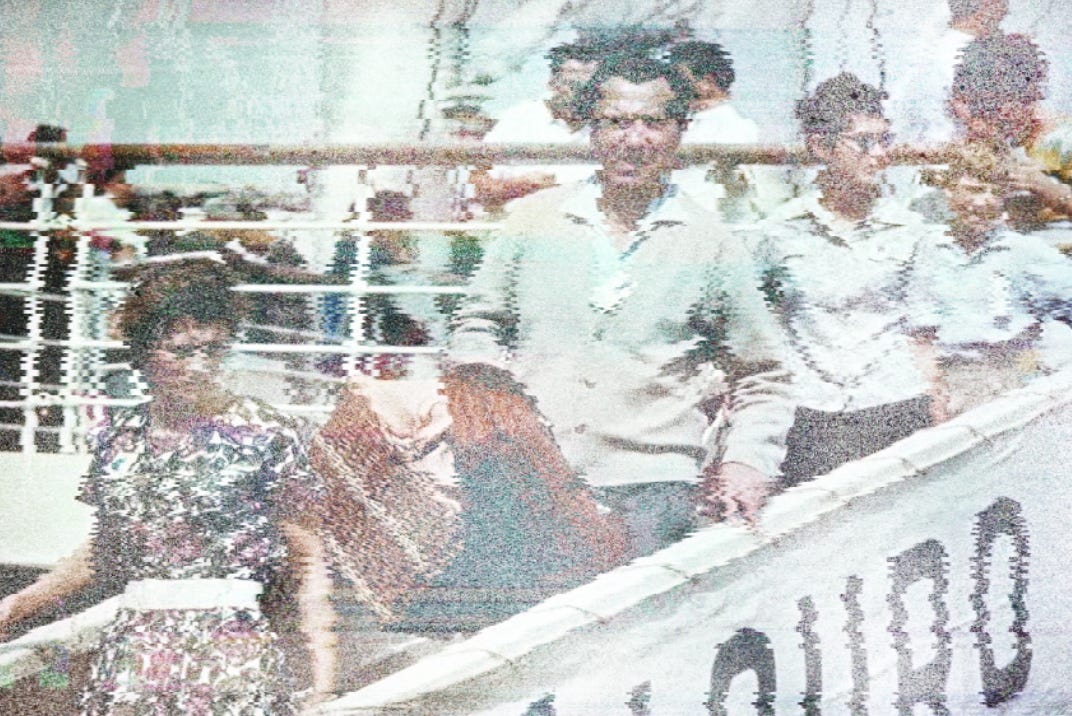
rchival footage from the SBS and ABC eras is making the rounds on Instagram Reels and TikTok. Older Italian and Greek migrants reflect on arriving in post-war Australia, the culture shock, and ultimately what it meant to “become Australian.” The recirculation of this footage feels deliberate: It serves two interlocking purposes. First, to reassure anxious White Australians that today’s record immigration levels are nothing new and nothing to fear; and second, to deliver a subtler message of past defeat, “You already lost this battle once. Resistance is futile.”

The post-war immigration story is well-known. After World War II, Australian politicians embraced the “populate or perish” policy, welcoming millions of Europeans, initially from Britain, then increasingly from Italy, Greece, Yugoslavia and other nations. These migrants were largely Christian, shared a broad Western ethnic and cultural baseline, and arrived during a period of strong economic growth and labour demand. Assimilation was the explicit expectation. Many worked in factories, built infrastructure, opened businesses, and their children integrated into mainstream Australian life. Intermarriage rates were high, English was learned quickly, and while tensions existed (the term “wog” was not always affectionate), the overall outcome was largely successful.
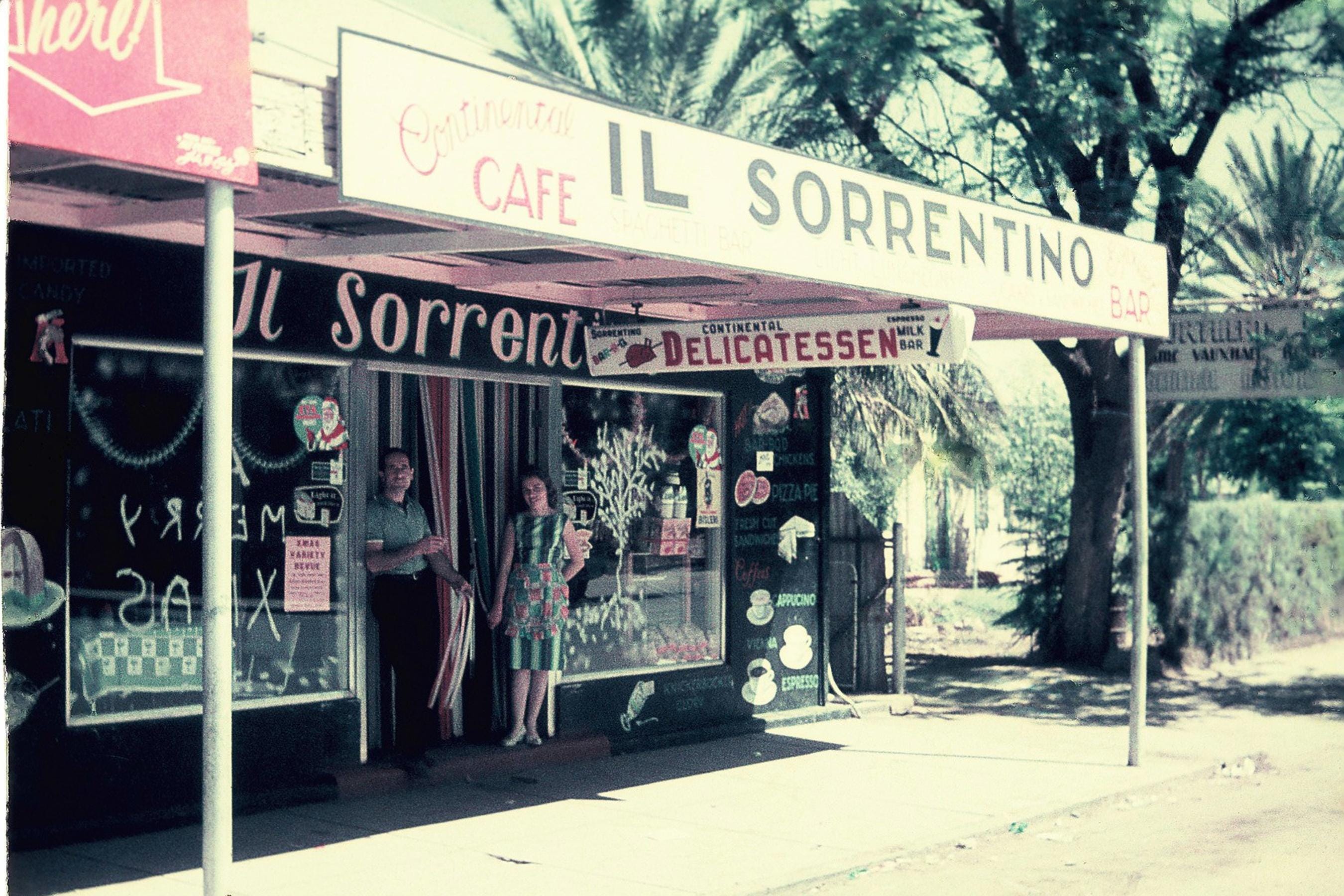
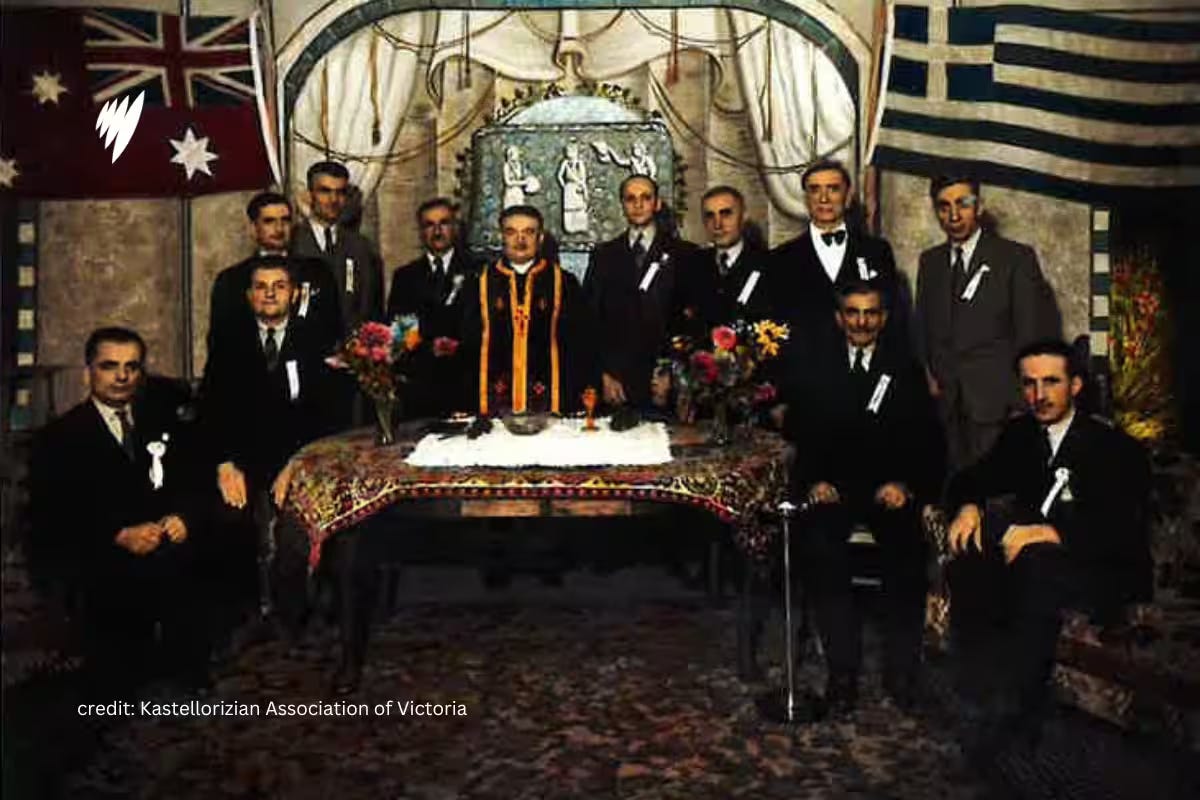
By the 1970s and 1980s, when much of this footage was recorded, official policy had shifted from assimilation to multiculturalism. With the SBS channel being specifically brought in for this reason. The clips above capture the human texture of that transition, pride in heritage mixed with genuine affection for Australia, alongside the inevitable frictions of dual loyalty and identity.
Today’s advocates for high immigration frequently draw direct parallels to that earlier European wave. The recirculated footage functions as visual reassurance: “See? We’ve done this before with Italians and Greeks. They integrated fine. You overreacted then, and you’re overreacting now.” In this time of housing shortages, infrastructure strain, and visible demographic change, these nostalgic clips offer a more comforting historical precedent.
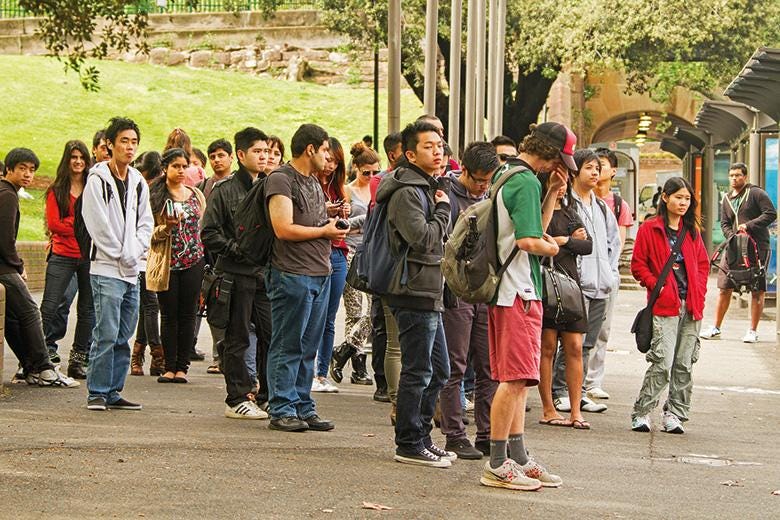
Yet the analogy is horribly imperfect. The scale, speed and more importantly the demographics of current immigration are vastly different from the post-war program. Earlier migrants entered a growing economy with clear expectations of assimilation (which was possible as they were ethnically and culturally proximal). Today’s intake occurs amid wage pressures, a housing crisis, and a demographic replacement of the founding stock of Australians. The cultural and cognitive distance between source countries has also widened. Earlier cohorts came predominantly from societies with comparable average IQs, low corruption, and shared Enlightenment-influenced values. Contemporary source countries are far more varied, producing mixed integration outcomes decades later.
As I stated above, beyond the factual comparison is a deeper psychological layer. The first intent, reassurance is straightforward public relations. The second feels more like demoralisation. As I said this recirculation can function as a “demoralisation via humiliation ritual,” particularly for younger Australians who have no personal memory of the pre-multicultural era. The subtext becomes: your grandparents grumbled about the Greeks and Italians too, and look, they accepted it. Now accept this next phase. There is no escape.


On algorithm-driven platforms, these emotionally charged clips spread rapidly among people too young to remember the 1980s or 1990s. Legitimate concerns about demographic change, social cohesion, and cultural continuity are reframed as irrational phobia, while acceptance is presented as historical inevitability.
This phenomenon reveals deeper fractures in Australian national identity. Australia was founded by British settlers on a European civilisational base and later enriched by compatible European migrants. The post-1970s experiment with far more diverse, non-assimilative immigration has delivered economic benefits in some areas but undeniable strains in a lot of others. Public discussion of those strains is often treated as taboo. In that environment, old footage becomes a soft tool of narrative control.
The clips themselves are often poignant, capturing real human stories of hope, struggle, and belonging. But when weaponised in 2026, they serve a larger contest: whether Australia remains a coherent nation-state with a core identity or simply an open economic zone. Nostalgia can comfort, it can also disarm.
The question Australians should be debating is not whether Italians and Greeks largely integrated, some did, but whether today’s selection criteria, scale, and integration expectations are producing the same net benefit for the nation and its founding people. Treating the two eras as identical does a disservice both to historical truth and to citizens watching their country transform for the worse, at unprecedented speed. The recirculation trend deserves closer scrutiny because it is so emotionally effective.