
Why Spain Became Israel’s European Nightmare
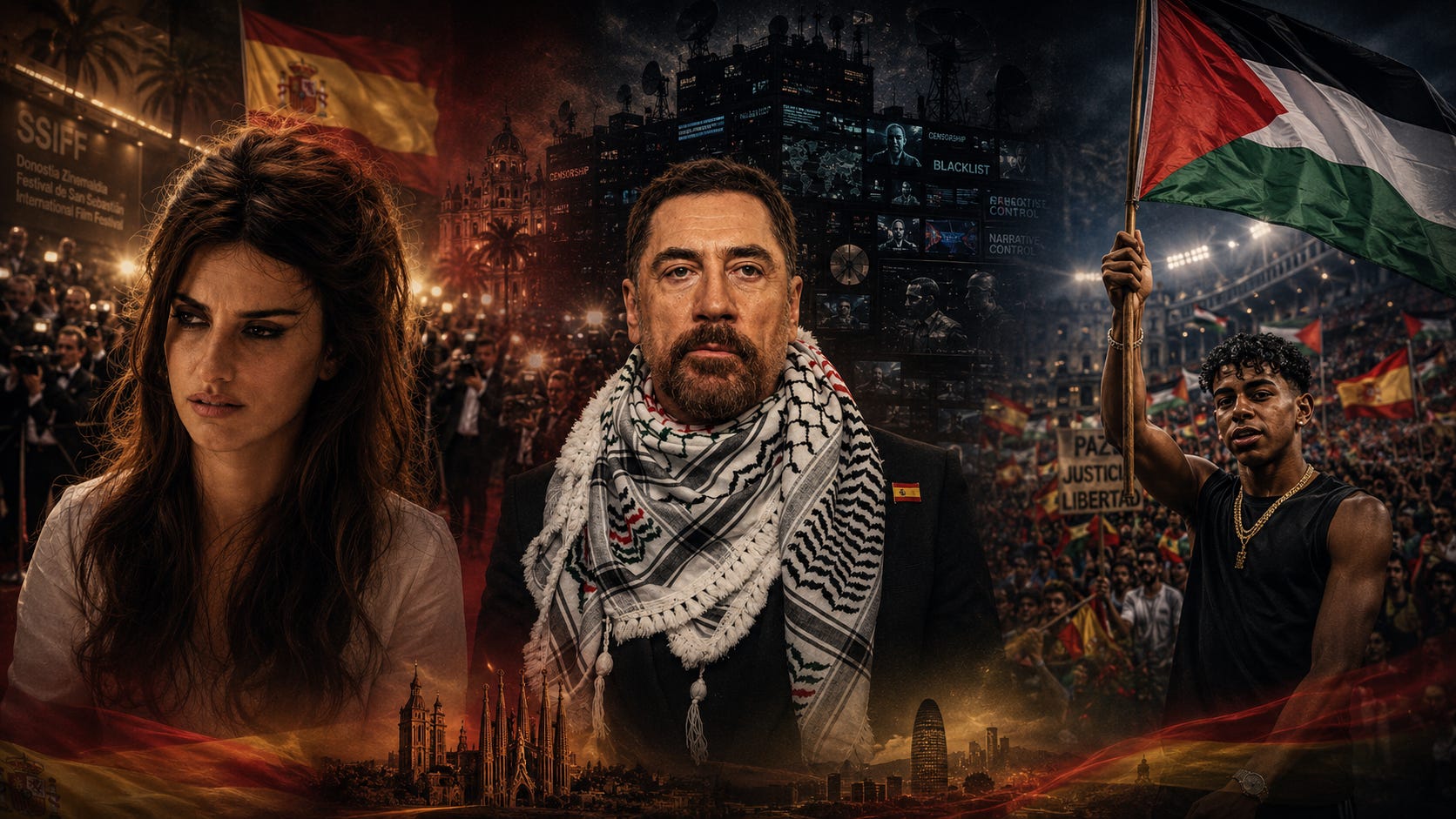
“Painting is not made to decorate apartments. It is an instrument of war.” — Pablo Picasso
Picasso understood what the empire fears: art is not decoration when it tells the truth. Sport, cinema, and images can become weapons of conscience.
Spain, Football, and the Flag That Terrified Israel
Lamine Yamal did not create the crisis.
He exposed it.
When the 18-year-old Barcelona star waved a Palestinian flag during Barcelona’s La Liga celebration parade, Zionist thugs on social media and Israeli officials reacted as if the flag itself was a weapon. That is the confession. Israeli Defense Minister Israel Katz accused Yamal of “inciting hatred,” but the only thing Yamal did was make Palestine visible.
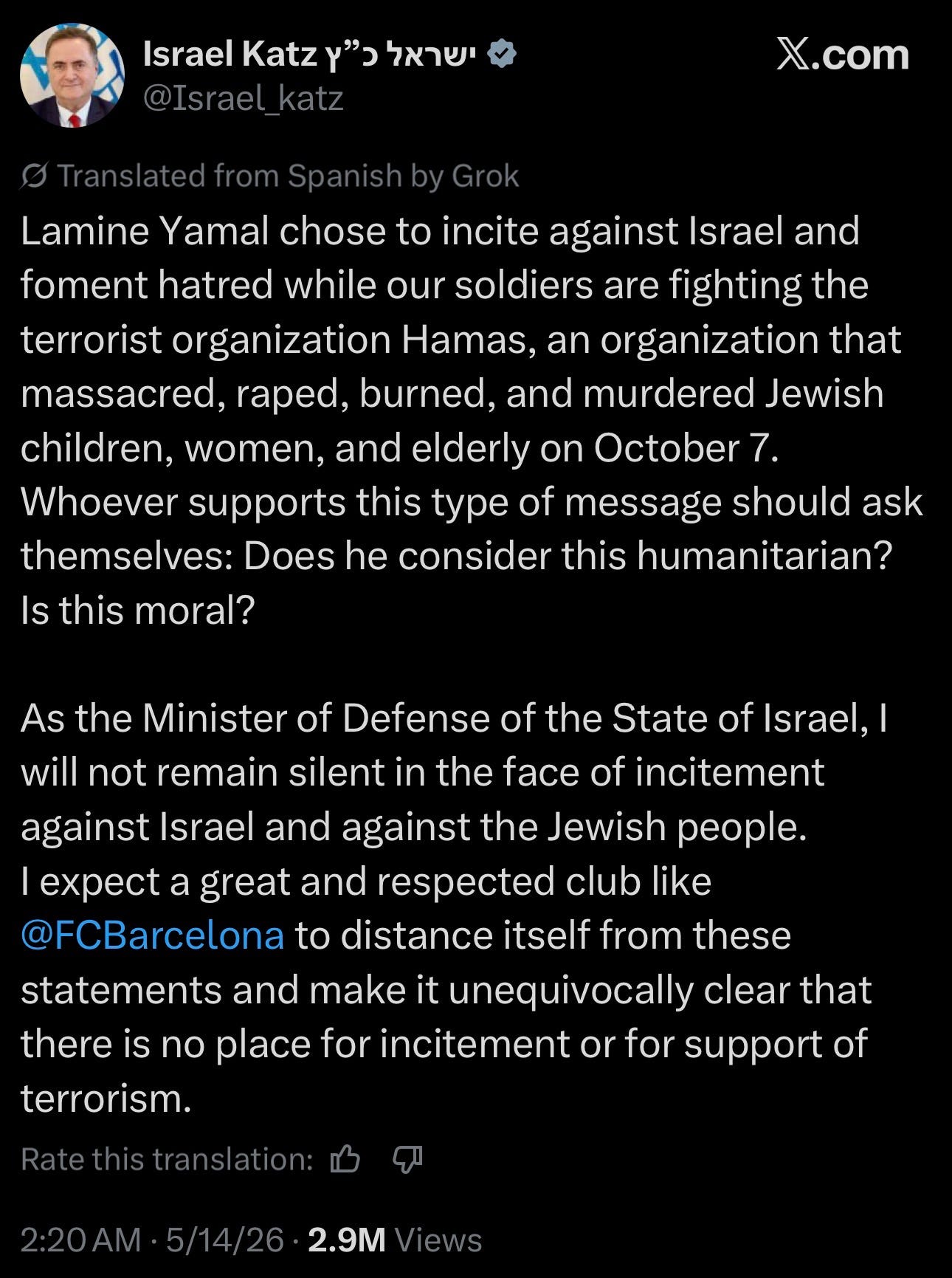
For a Jewish-supremacist state project that seeks the whole land while denying the people it displaced, occupied, and besieged, Palestinian visibility is not treated as identity. It is treated as rebellion.
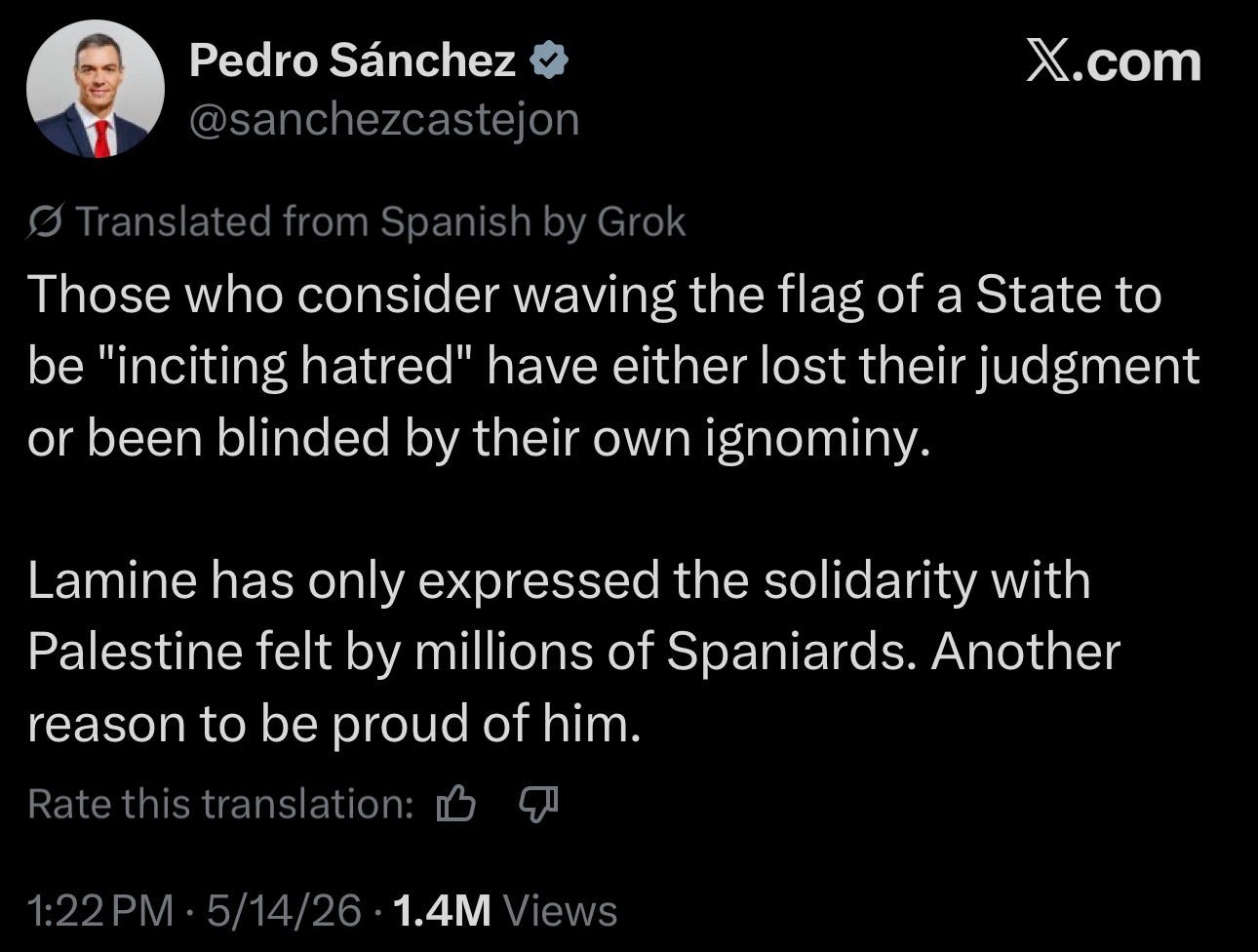
Spanish Prime Minister Pedro Sánchez answered by defending Yamal, saying the gesture gave Spain another reason to be proud of him. Spain’s confrontation with Israel is no longer trapped inside government statements. It has moved into football, cycling, Hollywood, film studios, city streets, and the cultural machinery where global legitimacy is made or destroyed.
The flag did not create Spain’s conflict with Israel. It revealed that Spain had become one of the places where Palestine could no longer be hidden — not by diplomats, not by media managers, not by Hollywood gatekeepers, and not by a censorship architecture built to protect Israel’s image.
Spain is not a country with a shallow, symbolic relationship to Palestine, but a major Western European state that refused to establish formal diplomatic relations with Israel until January 1986. Spain was the last Western European state, apart from the Vatican, to open formal ties with Israel, and even then it paired recognition with continued friendship toward Arab states and opposition to Israeli occupation of Arab lands.
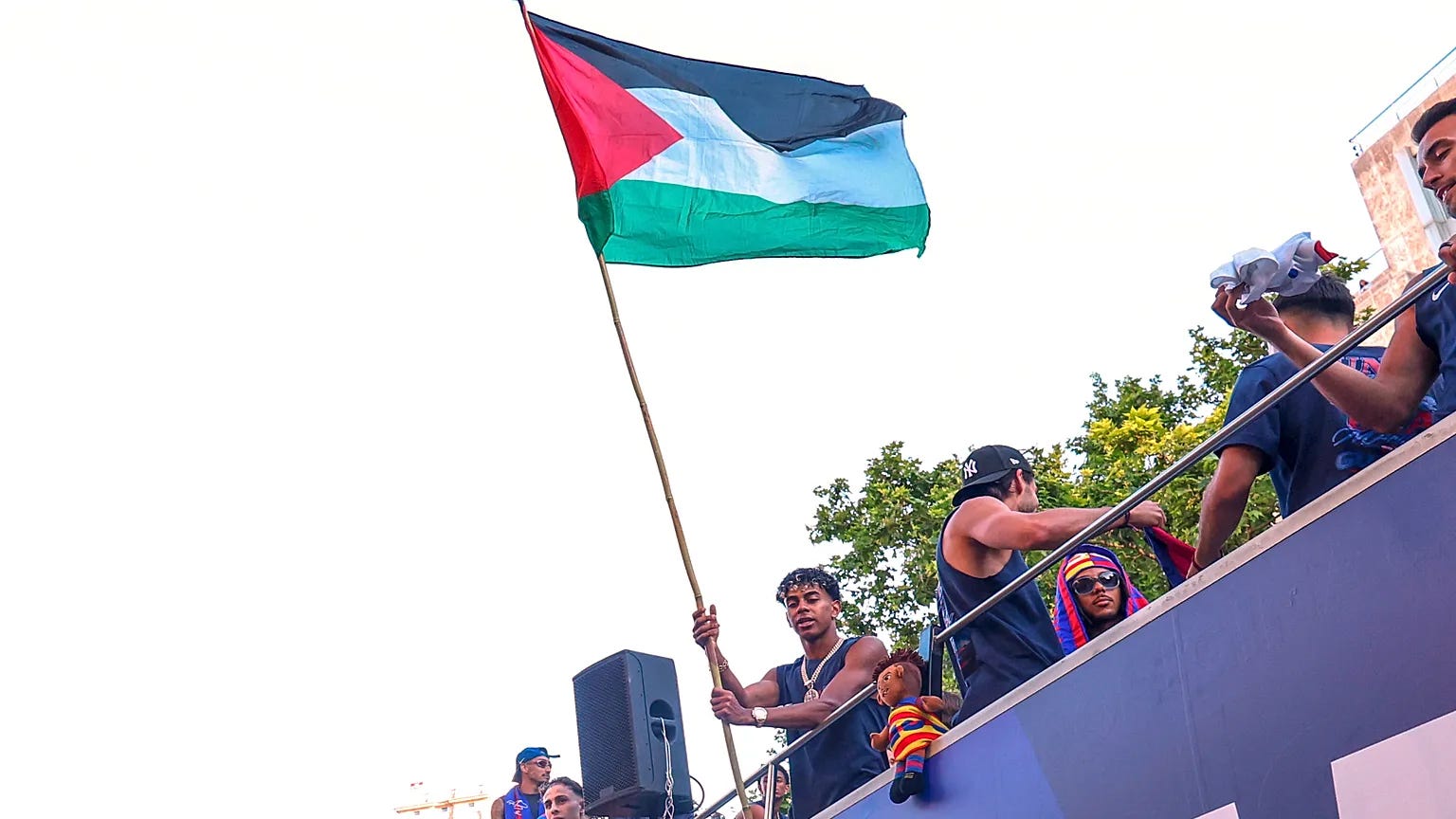
That is why Katz’s reaction looked so desperate. Yamal did not issue a policy paper. He did not deliver a speech at the UN. He held a flag on top of a Barcelona parade bus in front of hundreds of thousands of people — and suddenly Israel’s panic became visible. The state that spends billions managing its image could not tolerate a footballer making Palestine look normal, human, and global.
This was not just football.

It was the public-culture front of a much older rupture. Spain’s athletes, artists, actors, cities, and crowds are now turning Palestine into a visible moral line that Israel can no longer contain. And as Hollywood figures like Javier Bardem and Penélope Cruz show, this rupture is not staying inside stadiums. It is moving into the studios, red carpets, streaming platforms, and blacklist machinery where Israel’s image has long been protected.
But Spain’s role did not begin with Gaza or Yamal’s flag. It belongs to a longer historical line: Franco’s postwar isolation, Zionist pressure against Spain’s rehabilitation, Spain’s refusal to recognize Israel for nearly four decades, and the 1948 Jewish terrorist killing of a Spanish official in Jerusalem.
The Old Rupture — Zionist Pressure, Haganah Violence, and Spain’s Future Rejection of Israel
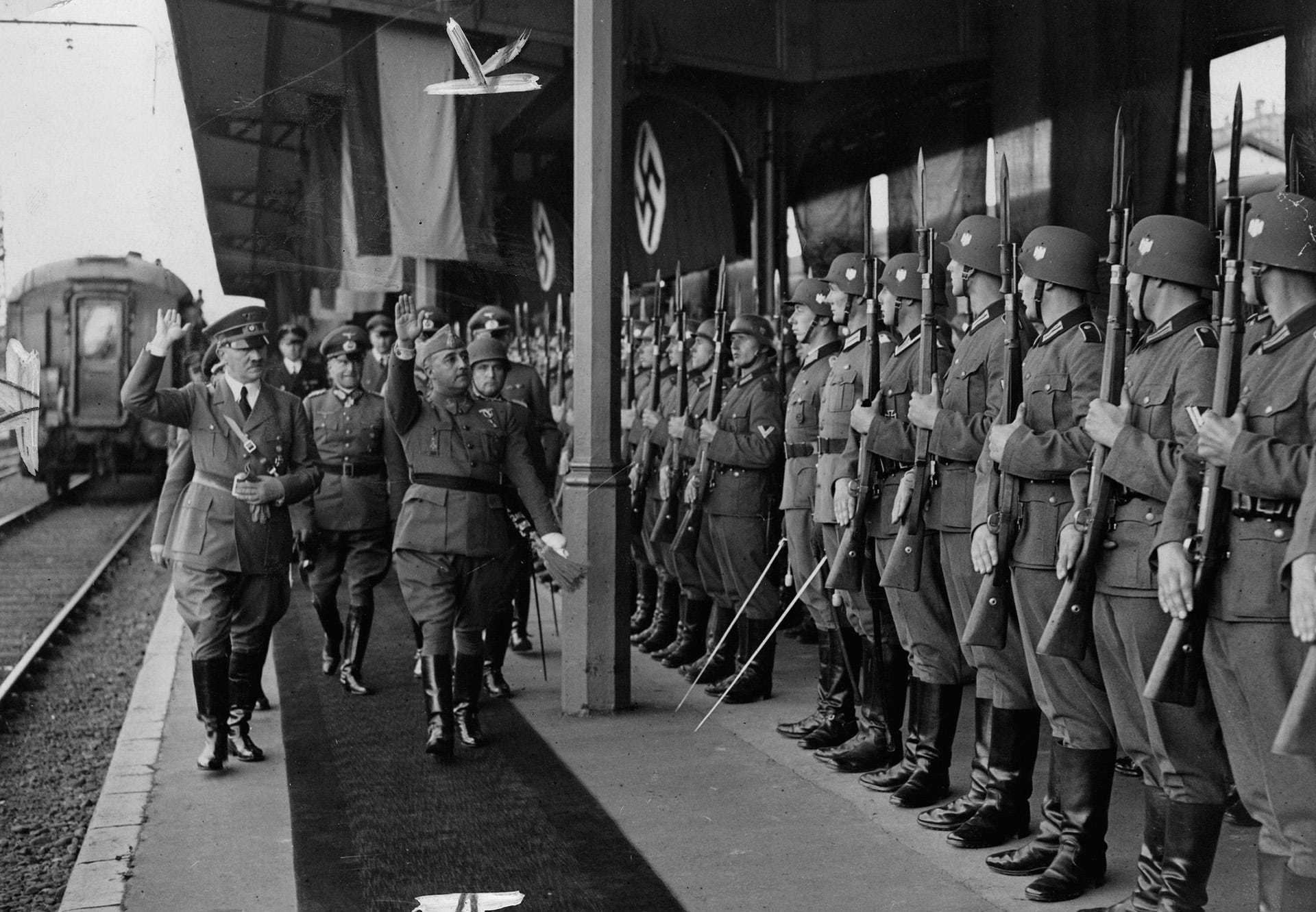
Spain’s conflict with Israel did not begin with Gaza, Pedro Sánchez, La Vuelta, or Lamine Yamal. It began in the postwar order, when Franco’s Spain was treated as the surviving fascist remnant of Europe. The UN General Assembly’s Resolution 39, adopted on December 12, 1946, condemned Franco’s government as a fascist regime imposed with Axis support, recommended that Spain be barred from UN-related agencies, and called on UN member states to withdraw ambassadors from Madrid.
That international isolation was real. But Zionist and early Israeli actors were not passive observers. Raanan Rein’s study, In the Shadow of the Holocaust and the Inquisition: Israel’s Relations With Francoist Spain, documents that Israeli policy toward Francoist Spain was shaped by ideological hostility to Franco, memories of the regime’s wartime “non-belligerency” relationship with Nazi Germany, and the political commitment of Israeli leaders who viewed Franco as a surviving ally of the Nazi-Fascist order. Rein records that Israel opposed Spain’s rehabilitation at the UN and that Abba Eban defended Israel’s May 1949 vote against lifting diplomatic sanctions on Spain.
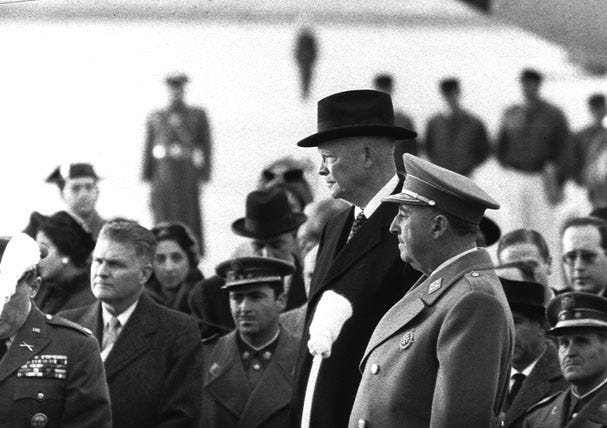
This is the key historical mechanism: Zionist and early Israeli pressure did not exist in isolation from the postwar anti-Franco campaign. It moved inside the same diplomatic atmosphere that treated Spain as a fascist remnant, while Israeli officials feared that Franco’s Spain — through its growing Arab-world ties — could become a source of anti-Israeli and anti-Zionist influence. The campaign against Spain’s rehabilitation therefore served two purposes at once: preserving the moral indictment against Franco, and preventing Madrid from becoming a diplomatic platform for Arab and Palestinian opposition to Israel.
Jewish/Zionist institutions were also active in the UN ecosystem during this period, especially the Jewish Agency and major Zionist representatives like Abba Hillel Silver. The Jewish Agency was formally heard at the UN in 1947 as representing the organized Jewish community in Palestine and the wider Jewish people. After Israel’s creation, that posture became explicit state policy: in 1950, the Jewish Telegraphic Agency reported that Israel voted against a UN resolution that would have allowed member states to exchange diplomatic representatives with Spain and withdraw the 1946 ban.
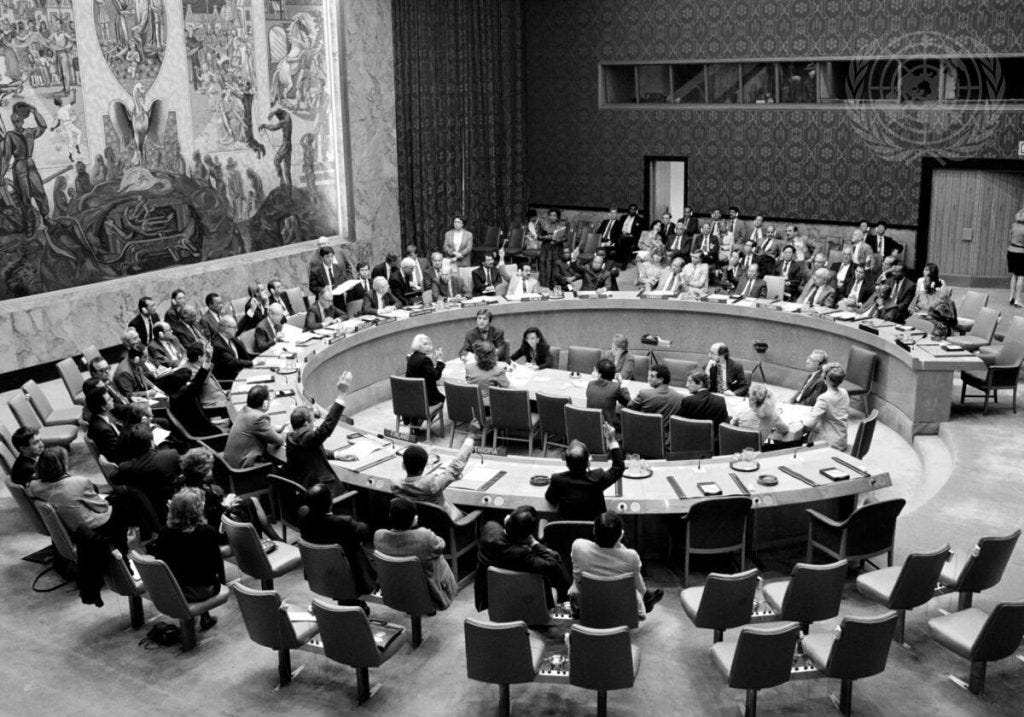
That campaign had consequences. Spain, isolated from much of the postwar European order, turned toward the Arab and Muslim world for diplomatic and economic depth. The Zionist pressure meant to keep Franco’s Spain morally quarantined also helped push Madrid into the very Arab-world relationships that later made recognition of Israel politically harder.
By the time Israel tried to repair relations with Madrid in 1956, Rein writes that Spain was already a full UN member and Israel’s vote no longer carried decisive weight; Spanish interest in normal relations with Israel had “dwindled considerably.” In other words, the pressure campaign helped create the very distance Israel later tried to undo.
Then came the blood record.
On January 5, 1948, the Haganah — a Jéwish terrorist militia — bombed the Semiramis Hotel in the Qatamon neighborhood of Jerusalem. The attack killed Palestinian civilians and Spanish vice-consul Manuel Allendesalazar. This was not a fringe actor operating outside the future state. David Ben-Gurion, who later became Israel’s first prime minister, was the political leader of the Haganah, tying the violence directly to the leadership structure that would become the Israeli state.
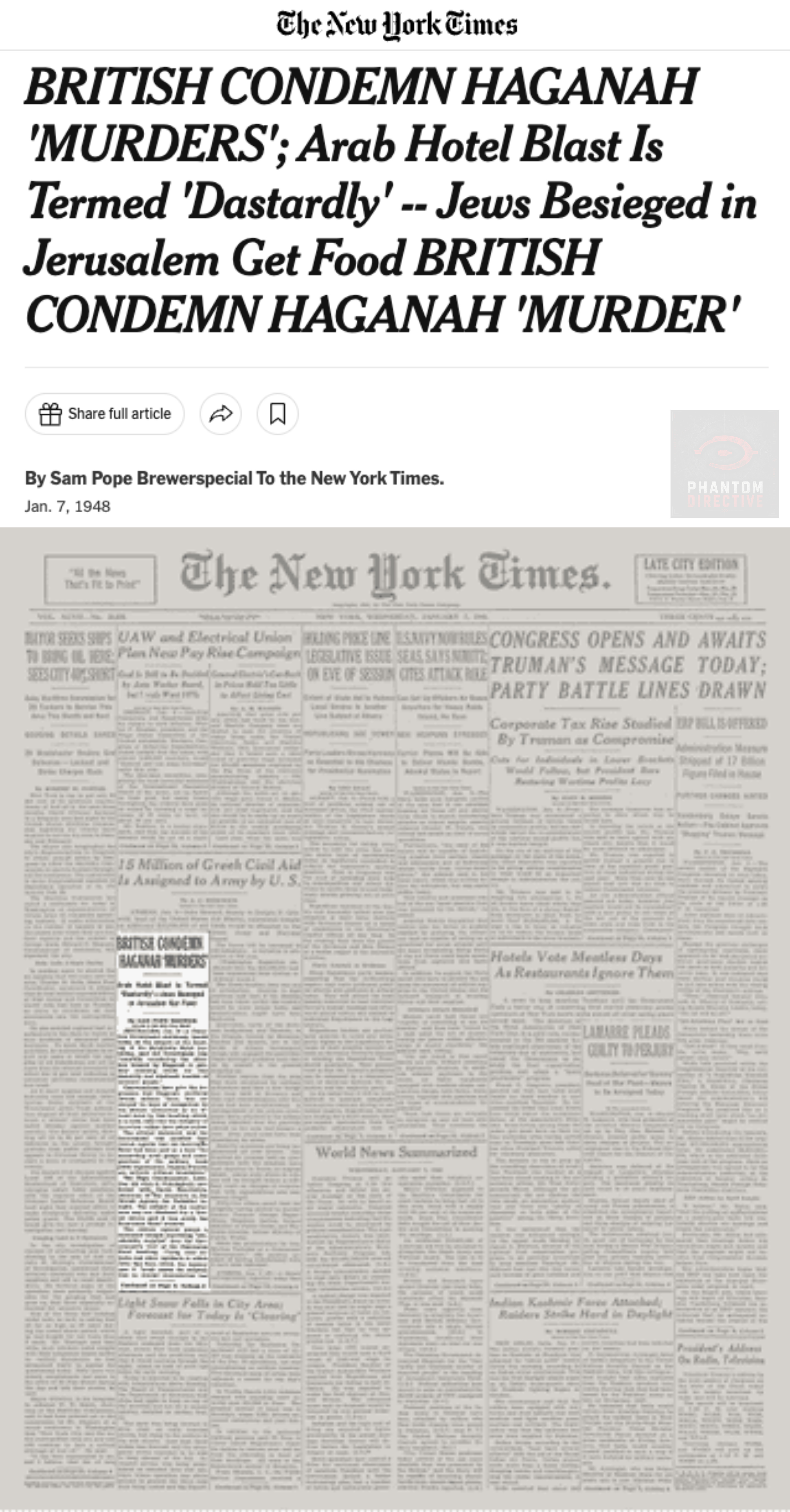
In this report, “Israel and the Birth of Modern State Terrorism,” I exposed Zionist terrorism not only in Palestine, but across the wider region — from Iraq to Egypt. For Spain, this was not an abstract diplomatic dispute. A Spanish diplomat was assassinated by the armed movement that became part of the Israeli state’s founding military structure.
Spain’s delayed recognition of Israel was not random. It emerged from a layered history: Franco’s isolation, Zionist/Israeli pressure against Spain’s rehabilitation, Spain’s Arab-world opening, and the killing of a Spanish diplomat in Jerusalem by Haganah.
When Spain finally recognized Israel in 1986, it did so under the pressure of European integration. Madrid wanted the benefits of the European Community, and that meant removing the last major contradiction: Spain was still the only Western European state refusing to recognize Israel.
Spain did not learn about Israel’s terrorist foundations from Gaza. It learned in 1948, when the Haganah — led by David Ben-Gurion who later became Israel’s first prime minister — bombed the Semiramis Hotel in Jerusalem and killed Spanish vice-consul Manuel Allendesalazar. And the documented Zionist and early Israeli campaign that helped sustain Spain’s postwar isolation.
II. The Historical Reversal — Spain Turns the Isolation Machine Against Israel
In 1946, Spain was the state pushed to the margins of the international order. In 2026, the reversal is impossible to miss: Israel is the state facing legal isolation, cultural rejection, Hollywood boycott, sports ban campaigns, and rising European calls for consequences.
After October 7, Spain’s official posture moved step by step from criticism to pressure. When major Western donors suspended support to UNRWA, Spain announced an additional €3.5 million in emergency funding in February 2024. Spain’s foreign ministry also stated that it had not authorized arms sales to Israel since October 7. Then, in May 2024, Spain formally recognized the State of Palestine alongside Ireland and Norway — a move that triggered fury from Israeli officials and widened the EU split over Gaza.
The escalation did not stop there. Spain submitted a declaration of intervention at the International Court of Justice in South Africa’s genocide case against Israel. This action moved Spain’s position from rhetoric into legal architecture. Spain was no longer merely saying that Gaza was a moral catastrophe. It was entering the world court record.
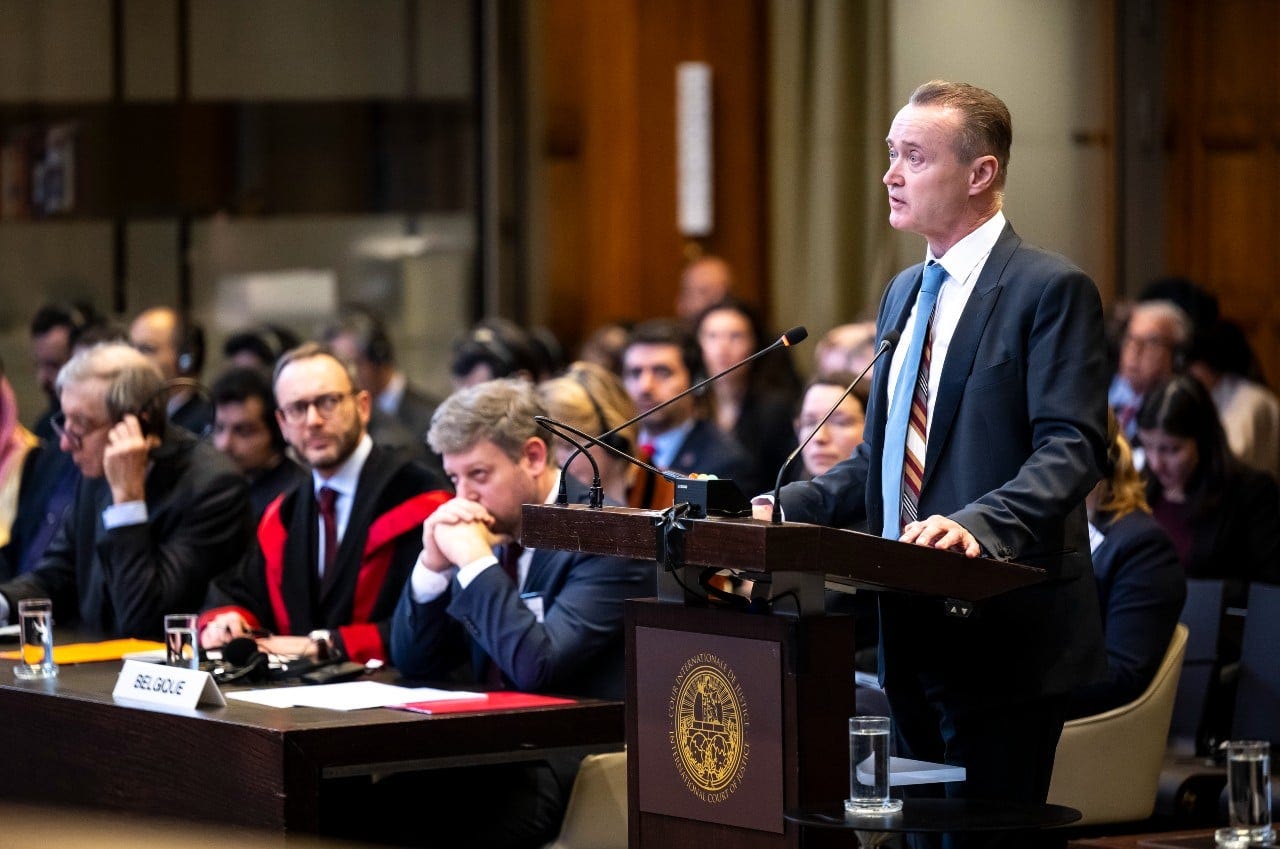
Then came the September 2025 measures. Sánchez announced nine additional actions “to stop the genocide in Gaza, prosecute its perpetrators, and support the Palestinian people.” The measures included consolidating the arms embargo, restricting weapons-related transit through Spanish ports and airspace, strengthening support for Palestinians, and increasing pressure on the Israeli government. Spain’s own government framed this not as symbolic outrage, but as state action.
“We do not have nuclear bombs, nor aircraft carriers, nor large oil reserves. But that does not mean we will stop trying.”
— Pedro Sánchez, announcing Spain’s Gaza measures against Israel.
That sentence is the doctrine of Spain’s present position. Spain is not pretending to be a military superpower. It is using what it has: law, ports, airspace, recognition, EU pressure, public legitimacy, and symbolic visibility. That is exactly why Israel’s reaction is so aggressive. Spain is proving that a state does not need aircraft carriers to make participation in a war machine harder.
In April 2026, Spain pushed the issue further by calling for the suspension of the EU-Israel Association Agreement. Foreign Minister José Manuel Albares warned that Europe’s credibility was at stake and called for discussion of suspending the agreement, which has governed EU-Israel relations since 2000. This is the modern echo of the old postwar isolation fight — except this time, Spain is not the target of exclusion. Spain is helping ask whether Israel should keep privileged access to Europe while Gaza burns.
This is the historical reversal: Spain, once targeted by Zionist groups and isolated as Europe’s postwar pariah, now stands inside Europe helping isolate Israel — accusing it of genocide, intervening at the ICJ, recognizing Palestine, funding UNRWA, restricting arms pathways, and demanding sanctions.
III. The Cultural Front: Sport, Hollywood, and the Zionist Media Counterattack
Sport is dangerous to Israel because it turns legitimacy into a public scene.
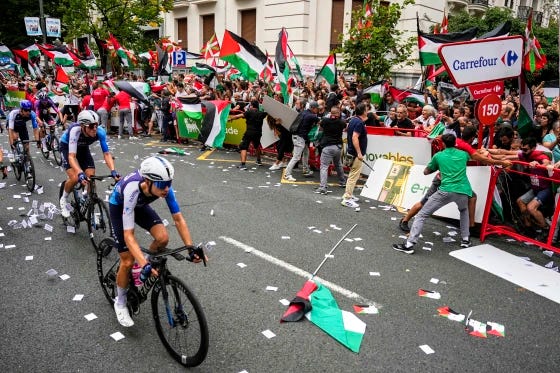
A government can hide behind communiqués. A weapons pipeline can hide behind licensing language. A legal case can disappear inside court procedure. But a Palestinian flag at a title parade, a cycling team removing “Israel” from its own uniform, and thousands of spectators disrupting a major European race cannot be hidden. These are public images. They travel faster than official denials.
During the 2025 Vuelta a España, pro-Palestine protests turned Israel-Premier Tech into the symbol of a larger moral crisis. In Bilbao, protesters carrying Palestinian flags disrupted the stage finish until organizers ended it without a winner. The team responded by removing “Israel” from its jerseys and vehicles. Days later, the final stage in Madrid was abandoned after mass demonstrations.
The result was not just embarrassment. It was reputational collapse. Sponsors applied pressure, the team moved toward a full rebrand, and by 2026 it would operate as NSN Cycling Team from a new Spanish base in Barcelona and Girona. That is the historical irony: Spain, once targeted and isolated in the postwar order, became the place where Israel’s name had to be removed from the road.
The most devastating sports boycott is not always a ban. Sometimes it is when a team decides its own national identity has become too toxic to wear.

This is where Spain’s pressure leaves the stadium and enters Hollywood. Javier Bardem is not a fringe activist; he is an Oscar-winning Spanish actor standing inside the American entertainment machine, using the Emmys red carpet to say “Free Palestine,” call for sanctions on Israel, and refuse collaboration with anyone who justifies or supports genocide in Gaza. He also praised the Spanish pro-Palestine protests that disrupted La Vuelta, tying Spain’s sports revolt directly to Hollywood’s cultural front. That is a direct strike at Israel’s cultural-normalization machine. Sport made Israel’s name toxic on the road. Bardem is helping make Israel’s whitewashing toxic on the red carpet.

Bardem’s Hollywood stand did not come from nowhere, and neither did the backlash. In 2014, Bardem and Penélope Cruz — his wife and one of Spain’s most famous actresses — were targeted after signing a public letter warning that “Gaza is living through horror… while the international community does nothing.” One top Hollywood executive privately admitted he was “furious at Javier and Penelope” and was not sure about “working with the Spanish couple again”. That was the old blacklist model: informal pressure, private punishment, public denial.
Javier Bardem survived through talent and international weight, but Penélope Cruz’s post-2014 trajectory shows how the Hollywood industry can punish pro-Palestine visibility without ever calling it a blacklist.
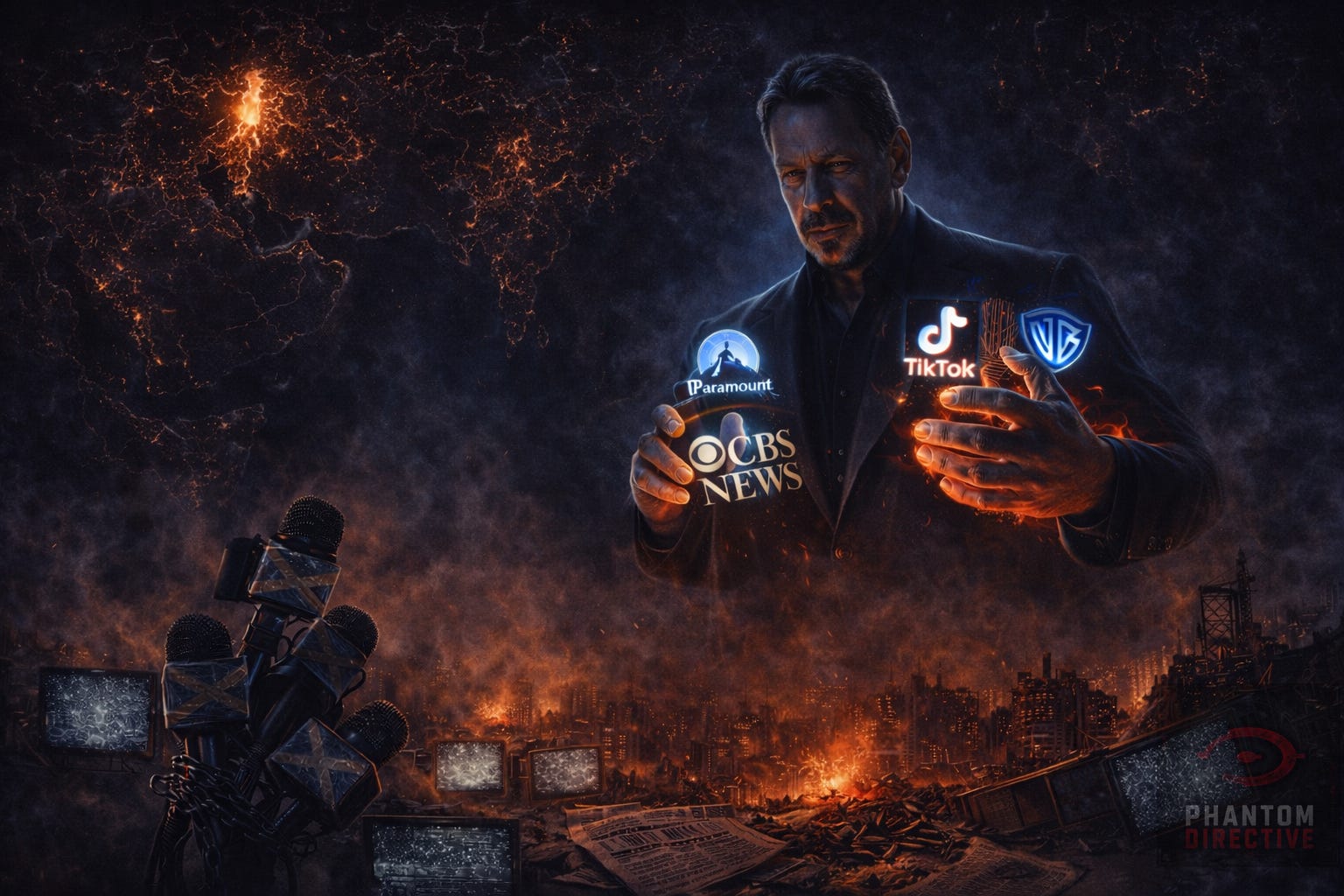
And that is precisely where Zionist billionaire Larry Ellison’s Media consolidation becomes dangerous. In “The Empire Consolidates,” I documented Larry Ellison’s relationship with Israeli Ambassador Ron Prosor and the leaked email trail in which Marco Rubio was vetted, approved, and moved toward Tony Blair’s orbit as a future “great friend for Israel.” That record now sits beside Ellison’s media expansion: Paramount, CBS, the Warner Bros. Discovery bid, CNN, HBO, and the future combined streaming structure.
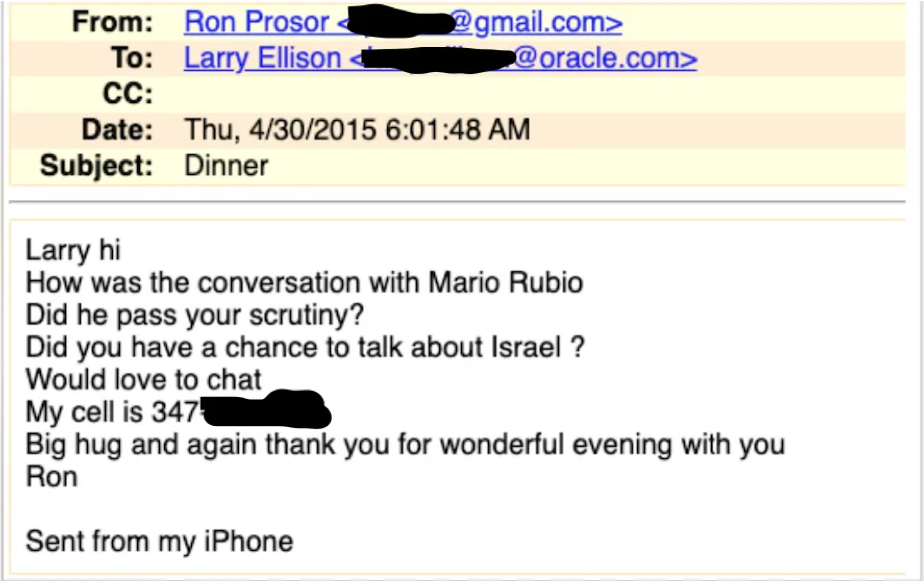
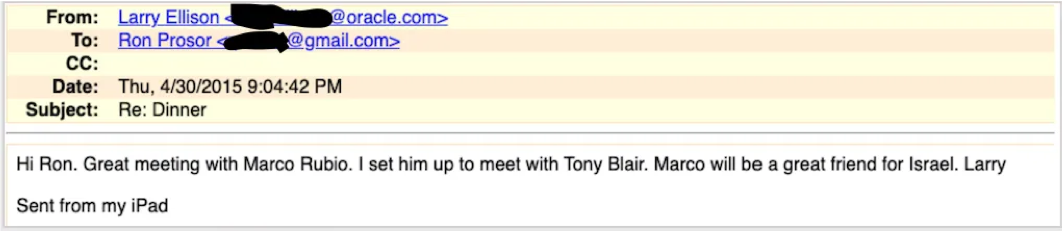
This is the architecture now forming: Larry Ellison’s Zionist media empire consolidates the studios, networks, streamers, and newsrooms, then uses that power to police culture. The formula is old but updated for Hollywood: blacklist the actors who refuse Israel’s whitewash, elevate the propagandists who sell it, and push censorship until moral dissent becomes professionally punishable.
Zionist billionaire Larry Ellison is trying to rebuild the old gatekeeping system at the moment its authority is breaking. Hollywood can punish actors and billionaires can buy media pipelines, but they cannot command global culture like they once did.

Money Heist proved it: a Spanish-language story became one of Netflix’s biggest global hits, including inside America. If Spain’s cultural force now turns openly toward Palestine, Zionist Larry Ellison is not facing a celebrity backlash. He is facing the collapse of the empire’s monopoly over reality.
This is the battlefield now: Spain’s streets made Israel toxic in sport, Javier Bardem carried that moral line into Hollywood, and Larry Ellison’s Zionist media empire is now positioned to enforce the backlash through Paramount, CBS, Warner Bros., CNN, HBO, and the streaming machine.
The Circle Closes — Spain’s Soft Power Becomes Israel’s Nightmare

Spain was once the isolated one. That is the historical irony Israel cannot escape.
Zionist institutions and the early Israeli state helped sustain Spain’s isolation in Europe’s postwar quarantine. Today, Spain stands inside Europe helping turn the isolation machine back toward Israel — through law, recognition, ports, sport, cinema, journalism, and public memory.
This is bigger than one flag. Lamine Yamal made Palestine visible in football. Javier Bardem carried that line into Hollywood. Penélope Cruz’s backlash showed how long the blacklist culture has been operating. And Zionist billionaire Larry Ellison’s media empire shows how Israel plans to fight back: buy the screens, discipline the artists, protect the whitewash, and punish anyone who refuses to pretend that genocide is “complex.”
Every empire fears the moment when its victims become visible, its crimes become documented, and its defenders become recognizable. That moment is arriving for Israel.
That is why the overreactions are so loud.
They are not signs of strength.
They are panic signals from a machine that can feel the walls moving.
For years, Israel counted on the world seeing Palestine only through its filters. But the filters are breaking. The flag travels faster than the smear. The record outlives the headline. The witness is louder than the propagandist.
Now every front has a duty.
The court records. The port refuses. The athlete raises the flag. The actor breaks the blacklist. The journalist preserves the receipts. The people fill the street.
This is how systems built on erasure begin to fall: first they lose control of visibility, then they lose control of memory, then they lose control of history.
https://phantompain1984.substack.com/p/why-spain-became-israels-european