
Wokeness Isn’t Dead
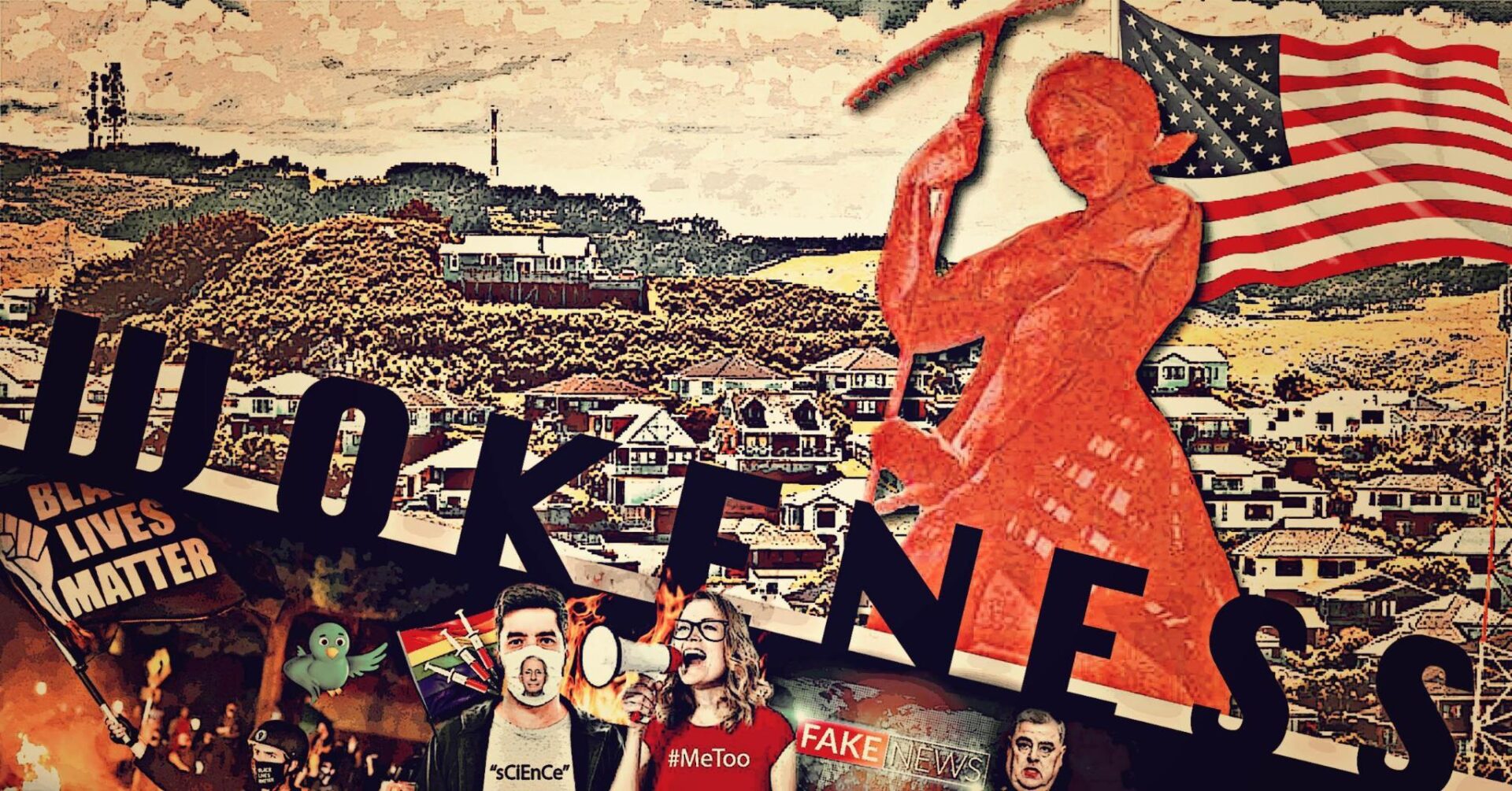
Nearly a year into Trump’s second term there is a noticeable shift in the range of opinions one can find expressed in mainstream journalism. The populist magazine Compact has been at the center of this churn, with two think-pieces going viral recently and taking a critical look, however indirectly, at the ascendancy of women and minorities and the related decline in power and prestige of white men as a group. Until recently, the topic would have been taboo, despite its central importance in forming the world we now inhabit.
In “The Great Feminization,” conservative journalist Helen Andrews eloquently describes the rise of women in law, journalism, and other prestige professions and laments the current and projected impacts of this transformation on the way our institutions function. Andrews leaves the reader contemplating a dreadful prospect: As the legal system becomes more female-dominated, and thus more emotive, can we expect a similar result in law? Will the administration of justice become increasingly arbitrary and politicized? Indeed, we have already seen one ironic consequence f as young women are increasingly the objects of prey for criminal sociopaths who have been mollycoddled by pathologically woke, often female judges.
Following on Andrews’ bombshell article, Compact published “The Lost Generation” from Jacob Savage. Like Andrews, Savage purports to tell a neglected story for the first time. Unlike Andrews, Savage is apparently a liberal, but he offers something Andrews cannot: a first-hand account of what it’s like to have the crushing of your hopes and dreams legitimized by the full faith and credit of the political regime you grew up believing you could trust.
As a fellow young white man from the same Lost Generation Savage describes, it is fair to say that there were elements of Savage’s article that resonated deeply with me. My own right-wing political awakening was prompted by the very phenomenon Savage describes. Still, Savage belabors his point. Do we need a mountain of empirical evidence to confirm the obvious things we’ve been seeing regularly with our own eyes—that white men have been disenfranchised?
Perhaps it is good journalism, but it’s anything but revelatory. Savage even timidly broaches some “uncomfortable questions” about the current standard and quality of academic scholarship, journalism, and entertainment since white men were forced out in droves. But why should these be uncomfortable questions? Isn’t it obvious what happens when anything other than talent becomes an industry’s leading priority? Isn’t this clear to anyone with a brain and a sense of taste?
It is always jarring when an author deviates from what appears to be the main point in summing up his argument. Savage ends his long, deeply researched piece by retreating and professing his belief that no one has benefited unfairly under the woke rules. In fact, his failure as a scriptwriter is entirely his own fault.
The villains in Savage’s story are self-serving boomer and Gen X white men who kicked the ladders of advancement out from underneath them, not the legions of DEI hires who have clamored for and received honors and privileges that they don’t actually deserve.
Similarly, Andrews ends her rather harrowing prophecy in “The Great Feminization” with the startling suggestion that we can avert disaster without needing to deny opportunities to women. Leveling the playing field and ending the repression of “anti-discrimination” law is all that’s needed, Andrews says. Of course, changing hiring practices is unlikely to result in a dramatic exodus of women from the professions if the majority of women find such a course preferable today, as very plainly seems to be the case.
Andrews is a superb writer, but it is possible she is blinded by her own experiences as a professional woman. Stephen Baskerville wrote a bracing critique of Andrews this month at Chronicles, in which he faults Andrews with abstracting the problem and ultimately obscuring its origin, which is feminism as such and the emergence of women as a political class.
Even as “wokeness” is criticized with more candor than ever before in the media, we find a reticence about causes that is nearly fatal to any reversal of our problems. Consider the so-called fertility crisis. One may find any number of articles vigorously debating this important topic, but almost all of them avoid any honest examination of the topic for fear of offending feminist sensibilities. One recent piece, from the left-wing Atlantic, suggested paying grandparents for childcare. Seemingly everything is on the table except the simplest and sanest path to restoring family life: a prescription for restoring the gender roles that worked for centuries.
Still, it is interesting to consider that President Trump, although clearly not an intellectual, has managed what intellectuals have been unable to manage: He is the catalyst for all this new questioning, however limited it may actually be. It wasn’t journalists or academics who brough this about, but the brash “pussy grabber” who called a female reporter “piggy.” This is the man who made it possible to question the idols of the current year. For now, however, reports of their demise are greatly exaggerated. It appears they are very far from being smashed to pieces.